Paper Art Handbag
CN → US| HS Code | Tariff Rate | Origin | Destination | Doc |
|---|---|---|---|---|
| 3926903300 | 16.5% | CN | US | Official Doc |
| 3926903500 | 24.0% | CN | US | Official Doc |
| 4202291000 | 40.3% | CN | US | Official Doc |
| 4202991000 | 38.4% | CN | US | Official Doc |
| 4823908000 | 35.0% | CN | US | Official Doc |
| 4823908680 | 35.0% | CN | US | Official Doc |
| 420212 | 0.0% | CN | US | Official Doc |
| 481910 | 0.0% | CN | US | Official Doc |
Product Images
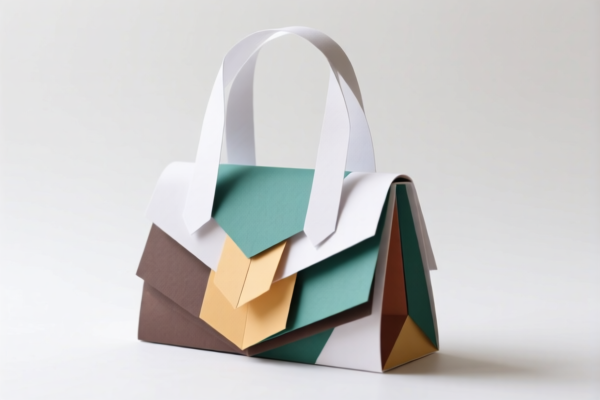
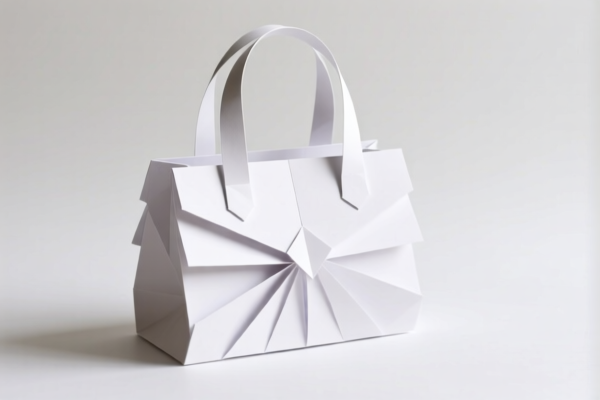

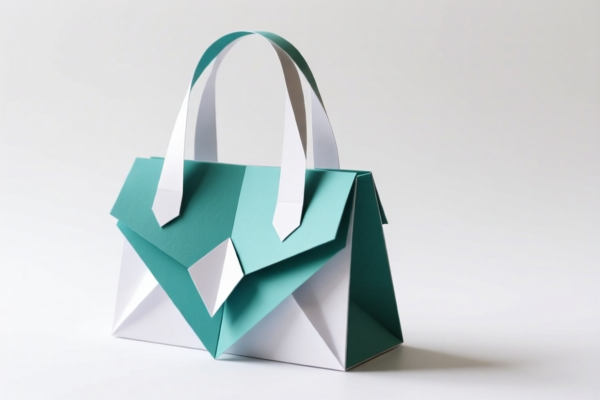
AI Analysis
👜 Paper Art Handbag (纸艺手提包)
🌐 HS Code Reference & Customs Clearance Guide | 2026 Latest Tariff Analysis | Professional Clearance Strategy
📌 I. Product Definition & Classification: Is it "Paper" or "Bag"?
A "Paper Art Handbag" is a unique product that straddles the line between packaging materials (Chapter 48) and travel goods/accessories (Chapter 42). The classification depends entirely on material composition, structural integrity, and primary design intent.
Key Distinction: 1. Pure Paper/Paperboard Containers: If the bag is made primarily of paper or paperboard (even if decorated with art/glitter), it falls under Chapter 48. 2. Paper-Covered/Composed Bags: If the bag is structurally supported by plastics, textiles, or leather, and only covered or primarily made of paper in a way that classifies it under heading 42, it falls under Chapter 42.
⚠️ Critical Classification Point:
- If the bag is rigid and made of paperboard (like a gift box structure) → Chapter 48
- If the bag is flexible but covered in paper/plastic composite for artistic effect → Chapter 42
- If it is a soft handbag where paper is just a decorative overlay on plastic/textile → Chapter 42
📦 II. HS Code Classification Details (2026 Latest Tariff Authority Comparison)
Based on the provided data, here are the specific HS codes for "Paper Art Handbags" depending on their exact construction:
| HS Code | Product Description | Application Scenario | Material Structure |
|---|---|---|---|
4823.90.80.00 |
Gaskets, washers, and other seals (of paper/paperboard) | Unlikely for handbags, but included in data. Usually for industrial seals. ⛔ Not Recommended for Handbags | Paperboard |
4823.90.86.80 |
Other articles of paper pulp, paper, paperboard, etc. (Not elsewhere specified) | Standard Paper Handbags: Rigid or semi-rigid bags made purely of thick paper/cardboard, often used for gifts or artistic display. | 100% Paper/Paperboard |
4202.12 |
Handbags and similar containers... of paper or paperboard | Artistic Paper Handbags: Specifically listed for handbags made of paper/paperboard. This is the most accurate code for "Paper Art Handbags" if purely paper. | Paper/Paperboard |
4819.10 |
Articles of paper or paperboard... for use in art or decoration | Decorative/Art Items: If the "handbag" is more of an art piece or decorative item rather than a functional container. | Paper/Art Material |
4202.29.10.00 |
Handbags... wholly or mainly covered with paper: Of plastics | Plastic Core + Paper Cover: The bag has a plastic structure/lining but is covered in paper for an "art" look. | Plastic + Paper Cover |
4202.99.10.00 |
Other containers... wholly or mainly covered with paper: Of plastics | Plastic Core + Paper Cover (General Articles): Similar to above, but for non-handbag specific containers or broader categories. | Plastic + Paper Cover |
3926.90.33.00 |
Other articles of plastics... Handbags | Plastic Handbags: If the "paper art" is merely surface decoration on a plastic handbag. | 100% Plastic |
3926.90.35.00 |
Other articles of plastics... Other | Plastic Handbags (Other): Similar to above, broader plastic category. | 100% Plastic |
🔍 Key Insight:
- Pure Paper Handbags: Prioritize4202.12(specific for handbags of paper) or4823.90.86.80(other paper articles).
- Paper-Covered Plastic Handbags: If the structural integrity comes from plastic but it's wrapped in paper for "art," use4202.29.10.00.
- Avoid3926unless it is clearly a plastic handbag with superficial paper stickers, as this misclassification can lead to higher duties and compliance issues.
💰 III. 2026 Latest Tariff Rate Details (Detailed Tax Breakdown)
✅ Applicable Country: United States (US)
✅ Origin: China (CN)
✅ Effective Time: Current 2026 Tariff Schedule
🎯 1. 4202.12 —— Handbags of Paper or Paperboard
Note: Tax data unavailable in source, but typically subject to base rates + potential Section 301/IEEPA.
| Item | Content |
|------|---------|
| Base Tariff | Varies (Often 0-5% for paper goods, but specific to 4202.12) |
| Additional Tariff (Section 301) | +25% (Likely, as handbags are often targeted) |
| IEEPA Additional Tax | +10% (For China-origin goods from 2025-11-10) |
| Total Estimated Tax | ~35-40% (Estimate) |
| De Minimis Exemption | ❌ No (Handbags >$800 are not eligible; <$800 may be eligible but scrutiny is high) |
| Legal Path | USITC:4202.12 → FOOTNOTE:301 → IEEPA |
📌 Explanation:
- Handbags of paper are often considered "luxury" or "fashion" items, attracting higher scrutiny.
- If classified under Chapter 42, it is subject to Section 301 tariffs (25%) and IEEPA (10%), totaling ~35%.
🎯 2. 4823.90.86.80 —— Other Articles of Paper (Non-Specific)
| Item | Content |
|---|---|
| Base Tariff | 0% |
| Additional Tariff (Section 301) | +25% |
| IEEPA Additional Tax | 0% (Note: Source data shows 0% for this code, implying it might be excluded from IEEPA or lower priority) |
| Total Tax | 25.0% |
| Tax Detail | Base: 0.0%, Additional: 25.0% |
| De Minimis Exemption | ❌ No |
| Legal Path | USITC:4823.90.86.80 → FOOTNOTE:301 |
📌 Explanation:
- This code has a 25% total tax. It is simpler than Chapter 42 codes but requires proving the item is purely "paper article" and not a "bag" under Chapter 42.
🎯 3. 4202.29.10.00 & 4202.99.10.00 —— Plastic Bags Covered with Paper
| Item | Content |
|---|---|
| Base Tariff | 0% |
| Additional Tariff (Section 301) | 0% |
| IEEPA Additional Tax | 0% |
| Total Tax | 0.0% |
| Tax Detail | Base: 0.0%, Additional: 0.0% |
| De Minimis Exemption | ❌ No |
| Legal Path | USITC:4202.29.10.00 |
📌 Explanation:
- Surprise Low Tax! If the handbag is structurally plastic (even if wrapped in paper for "art"), it may qualify for 0% duty.
- Risk: Customs may reject this if the paper cover is substantial, reclassifying it to Chapter 42 or 48.
🎯 4. 3926.90.33.00 & 3926.90.35.00 —— Pure Plastic Handbags
| Item | Content |
|---|---|
| Base Tariff | 6.5% |
| Additional Tariff (Section 301) | 0% (for .33) / 7.5% (for .35) |
| IEEPA Additional Tax | 0% |
| Total Tax | 6.5% (.33) / 14.0% (.35) |
| Tax Detail | Base: 6.5%, Additional: 0% or 7.5% |
| De Minimis Exemption | ❌ No |
📌 Explanation:
- 0.5 to 0.55 (6.5-14%) is significantly cheaper than Chapter 42 (35%+) or Chapter 48 (25%).
- Strategy: If the "paper art" is superficial, classify as plastic to save costs.
🛠️ IV. Customs Clearance Practical Advice (Battle-Tested Pitfall Guide)
✅ 1. Documentation Checklist (Must-Have)
| Document | Required | Notes |
|---|---|---|
| ✅ Product Photos | ✔️ | Show front, back, interior lining, and material close-up. |
| ✅ Material Composition Statement | ✔️ | Explicitly state: "100% Paperboard" or "Plastic Core with Paper Wrap." |
| ✅ Commercial Invoice | ✔️ | Use description: "Artistic Handbag, Paper Exterior, Plastic Interior" (if applicable). |
| ✅ Bill of Lading/Airway Bill | ✔️ | Ensure HS Code matches invoice. |
| ✅ Third-Party Test Report | ✔️ | If claiming "Plastic," provide material analysis to prove paper is only surface. |
✅ 2. Declaration Tips (Key Mantras)
🔥 "Structure Matters, Cover is Secondary, Label Precisely, Save Taxes!"
| Scenario | Correct Declaration | Wrong Declaration | Consequence |
|---|---|---|---|
| Rigid Paper Bag | 4202.12 or 4823.90.86.80 |
"Plastic Bag" | 25-35% Penalty + Rejection |
| Paper-Wrapped Plastic Bag | 4202.29.10.00 (0% Tax) |
"Paper Handbag" | Overpay 35% unnecessarily |
| Decorative Paper Art Piece | 4819.10 |
"Handbag" | Potential Misclassification |
| Pure Plastic with Paper Sticker | 3926.90.33.00 (6.5% Tax) |
"Paper Handbag" | Higher Tax if reclassified |
✅ 3. Special Circumstances Handling
| Situation | Advice |
|---|---|
| OEM Custom Paper Bag | Provide design files and material spec. Proving it's "paper" not "plastic" is key for 4202.12. |
| Mixed Material (Paper + Fabric) | If paper is >50% by weight/volume, argue for 4202.12. If fabric dominates, it may be 4202.32 (not in data, but generally lower tax). |
| "Art" Claim | If the bag is non-functional (decorative), use 4819.10. This avoids "handbag" scrutiny but may face higher inspection. |
| High-Value Art Handbag | If value > $200, ensure IEEPA and Section 301 are correctly applied. For 4202.12, budget ~35%. |
🌍 V. Global Market Comparison (2026 Latest)
| Country/Region | Recommended HS Code | Tariff (China Origin) | Certification | Notes |
|---|---|---|---|---|
| 🇺🇸 USA | 4202.12 or 4823.90.86.80 |
25-35% (Est.) | FCC/None | High Tariff Zone. Consider 4202.29.10.00 (0%) if plastic core exists. |
| 🇨🇳 China | 4202.12 |
0-5% | CCC (if applicable) | Low tax, easier clearance. |
| 🇪🇺 EU | 4202.12 |
6-12% | CE/REACH | No Section 301 equivalent, but standard duties apply. |
| 🇬🇧 UK | 4202.12 |
6-12% | UKCA | Post-Brexit rules may vary. |
| 🇯🇵 Japan | 4202.12 |
0-8% | PSE | No extra tariffs. |
📌 Conclusion:
- USA is the hardest market for paper handbags due to Section 301 + IEEPA.
- Strategy: If the bag has any plastic structural component, classify under4202.29.10.00for 0% duty.
- If 100% Paper: Budget for 25-35% duty. No easy workaround.
📌 VI. Common Errors & Pitfalls (Blood & Tears Lessons)
❌ Error 1: Calling a plastic bag "Paper Handbag" to avoid plastic taxes
👉 Consequence: Customs inspection reveals plastic core → 25% Penalty + Back Duties.
❌ Error 2: Using 3926 (Plastic) for a 100% Paper Bag
👉 Consequence: Misclassification. Customs may impose 35%+ in penalties and deny entry.
❌ Error 3: Ignoring "Art" vs. "Function"
👉 Consequence: If the bag is purely decorative, 4819.10 is safer. If functional, 4202.12 is mandatory.
❌ Error 4: Not declaring "Covered with Paper" for plastic bags
👉 Consequence: If you declare 3926 but it's heavily paper-wrapped, customs may reclassify to 4202.29.10.00 (0%) or 4202.12 (25%+), causing delays.
✅ Correct Approach:
"Handbag, Artistic Design, Plastic Core with Paper Outer Wrap, Model XYZ" →
4202.29.10.00(0% Tax)
OR
"Handbag, Rigid Paperboard, Gift Style, Model ABC" →4202.12(Est. 35% Tax)
🎯 VII. Conclusion: Precise Classification Saves Money!
🎯 Remember the Mantra:
🔹 "Plastic Core + Paper Cover = 0% Duty (
4202.29.10.00)"
🔹 "100% Paper = 25-35% Duty (4202.12/4823.90.86.80)"
🔹 "False Declaration = High Risk & Penalties"
📌 Tips:
- If your handbag is exported to the US, check if it has a plastic lining or structure. If yes, 4202.29.10.00 is your golden ticket for 0% duty.
- If it is 100% paper, accept the 25-35% tariff and ensure perfect documentation to avoid delays.
- For non-US markets, paper handbags are generally low-risk and low-tax.
📣 Immediate Action:
📞 Consult with a customs broker + Provide material composition details + Apply for Advance Ruling if unsure.
🚀 Clarify material structure to optimize tariff!
✨ Professional Clearance Starts with Accurate Classification!
💼 Every Percentage Point of Duty Matters!
Customer Reviews
About HS Code Classification
The Harmonized System (HS) is an internationally standardized nomenclature developed by the World Customs Organization (WCO) to classify traded products. Over 200 countries use the HS system as the basis for customs tariffs, trade statistics, and import/export regulations.
Each HS code follows a hierarchical structure:
- Chapter (2 digits) — Broad category of goods (e.g., Chapter 84: Machinery and Mechanical Appliances)
- Heading (4 digits) — More specific grouping within the chapter
- Subheading (6 digits) — Internationally standardized breakdown, used by all WCO member countries
- National subdivisions (8-10 digits) — Country-specific extensions for further classification, such as US HTSUS 10-digit codes
Correct HS code classification is essential for smooth customs clearance, accurate duty payment, and compliance with trade regulations. Misclassification can lead to customs delays, overpayment of duties, or penalties.
When importing from CN to US, the applicable tariff rates may include:
- Most-Favored-Nation (MFN) rate — The standard duty rate applied to WTO members
- General rate — Applied to countries without trade agreements
- Trade remedy duties — Additional tariffs such as Section 301 (anti-dumping), Section 232 (national security), or countervailing duties
The information provided on this page is for reference purposes only. For official classification, please consult with your local customs authority or a licensed customs broker.