Passenger Car Radial Tires
CN → US| HS Code | Tariff Rate | Origin | Destination | Doc |
|---|---|---|---|---|
| 4013100010 | 38.7% | CN | US | Official Doc |
| 4011201005 | 39.0% | CN | US | Official Doc |
| 4011201015 | 39.0% | CN | US | Official Doc |
| 4012909000 | 37.7% | CN | US | Official Doc |
| 4013100020 | 38.7% | CN | US | Official Doc |
Product Images
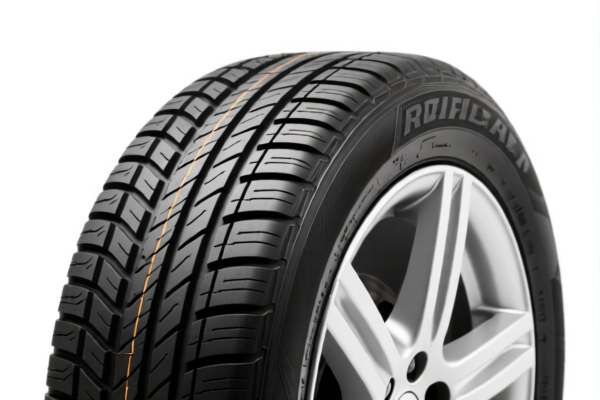
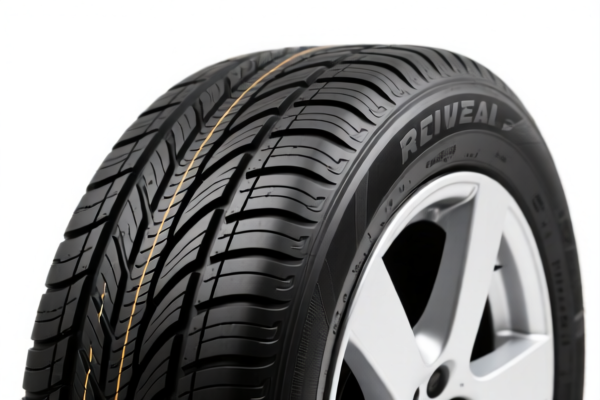
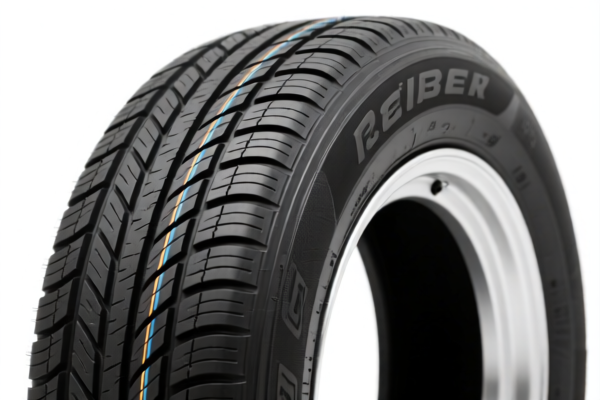
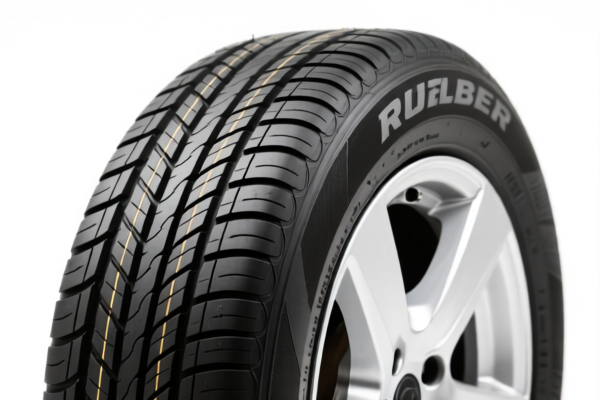
AI Analysis
🚗 Passenger Car Radial Tires (乘用车子午线轮胎)
🌐 HS Code Reference & Customs Clearance Guide | 2026 Latest Tariff Analysis | Professional Clearance Strategy
📌 I. Product Definition & Classification: What Defines a "Passenger Car Radial Tire"?
Passenger car radial tires are pneumatic tires designed specifically for vehicles with a maximum design speed of 120 km/h (including vehicles fitted with run-flat tires). The key identifier is the "Radial" construction (indicated by the letter 'R' in the size code, e.g., 205/55R16) and their primary application for passenger vehicles (sedans, SUVs, MPVs, minivans).
⚠️ Key Distinction Point:
- If the tire is designed for trucks, buses, or off-road vehicles → It does NOT fall under "Passenger Car" HS codes.
- If the tire is non-radial (bias-ply) → It falls under HS Code 4011.10 (not listed in the provided data).
- If the product is a tire inner tube (separate from the tire) → It falls under HS Code 4013.10.00.20.
📦 II. HS Code Classification Details (2026 Latest Tariff Authority Cross-Reference)
Based on the provided , the following HS Codes are applicable. Note that specific 10-digit codes may vary slightly by jurisdiction, but the structure remains consistent for classification.
| HS Code | Product Description | Application Scenario | Construction Type | Material |
|---|---|---|---|---|
4013.10.00.10 |
Passenger Car Radial Tires | Sedans, SUVs, Crossovers, Minivans | Radial (R-type) | Rubber |
4013.10.00.20 |
Inner Tubes for Tires | For passenger cars (sold separately) | Pneumatic/Inner Tube | Rubber |
🔍 Critical Reminder:
- Do NOT confuse with Truck Buses: Tires for trucks or buses are classified under 4011.20.10.05 or 4011.20.10.15. Misclassification leads to severe penalties. - Solid/Replacement Tires: If the tire is solid (non-pneumatic) or a tyre pad, it is classified under 4012.90.90.00. - "Radial" is Key: The term "Radial" must be explicitly stated in the description to justify using HS Code 4013 instead of 4011 (which covers other pneumatic tires).
💰 III. 2026 Latest Tariff Rate Breakdown (Including Surcharges)
✅ Applicable Country: United States (US)
✅ Origin: China (CN)
✅ Effective Time: 2025/2026 Import Period
🎯 1. 4013.10.00.10 —— Passenger Car Radial Tires
| Item | Content |
|---|---|
| Base Tariff Rate | 3.7% |
| Section 301 Additional Tariff | +25.0% |
| Section 122 Tariff | +10.0% |
| Total Effective Rate | 38.7% |
| Tax Calculation | CIF Value × 38.7% |
| De Minimis Eligibility | ❌ No (Denied) |
| Legal Basis Path | HTSUS:4013.10.00 → USITC:301/122 |
📌 Explanation:
- The 3.7% is the standard Most Favored Nation (MFN) duty for radial tires for passenger vehicles. - The 25.0% is the Section 301 tariff imposed on Chinese-origin goods. - The 10.0% is the Section 122 tariff (often related to national security or specific trade remedies). - Total 38.7% is a significant cost factor. Profit margins must account for this high landed cost.
🎯 2. 4013.10.00.20 —— Inner Tubes for Tires
| Item | Content |
|---|---|
| Base Tariff Rate | 3.7% |
| Section 301 Additional Tariff | +25.0% |
| Section 122 Tariff | +10.0% |
| Total Effective Rate | 38.7% |
| Tax Calculation | CIF Value × 38.7% |
| De Minimis Eligibility | ❌ No |
| Legal Basis Path | HTSUS:4013.10.00 → USITC:301/122 |
📌 Note:
- Inner tubes are treated similarly to the tires themselves in terms of tariff burden under these sections. - Ensure the inner tube is not packaged as part of a complete tire assembly if the intent is to avoid separate classification, though typically they are declared separately if sold separately.
🛠️ IV. Customs Clearance Practical Advice (Real-World Pitfall Guide)
✅ 1. Preparation Checklist (Non-Negotiable)
| Document | Required? | Description |
|---|---|---|
| ✅ Product Spec Sheet | ✔️ | Must explicitly state: "Radial Construction," "Passenger Car Use," Size, Ply Rating. |
| ✅ Material Declaration | ✔️ | Confirm rubber composition; avoid misclassification as plastic or synthetic non-rubber materials. |
| ✅ Commercial Invoice | ✔️ | Must use exact HS Code 4013.10.00.10 and describe as "Passenger Car Radial Tire." |
| ✅ Origin Certificate | ✔️ | To confirm Chinese origin and apply correct 301/122 tariffs. |
| ✅ DOT/SGS Certification | ✔️ | Proof of safety standards compliance (mandatory for US market entry). |
✅ 2. Declaration Tips (Key Mantra)
🔥 "Radial Spec, Passenger Use, No Truck Confusion!"
| Scenario | Correct Declaration | Incorrect Approach |
|---|---|---|
| Standard Passenger Tire | 4013.10.00.10 |
Misreporting as Truck Tire (4011) → 39.0% |
| Tire for SUV | 4013.10.00.10 |
N/A (SUVs are considered passenger vehicles) |
| Inner Tube Sold Separately | 4013.10.00.20 |
Reporting as part of tire if sold separately |
| Solid Truck Tire | 4012.90.90.00 |
N/A (Different category) |
✅ 3. Special Circumstances Handling
| Situation | Handling Advice |
|---|---|
| Run-Flat Tires | Still classified under 4013.10.00.10 if for passenger cars. No special tariff change. |
| Tire + Rim Assemblies | If imported as a complete wheel assembly, classification may change to 8708. Seek pre-ruling. |
| Mixed Container | Ensure passenger car tires are not mixed with truck tires in a way that confuses customs officers. Separate packing lists are recommended. |
🌍 V. Global Market Comparison (2026 Latest)
| Country/Region | Recommended HS Code | Tariff (China Origin) | Certification Required | Notes |
|---|---|---|---|---|
| 🇺🇸 United States | 4013.10.00.10 |
38.7% | DOT, EPA (if applicable) | High tariff burden due to 301/122. |
| 🇨🇳 China | 4011.10.00 (Export) |
Varies | CCC (if sold domestically) | Export duties may apply. |
| 🇪🇺 European Union | 4011.10 |
~4.5% (Standard) | ECE R30, E-Mark | No Section 301/122 equivalent. |
| 🇲🇽 Mexico | 4011.10 |
0-5% (depending on USMCA) | NOM Certification | Potential for lower tariffs under USMCA if rules of origin met. |
📌 Conclusion:
- The US market is exceptionally costly for Chinese-made passenger tires due to the 38.7% effective tariff rate. - Consider supply chain diversification (e.g., production in Vietnam, Thailand, or Mexico) to mitigate tariff risks if targeting the US market.
📌 VI. Common Errors & Pitfall Guide (Lessons Learned)
❌ Error 1: Classifying Passenger Car Tires as 4011 (Other Pneumatic Tires)
👉 Consequence: Incorrect base rate (often 4.0-10%) but same surcharges. While the total might be similar (39.0%), 4011.10 is technically for non-passenger cars or non-radial tires. Misuse leads to audits and penalties.
❌ Error 2: Failing to Declare "Radial" Construction
👉 Consequence: Customs may assume Bias-Ply tires, leading to classification under 4011.10 with potentially different legal restrictions or anti-dumping duties.
❌ Error 3: Ignoring Section 122 Tariff
👉 Consequence: Underpayment of 10%. Customs will assess back-taxes plus interest.
✅ Correct Practice:
"Passenger Car Radial Tire, 205/55R16 91V, All-Season, Made in China, DOT Certified, HS Code 4013.10.00.10"
🎯 VII. Conclusion: Professional Declaration, Cost Control
🎯 Remember the Mantra:
🔹 "Radial + Passenger = 4013.10.00.10"
🔹 "38.7% Total Tax is the Reality"
🔹 "Check Inner Tubes Separately = 4013.10.00.20"
📌 Pro Tip:
If your tires are destined for the US, consider Pre-Ruling (Advance Ruling) from CBP to confirm the exact classification and tariff applicability. This provides legal certainty and avoids post-clearance audits.
📣 Immediate Action:
📞 Contact a licensed Customs Broker + Provide Tech Specs + Verify DOT Compliance
🚀 Ensure your supply chain is optimized for the 38.7% tariff reality!
✨ Professional Clearance Starts with Accurate Classification!
💼 Your Profit Margin Depends on Precision!
Customer Reviews
About HS Code Classification
The Harmonized System (HS) is an internationally standardized nomenclature developed by the World Customs Organization (WCO) to classify traded products. Over 200 countries use the HS system as the basis for customs tariffs, trade statistics, and import/export regulations.
Each HS code follows a hierarchical structure:
- Chapter (2 digits) — Broad category of goods (e.g., Chapter 84: Machinery and Mechanical Appliances)
- Heading (4 digits) — More specific grouping within the chapter
- Subheading (6 digits) — Internationally standardized breakdown, used by all WCO member countries
- National subdivisions (8-10 digits) — Country-specific extensions for further classification, such as US HTSUS 10-digit codes
Correct HS code classification is essential for smooth customs clearance, accurate duty payment, and compliance with trade regulations. Misclassification can lead to customs delays, overpayment of duties, or penalties.
When importing from CN to US, the applicable tariff rates may include:
- Most-Favored-Nation (MFN) rate — The standard duty rate applied to WTO members
- General rate — Applied to countries without trade agreements
- Trade remedy duties — Additional tariffs such as Section 301 (anti-dumping), Section 232 (national security), or countervailing duties
The information provided on this page is for reference purposes only. For official classification, please consult with your local customs authority or a licensed customs broker.