Pendant Ornament
CN → US| HS Code | Tariff Rate | Origin | Destination | Doc |
|---|---|---|---|---|
| 7113195095 | 23.0% | CN | US | Official Doc |
| 7113195091 | 15.5% | CN | US | Official Doc |
| 7116200500 | 13.3% | CN | US | Official Doc |
| 7117909000 | 28.5% | CN | US | Official Doc |
| 7116201500 | 24.0% | CN | US | Official Doc |
Product Images
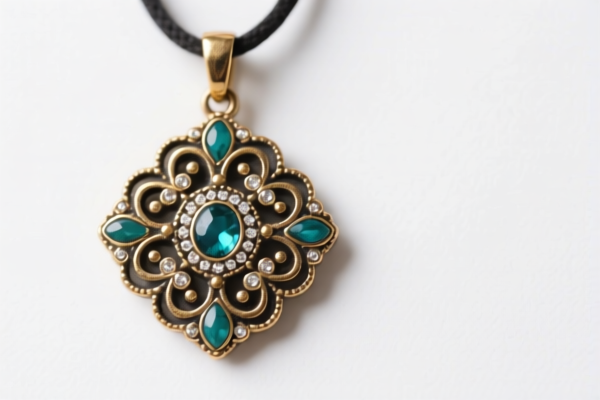
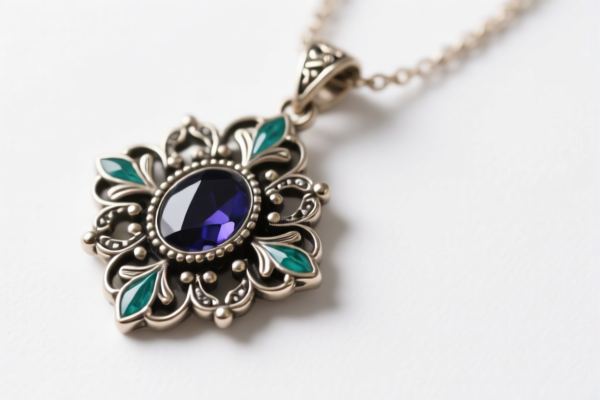
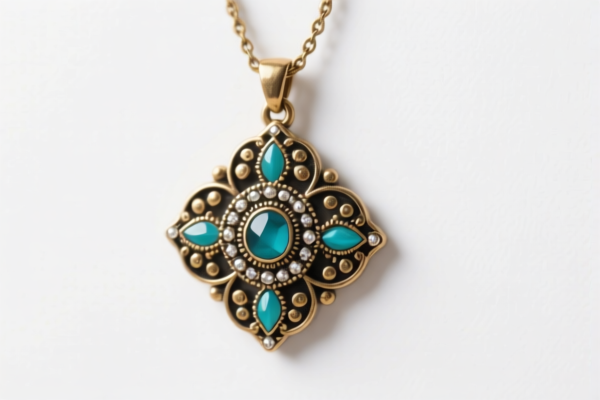
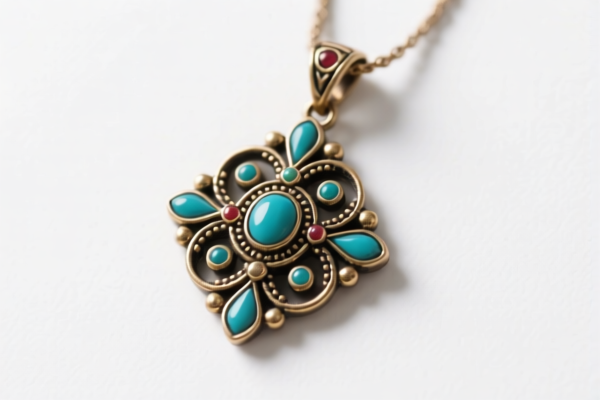
AI Analysis
💎 Pendant Ornaments (Jewelry Pendants)
🌐 HS Code Reference & Customs Clearance Guide | 2026 Latest Tariff Analysis | Professional Strategy for US Imports
📌 Part 1: Product Definition & Classification – Do You Really Understand "Pendants"?
Pendant ornaments are decorative components designed to be worn around the neck, typically suspended from a chain or cord. In international trade, the classification of pendants is highly sensitive to material composition and finish. They are not a "one-size-fits-all" category.
Key Material Distinctions: * Precious Metals (Gold, Silver, Platinum): Classified under 7113. * Base Metals (Brass, Copper, Zinc Alloy): Classified under 7117 (if unprecious) or 7113 (if clad/plated with precious metals). * Gemstones/Half-Gemstones (Crystal, Glass, Semi-precious stones): Classified under 7116 if set in precious/semi-precious contexts, or potentially 7117 if purely decorative/imitation. * Imitation Jewelry (Plastic, Resin, Non-precious materials): Generally classified under 7117.
⚠️ Critical Distinction:
- If the pendant is made of precious metal (even if plated) → 7113.xx
- If the pendant is made of base metal only (no precious plating) → 7117.xx
- If the pendant is primarily gemstone/glass/crystal without precious metal setting → 7116.xx or 7117.xx depending on value and composition.
📦 Part 2: HS Code Classification Matrix (2026 Official Tariff Data)
Based on the provided data, here are the five specific HS Codes applicable to pendant ornaments, with their corresponding tax structures:
| HS Code | Product Description & Material Inference | Total Tax Rate | Tax Breakdown (Base + Section 301 + 122) |
|---|---|---|---|
| 7113.19.50.95 | Precious Metal Pendant Infers material as precious metal or precious metal-clad base metal. No conflict with jewelry form. |
23.0% | Base: 5.5% Section 301: 7.5% Section 122: 10% |
| 7113.19.50.91 | Metal Pendant (Non-Precious Clad) Infers metal material, not a necklace chain. No exclusion for pendants. |
15.5% | Base: 5.5% Section 301: 0.0% Section 122: 10% |
| 7116.20.05.00 | Gemstone/Half-Gemstone Pendant Infers material as gemstone or semi-precious stone, set in jewelry form. |
13.3% | Base: 3.3% Section 301: 0.0% Section 122: 10% |
| 7117.90.90.00 | Imitation Jewelry Pendant Fits "imitation jewelry" use. No material specified, conflicts with "Other" category. |
28.5% | Base: 11.0% Section 301: 7.5% Section 122: 10% |
| 7116.20.15.00 | Precious/Semi-Precious Stone Pendant Infers material as precious or semi-precious stone. Conflicts with "Other" category. |
24.0% | Base: 6.5% Section 301: 7.5% Section 122: 10% |
🔍 Key Insight:
- 7113.19.50.91 offers the lowest tax rate (15.5%) among precious metal categories because it avoids the 7.5% Section 301 tariff.
- 7116.20.05.00 is the cheapest overall (13.3%) for stone-based pendants, but requires strict proof of non-precious metal content.
- 7117.90.90.00 is the most expensive (28.5%) for imitation jewelry, carrying both Section 301 and 122 tariffs on a higher base rate.
💰 Part 3: 2026 Tariff Rate Detailed Explanation (US Origin: China)
✅ Applicable Country: United States (US)
✅ Origin: China (CN)
✅ Effective Date: 2025-11-10 onwards
🎯 1. 7113.19.50.95 – Precious Metal Pendant (High Tax)
| Item | Detail |
|---|---|
| Base Duty | 5.5% |
| Section 301 Tariff | +7.5% |
| Section 122 Tariff | +10% |
| Total Rate | 23.0% |
| De Minimis Exemption | ❌ Not Eligible (Value > $800 threshold applies; jewelry is generally excluded from de minimis if over threshold, but even if under, duty applies). Note: De minimis usually applies to shipments < $800, but tariffs still apply to the value. However, if value < $800, it may enter duty-free if no other fees apply. But for commercial imports, duty is charged. |
| Legal Basis | Base: 7113.19.50.95 → 301: Footnote 9903.88.01 → 122: Executive Order |
📌 Explanation:
- This code applies to pendants made of precious metals (gold, silver, platinum) or clad with them.
- The 23% total rate is significant. Importers must ensure the product is accurately described as precious metal to avoid misclassification penalties.
🎯 2. 7113.19.50.91 – Metal Pendant (Optimized Tax)
| Item | Detail |
|---|---|
| Base Duty | 5.5% |
| Section 301 Tariff | 0.0% |
| Section 122 Tariff | +10% |
| Total Rate | 15.5% |
| De Minimis Exemption | ❌ Not Eligible (Same as above) |
| Legal Basis | Base: 7113.19.50.91 → 122: Executive Order |
📌 Why 0% Section 301?
- This specific subheading (7113.19.50.91) is exempt from the 7.5% Section 301 tariff under current trade policy.
- Strategy: If your pendant is made of base metal with precious plating (not solid precious metal), consider if it can be classified under 7113.19.50.91 instead of .95. This saves 7.5% in tariffs.
🎯 3. 7116.20.05.00 – Gemstone Pendant (Lowest Tax)
| Item | Detail |
|---|---|
| Base Duty | 3.3% |
| Section 301 Tariff | 0.0% |
| Section 122 Tariff | +10% |
| Total Rate | 13.3% |
| De Minimis Exemption | ❌ Not Eligible |
| Legal Basis | Base: 7116.20.05.00 → 122: Executive Order |
📌 Why is it cheapest?
- Base duty is only 3.3%.
- No Section 301 tariff applies.
- Requirement: Must be made of gemstones, half-gemstones, or organic materials (like pearl, coral) without precious metal setting. If set in gold, it moves to 7113.
🎯 4. 7117.90.90.00 – Imitation Jewelry (Highest Tax)
| Item | Detail |
|---|---|
| Base Duty | 11.0% |
| Section 301 Tariff | +7.5% |
| Section 122 Tariff | +10% |
| Total Rate | 28.5% |
| De Minimis Exemption | ❌ Not Eligible |
| Legal Basis | Base: 7117.90.90.00 → 301: Footnote 9903.88.01 → 122: Executive Order |
📌 Warning:
- This is the worst-case scenario for cost.
- Applies to plastic, resin, alloy, or non-precious metal pendants.
- High base duty (11%) + both surcharges = 28.5%.
- Avoid misclassification: Do not declare imitation jewelry as precious metal to evade this. Customs can test materials.
🎯 5. 7116.20.15.00 – Precious Stone Pendant (Medium-High Tax)
| Item | Detail |
|---|---|
| Base Duty | 6.5% |
| Section 301 Tariff | +7.5% |
| Section 122 Tariff | +10% |
| Total Rate | 24.0% |
| De Minimis Exemption | ❌ Not Eligible |
| Legal Basis | Base: 7116.20.15.00 → 301: Footnote 9903.88.01 → 122: Executive Order |
📌 Note:
- Applies to precious stones (diamond, ruby, sapphire, etc.) not set in precious metals.
- If set in precious metal, it moves to 7113.
- Conflict Check: The data notes "no conflict with 'Other' category," but it still incurs Section 301.
🛠️ Part 4: Customs Clearance Practical Advice
✅ 1. Required Documentation Checklist
| Document | Required | Notes |
|---|---|---|
| ✅ Product Description | ✔️ | Must specify: "Pendant, [Material], [Stone Type], [Plating]" |
| ✅ Material Certificate | ✔️ | Crucial for proving base metal vs. precious metal. |
| ✅ Photos (Clear) | ✔️ | Show clasp, back, front, and any hallmarks. |
| ✅ Commercial Invoice | ✔️ | List HS Code, Unit Price, Total Value, Country of Origin. |
| ✅ Packing List | ✔️ | Include weight, dimensions, and quantity. |
| ✅ Plating Thickness Report | ✔️ | If claiming 7113.19.50.91, prove plating thickness meets standards. |
✅ 2. Declaration Tips (Key Phrases)
🔥 "Material is King! Declare Exactly!"
| Scenario | Correct Declaration | Wrong Declaration |
|---|---|---|
| Gold-plated brass pendant | "Pendant, Brass with Gold Plating, HS 7113.19.50.91" | "Gold Pendant" (Misclassification risk) |
| Crystal glass pendant | "Pendant, Glass/Crystal, No Precious Metal, HS 7116.20.05.00" | "Gemstone Pendant" (If not genuine gem) |
| Plastic fashion pendant | "Pendant, Plastic/Resin, Imitation Jewelry, HS 7117.90.90.00" | "Jewelry Pendant" (Too vague) |
| Silver-plated copper pendant | "Pendant, Copper with Silver Plating, HS 7113.19.50.91" | "Silver Pendant" (If not solid silver) |
✅ 3. Special Considerations
| Situation | Advice |
|---|---|
| Mixed Materials | If pendant has both gemstone and metal, classify based on chief value or essential character. Metal setting often pushes it to 7113. |
| Section 122 Tariff | Applies to all jewelry from China under 10%. Ensure you budget for this in all scenarios. |
| De Minimis ($800) | If shipment value < $800, it may enter duty-free under de minimis, but tariffs still apply if declared. For commercial imports, expect full duty. |
| Misclassification Penalty | Incorrect HS Code can lead to duty underpayment penalties and goods seizure. Always use certified lab tests if unsure of material. |
🌍 Part 5: Global Market Comparison (2026)
| Country/Region | Recommended HS Code | Est. Total Tax | Certification | Notes |
|---|---|---|---|---|
| 🇺🇸 USA | Varies by material (see above) | 13.3% – 28.5% | No specific cert | High variability; Section 301 is key. |
| 🇨🇳 China | 7113/7116/7117 | 5% – 11% | N/A | No Section 301 or 122. |
| 🇪🇺 EU | 7113/7116/7117 | 0% – 4.5% | CE (if metal alloys) | No Section 301. Lower base rates. |
| 🇬🇧 UK | 7113/7116/7117 | 0% – 4% | UKCA | Post-Brexit, no Section 301. |
| 🇯🇵 Japan | 7113/7116/7117 | 0% – 3% | PSE (if electrical) | Very low duties. |
📌 Conclusion:
- USA is the most complex due to layered tariffs (Base + 301 + 122).
- EU/UK/Japan offer lower and simpler tax structures.
- Strategy: If targeting US, optimize material classification to minimize Section 301 exposure.
📌 Part 6: Common Mistakes & Pitfalls
❌ Mistake 1: Declaring "Gold Pendant" when it is only gold-plated brass
👉 Result: Misclassification to 7113.19.50.95 (23%) instead of 7113.19.50.91 (15.5%). Overpayment by 7.5%.
❌ Mistake 2: Declaring "Gemstone Pendant" for glass/crystal
👉 Result: Customs may reclassify to 7117.90.90.00 (28.5%) as imitation jewelry. Underpayment penalty + back duties.
❌ Mistake 3: Ignoring Section 122 Tariff
👉 Result: Budgeting only for Section 301 or base duty, forgetting the 10% additional tariff. Unexpected cost increase.
❌ Mistake 4: Not providing material proof
👉 Result: Customs lab testing may determine material is base metal, reclassifying to higher tax rate. Delays and fines.
✅ Best Practice:
"Pendant, 14K Yellow Gold Plated Brass, 10mm Round Cut Crystal, 18" Chain Included, HS 7113.19.50.91"
🎯 Part 7: Conclusion – Optimize, Declare, Save
🎯 Remember the Golden Rules:
🔹 "Precious Metal? Check Plating. Base Metal? Check Section 301. Stone? Check Gem vs. Glass."
🔹 "13.3% for Stone, 15.5% for Clad Metal, 28.5% for Imitation. Know Your Code!"
🔹 "Section 122 is Always 10%. Don't Forget It!"
✨ Professional Clearance Starts with Accurate Classification!
💼 Your Profit Margin Depends on Your HS Code!
📣 Immediate Action:
📞 Contact a Licensed Customs Broker
🔬 Get Material Analysis for High-Value Shipments
📝 Apply for Advance Ruling if unsure about classification
🚀 Let Your Pendants Pass Through Customs Smoothly, Efficiently, and Profitably!
Customer Reviews
About HS Code Classification
The Harmonized System (HS) is an internationally standardized nomenclature developed by the World Customs Organization (WCO) to classify traded products. Over 200 countries use the HS system as the basis for customs tariffs, trade statistics, and import/export regulations.
Each HS code follows a hierarchical structure:
- Chapter (2 digits) — Broad category of goods (e.g., Chapter 84: Machinery and Mechanical Appliances)
- Heading (4 digits) — More specific grouping within the chapter
- Subheading (6 digits) — Internationally standardized breakdown, used by all WCO member countries
- National subdivisions (8-10 digits) — Country-specific extensions for further classification, such as US HTSUS 10-digit codes
Correct HS code classification is essential for smooth customs clearance, accurate duty payment, and compliance with trade regulations. Misclassification can lead to customs delays, overpayment of duties, or penalties.
When importing from CN to US, the applicable tariff rates may include:
- Most-Favored-Nation (MFN) rate — The standard duty rate applied to WTO members
- General rate — Applied to countries without trade agreements
- Trade remedy duties — Additional tariffs such as Section 301 (anti-dumping), Section 232 (national security), or countervailing duties
The information provided on this page is for reference purposes only. For official classification, please consult with your local customs authority or a licensed customs broker.