Pine Timber (Unstripped or Roughly Squared)
CN → US| HS Code | Tariff Rate | Origin | Destination | Doc |
|---|---|---|---|---|
| 4404100080 | 35.0% | CN | US | Official Doc |
| 4403220165 | 35.0% | CN | US | Official Doc |
| 4403210165 | 35.0% | CN | US | Official Doc |
| 4407110042 | 35.0% | CN | US | Official Doc |
| 4404100090 | 35.0% | CN | US | Official Doc |
Product Images
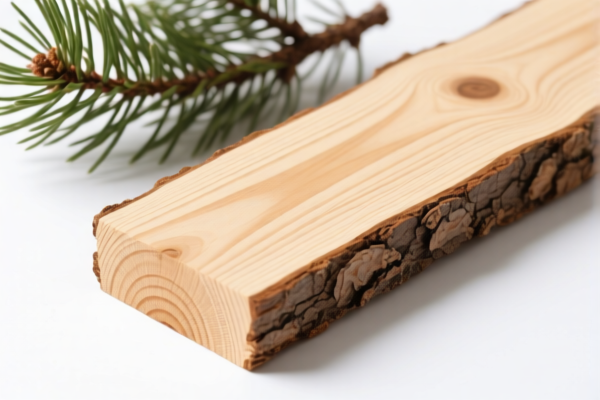
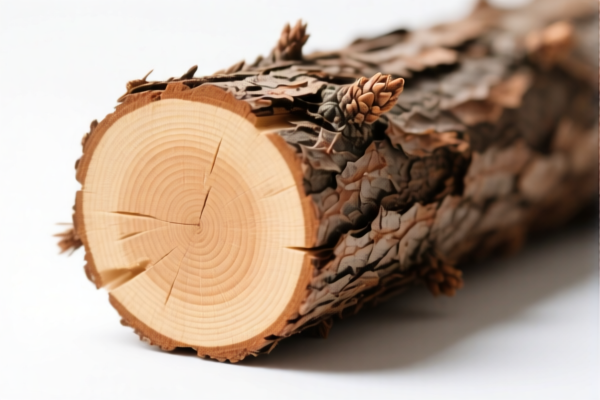
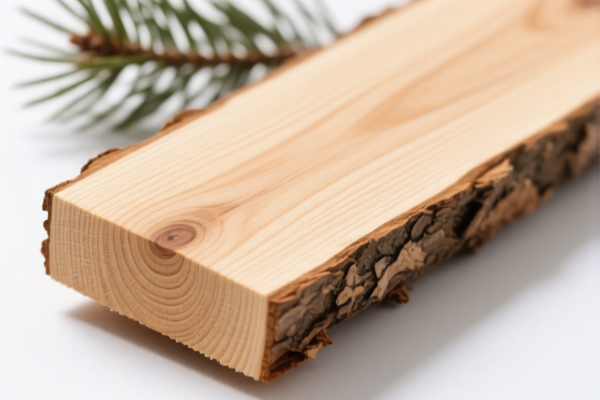
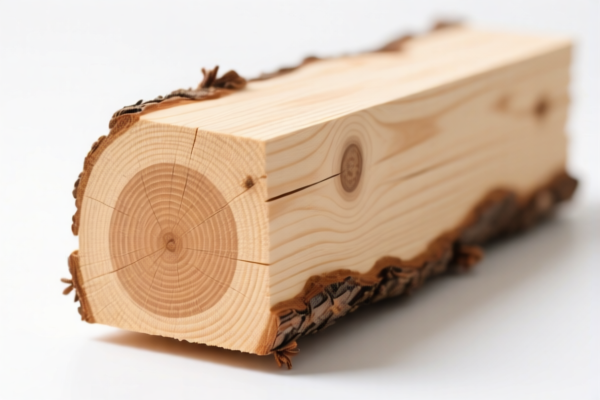
AI Analysis
🌲 Pine Timber (Unstripped or Roughly Squared)
🌐 HS Code Reference & Customs Clearance Guide | 2026 Latest Tariff Analysis | Professional Level Strategy
📌 I. Product Definition & Classification: Do You Really Understand "Pine Timber"?
Pine timber, specifically in its raw or semi-processed state, is a foundational commodity in global construction and woodworking industries. In international trade, it is categorized based on two critical factors: 1. Material Type: Is it Softwood (Coniferous) or Hardwood? (Pine is strictly Coniferous/Softwood). 2. Processing Degree: Is it merely unstripped (bark removed), roughly squared, or further processed into planks/lumber?
⚠️ Key Distinction Point:
- If the wood is unstripped or roughly squared (preserving a natural or primitive block shape), it falls under Chapter 44 headings 4403 (Wood in the rough) or 4404 (Charcoal/Wood rods).
- If it is sawn into regular shapes (planks, beams), it may fall under 4407 (Wood sawn lengthwise).
- Crucial Note for US Imports: All pine timber imported from China is subject to significant additional tariffs (Section 301 + Section 122), regardless of the specific subheading.
📦 II. HS Code Classification Details (2026 Latest Tariff Authority Mapping)
Based on the specific description "Unstripped or Roughly Squared", here are the 5 most relevant HS Codes and their precise applicability:
| HS Code | Product Description | Applicable Scenario | Key Feature Match |
|---|---|---|---|
4403.22.01.65 |
Wood, unconverted or simply sawn, of other coniferous species (Pine) | Most Accurate Match. For pine that is "roughly squared" or "notched." | ✅ Matches "Roughly Squared" & "Pine" |
4403.21.01.65 |
Wood, unconverted or simply sawn, of pine (Pinus spp.) | Direct Match. Specifically for Pinus species in rough/squared form. | ✅ No material or shape conflict |
4404.10.00.80 |
Charcoal; wood rods, roughly squared but not further manufactured | Specific Match for Rods/Piles. If the timber is in the form of rods, piles, or posts. | ✅ Matches "Rods, piles, posts" primitive processing |
4407.11.00.42 |
Wood sawn lengthwise, veneered sheets, of pine, thickness > 6mm | Match for Unstripped/Sawn. If the wood has been sawn but remains unstripped or roughly cut. | ✅ Matches "Unstripped or Roughly Cut" |
4404.10.00.90 |
Charcoal; wood rods, roughly squared, other | Fallback Match. For pine in rough square form not specified elsewhere. | ✅ Matches "Rough Wood" & "Non-specific Use" |
🔍 Focus Reminder:
-4403.22.01.65and4403.21.01.65are the standard classifications for "roughly squared" pine timber.
-4404codes apply if the timber is in the form of rods, stakes, or piles (primitive forms).
-4407.11.00.42applies if the wood has undergone some sawing but remains in a rough, unstripped state.
- All these codes incur the same total tax rate for US imports from China.
💰 III. 2026 Latest Tariff Rate Breakdown (Including Surtaxes & Policy Add-ons)
✅ Applicable Country: United States (US)
✅ Origin: China (CN)
✅ Effective Date: From Nov 10, 2025 (and subsequent imports)
🎯 1. 4403.22.01.65 & 4403.21.01.65 – Pine Timber (Roughly Squared)
| Item | Content |
|---|---|
| Base Duty Rate | 0.0% (ad valorem) |
| Section 301 Surcharge | +25.0% (USITC Footnote 9903.88.01) |
| Section 122 Surcharge | +10.0% (Targeting China) |
| Total Tax Rate | 35.0% |
| Tax Calculation | CIF Value × 35% |
| De Minimis Eligibility | ❌ Not Eligible (deny_de_minimis) |
| Legal Authority Path | IEEPA:9903.01.25 → IEEPA:9903.01.24 → USITC:4403.22.01.65 → FOOTNOTE:9903.88.01 |
📌 Explanation:
- The 25% is the standard Section 301 tariff for Chinese timber products.
- The 10% is an additional Section 122 tariff specifically targeting certain Chinese imports.
- Total 35% is a high barrier to entry. Cost planning must include this full amount.
🎯 2. 4404.10.00.80 & 4404.10.00.90 – Wood Rods/Piles (Primitive Form)
| Item | Content |
|---|---|
| Base Duty Rate | 0.0% |
| Section 301 Surcharge | +25.0% |
| Section 122 Surcharge | +10.0% |
| Total Tax Rate | 35.0% |
| Tax Calculation | CIF Value × 35% |
| De Minimis Eligibility | ❌ Not Eligible |
| Legal Authority Path | Same as above |
📌 Note:
- Even though these are "raw" forms (rods/piles), they are not exempt from surtaxes.
- The definition of "Roughly Squared" is strictly enforced; if the wood is planed or finished, it may shift to a different code, but the tariff risk remains similar.
🎯 3. 4407.11.00.42 – Pine Wood, Sawn but Unstripped
| Item | Content |
|---|---|
| Base Duty Rate | 0.0% |
| Section 301 Surcharge | +25.0% |
| Section 122 Surcharge | +10.0% |
| Total Tax Rate | 35.0% |
| Tax Calculation | CIF Value × 35% |
| De Minimis Eligibility | ❌ Not Eligible |
📌 Key Distinction:
- This code is for wood that has been sawn but remains unstripped (bark removed) or roughly cut.
- Do not confuse with "Sawn Lumber" (which might have different processing definitions). The "Rough" nature is key.
🛠️ IV. Customs Clearance Practical Advice (Battle-Tested Pitfall Avoidance)
✅ 1. Required Documentation Checklist (Non-negotiable)
| Document | Must Provide | Explanation |
|---|---|---|
| ✅ Product Specification Sheet | ✔️ | Must specify: Pine species (Pinus spp.), Dimensions, Moisture Content, Treatment (Heat Treated/Fumigated). |
| ✅ ISPM 15 Phytosanitary Certificate | ✔️ | Critical. Wood packaging and raw timber must be treated and marked to prevent pest spread. |
| ✅ Commercial Invoice | ✔️ | Clearly state: "Pine Timber, Unstripped/Roughly Squared, HS Code [Insert Code]." |
| ✅ Packing List | ✔️ | Detail the quantity, weight, and packaging type (e.g., bundles, pallets). |
| ✅ Bill of Lading | ✔️ | Standard shipping document. |
| ✅ Certificate of Origin (CO) | ✔️ | Required for proving Chinese origin (which triggers the 35% tax). |
⚠️ Critical Warning:
- Phytosanitary Compliance: Failure to provide a valid ISPM 15 certificate can result in immediate rejection, destruction, or re-export of the cargo at the importer's expense.
- Labeling: Ensure each piece or bundle is marked with the treatment stamp (e.g., "HT" for Heat Treated).
✅ 2. Declaration Tips (Key Mantra)
🔥 "Be Specific on 'Rough,' Declare Treatment, Avoid Ambiguity!"
| Scenario | Correct Declaration | Wrong Approach |
|---|---|---|
| Roughly Squared Pine | "Pine Timber, Roughly Squared, Heat Treated, HS 4403.22.01.65" | "Wood Lumber" → Too vague, high risk of audit. |
| Wood Rods/Piles | "Pine Wood Rods, Primitive Form, HS 4404.10.00.80" | "Raw Wood" → May trigger questions on intended use. |
| Unstripped/Sawn | "Pine Sawn Wood, Unstripped, Rough Cut, HS 4407.11.00.42" | "Pine Planks" → Implies finished lumber, leading to misclassification. |
| Treated vs. Untreated | Must declare Heat Treatment (HT) status | "Untreated" → May be rejected by US CBP/USDA. |
✅ 3. Special Circumstances Handling
| Situation | Handling Advice |
|---|---|
| Mixed Shipments (Pine + Other Woods) | Separate Declaration! Do not mix Pine with Hardwood. Pine must be clearly identified to apply the correct 4403/4404 code. |
| OEM Custom Sizes | Provide technical drawings. "Roughly Squared" allows for tolerance, but extreme deviations may be seen as "Sawn Lumber." |
| Treated Wood | Ensure the ISPM 15 mark is visible and matches the phytosanitary certificate. |
| Duty Drawback/Exemption? | ❌ None Available. Pine timber from China is fully subject to 35% tariffs. No de minimis exemption. |
🌍 V. Global Market Comparison (2026 Latest)
| Country/Region | Recommended HS Code | Tariff (China Origin) | Certification | Remarks |
|---|---|---|---|---|
| 🇺🇸 USA | 4403.22.01.65 etc. |
35% (Base 0% + 25% Sec 301 + 10% Sec 122) | ISPM 15, Phytosanitary | Highest barrier. Cost impact is severe. |
| 🇨🇳 China | 4403.22.01.65 |
5-10% (Import Duty) | None specific | Standard import rules. |
| 🇪🇺 EU | 4403.22.00 |
0% (Most Favored Nation) | FSC/PEFC (Voluntary), ISPM 15 | No punitive surtaxes, but strict environmental regulations. |
| 🇦🇺 Australia | 4403.22.00 |
5% | Biosecurity Permit | Strict biosecurity checks. |
📌 Conclusion:
- The USA is the most challenging market due to the cumulative 35% tariff burden.
- Cost-Benefit Analysis: Importers must calculate if the cost savings of Chinese pine outweigh the 35% tariff.
- Alternative Sources: Consider sourcing from Vietnam, Russia, or North America to avoid Section 301/122 tariffs, though supply chain stability must be assessed.
📌 VI. Common Mistakes & Pitfall Guide (Lessons Learned)
❌ Mistake 1: Declaring as "Lumber" or "Planks" when it is "Roughly Squared"
👉 Consequence: Misclassification risk. If deemed "processed," different codes may apply, but the tariff rate (35%) often remains similar, leading to delays in clearance.
❌ Mistake 2: Ignoring ISPM 15 Treatment
👉 Consequence: Cargo Rejected. The US Department of Agriculture (USDA) will block entry. You face destruction or re-export costs.
❌ Mistake 3: Vague Description: "Wood"
👉 Consequence: Customs may assign a higher default duty rate or initiate an anti-circumvention investigation.
❌ Mistake 4: Assuming De Minimis Exemption (Section 321)
👉 Consequence: Not Allowed. Timber is excluded from de minimis benefits. All shipments are subject to full duty and surtaxes.
✅ Correct Practice:
"Pine Timber (Pinus spp.), Roughly Squared, Heat Treated per ISPM 15, HS Code 4403.22.01.65, Origin China, Total Duty 35%"
🎯 VII. Conclusion: Professional Declaration, Risk Mitigation, Cost Control!
🎯 Remember the Mantra:
🔹 "Roughly Squared means 4403/4404, Sawn but Rough means 4407."
🔹 "35% Tax is Fixed, No De Minimis, ISPM 15 is Key!"
🔹 "HS Code Determines Tax, 35% Must Be Paid, Clearance Depends on Treatment!"
📌 Pro Tip:
If your pine timber is sourced from non-China countries (e.g., Canada, Russia), the Section 301/122 tariffs do not apply. The tariff may drop to 0-5%.
Recommendation:
📞 Contact a licensed customs broker + Provide ISPM 15 Certificate + Apply for Advance Ruling if unsure about "Roughly Squared" definition.
🚀 Ensure your supply chain is optimized to absorb or avoid the 35% tariff burden.
✨ Professional Clearance Starts with Precise Classification!
💼 Your Cost Structure Depends on Accurate HS Codes!
Customer Reviews
About HS Code Classification
The Harmonized System (HS) is an internationally standardized nomenclature developed by the World Customs Organization (WCO) to classify traded products. Over 200 countries use the HS system as the basis for customs tariffs, trade statistics, and import/export regulations.
Each HS code follows a hierarchical structure:
- Chapter (2 digits) — Broad category of goods (e.g., Chapter 84: Machinery and Mechanical Appliances)
- Heading (4 digits) — More specific grouping within the chapter
- Subheading (6 digits) — Internationally standardized breakdown, used by all WCO member countries
- National subdivisions (8-10 digits) — Country-specific extensions for further classification, such as US HTSUS 10-digit codes
Correct HS code classification is essential for smooth customs clearance, accurate duty payment, and compliance with trade regulations. Misclassification can lead to customs delays, overpayment of duties, or penalties.
When importing from CN to US, the applicable tariff rates may include:
- Most-Favored-Nation (MFN) rate — The standard duty rate applied to WTO members
- General rate — Applied to countries without trade agreements
- Trade remedy duties — Additional tariffs such as Section 301 (anti-dumping), Section 232 (national security), or countervailing duties
The information provided on this page is for reference purposes only. For official classification, please consult with your local customs authority or a licensed customs broker.