Plastic Gloves (Outdoor)
CN → US| HS Code | Tariff Rate | Origin | Destination | Doc |
|---|---|---|---|---|
| 3926204010 | 16.5% | CN | US | Official Doc |
| 3926201020 | 10.0% | CN | US | Official Doc |
| 6216000800 | 18.3% | CN | US | Official Doc |
| 6216000500 | 17.5% | CN | US | Official Doc |
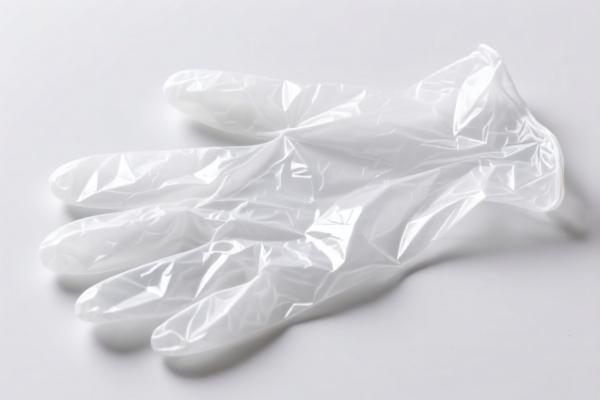
Product Images



AI Analysis
🧤 Plastic Gloves (Outdoor Use)
🌐 HS Code Reference & Customs Clearance Guide | 2026 Latest Tariff Analysis | Professional Clearance Strategy
📌 I. Product Definition & Classification: Do You Really Understand "Plastic Gloves"?
Plastic gloves are essential protective gear in outdoor activities, labor protection, and daily hygiene. However, in international trade, "plastic gloves" are not a single category. Their HS Code classification depends entirely on material structure, reusability, and specific design purpose.
Misclassification can lead to significant tax discrepancies (from 0% to 8.3%). This guide breaks down the exact classification for outdoor plastic gloves based on the provided data.
📦 II. HS Code Classification Details (2026 Latest Tariff Authority)
| HS Code | Product Description | Application Scenario | Key Classification Criteria |
|---|---|---|---|
| 3926.20.10.20 | Disposable Gloves (Seamless) | Lightweight outdoor rain gloves, disposable food handling, low-duty cleaning | ✅ Single-use, seamless plastic construction, not specially designed for high-impact sports |
| 3926.20.40.10 | Other Disposable Gloves | General-purpose outdoor utility gloves, disposable protective wear | ✅ Single-use, non-seamless or other plastic material, not sports-specific |
| 6216.00.05.00 | Ice Hockey & Field Hockey Gloves | NOT applicable for general outdoor plastic gloves. These are specialized textile/plastic composite gloves for specific sports. | ❌ Exclude: Specific sports equipment, not general plastic utility gloves |
| 6216.00.08.00 | Other Sports Gloves (Ski/Snowmobile) | Outdoor gloves specifically designed for skiing or snowmobiling | ❌ Exclude: Unless specifically designed for winter sports like skiing/snowmobiling, general "outdoor plastic gloves" do not fall here. Note: This code is for textiles/rubber/plastics used in sports. |
🔍 Critical Distinction for "Outdoor Plastic Gloves":
- If the gloves are disposable (single-use), they fall under Chapter 39 (Plastics).
- If the gloves are reusable and made of impregnated/coated textile/plastic, they fall under Chapter 62 (Articles of Apparel).
- Most common "Plastic Gloves" sold online for outdoor cleaning/rain protection are Disposable (Chapter 39).
💰 III. 2026 Latest Tariff Rate Details (Including Additional Taxes)
✅ Applicable Country: United States (US)
✅ Origin: China (CN)
✅ Effective Date: Current as of 2026
🎯 1. 3926.20.10.20 – Disposable Gloves (Seamless)
| Item | Content |
|---|---|
| Base Tariff | 0.0% |
| Additional Tariff (Section 301/USITC) | 0.0% |
| Total Tariff Rate | 0.0% |
| Tax Calculation | CIF Value × 0% = $0 |
| De Minimis Eligibility | ✅ Yes (If value < $800, no duty paid) |
| Legal Basis | HTSUS: 3926.20.10.20 |
📌 Explanation:
- This is the most cost-effective classification for disposable plastic gloves.
- No additional tariffs apply, making it highly competitive for small-value shipments (e.g., de minimis entries).
- Ideal for lightweight, single-use outdoor rain or cleaning gloves.
🎯 2. 3926.20.40.10 – Other Disposable Gloves
| Item | Content |
|---|---|
| Base Tariff | 6.5% |
| Additional Tariff (Section 301/USITC) | 0.0% |
| Total Tariff Rate | 6.5% |
| Tax Calculation | CIF Value × 6.5% |
| De Minimis Eligibility | ✅ Yes (If value < $800, no duty paid) |
| Legal Basis | HTSUS: 3926.20.40.10 |
📌 Explanation:
- Applies to non-seamless or other types of disposable plastic gloves.
- While base tariff is 6.5%, no additional Section 301 tariffs apply.
- Still eligible for de minimis exemption for small packages.
🎯 3. 6216.00.05.00 – Ice Hockey & Field Hockey Gloves
(Not recommended for general outdoor plastic gloves)
| Item | Content |
|---|---|
| Base Tariff | 0.0% |
| Additional Tariff (Section 301/USITC) | 7.5% |
| Total Tariff Rate | 7.5% |
| Tax Calculation | CIF Value × 7.5% |
| De Minimis Eligibility | ❌ No (Subject to strict scrutiny) |
| Legal Basis | HTSUS: 6216.00.05.00 |
⚠️ Warning:
- Only use if the gloves are specifically designed for ice/field hockey (textile base with plastic/rubber coating).
- General outdoor plastic gloves (e.g., rain gloves, cleaning gloves) should NOT be classified here. Misclassification leads to audits.
🎯 4. 6216.00.08.00 – Other Sports Gloves (Ski/Snowmobile)
(Not recommended for general outdoor plastic gloves)
| Item | Content |
|---|---|
| Base Tariff | 0.8% |
| Additional Tariff (Section 301/USITC) | 7.5% |
| Total Tariff Rate | 8.3% |
| Tax Calculation | CIF Value × 8.3% |
| De Minimis Eligibility | ❌ No (Subject to strict scrutiny) |
| Legal Basis | HTSUS: 6216.00.08.00 |
⚠️ Warning:
- Only for gloves specially designed for skiing or snowmobiling.
- If your product is a general-purpose outdoor glove, do not use this code. It attracts higher scrutiny and additional tariffs.
🛠️ IV. Customs Clearance Practical Advice (Real-World Pitfall Avoidance)
✅ 1. Prepare the Following Documents (All Required)
| Document | Mandatory | Notes |
|---|---|---|
| ✅ Product Specification Sheet | ✔️ | Must specify: Material (e.g., PE, PVC, Nitrile), Reusability (Disposable/Reusable), Thickness, Size |
| ✅ Product Photos | ✔️ | Clear images showing seamless construction, packaging, and usage context |
| ✅ Commercial Invoice | ✔️ | Must clearly state "Disposable Plastic Gloves" or "Non-Sports Plastic Gloves" |
| ✅ Packing List | ✔️ | List quantity, weight, and dimensions |
| ✅ Origin Certificate | ✔️ | Required for tariff calculation (US vs. CN origin) |
✅ 2. Declaration Tips (Key Mnemonics)
🔥 "Disposable = Ch39, Sports = Ch62, Name Must Be Precise!"
| Scenario | Correct Declaration | Wrong Practice |
|---|---|---|
| Disposable Plastic Gloves | 3926.20.10.20 or 3926.20.40.10 |
Calling them "Hockey Gloves" → 7.5%-8.3% + Audit Risk |
| Reusable Outdoor Gloves | 6216.00.08.00 (if sports) or other Ch62 |
Calling them "Disposable" → Misclassification |
| Mixed Package (Gloves + Tools) | Separate lines for gloves | Combining with tools → Complex tariff calculation |
| Small Value (<$800) | Use De Minimis | Over-declaring value → Unnecessary taxes |
✅ 3. Special Case Handling
| Case | Handling Advice |
|---|---|
| OEM Custom Gloves | Provide client order + design specs to avoid "unknown origin" flags |
| Gloves with Brand Logo | Ensure trademark is registered in the US to avoid IP seizure |
| Gloves for Medical Use | If intended for medical use, may require FDA registration, even if labeled "Outdoor" |
| Gloves for Skiing | Must provide evidence of ski/snowmobile design (e.g., waterproofing, insulation specs) to use 6216.00.08.00 |
🌍 V. Global Market Comparison (2026 Latest)
| Country/Region | Recommended HS Code | Tariff (China Origin) | Certification | Notes |
|---|---|---|---|---|
| 🇺🇸 United States | 3926.20.10.20 (Disposable) |
0.0% | None required | Best for cost-saving |
| 🇨🇳 China | 3926.20.10.20 |
0.0% | CCC (if applicable) | No additional tariffs |
| 🇪🇺 EU | 3926.20.90 |
6.5% | CE (if safety gear) | No Section 301 equivalent |
| 🇯🇵 Japan | 3926.20.90 |
6.0% | PSE (if electrical) | Standard tariff |
📌 Conclusion:
- US is the most favorable market for disposable plastic gloves due to 0% tariff.
- EU and Japan charge standard tariffs (~6-6.5%).
- Avoid Ch62 codes unless the product is specifically designed for sports, as they attract 7.5%-8.3% additional tariffs in the US.
📌 VI. Common Errors & Pitfall Avoidance (Lessons Learned)
❌ Error 1: Calling disposable plastic gloves "Hockey Gloves"
👉 Consequence: Incorrect classification → 7.5% tax + potential audit
✅ Correct: Declare as "Disposable Plastic Gloves"
❌ Error 2: Declaring reusable outdoor gloves as "Disposable"
👉 Consequence: Customs may reject declaration → Delays
✅ Correct: Specify "Reusable" if applicable
❌ Error 3: Using vague descriptions like "Plastic Items"
👉 Consequence: Customs assigns higher default tariff → 10%+
✅ Correct: Use precise HS Code 3926.20.10.20 or 3926.20.40.10
❌ Error 4: Ignoring "Seamless" vs. "Non-Seamless" distinction
👉 Consequence: Misclassification between 3926.20.10.20 (0%) and 3926.20.40.10 (6.5%)
✅ Correct: Verify manufacturing process (seamless = lower tax)
🎯 VII. Conclusion: Professional Declaration, Save Costs, Ensure Compliance
🎯 Remember the Mnemonic:
🔹 "Disposable = Ch39, 0-6.5% Tax, Seamless is Best!"
🔹 "Sports Gloves = Ch62, 7.5-8.3% Tax, Use with Caution!"
🔹 "Name It Right, Pay Less, Clear Faster!"
📌 Pro Tip:
If your disposable plastic gloves are under $800 per shipment, you can often enter under De Minimis rules, paying $0 in duties.
For larger shipments, 3926.20.10.20 offers the lowest possible tariff (0%).
📣 Immediate Action:
📞 Consult a Customs Broker + Provide Product Photos + Apply for Advance Ruling if unsure
🚀 Maximize Profit, Minimize Risk, Ensure Smooth Clearance!
✨ Professional Clearance Starts with Accurate Classification!
💼 Every Dollar Saved is a Dollar Earned!
Customer Reviews
About HS Code Classification
The Harmonized System (HS) is an internationally standardized nomenclature developed by the World Customs Organization (WCO) to classify traded products. Over 200 countries use the HS system as the basis for customs tariffs, trade statistics, and import/export regulations.
Each HS code follows a hierarchical structure:
- Chapter (2 digits) — Broad category of goods (e.g., Chapter 84: Machinery and Mechanical Appliances)
- Heading (4 digits) — More specific grouping within the chapter
- Subheading (6 digits) — Internationally standardized breakdown, used by all WCO member countries
- National subdivisions (8-10 digits) — Country-specific extensions for further classification, such as US HTSUS 10-digit codes
Correct HS code classification is essential for smooth customs clearance, accurate duty payment, and compliance with trade regulations. Misclassification can lead to customs delays, overpayment of duties, or penalties.
When importing from CN to US, the applicable tariff rates may include:
- Most-Favored-Nation (MFN) rate — The standard duty rate applied to WTO members
- General rate — Applied to countries without trade agreements
- Trade remedy duties — Additional tariffs such as Section 301 (anti-dumping), Section 232 (national security), or countervailing duties
The information provided on this page is for reference purposes only. For official classification, please consult with your local customs authority or a licensed customs broker.