Plastic Hot Water Bottles (Thickened)
CN → US| HS Code | Tariff Rate | Origin | Destination | Doc |
|---|---|---|---|---|
| 3924905650 | 20.9% | CN | US | Official Doc |
| 3924905610 | 20.9% | CN | US | Official Doc |
Product Images
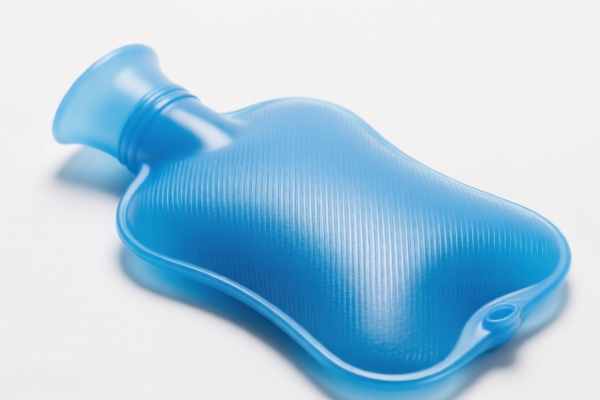
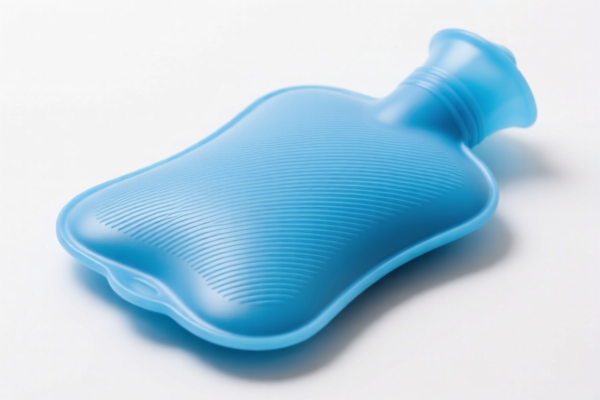
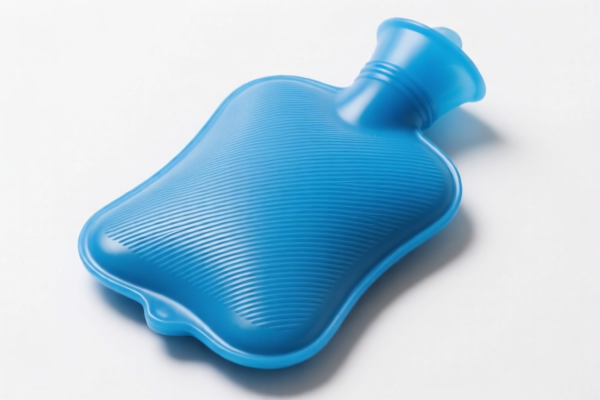
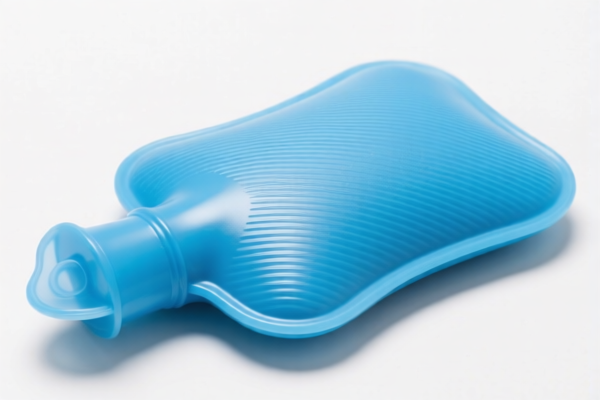
AI Analysis
💧 Plastic Hot Water Bottles (Thickened)
🌐 HS Code Reference & Customs Clearance Guide | 2026 Latest Tariff Analysis | Professional Clearance Strategy
📌 I. Product Definition & Classification: Do You Really Understand "Plastic Household Articles"?
Plastic Hot Water Bottles (especially thickened variants) are essential household items for heating, massage, or storage of hot liquids. In international trade, they fall under Chapter 39: Plastics and Articles Thereof. Specifically, they are classified as "Tableware, kitchenware, other household articles... of plastics."
The critical distinction lies in the specific function of the article: 1. General Household Plastic Bottles/Containers: Used for hot water, storage, or general utility → Classified under 3924.90.56. 2. Security Devices (Gates/Cages): If the product is specifically designed as a "Gate for confining children or pets" (e.g., a specialized containment cage with plastic components) → Classified under 3924.90.56.10.
⚠️ Key Distinction:
- If the item is a hot water bottle (even if thickened/industrial grade) → It is a "Household Article" → 3924.90.56.50
- If the item is a safety gate/cage made of plastic, used to confine children or pets → It is a "Confining Gate" → 3924.90.56.10
- Most "Plastic Hot Water Bottles" fall under the "Other Household Articles" category (.50), NOT the "Gate" category (.10), unless specifically marketed as a containment device.
📦 II. HS Code Classification Details (2026 Latest Tariff Authority)
Based on the provided data, here is the precise classification for Plastic Hot Water Bottles:
| HS Code | Product Description | Application Scenario | Tariff Impact |
|---|---|---|---|
3924.90.56.50 |
Other: Other (General Plastic Household Articles) |
Standard plastic hot water bottles, thickened heating pads, plastic storage containers for hot liquids. | 10.9% (Base 3.4% + Additional 7.5%) |
3924.90.56.10 |
Other: Other Gates for confining children or pets | Plastic safety gates, pet enclosures, child-proof barriers. | 0.0% (Base 0.0% + Additional 0.0%) |
🔍 Critical Reminder:
- Do NOT misclassify a hot water bottle as a "Gate" (3924.90.56.10) just to save tax. Customs will reject this as a false declaration because a hot water bottle does not function as a confining gate.
- Correct Classification: For standard plastic hot water bottles (even thickened ones), the correct code is3924.90.56.50.
- Tax Liability: You MUST pay the 10.9% total tariff for3924.90.56.50.
💰 III. 2026 Latest Tariff Rate Breakdown (Including Additional Taxes)
✅ Applicable Country: United States (US)
✅ Country of Origin: China (CN)
✅ Effective Time: Current (2026)
🎯 1. 3924.90.56.50 —— Plastic Hot Water Bottles (General Household)
| Item | Content |
|---|---|
| Base Tariff Rate | 3.4% (ad valorem) |
| Additional Tariff (Section 301) | +7.5% (List 4B / Current applicable rate for plastic household goods) |
| Total Tariff Rate | 10.9% |
| Tax Calculation | CIF Value × 10.9% |
| De Minimis Eligibility | ❌ No (Deny de minimis for Section 301 goods above $800 if specifically targeted, but generally, Section 301 tariffs apply regardless of de minimis if declared properly. Note: Current rules may vary by enforcement, but 10.9% is the statutory rate.) |
| Legal Basis | HTSUS: 3924.90.56.50 → Section 301 Footnote |
📌 Explanation:
- The 3.4% is the standard Most Favored Nation (MFN) rate for plastic household articles.
- The 7.5% is the Section 301 additional tariff applied to Chinese-made plastic goods.
- Total 10.9% is mandatory and cannot be avoided by simple misclassification.
🎯 2. 3924.90.56.10 —— Gates for Confining Children or Pets (For Comparison)
| Item | Content |
|---|---|
| Base Tariff Rate | 0.0% |
| Additional Tariff | 0.0% |
| Total Tariff Rate | 0.0% |
| Tax Calculation | CIF Value × 0.0% |
| De Minimis Eligibility | ✅ Yes (If under $800, and no Section 301 applies) |
| Legal Basis | HTSUS: 3924.90.56.10 |
📌 Note:
- This code is NOT for hot water bottles.
- Using this code for hot water bottles is fraudulent and risks severe penalties.
🛠️ IV. Customs Clearance Practical Advice (Real-World Pitfall Avoidance)
✅ 1. Documentation Checklist (Non-negotiable)
| Document | Required | Explanation |
|---|---|---|
| ✅ Product Specifications | ✔️ | Material (e.g., PVC, TPR, PE), Wall Thickness (e.g., "Thickened"), Capacity, Temperature Range. |
| ✅ Product Photos | ✔️ | Clear images of the bottle, valve, and any branding. Show it is a bottle, not a gate. |
| ✅ Commercial Invoice | ✔️ | Must clearly state "Plastic Hot Water Bottle, Thickened" and HS Code 3924.90.56.50. |
| ✅ Packing List | ✔️ | Weight and dimensions of each unit. |
| ✅ Certificate of Origin | ✔️ | To prove country of origin (China). |
✅ 2. Declaration Tips (Key Mantra)
🔥 "Function Defines Code, Not Material Alone! Be Honest, Pay 10.9%, Avoid Fines!"
| Scenario | Correct Declaration | Wrong Practice | Consequence |
|---|---|---|---|
| Standard Plastic Hot Water Bottle | HS: 3924.90.56.50Desc: "Plastic Hot Water Bottle" |
HS: 3924.90.56.10Desc: "Plastic Container" |
10.9% Tax Due If misclassified as 0%, customs will assess back-taxes + penalties. |
| Thickened Industrial Heating Pad | HS: 3924.90.56.50 |
HS: 3924.90.56.10 |
10.9% Tax Due |
| Plastic Safety Gate | HS: 3924.90.56.10 |
HS: 3924.90.56.50 |
Overpaid Tax (Inefficient, but legal) |
✅ 3. Special Cases
| Scenario | Handling Advice |
|---|---|
| Set with Cover/Cage? | If sold as a "Hot Water Bottle with Protective Plastic Cage," still classify the bottle as 3924.90.56.50 unless the cage is the primary function. If it's a safety gate, use 3924.90.56.10. |
| Thickened Material? | "Thickened" is a marketing term. It does not change the HS code. It remains 3924.90.56.50. |
| Different Plastic Types? | PVC, TPR, PE, etc., all fall under 3924 if they are household articles. |
🌍 V. Global Market Comparison (2026)
| Country/Region | Recommended HS Code | Tariff Rate | Certification Required | Notes |
|---|---|---|---|---|
| 🇺🇸 USA | 3924.90.56.50 |
10.9% (3.4% Base + 7.5% 301) | None specific for plastic, but must comply with CPSIA if for children. | High Tariff. No duty-free options for China origin. |
| 🇨🇳 China | 3924.90.56.50 |
5% (Import Duty) | CCC (if applicable) | Standard import duty. |
| 🇪🇺 EU | 3924.90.56 |
4.5% (Standard) | REACH, LFGB (Food Contact) | No Section 301 equivalent. |
| 🇬🇧 UK | 3924.90.56 |
4.5% | UKCA Mark | Post-Brexit rules apply. |
| 🇦🇺 Australia | 3924.90.56 |
5% | Australian Standards | No major tariffs for China (if no anti-dumping). |
📌 Conclusion:
- USA is the most expensive market for plastic hot water bottles from China due to the 7.5% Section 301 tariff.
- No legal loophole exists to reduce this to 0% unless the product is reclassified as a "Gate" (which is illegal for hot water bottles) or originated from a different country.
📌 VI. Common Mistakes & Pitfalls (Lessons Learned)
❌ Mistake 1: Declaring Hot Water Bottles as "Gates for Confining Children" (3924.90.56.10) to pay 0% tax.
👉 Consequence: Customs inspection will reveal the item is a bottle. Seizure, fines, and possible fraud charges.
❌ Mistake 2: Ignoring the "Thickened" aspect and using a different code for "Plastic Tanks."
👉 Consequence: Misclassification leads to delays and potential audits.
❌ Mistake 3: Not declaring the material (PVC/TPR).
👉 Consequence: Customs may request additional documentation, delaying clearance.
✅ Correct Approach:
"Plastic Hot Water Bottle, Thickened, 2L Capacity, Material: TPR, For Household Use, Model: XYZ, Origin: China"
🎯 VII. Conclusion: Professional Declaration, Cost Optimization!
🎯 Remember the Mantra:
🔹 "Hot Water Bottle = Household Article = 10.9% Tax"
🔹 "Gate = 0% Tax (But Only for Gates!)"
🔹 "Don't Cheat Customs, Pay the 10.9%, Sleep Well!"
📌 Pro Tip:
If you are importing into the USA, consider cost-benefit analysis for pricing. The 10.9% tariff is significant. Ensure your profit margin can absorb this cost.
For non-US markets, the tariff is much lower (4.5-5%), making these products highly competitive.
📣 Immediate Action:
📞 Verify HS Code: Confirm with your customs broker that
3924.90.56.50is correct for your specific product design.
🚀 Prepare Documentation: Ensure your invoice clearly states "Plastic Hot Water Bottle" to avoid misclassification flags.
✨ Professional Clearance Starts with Accurate Classification!
💼 Your Cost Savings Are Worth the Precision!
Customer Reviews
About HS Code Classification
The Harmonized System (HS) is an internationally standardized nomenclature developed by the World Customs Organization (WCO) to classify traded products. Over 200 countries use the HS system as the basis for customs tariffs, trade statistics, and import/export regulations.
Each HS code follows a hierarchical structure:
- Chapter (2 digits) — Broad category of goods (e.g., Chapter 84: Machinery and Mechanical Appliances)
- Heading (4 digits) — More specific grouping within the chapter
- Subheading (6 digits) — Internationally standardized breakdown, used by all WCO member countries
- National subdivisions (8-10 digits) — Country-specific extensions for further classification, such as US HTSUS 10-digit codes
Correct HS code classification is essential for smooth customs clearance, accurate duty payment, and compliance with trade regulations. Misclassification can lead to customs delays, overpayment of duties, or penalties.
When importing from CN to US, the applicable tariff rates may include:
- Most-Favored-Nation (MFN) rate — The standard duty rate applied to WTO members
- General rate — Applied to countries without trade agreements
- Trade remedy duties — Additional tariffs such as Section 301 (anti-dumping), Section 232 (national security), or countervailing duties
The information provided on this page is for reference purposes only. For official classification, please consult with your local customs authority or a licensed customs broker.