Plastic Paper Composite Bag Container
CN → US| HS Code | Tariff Rate | Origin | Destination | Doc |
|---|---|---|---|---|
| 4819504040 | 35.0% | CN | US | Official Doc |
| 4819400040 | 35.0% | CN | US | Official Doc |
| 3923210095 | 38.0% | CN | US | Official Doc |
| 3923290000 | 38.0% | CN | US | Official Doc |
| 4202991000 | 38.4% | CN | US | Official Doc |
Product Images
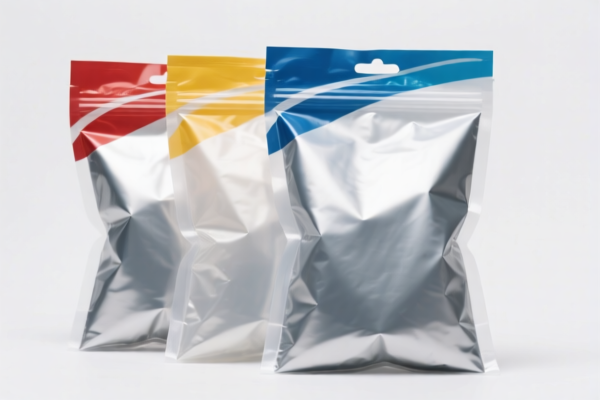
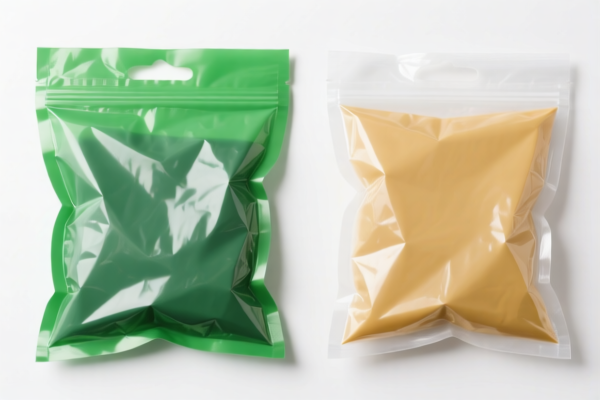
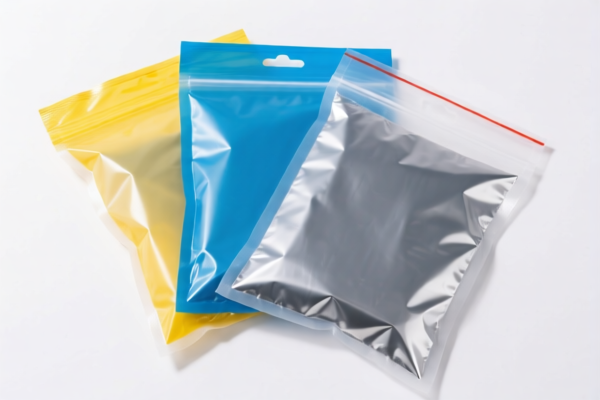
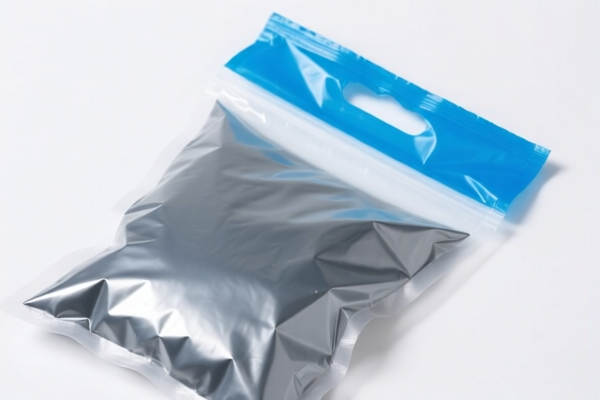
AI Analysis
📦 Plastic Paper Composite Bag Container
🌐 HS Code Reference & Customs Clearance Guide | 2024-2025 Latest Tariff Analysis | Professional Clearance Strategy
📌 I. Product Definition & Classification: What Exactly Is a "Plastic Paper Composite Bag"?
A Plastic Paper Composite Bag Container is a packaging unit made by laminating or combining plastic layers (e.g., polyethylene, polypropylene) with paper or cellulose layers. In international trade, classification hinges on material composition, primary function, and structural form.
⚠️ Key Distinction:
- If the plastic layer is the essential character (e.g., waterproofing, sealing integrity) → Often classified under Chapter 39 (Plastics).
- If the paper layer defines the structure or primary use (e.g., rigid form, printed packaging) → Often classified under Chapter 48 (Paper/Paperboard) or Chapter 42 (Leather goods/containers).
📊 II. HS Code Classification Details (Based on Provided Data)
| HS Code | Product Description | Key Classification Logic | Total Tax Rate |
|---|---|---|---|
4819.50.40.40 |
Composite bags/containers, classified as packaging containers under other headings. | Emphasizes packaging container function; plastic-paper composite treated as a packaging item under Chapter 48. | 35.0% |
4819.40.00.40 |
Plastic-paper composite bags; material aligns with paper/cellulose composite; form is bags/containers. | Focuses on paper/cellulose composite material; bag format triggers Chapter 48 classification. | 35.0% |
3923.21.00.95 |
Plastic-paper composite bags; plastic is the defining material; shape fits ethylene polymer sacks/bags. | Plastic-dominant; categorized as plastic sacks/bags under Chapter 39 (ethylene polymers). | 38.0% |
3923.29.00.00 |
Plastic-paper composite bags; plastic material; bag form; used for packaging supplies. | Plastic material; bag form; general plastic packaging category under Chapter 39. | 38.0% |
4202.99.10.00 |
Plastic-paper composite containers (bag-type); includes paper layer; classified as general containers. | General container category; includes paper/plastic mix; falls under Chapter 42 (other made-up articles). | 38.4% |
🔍 Critical Note:
- Chapters 39 vs. 48: The choice between3923.xxxx(Plastics) and4819.xxxx(Paper) depends on which material provides the essential character.
- Chapter 42:4202.99.10.00is a broader "other containers" category, often used when the item doesn’t fit neatly into plastic-only or paper-only definitions.
💰 III. 2024-2025 Tariff Rate Breakdown (Including Surtaxes & Policy Add-ons)
✅ Applicable Country: United States (US)
✅ Origin: China (CN)
✅ Effective Time: Current rates as of 2024-2025 (including Section 301 and IEEPA surcharges)
🎯 1. HS Codes 4819.50.40.40 & 4819.40.00.40 (Paper-Dominant Classification)
| Item | Detail |
|---|---|
| Base Tariff | 0.0% (ad valorem) |
| Section 301 Surtax | +25.0% (USITC Footnote 9903.88.01) |
| IEEPA Surtax | +10.0% (China-origin products under IEEPA Order 10995) |
| Total Effective Rate | 35.0% |
| Tax Calculation | CIF Value × 35% |
| De Minimis Exemption | ❌ Not Eligible (Section 301/IEEPA items excluded) |
| Legal Path | IEEPA:9903.01.25 → USITC:4819.50.40.40 → FOOTNOTE:9903.88.01 |
📌 Explanation:
- Even though the base tariff is 0%, the Section 301 surcharge (25%) and IEEPA surcharge (10%) push the total to 35%.
- These surcharges apply to all China-origin goods under these HS codes, regardless of base rate.
🎯 2. HS Codes 3923.21.00.95 & 3923.29.00.00 (Plastic-Dominant Classification)
| Item | Detail |
|---|---|
| Base Tariff | 3.0% (ad valorem) |
| Section 301 Surtax | +25.0% |
| IEEPA Surtax | +10.0% |
| Total Effective Rate | 38.0% |
| Tax Calculation | CIF Value × 38% |
| De Minimis Exemption | ❌ Not Eligible |
| Legal Path | IEEPA:9903.01.25 → USITC:3923.21.00.95 → FOOTNOTE:9903.88.01 |
📌 Explanation:
- Base tariff of 3% applies to plastic packaging bags/sacks.
- Plus 25% Section 301 and 10% IEEPA = 38% total.
- Plastic-based classification is 3% more expensive than paper-based due to higher base rates.
🎯 3. HS Code 4202.99.10.00 (General Container Classification)
| Item | Detail |
|---|---|
| Base Tariff | 3.4% (ad valorem) |
| Section 301 Surtax | +25.0% |
| IEEPA Surtax | +10.0% |
| Total Effective Rate | 38.4% |
| Tax Calculation | CIF Value × 38.4% |
| De Minimis Exemption | ❌ Not Eligible |
| Legal Path | IEEPA:9903.01.25 → USITC:4202.99.10.00 → FOOTNOTE:9903.88.01 |
📌 Explanation:
- Base tariff of 3.4% is slightly higher than plastic-only classification.
- Total rate: 38.4%, making this the most expensive option.
- Use this only if the item cannot be clearly classified as plastic or paper-dominant.
🛠️ IV. Customs Clearance Practical Advice (Avoiding Pitfalls)
✅ 1. Required Documentation Checklist (Mandatory)
| Document | Required? | Notes |
|---|---|---|
| ✅ Product Specification Sheet | ✔️ | Must detail layer composition (e.g., "3 layers: PE/Paper/PE") |
| ✅ Material Composition Report | ✔️ | Proof of plastic vs. paper percentage by weight |
| ✅ Product Photos (Labeled) | ✔️ | Show bag structure, seams, printing, and any plastic lining |
| ✅ Commercial Invoice | ✔️ | Clearly state "Plastic-Paper Composite Bag" |
| ✅ Packing List | ✔️ | Itemize quantities, weights, and dimensions |
| ✅ Certificate of Origin (CO) | ✔️ | Confirm China origin to apply surcharges accurately |
| ✅ Third-Party Test Report | ✔️ | Optional but helpful for material verification |
✅ 2. Declaration Tips (Golden Rules)
🔥 "Declare by Material Dominance, Not Just Shape!"
| Scenario | Correct HS Code | Wrong HS Code | Consequence |
|---|---|---|---|
| Plastic-lined paper bag (plastic >50% by weight/function) | 3923.21.00.95 or 3923.29.00.00 |
4819.40.00.40 |
Underpayment risk if audited |
| Paper bag with thin plastic coating (paper dominates structure) | 4819.40.00.40 or 4819.50.40.40 |
3923.21.00.95 |
Overpayment risk |
| Mixed-use bag (no clear dominance) | 4202.99.10.00 |
Either 39 or 48 | Higher rate (38.4%) |
| Empty vs. Filled | Same HS code | N/A | Tax applies to CIF value regardless |
✅ 3. Special Cases & Handling
| Scenario | Recommendation |
|---|---|
| Custom Printed Bags | Provide design files to prove paper layer is for branding, not structure |
| Recycled Paper Component | Still subject to surcharges; no duty reduction for recycled content |
| OEM/Private Label | Supplier’s HS code prevails; ensure consistency with factory documentation |
| Mixed Shipments | Declare each HS code separately; do not average rates |
🌍 V. Global Market Comparison (2024-2025)
| Country/Region | Recommended HS Code | Effective Tax Rate | Notes |
|---|---|---|---|
| 🇺🇸 USA | 3923.29.00.00 or 4819.40.00.40 |
35%-38.4% | High surcharges due to Section 301 & IEEPA |
| 🇨🇳 China | 3923.29.00.00 |
~5-10% | No surcharges; base rate applies |
| 🇪🇺 EU | 3923.29.00.00 |
~0-2% | Low base tariff; no China surcharges |
| 🇯🇵 Japan | 3923.29.00.00 |
~0-3% | Minimal tariffs; CE-like certifications may apply |
| 🇦🇺 Australia | 3923.29.00.00 |
~5% | No surcharges; standard MFN rates |
📌 Key Insight:
- USA is the most expensive market due to Section 301 (25%) and IEEPA (10%) surcharges.
- EU, Japan, and Australia offer significantly lower costs for the same products.
- Consider supply chain diversification (e.g., Vietnam, Mexico) to avoid US surcharges.
📌 VI. Common Mistakes & Pitfalls (Lessons Learned)
❌ Mistake 1: Classifying a plastic-heavy bag as paper-based (4819.xxxx)
👉 Result: Underpayment → Audit risk, penalties, and back taxes.
❌ Mistake 2: Ignoring Section 301 surcharges on plastic items
👉 Result: Unexpected 25% tax increase → Profit margin erosion.
❌ Mistake 3: Using generic descriptions ("Bag") on invoices
👉 Result: Customs delay, additional scrutiny, and potential reclassification.
❌ Mistake 4: Assuming de minimis exemption applies
👉 Result: No exemption for Section 301/IEEPA items → Full tax liability.
✅ Best Practice:
"Plastic-Paper Composite Bag, PE Outer Layer, Paper Core, 10x15 Inches, Empty, Printed, China Origin"
🎯 VII. Conclusion: Precise Classification Saves Money!
🎯 Remember the Golden Rule:
🔹 "Material Dominance Determines HS Code"
🔹 "Plastic Doms = Chapter 39 (38%) | Paper Doms = Chapter 48 (35%)"
🔹 "USA Surcharges Are Unavoidable for China-Origin"
📌 Pro Tip:
- If your composite bag has >50% plastic by weight/function → Use 3923.29.00.00 (38%).
- If paper dominates → Use 4819.40.00.40 (35%).
- Unclear? → Use 4202.99.10.00 (38.4%) but justify with documentation.
📣 Immediate Action:
📞 Consult a Customs Broker + Provide Material Test Reports + Apply for Pre-Ruling (if possible)
🚀 Optimize Your Supply Chain to reduce US duty exposure!
✨ Professional Clearance Starts with Accurate Classification!
💼 Every Percentage Point Saved Is Pure Profit!
Customer Reviews
About HS Code Classification
The Harmonized System (HS) is an internationally standardized nomenclature developed by the World Customs Organization (WCO) to classify traded products. Over 200 countries use the HS system as the basis for customs tariffs, trade statistics, and import/export regulations.
Each HS code follows a hierarchical structure:
- Chapter (2 digits) — Broad category of goods (e.g., Chapter 84: Machinery and Mechanical Appliances)
- Heading (4 digits) — More specific grouping within the chapter
- Subheading (6 digits) — Internationally standardized breakdown, used by all WCO member countries
- National subdivisions (8-10 digits) — Country-specific extensions for further classification, such as US HTSUS 10-digit codes
Correct HS code classification is essential for smooth customs clearance, accurate duty payment, and compliance with trade regulations. Misclassification can lead to customs delays, overpayment of duties, or penalties.
When importing from CN to US, the applicable tariff rates may include:
- Most-Favored-Nation (MFN) rate — The standard duty rate applied to WTO members
- General rate — Applied to countries without trade agreements
- Trade remedy duties — Additional tariffs such as Section 301 (anti-dumping), Section 232 (national security), or countervailing duties
The information provided on this page is for reference purposes only. For official classification, please consult with your local customs authority or a licensed customs broker.