Plastic Raw Materials (HS 3909200000)
CN → US| HS Code | Tariff Rate | Origin | Destination | Doc |
|---|---|---|---|---|
| 3924905650 | 20.9% | CN | US | Official Doc |
| 3924104000 | 13.4% | CN | US | Official Doc |
| 3923109000 | 38.0% | CN | US | Official Doc |
| 3923900080 | 38.0% | CN | US | Official Doc |
| 3402311000 | 41.5% | CN | US | Official Doc |
Product Images
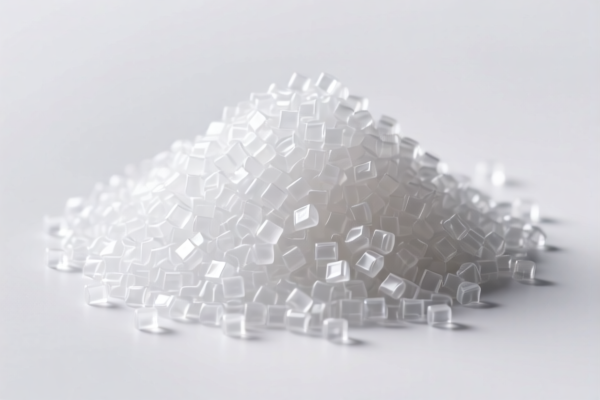

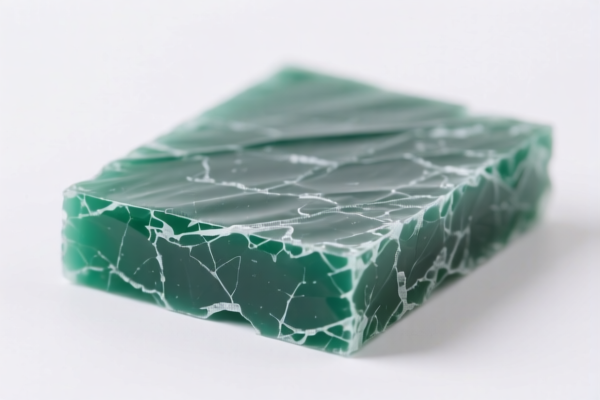
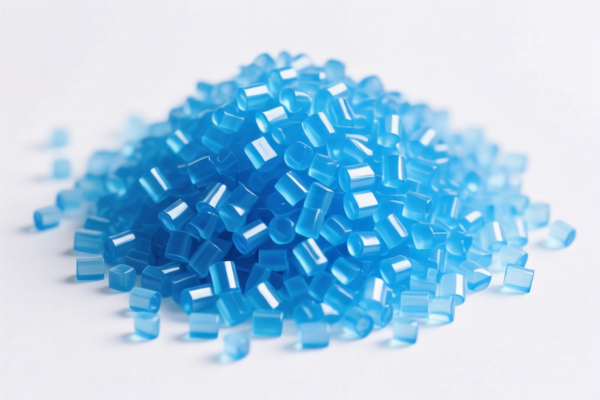
AI Analysis
🧪 Plastic Raw Materials & Polymers (Beyond HS 3909.20.00.00)
🌐 HS Code Reference & Customs Clearance Guide | 2026 Latest Tariff Analysis | Professional Entry Strategy
📌 I. Product Definition & Classification: What Are "Plastic Raw Materials"?
In international trade, "Plastic Raw Materials" is a broad term that often leads to classification errors. While HS 3909.20.00.00 refers specifically to Amino-resins in primary forms, the market often uses this term for various polymer resins, packaging materials, or chemical additives.
Why do different codes appear in the dataset?
Customs classification depends on the chemical structure, physical form (powder, liquid, pellets), and primary function (packaging vs. chemical ingredient). The following codes from the data represent potential alternatives based on specific material properties and end-uses.
⚠️ Key Distinction Points:
- Amino-resins →3909.20.00.00(Specific chemical family)
- General Plastic Articles (Containers/Packaging) →3924or3923
- Chemical Surface-Active Agents →3402
📦 II. HS Code Classification Matrix (Based on Provided Data)
The dataset provided indicates that depending on the specific material composition and function, your product might not fit 3909.20.00.00. Below is the detailed breakdown of the alternative codes provided in the data.
| HS Code | Summary of Classification Logic | Total Tax Rate | Tax Breakdown |
|---|---|---|---|
| 3924.90.56.50 | Plastic Material, General "Other" Category Plastic material fits the attribute of plastic products. Classified under the "Other" catch-all category for plastic articles. |
20.9% | Base: 3.4% Add'l: 7.5% Section 301: 10% |
| 3924.10.40.00 | Plastic Material, General "Other" Category Plastic material falls under plastic products. Fits the "Other" catch-all logic. |
13.4% | Base: 3.4% Add'l: 0.0% Section 301: 10% |
| 3923.10.90.00 | Plastic Material, Packaging/Transport Plastic material matches the target code's requirement. Classified under "Other" for plastic packaging/transport goods. |
38.0% | Base: 3.0% Add'l: 25.0% Section 301: 10% |
| 3923.90.00.80 | Plastic Material, Packaging/Transport Functional use is plastic products; material matches plastic packaging/transport requirements. |
38.0% | Base: 3.0% Add'l: 25.0% Section 301: 10% |
| 3402.31.10.00 | Chemical Raw Material / Organic Compound Product belongs to chemical raw materials; consistent with organic compound category in material attributes. |
41.5% | Base: 6.5% Add'l: 25.0% Section 301: 10% |
🔍 Critical Insight:
- If your product is a finished plastic article (e.g., containers, tableware), it falls under 3924.
- If it is a packaging material (e.g., sacks, bags, rolls), it falls under 3923.
- If it is a surface-active agent (e.g., wetting agents, emulsifiers), it falls under 3402.
- HS 3909.20.00.00 is NOT listed in the provided data, implying the specific amino-resin classification may not be the most accurate for the specific item in question, or the data focuses on alternative high-tax scenarios.
💰 III. 2026 Latest Tariff Rate Analysis (Detailed Breakdown)
✅ Applicable Country: United States (US)
✅ Country of Origin: China (CN)
✅ Effective Date: Post-November 2025 (Subject to current trade policies)
🎯 1. 3924.90.56.50 & 3924.10.40.00 — Plastic Articles (General)
These codes apply to plastic articles for table/kitchen use (3924) or other plastic articles.
| Item | Details |
|---|---|
| Base Duty Rate | 3.4% (Standard MFN rate) |
| Additional Duty (Section 301) | 7.5% (for 3924.90.56.50) / 0.0% (for 3924.10.40.00) |
| Section 301 Specific Tariff | 10% (Applied to Chinese goods under specific lists) |
| Total Effective Rate | 20.9% (Code .56.50) 13.4% (Code .40.00) |
| Calculation Base | CIF Value (Cost + Insurance + Freight) |
| De Minimis Exemption? | ❌ No (Deny De Minimis) |
📌 Explanation:
- The 7.5% vs 0.0% difference depends on the specific sub-category within "Plastic Articles."
- The 10% Section 301 tariff is mandatory for Chinese-origin plastic articles in many categories.
- Lowest Risk Code:3924.10.40.00at 13.4% total tax.
🎯 2. 3923.10.90.00 & 3923.90.00.80 — Plastic Packaging & Transport Supplies
These codes apply to plastic sacks, bags, canisters, boxes, and other packing supplies.
| Item | Details |
|---|---|
| Base Duty Rate | 3.0% (Standard MFN rate) |
| Additional Duty (Section 301) | 25.0% (High tariff bracket for packaging materials) |
| Section 301 Specific Tariff | 10% |
| Total Effective Rate | 38.0% |
| Calculation Base | CIF Value |
| De Minimis Exemption? | ❌ No (Deny De Minimis) |
📌 Explanation:
- Packaging materials often attract higher additional duties (25%) due to trade policies aimed at reducing reliance on imported packaging components.
- Despite a lower base rate (3.0%), the total tax (38.0%) is significantly higher than general plastic articles.
🎯 3. 3402.31.10.00 — Surface-Active Organic Products
This code applies if the "plastic raw material" is actually a chemical additive (e.g., wetting agents, emulsifiers) used in organic compound processing.
| Item | Details |
|---|---|
| Base Duty Rate | 6.5% |
| Additional Duty (Section 301) | 25.0% |
| Section 301 Specific Tariff | 10% |
| Total Effective Rate | 41.5% |
| Calculation Base | CIF Value |
| De Minimis Exemption? | ❌ No (Deny De Minimis) |
📌 Explanation:
- Chemical additives are classified under Chapter 34 (Soap, Organic Surface-Active Agents).
- This is the highest tax bracket in the provided data (41.5%).
- Misclassification here can lead to severe penalties if the product is actually a plastic resin.
🛠️ IV. Customs Clearance Practical Advice (Pitfall Avoidance Guide)
✅ 1. Documentation Checklist (Mandatory)
| Document | Required? | Notes |
|---|---|---|
| Product Specification Sheet | ✔️ | Must detail chemical composition, physical form (pellet/powder/liquid), and intended use. |
| MSDS (Material Safety Data Sheet) | ✔️ | Critical for chemical vs. plastic distinction. |
| Commercial Invoice | ✔️ | Clearly state "Plastic Raw Material" or specific chemical name (e.g., "Amino Resin"). Avoid vague terms. |
| Packing List | ✔️ | Detail net/gross weight and packaging type (e.g., "25kg bags"). |
| Origin Certificate | ✔️ | To prove Chinese origin (triggers additional duties). |
✅ 2. Declaration Strategy
🔥 Golden Rule: "Material defines the Code, Not the Name!"
| Scenario | Correct Declaration | Incorrect Declaration | Risk |
|---|---|---|---|
| Plastic Tableware/Containers | 3924.10.40.00 |
"Plastic Raw Material" | Under/Overpayment, Audit |
| Plastic Packaging Bags | 3923.10.90.00 |
"Plastic Resin" | 38% Tax instead of potential lower rate |
| Chemical Wetting Agent | 3402.31.10.00 |
"Plastic Additive" | 41.5% Tax, Regulatory Violation |
| Amino Resin (True HS 3909) | 3909.20.00.00 |
3924... |
Misclassification Penalty |
⚠️ Warning:
- Do NOT use generic terms like "Plastic Raw Material" on invoices.
- Use specific chemical names (e.g., "Urea-Formaldehyde Resin") if applicable.
- If the product is a finished plastic item (even if sold as "raw material" for assembly), it must be classified as a Plastic Article (3924/3923), leading to 13.4%–38.0% tax.
🌍 V. Global Market Comparison (2026)
| Market | Recommended HS Code | Est. Total Duty | Key Requirement |
|---|---|---|---|
| 🇺🇸 USA | 3924.10.40.00 (Lowest) |
13.4% | FCC/UL (if electronic), EPA (if chemical) |
| 🇨🇳 China | 3909.20.00.00 |
6.5% | CCC (if applicable) |
| 🇪🇺 EU | 3924.10.00 |
0% - 4.7% | REACH Registration (Critical for Chemicals) |
| 🇬🇧 UK | 3924.10.00 |
0% - 4.7% | UKCA Marking |
📌 Note: The EU often has 0% duty for many plastic articles, but REACH compliance is strict. The USA imposes Section 301 tariffs, making cost optimization critical.
📌 VI. Common Errors & Pitfalls (Lessons Learned)
❌ Error 1: Classifying Plastic Packaging as Plastic Resin
👉 Consequence: You might pay 38% instead of a lower rate if it's actually a raw resin, or face audit if it's a finished article.
❌ Error 2: Using "Plastic Raw Material" as the Product Name
👉 Consequence: Customs cannot determine the exact HS code. They may select the highest available tax rate or delay clearance.
❌ Error 3: Ignoring Section 301 Tariffs
👉 Consequence: Budgeting for 3% tax when the actual liability is 13.4%–41.5%. This can destroy profit margins.
❌ Error 4: Confusing Chemical Additives with Plastic Resins
👉 Consequence: Chemicals (3402) have higher base duties (6.5%) and 25% additional tariffs. Misclassification leads to penalties.
✅ Correct Approach:
"Specify Chemical Name + Physical Form + Intended Use"
Example: "Urea-Formaldehyde Resin, Powder Form, for Laminating Applications, Not for Tableware"
🎯 VII. Conclusion: Precision in Classification Saves Money
🎯 Key Takeaways:
🔹 Lowest Tax Option:
3924.10.40.00(13.4%) if the product can be classified as general plastic articles.
🔹 Highest Risk:3402.31.10.00(41.5%) if classified as chemical surface-active agents.
🔹 Packaging Trap:3923codes (38.0%) are costly; ensure packaging materials are not mixed with raw materials in one shipment if possible.📌 Pro Tip:
- If your product is truly Amino Resin (HS 3909.20.00.00), verify if it is still subject to Section 301 tariffs. The provided data does not include this code, so you must consult the latest USITC database.
- Pre-Classification Ruling: Apply for a binding ruling from US Customs to avoid post-entry audits.
📣 Immediate Action:
📞 Contact your customs broker with MSDS and Product Specs.
📊 Compare the 13.4% (Plastic Articles) vs. 38.0% (Packaging) vs. 41.5% (Chemicals) scenarios.
🚀 Optimize your HS Code to minimize tax liability and ensure smooth clearance!
✨ Professional Clearance, Start with Accurate Classification!
💼 Your Profit Margin Depends on the Decimal Point!
Customer Reviews
About HS Code Classification
The Harmonized System (HS) is an internationally standardized nomenclature developed by the World Customs Organization (WCO) to classify traded products. Over 200 countries use the HS system as the basis for customs tariffs, trade statistics, and import/export regulations.
Each HS code follows a hierarchical structure:
- Chapter (2 digits) — Broad category of goods (e.g., Chapter 84: Machinery and Mechanical Appliances)
- Heading (4 digits) — More specific grouping within the chapter
- Subheading (6 digits) — Internationally standardized breakdown, used by all WCO member countries
- National subdivisions (8-10 digits) — Country-specific extensions for further classification, such as US HTSUS 10-digit codes
Correct HS code classification is essential for smooth customs clearance, accurate duty payment, and compliance with trade regulations. Misclassification can lead to customs delays, overpayment of duties, or penalties.
When importing from CN to US, the applicable tariff rates may include:
- Most-Favored-Nation (MFN) rate — The standard duty rate applied to WTO members
- General rate — Applied to countries without trade agreements
- Trade remedy duties — Additional tariffs such as Section 301 (anti-dumping), Section 232 (national security), or countervailing duties
The information provided on this page is for reference purposes only. For official classification, please consult with your local customs authority or a licensed customs broker.