Plastic Wall Decor Panel (Textile)
CN → US| HS Code | Tariff Rate | Origin | Destination | Doc |
|---|---|---|---|---|
| 5903102090 | 35.0% | CN | US | Official Doc |
| 5903102010 | 35.0% | CN | US | Official Doc |
| 3921131100 | 39.2% | CN | US | Official Doc |
| 3921121100 | 39.2% | CN | US | Official Doc |
Product Images
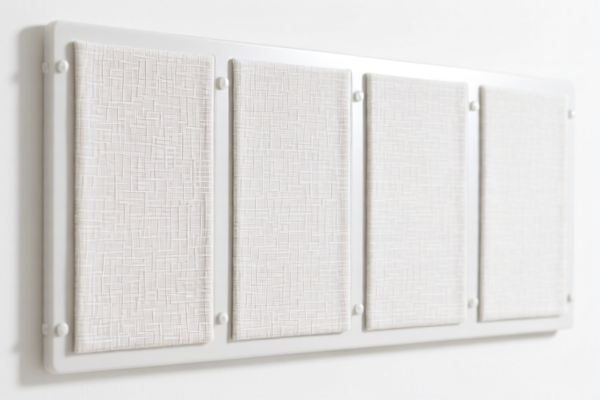
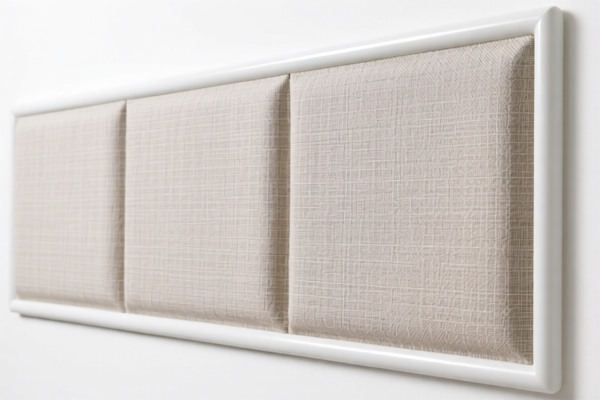
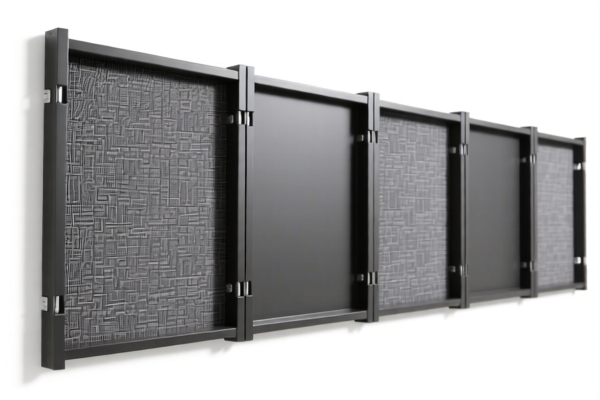
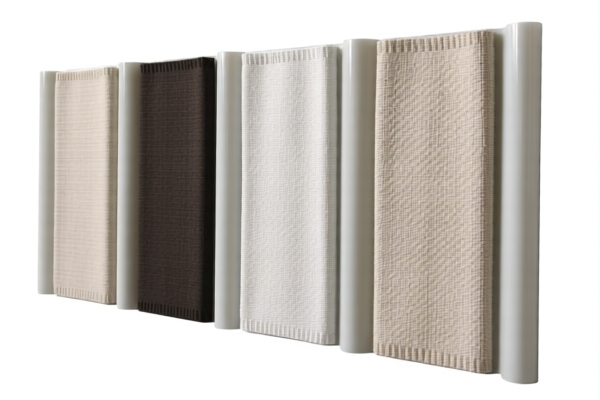
AI Analysis
🧱 Plastic Wall Decor Panel (Textile)
🌐 HS Code Reference & Customs Clearance Guide | 2026 Latest Tariff Analysis | Professional Clearance Strategy
📌 1. Product Definition & Classification: Is it Textile or Plastic?
This product is a composite material used for wall decoration. The core conflict in classification lies in its dual nature: * Physical Form: Textile/Fabric (Textile) * Surface/Impregnation Material: Plastic (Plastic)
In international trade, when a textile is impregnated, coated, or covered with plastic, it often shifts from Chapter 59 (Textiles) to Chapter 39 (Plastics), depending on the weight percentage and structural integrity.
⚠️ Critical Distinction Point:
- If the plastic coating is merely a thin layer and the textile base retains its essential character → Classified under Chapter 59 (Impregnated Textiles).
- If the plastic content exceeds 70% by weight or forms the main structural board/sheet with textile composite → Classified under Chapter 39 (Plastics).
- Note: Based on the provided data, two distinct classification paths are available, leading to different tax liabilities.
📦 2. HS Code Classification Details (2026 Latest Tariff Authority Comparison)
| HS Code | Product Description | Applicable Scenario | Tax Rate (Total) | Key Differentiator |
|---|---|---|---|---|
5903.10.20.90 |
Textile fabrics impregnated, coated, or covered with PVC, other than those of heading 59.02 | Wall decor panels where the textile fabric is the primary recognized form, impregnated with plastic (PVC/Other). | 35.0% | Classified as Textile; Plastic is secondary. |
5903.10.20.10 |
Textile fabrics impregnated, coated, or covered with PVC | Specific PVC-impregnated textile variants. | 35.0% | Specific PVC match; High certainty if PVC is confirmed. |
3921.13.11.00 |
Plastics plates, sheets, film, foil and strip, of polymers of ethylene | Composite plastic materials where plastic weight > 70%, often with textile backing. | 39.2% | Classified as Plastic Board/Sheet; High plastic content. |
3921.12.11.00 |
Plastics plates, sheets, film, foil and strip, of polymers of vinyl chloride (PVC) | PVC-based composite boards/sheets with textile layer. | 39.2% | Classified as PVC Plastic; Structural board form. |
🔍 Key Insight:
- The choice between Chapter 59 (35%) and Chapter 39 (39.2%) depends heavily on how customs interprets the "essential character" of the panel.
- If the panel is rigid like a board,3921is often more accurate.
- If it is flexible like a heavy-duty fabric,5903is more accurate.
- Tax Difference:3921codes incur a 4.2% higher total tax due to the 4.2% base duty on plastics vs. 0% on textiles.
💰 3. 2026 Latest Tariff Rate Breakdown (Including Additional Taxes & Policy Add-ons)
✅ Applicable Country: United States (US)
✅ Country of Origin: China (CN)
✅ Effective Date: November 10, 2025 onwards (including subsequent imports)
🎯 1. 5903.10.20.90 & 5903.10.20.10 —— Impregnated Textile Panels
| Item | Detail |
|---|---|
| Base Duty Rate | 0% (ad valorem) |
| Section 301 Duty (USITC) | +25% (From USITC Footnote 9903.88.01 / Trade Act 301) |
| IEEPA Surcharge | +10% (Targeting Chinese/HK products, effective Nov 10, 2025) |
| Total Tax Rate | 35.0% |
| Tax Calculation | CIF Value × 35% |
| De Minimis Eligibility | ❌ Not Eligible (deny_de_minimis) |
| Legal Basis Path | IEEPA:9903.01.25 → USITC:5903.10.20.90 → FOOTNOTE:9903.88.01 |
📌 Explanation:
- Textiles generally have 0% base duty.
- However, Section 301 tariffs (+25%) and IEEPA surcharges (+10%) apply equally to these textile imports from China.
- Total 35% is significantly lower than the plastic alternative.
🎯 2. 3921.13.11.00 & 3921.12.11.00 —— Composite Plastic/Board Panels
| Item | Detail |
|---|---|
| Base Duty Rate | 4.2% (ad valorem) |
| Section 301 Duty (USITC) | +25% (From USITC Footnote 9903.88.01 / Trade Act 301) |
| IEEPA Surcharge | +10% (Targeting Chinese/HK products, effective Nov 10, 2025) |
| Total Tax Rate | 39.2% |
| Tax Calculation | CIF Value × 39.2% |
| De Minimis Eligibility | ❌ Not Eligible (deny_de_minimis) |
| Legal Basis Path | IEEPA:9901.25 → IEEPA:9903.01.24 → USITC:3921.12.11.00 → FOOTNOTE:9903.88.01 |
📌 Explanation:
- Plastics/Plates have a 4.2% base duty.
- Add the same 35% in additional tariffs (25% + 10%).
- Total 39.2% is higher. This classification is risky if the product is actually more textile-dominated.
🛠️ 4. Customs Clearance Practical Advice (Real-World Pitfall Guide)
✅ 1. Required Documentation Checklist (Non-Negotiable)
| Document | Mandatory? | Description |
|---|---|---|
| ✅ Product Specification Sheet | ✔️ | Must detail: Base material (Textile vs. Plastic%), Plastic type (PVC, PE, etc.), Thickness, Weight. |
| ✅ Photos (Front/Back/Cross-section) | ✔️ | Crucial for Customs to see if it's a "Board" (Plastic) or "Fabric" (Textile). |
| ✅ Commercial Invoice | ✔️ | Must accurately describe as "Plastic Impregnated Textile Panel" OR "Composite Plastic Wall Panel". |
| ✅ Packing List | ✔️ | Standard customs requirement. |
| ✅ Origin Certificate (CO) | ✔️ | To confirm CN origin and trigger correct additional duties. |
| ✅ Material Composition Statement | ✔️ | Explicitly state % of Textile vs. Plastic. This determines Chapter 59 vs. 39. |
✅ 2. Declaration Strategy (Key Mnemonic)
🔥 “Look at the Structure: Board = Plastic (39.2%), Fabric = Textile (35.0%)!”
| Scenario | Recommended HS Code | Why? | Risk |
|---|---|---|---|
| Rigid Panel (Hard to bend, looks like a plastic board with texture) | 3921.12.11.00 or 3921.13.11.00 |
High plastic content, structural integrity. | Higher tax (39.2%), but accurate for boards. |
| Flexible Panel (Bendable, heavy fabric feel, plastic coating) | 5903.10.20.90 or 5903.10.20.10 |
Textile is the essential character. | Lower tax (35.0%), but requires proof of textile base. |
| Ambiguous | Pre-Ruling Requested | Do not guess. | Misclassification leads to penalties + back taxes. |
📌 Pro Tip:
- If the product is PVC-coated fabric,5903.10.20.10is the most precise fit.
- If the product is a PVC foam board with fabric backing,3921.12.11.00is better.
- Do NOT split shipment to avoid "fragmented declaration" penalties.
✅ 3. Special Case Handling
| Case | Handling Advice |
|---|---|
| OEM Custom Panels | Provide design files + material specs to Customs to prove "Textile Character". |
| "Soundproofing" Panels | If labeled as "Acoustic Material," Customs may lean towards 3921 (Plastic Foam/Board). Be prepared with acoustic test reports. |
| Mixed Containers | Ensure all units are identical. Mixed HS Codes in one shipment require separate line items. |
🌍 5. Global Market Comparison (2026 Latest)
| Country/Region | Recommended HS Code | Total Duty (CN Origin) | Key Requirement | Note |
|---|---|---|---|---|
| 🇺🇸 USA | 5903.10.20.90 (Preferred) |
35.0% | FCC/No (if non-electronic), CBP Pre-ruling | Cheapest Option if textile-based. |
| 🇺🇸 USA | 3921.12.11.00 (Alternative) |
39.2% | CBP Pre-ruling | Higher tax due to plastic base. |
| 🇨🇳 China (Import) | 5903.10.20.90 |
~10-15% | CCC (if applicable) | Different duty structure. |
| 🇪🇺 EU | 5903.10 or 3921 |
6.5% (Varies) | CE (if relevant) | No Section 301 equivalent. |
| 🇬🇧 UK | 5903.10 |
6.5% | UKCA | Post-Brexit rules apply. |
📌 Conclusion:
- For the US Market, minimizing duty is critical.
- If the product is genuinely a textile fabric with plastic coating, fight for5903(35%).
- If it is a plastic board, accept3921(39.2%).
- Avoid misclassification: Claiming textile for a plastic board can result in audits and penalties.
📌 6. Common Errors & Pitfalls (Lessons Learned)
❌ Error 1: Calling it "Plastic Panel" when it's 80% Fabric
👉 Consequence: If audited, Customs may reclassify to 3921 (39.2%) and fine you for under-declaring the textile content? Actually, if it's textile, you saved money, but if it's plastic, you under-declared. Wait: If it's plastic but declared as textile, you underpaid taxes (35% vs 39.2%). Customs will demand the difference + interest.
❌ Error 2: Calling it "Textile" when it's a Rigid PVC Board
👉 Consequence: Customs rejects 5903 because rigid boards fall under Chapter 39. Result: Reclassification to 3921 (39.2%) + Delayed Clearance.
❌ Error 3: Ignoring IEEPA 10% Surcharge
👉 Consequence: Even with 0% base duty, the 10% IEEPA + 25% Section 301 applies. Total 35% or 39.2%. Many importers forget the 10%.
✅ Correct Declaration Example:
"Plastic-impregnated Textile Wall Decor Panel, PVC-coated, Flexible, Model XYZ, Made in China"
(Use5903.10.20.90if flexible)"PVC Composite Wall Panel, Rigid Board with Textile Surface, Model ABC, Made in China"
(Use3921.12.11.00if rigid)
🎯 7. Conclusion: Strategic Classification for Cost Savings
🎯 Key Takeaway:
🔹 "Flexible = Textile (35%) | Rigid = Plastic (39.2%)"
🔹 "Total Tax = Base Duty + 25% (Sec 301) + 10% (IEEPA)"
📌 Pro Tip:
- If your product is on the boundary, request a CBP Advance Ruling before shipping.
- The $4.20 per $100 savings (35% vs 39.2%) can be significant for large shipments.
- Ensure your material composition certificate supports the chosen HS Code.
📣 Immediate Action:
📞 Contact Customs Broker: Provide product photos and material specs.
📄 Apply for Pre-Ruling: Especially if the product is ambiguous.
🚀 Clarify "Essential Character": Is it a board or a fabric? This is the key to your tax rate.
✨ Professional clearance starts with precise classification!
💼 Save every cent, avoid every penalty!
Customer Reviews
About HS Code Classification
The Harmonized System (HS) is an internationally standardized nomenclature developed by the World Customs Organization (WCO) to classify traded products. Over 200 countries use the HS system as the basis for customs tariffs, trade statistics, and import/export regulations.
Each HS code follows a hierarchical structure:
- Chapter (2 digits) — Broad category of goods (e.g., Chapter 84: Machinery and Mechanical Appliances)
- Heading (4 digits) — More specific grouping within the chapter
- Subheading (6 digits) — Internationally standardized breakdown, used by all WCO member countries
- National subdivisions (8-10 digits) — Country-specific extensions for further classification, such as US HTSUS 10-digit codes
Correct HS code classification is essential for smooth customs clearance, accurate duty payment, and compliance with trade regulations. Misclassification can lead to customs delays, overpayment of duties, or penalties.
When importing from CN to US, the applicable tariff rates may include:
- Most-Favored-Nation (MFN) rate — The standard duty rate applied to WTO members
- General rate — Applied to countries without trade agreements
- Trade remedy duties — Additional tariffs such as Section 301 (anti-dumping), Section 232 (national security), or countervailing duties
The information provided on this page is for reference purposes only. For official classification, please consult with your local customs authority or a licensed customs broker.