Plastic apparel (cleaning supplies)
CN → US| HS Code | Tariff Rate | Origin | Destination | Doc |
|---|---|---|---|---|
| 4015900050 | 39.0% | CN | US | Official Doc |
| 3926206000 | 35.0% | CN | US | Official Doc |
| 6210207000 | 13.3% | CN | US | Official Doc |
| 4015900010 | 39.0% | CN | US | Official Doc |
| 6210203000 | 13.8% | CN | US | Official Doc |
Product Images
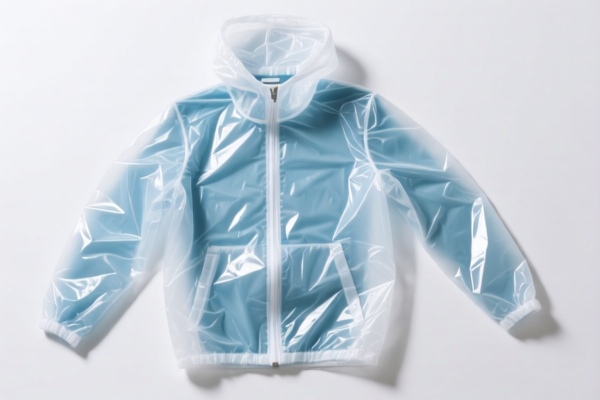
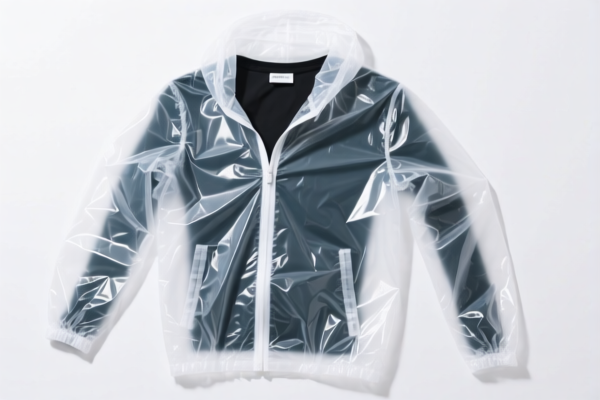
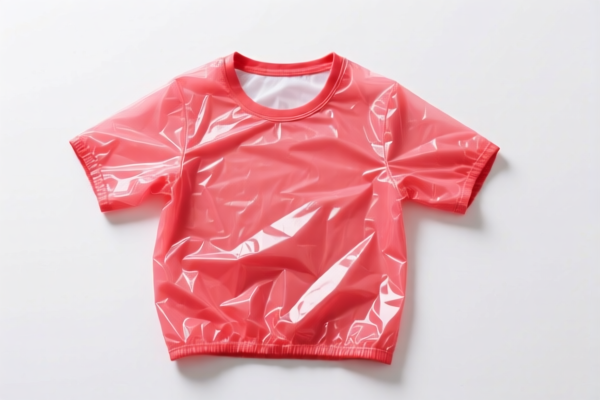
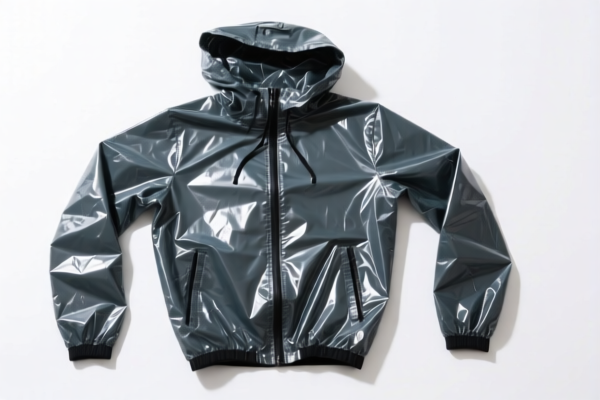
AI Analysis
🧥 Plastic Apparel (Cleaning Supplies) – HS Code Classification & 2026 US Tariff Strategy
🌐 HS Code Reference & Customs Clearance Guide | 2026 Latest Tariff Analysis | Professional Clearance Strategy
📌 I. Product Definition: What is "Plastic Apparel (Cleaning Supplies)"?
"Plastic Apparel (Cleaning Supplies)" refers to protective clothing worn during cleaning operations, typically made from materials like polyethylene (PE), PVC, or rubber-coated fabrics. These items are designed to protect the wearer from water, chemicals, dirt, or biological agents during industrial, commercial, or domestic cleaning tasks.
In international trade, these products are not classified under a single HS Code. Their classification depends heavily on material composition, construction method, and specific function. Misclassification can lead to significant tariff differences (from 13.3% to 39.0%) and customs delays.
⚠️ Key Distinction Points:
- Material: Is it pure plastic sheets, rubberized fabric, or coated textile?
- Construction: Is it seamless, heat-sealed, or stitched and coated?
- Function: Is it general protective wear or specific "accessories" like aprons/gaiters?
📦 II. HS Code Classification Details (2026 Latest Tariff Reference)
Based on the provided data, "Plastic Apparel (Protective)" falls into five distinct HS Codes with varying tax implications. Below is the detailed breakdown:
| HS Code | Product Description (Summary) | Key Characteristics | Total Tax Rate (US/CN) |
|---|---|---|---|
4015.90.00.50 |
Plastic apparel (protective) classified as Vulcanized Rubber Protective Apparel | Made primarily of vulcanized rubber; heavy-duty industrial protection | 39.0% |
3926.20.60.00 |
Plastic apparel (protective) classified as Plastic Raincoats & Protective Clothing | Made of plastic (e.g., PVC/PE); often lightweight, rain-suit style | 35.0% |
6210.20.70.00 |
Apparel coated/impregnated with rubber/plastic | Textile base with surface impregnation, coating, covering, or laminating with rubber/plastic | 13.3% |
4015.90.00.10 |
Protective apparel accessories (e.g., aprons, gaiters, sleeves) | Accessories or parts of protective gear, made of vulcanized rubber | 39.0% |
6210.20.30.00 |
Apparel coated or covered with rubber/plastic | Textile base with coating/covering (similar to 6210.20.70 but different sub-classification) | 13.8% |
🔍 Critical Analysis:
- Textile-Based vs. Pure Material: Items classified under 6210 (13.3%-13.8%) are generally textile garments that have been coated or laminated. This is the lowest tax bracket.
- Pure Rubber/Plastic: Items under 4015 (39.0%) are made of vulcanized rubber, attracting the highest duty.
- Pure Plastic Sheets: Items under 3926 (35.0%) are classified as plastic articles, specifically raincoats or similar protective wear made directly from plastic sheets/films.
💰 III. 2026 Latest Tariff Rate Breakdown (Including Surtaxes & Policy Add-ons)
✅ Applicable Country: United States (US)
✅ Country of Origin: China (CN)
✅ Effective Date: Current rates apply (subject to 122 Section & Section 301 adjustments)
🎯 1. 6210.20.70.00 & 6210.20.30.00 —— Coated/Laminated Textile Apparel (Lowest Tax)
| Item | Content |
|---|---|
| Base Tariff | 3.3% (for .70) / 3.8% (for .30) |
| Section 301 Surtax | 0.0% (No additional 301 tariff for these specific sub-headings) |
| Section 122 Tariff | +10% |
| Total Effective Tax | 13.3% (.70) / 13.8% (.30) |
| Tax Calculation | CIF Value × 13.3% / 13.8% |
| De Minimis Eligibility | ❌ No (Generally, apparel >$800 requires formal entry; de minimis often denied for textiles/rubber) |
📌 Explanation:
- These codes benefit from 0% Section 301 surtax, making them significantly cheaper than rubber/plastic equivalents.
- The 10% Section 122 tariff is a specific levy that applies to these coated textile items.
- Strategy: If your product is a textile apron or coverall with a plastic/rubber coating, ensure it is classified under 6210 to save ~25% in duties compared to 4015/3926.
🎯 2. 3926.20.60.00 —— Plastic Raincoats & Protective Clothing (Mid-High Tax)
| Item | Content |
|---|---|
| Base Tariff | 0.0% |
| Section 301 Surtax | +25.0% |
| Section 122 Tariff | +10.0% |
| Total Effective Tax | 35.0% |
| Tax Calculation | CIF Value × 35.0% |
| De Minimis Eligibility | ❌ No |
📌 Explanation:
- While the base tariff is 0%, the 25% Section 301 surtax heavily impacts the cost.
- This code applies to items made entirely of plastic (e.g., PVC ponchos, PE disposable suits) that don't fit the textile definition.
- Risk: Higher tax burden than 6210 codes.
🎯 3. 4015.90.00.50 & 4015.90.00.10 —— Vulcanized Rubber Protective Apparel & Accessories (Highest Tax)
| Item | Content |
|---|---|
| Base Tariff | 4.0% |
| Section 301 Surtax | +25.0% |
| Section 122 Tariff | +10.0% |
| Total Effective Tax | 39.0% |
| Tax Calculation | CIF Value × 39.0% |
| De Minimis Eligibility | ❌ No |
📌 Explanation:
- This is the most expensive classification.
- Applies to heavy-duty rubber suits (e.g., chemical protection suits made of neoprene/vulcanized rubber) and accessories like rubber aprons.
- Impact: For a $10,000 shipment, you pay $3,900 in duties, compared to $1,330 for 6210.20.70.00.
🛠️ IV. Customs Clearance Practical Advice (Avoid Pitfalls)
✅ 1. Documentation Checklist (Mandatory)
| Document | Required? | Description |
|---|---|---|
| ✅ Product Spec Sheet | ✔️ | Must detail material composition (e.g., "80% Polyester, 20% PVC Coating") to support 6210 classification. |
| ✅ Material Test Report | ✔️ | Third-party lab report confirming % of textile vs. rubber/plastic. Crucial for 6210 vs. 4015/3926. |
| ✅ Product Photos | ✔️ | Clear images of the item, labels, and seams. Shows if it's coated textile or solid plastic. |
| ✅ Commercial Invoice | ✔️ | Must explicitly state "Coated Textile Protective Apparel" for 6210 items. |
| ✅ Packing List | ✔️ | Detail contents to avoid misdeclaration of accessories. |
| ✅ Origin Certificate (CO) | ✔️ | Required for US origin verification. |
✅ 2. Classification Strategy (Key Takeaway)
🔥 “Textile Base = Low Duty; Pure Rubber/Plastic = High Duty!”
| Product Type | Recommended HS Code | Total Tax | Why? |
|---|---|---|---|
| Coated Coveralls/Aprons (Textile with PVC/Rubber coating) | 6210.20.70.00 |
13.3% | LOWEST TAX. Best for most cleaning supplies. |
| Coated Coveralls (Textile with Rubber coating) | 6210.20.30.00 |
13.8% | Low tax, slight variation in coating type. |
| PVC/PE Rain Suits (No textile base) | 3926.20.60.00 |
35.0% | High tax due to 25% Surtax. |
| Rubber Chemical Suits (Vulcanized Rubber) | 4015.90.00.50 |
39.0% | Highest tax. Avoid if possible. |
| Rubber Aprons/Gaiters | 4015.90.00.10 |
39.0% | Highest tax. Accessories also penalized. |
✅ 3. Common Errors & Pitfalls
❌ Error 1: Declaring a textile apron with PVC coating as "Plastic Apparel" (3926 or 4015).
👉 Consequence: Paying 35-39% duty instead of 13.3%. Loss of $22k per $100k shipment!
❌ Error 2: Failing to provide material composition details.
👉 Consequence: Customs may assign the highest default rate or hold shipment for lab testing.
❌ Error 3: Ignoring Section 122 Tariff.
👉 Consequence: Underestimating total landed cost. The 10% surtax is mandatory for all these codes.
✅ Correct Approach:
"Protective Coverall, 100% Polyester Base, PVC Coated on Exterior, Size M, Black, Certified for Industrial Cleaning."
🌍 V. Global Market Comparison (2026)
| Country | Recommended HS Code | Total Tax (China Origin) | Notes |
|---|---|---|---|
| 🇺🇸 USA | 6210.20.70.00 |
13.3% | Lowest rate for coated textiles. 39% for rubber. |
| 🇪🇺 EU | 6210.20.70.00 |
~5-6% | No Section 301/122 tariffs. CE marking required. |
| 🇨🇳 China | 6210.20.70.00 |
~5-10% | Import duty + VAT. Lower than US rates. |
| 🇬🇧 UK | 6210.20.70.00 |
~5% | Post-Brexit tariff regime. |
📌 Conclusion:
- The US is the most expensive market for this product category due to Section 301 and Section 122 tariffs.
- Textile-based coated apparel (6210) is the optimal classification to minimize costs.
- Avoid classifying coated textiles as "plastic articles" or "rubber goods" to escape the 25-39% tax bracket.
📌 VI. Final Recommendations for Importers
- Material Audit: Confirm the exact % of textile vs. rubber/plastic in your cleaning supplies. If >50% textile base, push for 6210.
- Pre-Ruling: Apply for an Advance Ruling (Ruling Letter) from US CBP if your product is borderline. This provides legal certainty.
- Supply Chain Diversification: If 13.3% is still too high, consider sourcing from Vietnam or India (if applicable) to avoid China-specific surcharges (though 6210 still has 122 section).
- Accurate Documentation: Always use "Coated Textile Protective Apparel" in invoices and descriptions for 6210 items. Never use generic "Plastic Suit" if it's textile-based.
🎯 Remember the Golden Rule:
🔹 "Textile Base = 13%; Plastic/Rubber Base = 35-39%!"
🔹 "Classify correctly, save 22%+ in duties. Misclassify, pay penalty + stress."
📣 Immediate Action Step:
📞 Contact your customs broker with material test reports.
📄 Demand "Coated Textile" classification (6210.20.70.00) for any textile-based cleaning apparel.
🚀 Optimize your landed cost before shipping!
✨ Professional Clearance Starts with Accurate Classification!
💼 Every Percent of Duty Saved is Pure Profit!
Customer Reviews
About HS Code Classification
The Harmonized System (HS) is an internationally standardized nomenclature developed by the World Customs Organization (WCO) to classify traded products. Over 200 countries use the HS system as the basis for customs tariffs, trade statistics, and import/export regulations.
Each HS code follows a hierarchical structure:
- Chapter (2 digits) — Broad category of goods (e.g., Chapter 84: Machinery and Mechanical Appliances)
- Heading (4 digits) — More specific grouping within the chapter
- Subheading (6 digits) — Internationally standardized breakdown, used by all WCO member countries
- National subdivisions (8-10 digits) — Country-specific extensions for further classification, such as US HTSUS 10-digit codes
Correct HS code classification is essential for smooth customs clearance, accurate duty payment, and compliance with trade regulations. Misclassification can lead to customs delays, overpayment of duties, or penalties.
When importing from CN to US, the applicable tariff rates may include:
- Most-Favored-Nation (MFN) rate — The standard duty rate applied to WTO members
- General rate — Applied to countries without trade agreements
- Trade remedy duties — Additional tariffs such as Section 301 (anti-dumping), Section 232 (national security), or countervailing duties
The information provided on this page is for reference purposes only. For official classification, please consult with your local customs authority or a licensed customs broker.