Platinum Group Metal
CN → USProduct Images
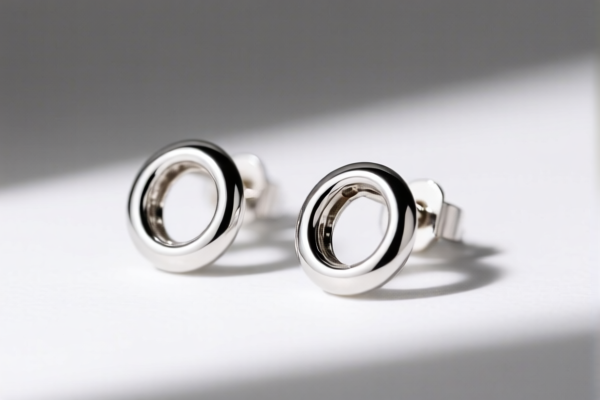
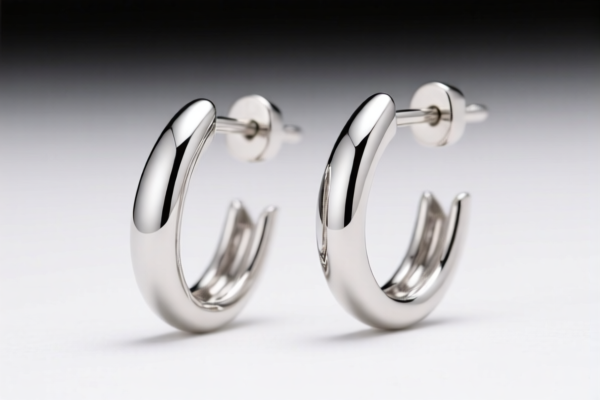
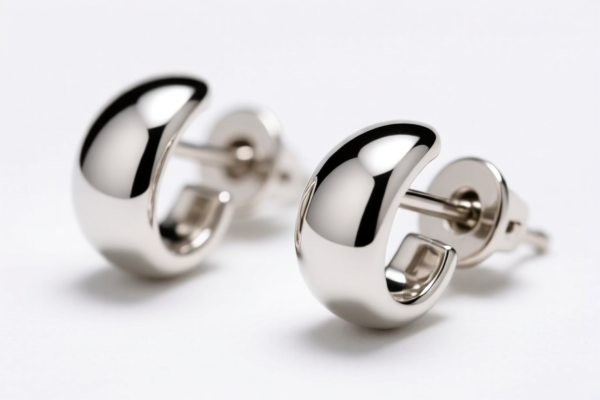
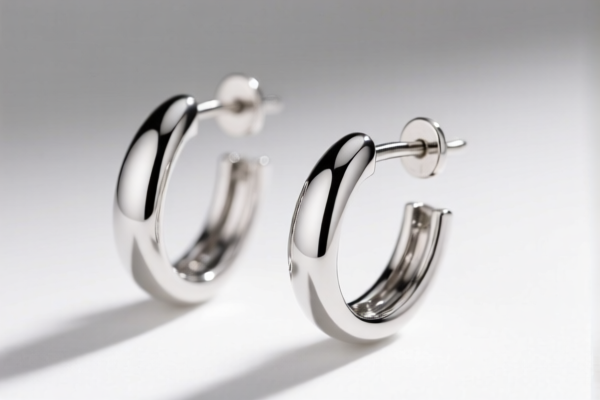
AI Analysis
🏆 Platinum Group Metals (PGMs)
🌐 HS Code Reference & Customs Clearance Guide | 2026 Latest Tariff Analysis | Professional Clearance Strategy
📌 I. Product Definition & Classification: What Exactly Are "Platinum Group Metals"?
Platinum Group Metals (PGMs) are a cluster of six rare, precious, and corrosion-resistant elements: Platinum (Pt), Palladium (Pd), Rhodium (Rh), Iridium (Ir), Osmium (Os), and Ruthenium (Ru).
In international trade, they are not traded as a single entity but are classified based on their physical state and purity. The critical distinction lies in whether the metal is: 1. Unworked/Ingot: Raw, cast, or powdered form, not yet shaped for specific industrial use. 2. Worked/Article: Shaped, manufactured, or alloyed for specific applications (e.g., catalytic converters, jewelry, electronics).
⚠️ Key Distinction:
- Raw PGMs (powder, wire, ingots) → Classified under Chapter 71 (Pearls, Precious Stones, Metals).
- Manufactured Parts (catalytic converters, electrodes, jewelry) → Classified under their specific end-use chapters (e.g., 8708 for auto parts, 7113 for jewelry).
- Alloys vs. Pure Metals: High-purity metals (>99%) have different subheadings than alloys.
📦 II. HS Code Classification Details (2026 Latest Tariff Authority)
| HS Code | Product Description | Application Scenario | State |
|---|---|---|---|
7110.11.00 |
Platinum, unwrought or in powdered form | Raw platinum bars, powder for electronics, investment bars | ✅ Unworked |
7110.21.00 |
Palladium, unwrought or in powdered form | Raw palladium for catalytic converters, jewelry alloys | ✅ Unworked |
7110.31.00 |
Rhodium, unwrought or in powdered form | Raw rhodium (most expensive PGM), for hardening platinum | ✅ Unworked |
7110.41.00 |
Iridium, Osmium, Ruthenium, unwrought | Rare earth PGMs for specialized industrial tools | ✅ Unworked |
7110.19.10 |
Platinum, worked (not jewelry) | Wrought platinum sheets, wires, tubes for lab equipment | ✅ Worked |
7110.29.10 |
Palladium, worked | Wrought palladium for chemical processing equipment | ✅ Worked |
7110.91.00 |
Alloys of PGMs (unwrought) | Mixed PGM alloys for industrial use | ✅ Alloy/Unworked |
7110.99.00 |
Other PGM Articles (workings, powder not elsewhere specified) | Miscellaneous PGM products | ✅ Worked/Other |
🔍 Critical Reminder:
- Do not confuse raw PGMs with catalytic converters. A used catalytic converter is an auto part (8708.50), not raw metal (7110).
- Powdered PGMs are high-risk for smuggling and require strict End-User Certificates.
- Jewelry containing PGMs falls under 7113, not 7110.
💰 III. 2026 Latest Tariff Rate Details (Including Surcharges & Policy Add-ons)
✅ Applicable Country: United States (US)
✅ Origin: China (CN) / Global
✅ Effective Date: 2026 Tariff Schedule
🎯 1. 7110.11.00 / 7110.21.00 —— Raw Platinum & Palladium
| Item | Content |
|---|---|
| Base Rate (MFN) | 0% (ad valorem) |
| Section 301 Surcharge | +25% (USITC Footnote 9903.88.02 - Specific to certain raw materials from China) |
| Section 232 Surcharge | +25% (Steel/Aluminum related, but PGMs may be scrutinized under national security if used in defense) |
| Total Effective Rate | 25% - 50% (Depending on specific 301 inclusion) |
| Tax Calculation | CIF Value × 25% (Base 301) |
| De Minimis Eligibility | ❌ No (Deny De Minimis for high-value precious metals) |
| Legal Basis Path | USITC:7110.11.00 → FOOTNOTE:9903.88.02 → 301-Tariff-List |
📌 Explanation:
- Raw PGMs from China are subject to Section 301 tariffs due to trade tensions.
- Palladium is critical for automotive manufacturing; any disruption affects auto supply chains.
- Rhodium is extremely volatile; tariffs can significantly impact cost structures for jewelry and catalytic converter manufacturers.
🎯 2. 7110.19.10 / 7110.29.10 —— Worked PGMs
| Item | Content |
|---|---|
| Base Rate (MFN) | 0% |
| Section 301 Surcharge | +7.5% - 25% (Varies by specific subheading inclusion in Trade List 4B) |
| Total Effective Rate | 7.5% - 25% |
| Tax Calculation | CIF Value × Rate |
| De Minimis Eligibility | ❌ No |
| Legal Basis Path | USITC:7110.19.10 → FOOTNOTE:9903.88.02 |
📌 Note:
- Worked PGMs (like platinum wire for electronics) are less scrutinized than raw powders but still face Section 301 if imported from China.
- Jewelry (7113) has lower tariffs but high value, requiring detailed dutiable value declarations.
🛠️ IV. Customs Clearance Practical Advice (Real-World Pitfall Guide)
✅ 1. Required Documentation Checklist (All Must Be Provided)
| Document | Must Provide | Explanation |
|---|---|---|
| ✅ Certificate of Analysis (CoA) | ✔️ | Must specify Purity (e.g., 99.95% Pt), weight, and assay method. |
| ✅ Commercial Invoice | ✔️ | Must clearly state "Platinum Group Metal," not generic "Metal." |
| ✅ Packing List | ✔️ | Detail packaging type (secure, tamper-evident). |
| ✅ End-User Certificate | ✔️ | Required for Rhodium and Platinum powders to prevent military diversion. |
| ✅ Customs Bond | ✔️ | High-value goods require a continuous bond. |
| ✅ Import License (if applicable) | ✔️ | For some high-risk origins, additional licensing may be required. |
✅ 2. Declaration Tips (Key Mantra)
🔥 “Pure Metal, Full Purity, No Jewelry, No Converters!”
| Scenario | Correct Declaration | Wrong Practice |
|---|---|---|
| Raw Platinum Powder | 7110.11.00 - "Platinum Powder, 99.9% Purity" |
Calling it "Industrial Catalyst" → Misclassification |
| Used Catalytic Converter | 8708.50.00 - "Used Auto Part" |
Calling it "Palladium Product" → High Penalty |
| Platinum Jewelry | 7113.19.00 - "Jewelry" |
Calling it "Platinum Bar" → Wrong Duty Rate |
| Platinum Wire | 7110.19.10 - "Platinum Wire, Worked" |
Calling it "Raw Metal" → Inspection Delay |
✅ 3. Special Handling Cases
| Case | Handling Advice |
|---|---|
| Oscilloscope/Electronic Components | If PGM is part of a component (e.g., resistor), declare as the component, not the raw metal. |
| Smuggling Risk | PGMs are high-theft items. Ensure chain of custody documents are intact. |
| High Value | Use secure freight and insured shipping. Undervaluing leads to criminal penalties. |
| Chinese Origin | Check 301 List for specific exclusions. Apply for exclusion if eligible. |
🌍 V. Global Market Comparison (2026 Latest)
| Country/Region | Recommended HS Code | Tariff | Certification | Remarks |
|---|---|---|---|---|
| 🇺🇸 USA | 7110.11.00 |
25% (China) | None | High scrutiny for powders |
| 🇨🇳 China | 7110.11.00 |
0% | None | Import duty-free, but VAT 13% |
| 🇪🇺 EU | 7110.11.00 |
0% | REACH | No additional tariffs |
| 🇦🇺 Australia | 7110.11.00 |
5% | None | Moderate duty |
| 🇯🇵 Japan | 7110.11.00 |
0% | None | Free trade for PGMs |
📌 Conclusion:
- USA imposes 25% Section 301 on Chinese-origin PGMs.
- EU/Asia have 0% tariffs, making them attractive for re-export hubs.
- China is a major consumer of PGMs for catalytic converters; exports are restricted.
📌 VI. Common Errors & Pitfall Guide (Lessons Learned)
❌ Error 1: Declaring Catalytic Converters as Raw Palladium
👉 Consequence: Misclassification penalty + 25% tariff evasion fine!
❌ Error 2: Not declaring Purity Level
👉 Consequence: Customs may re-assess duty based on assumed lower purity or detain goods.
❌ Error 3: Mixing PGMs with Base Metals in one shipment
👉 Consequence: Complex inspection delay; potential contraband suspicion.
❌ Error 4: Under-invoicing High-Value PGMs
👉 Consequence: Seizure, fines, and criminal investigation for tax evasion.
✅ Correct Practice:
"Platinum Powder, 99.95% Purity, Net Weight 1kg, GMP Grade, Not for Jewelry, Made in South Africa"
🎯 VII. Conclusion: Precision Classification Saves Millions!
🎯 Remember the Mantra:
🔹 "Raw vs. Worked, Purity is Key!"
🔹 "Catalytic Converter is an Auto Part, Not a Metal!"
🔹 "301 Tariff Applies to China, Check List B!"
📌 Pro Tip:
- If importing from South Africa or Russia, tariffs are 0% (MFN), but sanctions may apply.
- For Japanese exporters, use JCTA certificates for smooth clearance.
- Pre-clearance with a licensed broker is mandatory for high-value PGM shipments.
📣 Immediate Action:
📞 Contact a Precious Metals Specialist Broker
📄 Obtain Certificate of Analysis before shipping
🔍 Check 301 Exclusions for your specific HS Code
🚀 Ensure Secure Logistics for high-value cargo
✨ Professional Clearance, Start with Accurate Classification!
💼 Your Cost Efficiency Depends on Purity and Precision!
Customer Reviews
About HS Code Classification
The Harmonized System (HS) is an internationally standardized nomenclature developed by the World Customs Organization (WCO) to classify traded products. Over 200 countries use the HS system as the basis for customs tariffs, trade statistics, and import/export regulations.
Each HS code follows a hierarchical structure:
- Chapter (2 digits) — Broad category of goods (e.g., Chapter 84: Machinery and Mechanical Appliances)
- Heading (4 digits) — More specific grouping within the chapter
- Subheading (6 digits) — Internationally standardized breakdown, used by all WCO member countries
- National subdivisions (8-10 digits) — Country-specific extensions for further classification, such as US HTSUS 10-digit codes
Correct HS code classification is essential for smooth customs clearance, accurate duty payment, and compliance with trade regulations. Misclassification can lead to customs delays, overpayment of duties, or penalties.
When importing from CN to US, the applicable tariff rates may include:
- Most-Favored-Nation (MFN) rate — The standard duty rate applied to WTO members
- General rate — Applied to countries without trade agreements
- Trade remedy duties — Additional tariffs such as Section 301 (anti-dumping), Section 232 (national security), or countervailing duties
The information provided on this page is for reference purposes only. For official classification, please consult with your local customs authority or a licensed customs broker.