Pointed Glass Beads
CN → US| HS Code | Tariff Rate | Origin | Destination | Doc |
|---|---|---|---|---|
| 7018101000 | 39.0% | CN | US | Official Doc |
| 9601908000 | 21.2% | CN | US | Official Doc |
| 7018105000 | 35.0% | CN | US | Official Doc |
Product Images

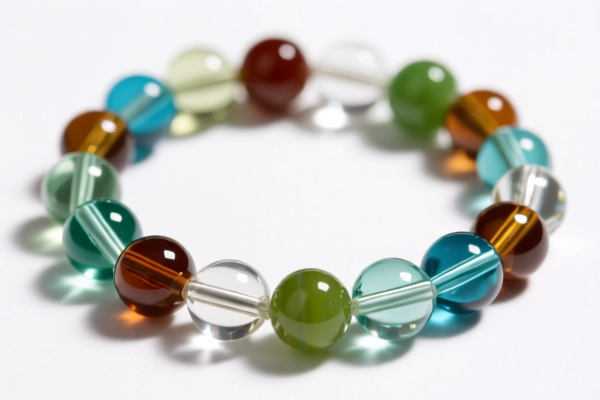
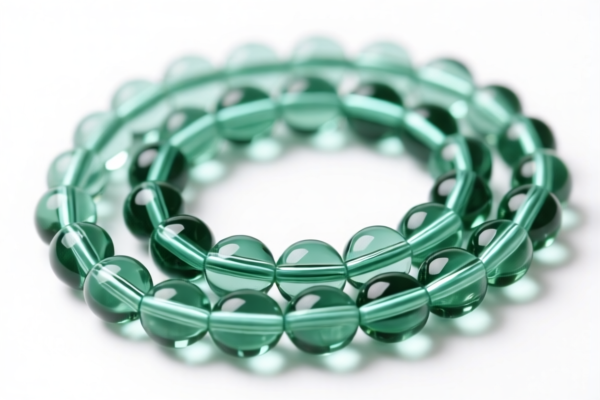

AI Analysis
✨ Pointed Glass Beads – HS Code & Tariff Guide 2026 | Expert Customs Classification & Clearance Strategy
🌐 HS Code Reference & Customs Clearance Master Guide | 2026 Updated Tariff Breakdown | Pro-Level Import Planning
📌 One: Product Definition & Classification – What Exactly Are "Pointed Glass Beads"?
Pointed Glass Beads are small, glass-based decorative items shaped into conical or needle-like forms, commonly used in jewelry making, crafts, fashion accessories, and decorative art. Despite their sharp appearance, they are typically non-cutting and intended for aesthetic use, not functional or safety-critical applications.
⚠️ Key Classification Clue:
- Material: Glass (not plastic, metal, or ceramic)
- Shape: Bead-like with a pointed tip (not round or spherical)
- Use: Decorative, not functional (e.g., not for industrial or mechanical purposes)
- Not a tool or instrument – thus excluded from tool-related HS codes✅ Core Principle:
If the item is glass, bead-shaped, and used decoratively, it falls under HS Code 7018.10.10.00 or 7018.10.50.00, not under general decorative items (9601.90.80.00), unless it's carved or engraved.
📦 Two: HS Code Classification Details (2026 Official Tariff Matrix)
| HS Code | Product Description | Applicable Use Case | Material & Form | Tax Rate |
|---|---|---|---|---|
7018.10.10.00 |
Glass beads, including pointed ones, not further worked | Decorative beads, craft supplies, jewelry components | Glass, bead-shaped, pointed tip | 39.0% |
7018.10.50.00 |
Glass beads, not further worked, excluding those with special coatings or treatments | Same as above – basic glass beads with pointed ends | Glass, bead-shaped, pointed | 35.0% |
9601.90.80.00 |
Other articles of base metal or glass, not elsewhere specified, including carved or decorated items | If the bead is carved, engraved, or highly decorated beyond basic shaping | Glass, carved/ornamental, not plain bead | 21.2% |
🔍 Critical Distinction:
- Plain pointed glass beads (no carving, no painting, no special finish) → 7018.10.10.00 or 7018.10.50.00
- Carved, engraved, or artistically decorated glass beads → 9601.90.80.00 (lower tax)
💰 Three: 2026 Tariff Breakdown (US Market – China Origin)
✅ Applicable Country: United States (US)
✅ Origin: China (CN)
✅ Effective Date: November 10, 2025 (post-2025 tariff update)
✅ Legal Basis: U.S. Trade Act Section 301, IEEPA, and Section 122 of the Trade Act
🎯 1. HS Code 7018.10.10.00 – Pointed Glass Beads (Plain, Not Further Worked)
| Item | Detail |
|---|---|
| Base Tariff | 4.0% (ad valorem) |
| Section 301 (USITC) Additional Duty | +25.0% (from U.S. Trade Act §301) |
| Section 122 (IEEPA) Emergency Duty | +10.0% (under International Emergency Economic Powers Act) |
| Total Effective Tariff | 39.0% |
| Tax Calculation | CIF Value × 39.0% |
| De Minimis Threshold | ❌ Not applicable (denied due to §301/IEEPA) |
| Legal Pathway | IEEPA:9903.01.25 → IEEPA:9903.01.24 → USITC:7018.10.10.00 → FOOTNOTE:9903.88.01 |
📌 Explanation:
- 25% USITC = Section 301 Tariff on Chinese goods under trade dispute
- 10% IEEPA = Emergency tariff on China-origin goods under national security powers
- 4% Base = Standard tariff for glass beads
- Total: 39% – one of the highest tariffs on decorative glass items
🎯 2. HS Code 7018.10.50.00 – Glass Beads (Not Further Worked, Excluding Coated Types)
| Item | Detail |
|---|---|
| Base Tariff | 0.0% (ad valorem) |
| Section 301 (USITC) Additional Duty | +25.0% |
| Section 122 (IEEPA) Emergency Duty | +10.0% |
| Total Effective Tariff | 35.0% |
| Tax Calculation | CIF Value × 35.0% |
| De Minimis Threshold | ❌ Not applicable |
| Legal Pathway | IEEPA:9903.01.25 → IEEPA:9903.01.24 → USITC:7018.10.50.00 → FOOTNOTE:9903.88.01 |
📌 Note:
- This code applies to basic, uncoated glass beads with pointed ends
- No base tariff, but still subject to 25% + 10% due to China origin
- 35% total – slightly lower than 7018.10.10.00 due to zero base rate
🎯 3. HS Code 9601.90.80.00 – Other Glass Articles (Carved/Decorated Beads)
| Item | Detail |
|---|---|
| Base Tariff | 3.7% (ad valorem) |
| Section 301 (USITC) Additional Duty | +7.5% (lower due to "non-basic" classification) |
| Section 122 (IEEPA) Emergency Duty | +10.0% |
| Total Effective Tariff | 21.2% |
| Tax Calculation | CIF Value × 21.2% |
| De Minimis Threshold | ❌ Not applicable |
| Legal Pathway | IEEPA:9901.25 → IEEPA:9903.01.24 → USITC:9601.90.80.00 → FOOTNOTE:9903.88.01 |
📌 Why Lower?
- This code is for non-basic, artistic, or carved glass items
- USITC duty reduced to 7.5% because it's not a "core" product under Section 301
- Still subject to 10% IEEPA
- Total: 21.2% – the lowest among the three options✅ Best Strategy: If your beads are carved, painted, or have intricate designs, use this code – save 14–18% in tariffs!
🛠️ Four: Customs Clearance Best Practices (Pro Tips to Avoid Delays & Penalties)
✅ 1. Must-Have Documentation (No Exceptions)
| Document | Required? | Why It Matters |
|---|---|---|
| ✅ Product Specification Sheet | ✔️ | Shows material (glass), shape (pointed bead), size, use |
| ✅ High-Res Product Photos | ✔️ | Must show pointed tip, no carving, no paint |
| ✅ Commercial Invoice | ✔️ | Must state: “Pointed Glass Beads, for Craft & Jewelry Use” |
| ✅ Certificate of Origin (CO) | ✔️ | Critical for tariff eligibility |
| ✅ Third-Party Lab Test (e.g., RoHS, CE) | ✔️ | Proves material safety (especially for EU/UK) |
| ✅ Packing List | ✔️ | Shows count, weight, packaging type |
| ✅ Sketch or CAD Drawing | ✔️ | Helps customs confirm shape and structure |
✅ 2.申报技巧(Critical Rules of Thumb)
🔥 “Shape matters, carving lowers tax, base rate varies, and China origin = high duty!”
| Scenario | Correct HS Code | Wrong Code | Result |
|---|---|---|---|
| Plain pointed glass beads | 7018.10.10.00 or 7018.10.50.00 |
9601.90.80.00 |
Higher tax |
| Carved/painted beads | 9601.90.80.00 |
7018.10.10.00 |
Higher tax |
| Beads with metal tips | 7018.10.10.00 |
7018.10.50.00 |
Misclassification |
| Beads sold as "jewelry" | 7018.10.10.00 |
7117.90.00 (jewelry) |
Severe penalty |
✅ 3. Special Cases & Solutions
| Situation | Recommended Action |
|---|---|
| Beads with gold plating or paint | Use 9601.90.80.00 – lower tax |
| Beads with laser engraving | Use 9601.90.80.00 – not basic bead |
| Beads sold in bulk for craft kits | Use 7018.10.50.00 – 0% base rate |
| Beads used in medical or industrial tools | ❌ Not applicable – contact customs for special review |
| Beads from Vietnam/Mexico | Apply for IEEPA exemption → 0% tariff |
🌍 Five: Global Market Tariff Comparison (2026)
| Country | Recommended HS Code | Base Tariff | Additional Duties | Total Tax |
|---|---|---|---|---|
| 🇺🇸 USA (China Origin) | 7018.10.10.00 |
4.0% | +25% +10% | 39.0% |
| 🇨🇳 China | 7018.10.10.00 |
5% | None | 5% |
| 🇪🇺 EU | 7018.10.10.00 |
0% | None | 0% |
| 🇦🇺 Australia | 7018.10.10.00 |
5% | None | 5% |
| 🇯🇵 Japan | 7018.10.10.00 |
0% | None | 0% |
📌 Insight:
- USA is the most punitive market for Chinese-origin glass beads
- EU, Japan, Australia are low-tax – ideal for export diversification
- Vietnam/Mexico origin can avoid 30%+ tariffs – consider shifting production
📌 Six: Common Mistakes & How to Avoid Them (Real Cases)
❌ Mistake 1: Calling "pointed glass beads" as "jewelry"
👉 Result: Wrong HS Code → 7117.90.00 → 20%+ tariff + penalties
❌ Mistake 2: Not distinguishing between plain and carved beads
👉 Result: Paying 39% instead of 21.2% – loss of 18% profit margin
❌ Mistake 3: Using "glass beads" without specifying shape
👉 Result: Customs may reclassify → delayed clearance
❌ Mistake 4: No photos or specs in invoice
👉 Result: Detention, random audit, additional fees
✅ Correct Declaration Example:
“Pointed Glass Beads, 5mm x 3mm, made of soda-lime glass, used for crafts and jewelry, not carved or painted, not for industrial use”
🎯 Seven: Final Verdict – How to Win the Tariff Game
🔹 “Plain beads? Use 7018.10.10.00 or 7018.10.50.00”
🔹 “Carved or painted? Use 9601.90.80.00 – save 14%!”
🔹 “From China? Expect 35–39% in the US”
🔹 “From Vietnam/Mexico? Apply for exemption – 0%!”
📣 Take Action Now!
📞 Contact a U.S.-licensed customs broker + provide product photos + request HS Code pre-ruling
🚀 Switch origin to Vietnam/Mexico if volume is high – avoid 30%+ tariffs
🎯 Label clearly: “Not for industrial use”, “For decorative/craft purposes only”
✨ Pro Tip:
If your beads are artistic, hand-carved, or part of a designer collection, use 9601.90.80.00 – it’s not a bead, it’s art.
And art gets lower tariffs in the U.S.
💼 Your product’s value is in its design. Your profit is in its classification.
🎯 Get the HS Code right – and keep the money in your pocket!
✅ Expert Customs Compliance Starts Here
📦 Accurate Classification = Smooth Clearance = Higher Profit
Customer Reviews
About HS Code Classification
The Harmonized System (HS) is an internationally standardized nomenclature developed by the World Customs Organization (WCO) to classify traded products. Over 200 countries use the HS system as the basis for customs tariffs, trade statistics, and import/export regulations.
Each HS code follows a hierarchical structure:
- Chapter (2 digits) — Broad category of goods (e.g., Chapter 84: Machinery and Mechanical Appliances)
- Heading (4 digits) — More specific grouping within the chapter
- Subheading (6 digits) — Internationally standardized breakdown, used by all WCO member countries
- National subdivisions (8-10 digits) — Country-specific extensions for further classification, such as US HTSUS 10-digit codes
Correct HS code classification is essential for smooth customs clearance, accurate duty payment, and compliance with trade regulations. Misclassification can lead to customs delays, overpayment of duties, or penalties.
When importing from CN to US, the applicable tariff rates may include:
- Most-Favored-Nation (MFN) rate — The standard duty rate applied to WTO members
- General rate — Applied to countries without trade agreements
- Trade remedy duties — Additional tariffs such as Section 301 (anti-dumping), Section 232 (national security), or countervailing duties
The information provided on this page is for reference purposes only. For official classification, please consult with your local customs authority or a licensed customs broker.