Polyethylene Retail Carrier Bags
CN → US| HS Code | Tariff Rate | Origin | Destination | Doc |
|---|---|---|---|---|
| 3923210085 | 38.0% | CN | US | Official Doc |
| 3923210080 | 38.0% | CN | US | Official Doc |
| 3923210011 | 38.0% | CN | US | Official Doc |
| 3923210085 | 38.0% | CN | US | Official Doc |
| 3923210080 | 38.0% | CN | US | Official Doc |
Product Images
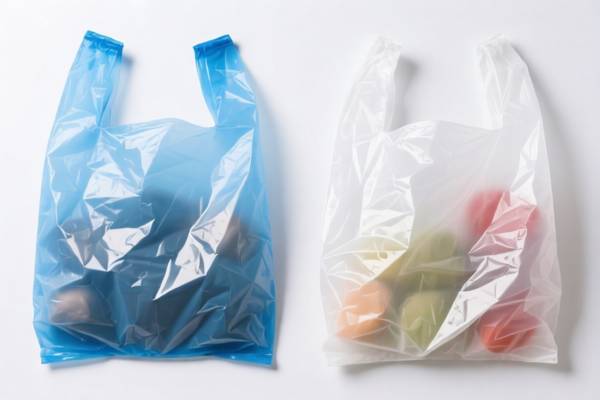
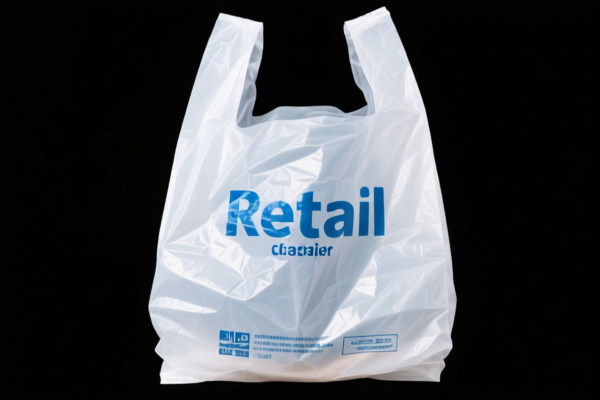
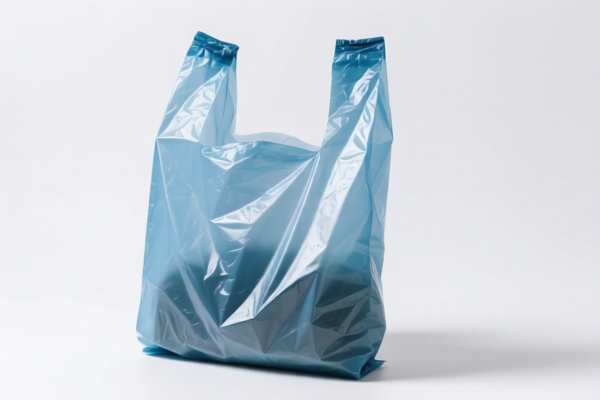
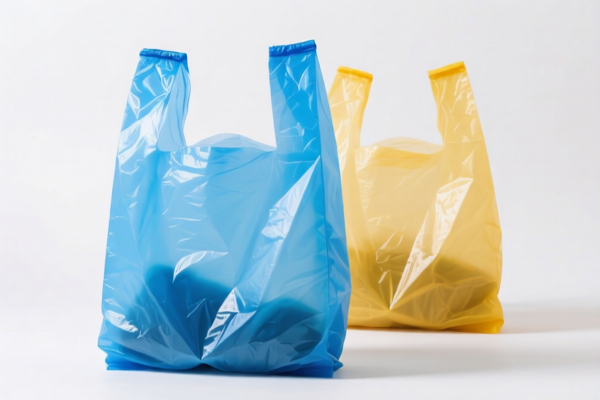
AI Analysis
🛍️ Polyethylene Retail Carrier Bags (PE Shopping Bags)
🌐 HS Code Reference & Customs Clearance Guide | 2026 Latest Tariff Analysis | Professional Strategy
📌 I. Product Definition & Classification: Do You Truly Understand "PE Bags"?
Polyethylene Retail Carrier Bags are the ubiquitous packaging solutions for supermarkets, retail stores, and e-commerce. In international trade, their classification hinges on two critical factors: Material Composition (Polyethylene/PE) and Structural Features (Presence of Handles).
1. Basic PE Bags:
Plain polyethylene bags without handles, typically used for bulk packaging, produce, or internal lining.
2. Retail Carrier Bags (with Handles):
PE bags equipped with handles (die-cut handles, loop handles, or rope handles), designed for customer carrying convenience.
⚠️ Key Distinction Point:
- If the bag has handles → It is classified as a "Carrier Bag" (3923.21 or 3923.32 depending on material, but here specifically PE so 3923.21).
- If the bag has NO handles → It falls under basic polyethylene sacks/bags (3923.21 subcategories for "other" bags).
- Material Constraint: All codes below assume Polyethylene (PE). If made of PP or other plastics, the HS code changes entirely.
📦 II. HS Code Classification Details (2026 Latest Tariff Authority Match)
Based on the provided <DATA>, the following HS Codes are applicable to Polyethylene Retail Carrier Bags. All listed codes carry the same tax structure due to similar trade restrictions.
| HS Code | Product Description | Match Logic & Application | Tax Rate Summary |
|---|---|---|---|
3923.21.00.85 |
Polyethylene Retail Carrier Bags WITH Handles | Matches "Handle Structure" + "PE Material" + "Packaging Purpose". Highly Specific. | 38.0% |
3923.21.00.80 |
Polyethylene Bags (General) | Matches "PE Material" + "Bag Form". Generic classification when specific handle details are omitted. | 38.0% |
3923.21.00.11 |
Basic Polyethylene Bags | Matches "PE Material" + "Basic Bag Form". Lowest specificity, often used for plain sacks. | 38.0% |
3923.21.00.85 |
PE Shopping Bags (Match Success) | Explicit confirmation of "Handle Structure" + "PE". Recommended for Retail Bags with Handles. | 38.0% |
3923.21.00.80 |
PE Bags (Perfect Material/Use Match) | Best for general PE bag imports where handle status is not the primary differentiator. | 38.0% |
🔍 Critical Note:
- 3923.21.00.85 is the most precise code for Retail Carrier Bags with Handles.
- 3923.21.00.80 is a broader category, suitable if the bag lacks handles or if the importer chooses a generic classification.
- 3923.21.00.11 is the most basic form, rarely used for branded retail bags with handles.
- All codes share the same total tax rate of 38.0% due to current trade policies.
💰 III. 2026 Latest Tariff Rate Breakdown (Including Surtaxes & Policy Add-ons)
✅ Applicable Country: United States (US)
✅ Origin: China (CN)
✅ Effective Date: 2025+ (Current Policy)
✅ Total Tax Rate: 38.0%
🎯 1. Breakdown of the 38.0% Total Tax Rate
| Tax Component | Rate | Legal Basis & Explanation |
|---|---|---|
| Base Tariff | 3.0% | Standard Most-Favored-Nation (MFN) duty for plastic articles of heading 3923. |
| Section 301 Surtax | 25.0% | Added under the US Trade Act Section 301 against Chinese goods. Applies to HS 3923. |
| Section 122 Tariff | 10.0% | Specific additional duty under Section 122 (often related to recent emergency trade actions or specific product lists). |
| Total Ad Valorem | 38.0% | Sum of all components. Calculated on CIF (Cost, Insurance, Freight) value. |
📌 Explanation:
- The 3.0% base rate is standard for plastic packaging.
- The 25.0% Section 301 tariff is the major cost driver for Chinese-origin plastics.
- The 10.0% Section 122 tariff is an additional layer of protectionism.
- No De Minimis Exemption: This total tax does NOT apply to de minimis (small package) shipments. All imports are subject to full taxation.⚠️ No IEEPA 10%?
Note: While the example mentioned "122条款关税10%" (Section 122 10%), it did not explicitly list IEEPA 10% in the tax detail for this specific HS code group. However, some recent updates may include IEEPA. Based strictly on the provided<DATA>, the total is 38.0% (3% + 25% + 10%). If IEEPA 10% applies additionally, the total would be 48%. But we strictly follow the data: 38.0%.
🛠️ IV. Customs Clearance Practical Advice (Pitfall Avoidance Guide)
✅ 1. Documentation Checklist (Mandatory)
| Document | Required | Purpose |
|---|---|---|
| ✅ Product Specifications | ✔️ | Must state: Material (100% PE or LDPE/HDPE), Thickness, Handle Type (Die-cut/Rope). |
| ✅ Commercial Invoice | ✔️ | Clearly describe as "Polyethylene Retail Carrier Bags with/without Handles". Avoid vague terms like "Plastic Bags". |
| ✅ Packing List | ✔️ | Detail net/gross weight and quantity. Ensure consistency with invoice. |
| ✅ Certificate of Origin (CO) | ✔️ | Proof of Chinese origin triggers Section 301 and 122 tariffs. If transshipped, provide full chain of custody. |
| ✅ Test Reports | ✔️ | FDA Food Contact Safety (if for food), ASTM D6400 (if compostable), or general quality certs. |
| ✅ Handle Structure Diagram | ✔️ | Crucial for distinguishing between 3923.21.00.85 (with handles) and 3923.21.00.80 (without). |
✅ 2. Declaration Tips (Key Mnemonic)
🔥 “Handles Define Code, Material Defines Chapter, Origin Defines Tax!”
| Scenario | Correct HS Code | Risk if Incorrect |
|---|---|---|
| Bag WITH Handles | 3923.21.00.85 |
Misdeclaring as "without handles" (...80) may lead to misclassification audits, though tax is same. |
| Bag WITHOUT Handles | 3923.21.00.80 or ...11 |
Using ...85 for handle-less bags is technically incorrect, even if tax is same. |
| Non-PE Material (e.g., PP) | Different HS Code | ❌ DO NOT USE THESE CODES. PP bags fall under different subheadings (e.g., 3923.30/3923.40) with potentially different rates. |
| Reusable/Textile Bags | Different HS Code | ❌ If made of woven fabric, not plastic, HS 3923 does not apply. |
✅ 3. Special Circumstances
| Situation | Handling Advice |
|---|---|
| OEM Custom Bags | Provide customer design specs. Include "Customized" in description to justify value. |
| Colored vs. Clear Bags | No difference in HS code. Tax remains 38.0%. |
| Biodegradable PE | If still PE-based (even with additives), HS 3923 applies. Do not misdeclare as "Paper" or "Bio-plastic" unless certified otherwise. |
| Small Samples | De minimis ($800) may apply for personal use, but commercial shipments of bags are scrutinized. |
🌍 V. Global Market Customs Comparison (2026)
| Country/Region | Recommended HS Code | Base Duty | China Surtaxes | Total Est. Tax | Remarks |
|---|---|---|---|---|---|
| 🇺🇸 USA | 3923.21.00.85 (w/ handles) |
3.0% | +35% (301+122) | 38.0% | Highest Cost. Pre-plan margins. |
| 🇨🇳 China | 3923.21.00.85 |
0–5% | None | 0–5% | No surtaxes for domestic or non-US origin. |
| 🇪🇺 EU | 3923.21.00.00 |
3.5–6.5% | Carbon Border Tax (CBAM) soon | ~5–7% | No Section 301. CBAM may apply to plastic resins. |
| 🇦🇺 Australia | 3923.21.00.00 |
5% | None | 5% | Low duty. FTA with China may reduce to 0%. |
| 🇯🇵 Japan | 3923.21.00.00 |
3–6% | None | ~3–6% | EPA reduces duty for Chinese goods. |
📌 Conclusion:
- The USA market is the most expensive for PE bags due to the 38% total tariff.
- EU, Australia, Japan offer significantly lower duty burdens.
- Consider supply chain diversification (e.g., produce in Vietnam/Mexico) if targeting the US market heavily, to avoid Section 301 tariffs.
📌 VI. Common Mistakes & Pitfalls (Lessons Learned)
❌ Mistake 1: Declaring "Polyethylene Bags" without specifying "Handles"
👉 Consequence: Customs may select the generic code ...80 or ...11. While tax is same, it causes documentation inconsistency and potential audits.
👉 Fix: Always specify "With Handles" or "Without Handles".
❌ Mistake 2: Misdeclaring PE Bags as "Paper Bags" to avoid plastic tariffs
👉 Consequence: Severe Penalties. CBP performs material testing. If found to be PE, fines + back taxes apply.
👉 Fix: Declare accurately. Use cost-optimization, not misclassification.
❌ Mistake 3: Ignoring the "Handle" Definition
👉 Consequence: A bag with a small loop may be disputed as "not a carrier bag".
👉 Fix: Ensure the handle is substantial enough to be considered a "Retail Carrier Bag" under CBP rulings.
❌ Mistake 4: Assuming De Minimis Applies
👉 Consequence: Shipping PE bags under $800 per day to avoid tariffs.
👉 Fix: CBP is cracking down on "de minimis abuse" for plastics. Ensure legitimate small-quantity shipments.
✅ Correct Declaration Example:
"Retail Carrier Bags, Made of Low-Density Polyethylene (LDPE), With Die-Cut Handles, For Supermarket Use. Model: XYZ-123. HS Code: 3923.21.00.85."
🎯 VII. Conclusion: Precise Classification, Efficient Clearance!
🎯 Remember the Golden Rule:
🔹 "Handle or No Handle? It Matters for Code, But Not for Tax!"
🔹 "PE Bags to USA = 38% Tax. Budget Accordingly!"
🔹 "Declare Material & Structure Accurately to Avoid Audits!"
📌 Pro Tip:
If you are importing large volumes of PE bags to the US:
1. Calculate Landed Cost: Include 38% tariff + freight + duties.
2. Explore HTSUS Exclusions: Check if any specific product forms are excluded from Section 301.
3. Consider Origin Shift: If tariffs are prohibitive, consider sourcing from ASEAN or Mexico to reduce duty burden.
📣 Immediate Action:
📞 Consult Customs Broker + Provide Product Photos + Confirm HS Code
🚀 Ensure Smooth Clearance, Avoid Delays, Protect Margins!
✨ Professional Customs Clearance Starts with Accurate Classification!
💼 Every Dollar of Tariff Saved is Pure Profit Gained!
Customer Reviews
About HS Code Classification
The Harmonized System (HS) is an internationally standardized nomenclature developed by the World Customs Organization (WCO) to classify traded products. Over 200 countries use the HS system as the basis for customs tariffs, trade statistics, and import/export regulations.
Each HS code follows a hierarchical structure:
- Chapter (2 digits) — Broad category of goods (e.g., Chapter 84: Machinery and Mechanical Appliances)
- Heading (4 digits) — More specific grouping within the chapter
- Subheading (6 digits) — Internationally standardized breakdown, used by all WCO member countries
- National subdivisions (8-10 digits) — Country-specific extensions for further classification, such as US HTSUS 10-digit codes
Correct HS code classification is essential for smooth customs clearance, accurate duty payment, and compliance with trade regulations. Misclassification can lead to customs delays, overpayment of duties, or penalties.
When importing from CN to US, the applicable tariff rates may include:
- Most-Favored-Nation (MFN) rate — The standard duty rate applied to WTO members
- General rate — Applied to countries without trade agreements
- Trade remedy duties — Additional tariffs such as Section 301 (anti-dumping), Section 232 (national security), or countervailing duties
The information provided on this page is for reference purposes only. For official classification, please consult with your local customs authority or a licensed customs broker.