Polymer Material Mixture
CN → US| HS Code | Tariff Rate | Origin | Destination | Doc |
|---|---|---|---|---|
| 3901909000 | 41.5% | CN | US | Official Doc |
| 3901905501 | 41.5% | CN | US | Official Doc |
| 3907995050 | 41.5% | CN | US | Official Doc |
| 3915900090 | 35.0% | CN | US | Official Doc |
| 3915900010 | 35.0% | CN | US | Official Doc |
Product Images
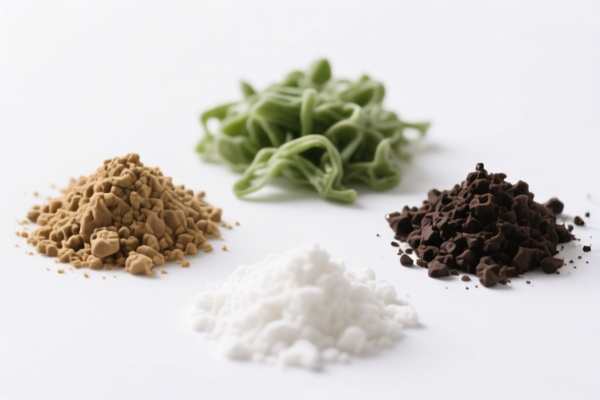
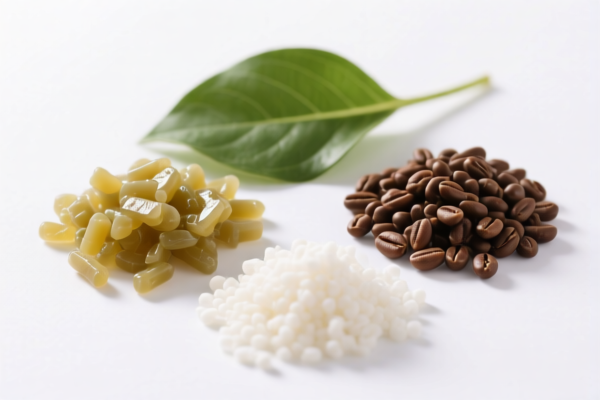


AI Analysis
🧪 Polymer Material Mixture (高分子材料混合物)
🌐 HS Code Reference & Customs Clearance Guide | 2026 Latest Tariff Analysis | Professional Clearance Strategy
📌 I. Product Definition & Classification: What is a "Polymer Material Mixture"?
In international trade, "Polymer Material Mixture" is not a single, monolithic product but a category descriptor that depends entirely on the specific chemical composition and polymer type of the mixture. The Harmonized System (HS) classifies these mixtures based on whether they are: 1. Primary Polymers: Mixtures dominated by specific polymer types like Ethylene or Polyester. 2. Waste/Scrap: Recyclable plastic/resin waste or off-cuts.
⚠️ Key Distinction Point:
- If the mixture is based on Ethylene Polymers (including copolymers) → Falls under HS 3901.
- If the mixture is based on Polyesters (e.g., PET, PBT) → Falls under HS 3907.
- If the mixture is classified as Plastic Waste/Scrap (recyclable resin residues) → Falls under HS 3915.
📦 II. HS Code Classification Details (2026 Latest Tariff Authority Comparison)
| HS Code | Product Description | Applicable Scenario | Polymer Basis |
|---|---|---|---|
3901.90.90.00 |
Polymer Material Mixture, Ethylene Polymer Basis, Other | Mixture dominated by Ethylene homopolymers, not elsewhere specified | ✅ Ethylene Homopolymer |
3901.90.55.01 |
Polymer Material Mixture, Ethylene Copolymer Basis | Mixture dominated by Ethylene Copolymers (e.g., LDPE, LLDPE blends) | ✅ Ethylene Copolymer |
3907.99.50.50 |
Polymer Material Mixture, Polyester/Other Polymer Basis | Mixture dominated by Polyesters (PET/PBT) or other unspecified polymers | ✅ Polyester / Other |
3915.90.00.90 |
Polymer Material Mixture, Plastic/Resin Basis (Waste/Scrap) | Recyclable plastic residues, off-cuts, or scrap material, not elsewhere specified | ✅ Plastic/Resin Waste |
3915.90.00.10 |
Polymer Material Mixture, Synthetic Resin Basis (Waste/Scrap) | Recyclable synthetic resin residues or scrap, specifically identified as resin waste | ✅ Synthetic Resin Waste |
🔍 Critical Reminder:
- HS 3901 & 3907 refer to primary polymer mixtures (virgin or recycled pellets/granules for manufacturing).
- HS 3915 refers specifically to waste and scrap of plastics.
- Misclassification between "Virgin Mixture" and "Waste Scrap" can lead to severe customs penalties.
💰 III. 2026 Latest Tariff Rate Breakdown (Including Surtaxes, Policy Surtaxes)
✅ Applicable Country: United States (US)
✅ Origin: China (CN)
✅ Effective Time: 2025-11-10 onwards (including subsequent imports)
🎯 1. 3901.90.90.00 —— Polymer Mixture (Ethylene Polymer Basis)
| Item | Content |
|---|---|
| Basic Duty Rate | 6.5% (ad valorem) |
| Section 301 Surcharge | +25.0% (USITC Footnote associated with HTSUS 3901) |
| Section 122 Surtax | +10.0% (Specific surcharge policy) |
| Total Rate | 41.5% |
| Tax Calculation | CIF Value × 41.5% |
| De Minimis Exemption | ❌ Not Applicable (High duty rate exceeds threshold considerations) |
| Legal Basis Path | Basic: 6.5% → Section 301: 25% → Section 122: 10% |
📌 Explanation:
- "Basic Duty 6.5%": Standard MFN rate for ethylene polymers.
- "Section 301 Surcharge 25%": Additional tariff imposed on Chinese goods under US Trade Act Section 301.
- "Section 122 Surtax 10%": Specific administrative surcharge applicable to this category.
- Total 41.5% is a high-cost item for importers. Cost must be factored into pricing strategies.
🎯 2. 3901.90.55.01 —— Polymer Mixture (Ethylene Copolymer Basis)
| Item | Content |
|---|---|
| Basic Duty Rate | 6.5% |
| Section 301 Surcharge | +25.0% |
| Section 122 Surtax | +10.0% |
| Total Rate | 41.5% |
| Tax Calculation | CIF Value × 41.5% |
| De Minimis Exemption | ❌ Not Applicable |
| Legal Basis Path | Basic: 6.5% → Section 301: 25% → Section 122: 10% |
📌 Note:
- Identical tariff structure to3901.90.90.00.
- Even if the copolymer composition varies (e.g., different monomer ratios), as long as it is an Ethylene Copolymer, the 41.5% rate applies.
🎯 3. 3907.99.50.50 —— Polymer Mixture (Polyester/Other Basis)
| Item | Content |
|---|---|
| Basic Duty Rate | 6.5% |
| Section 301 Surcharge | +25.0% |
| Section 122 Surtax | +10.0% |
| Total Rate | 41.5% |
| Tax Calculation | CIF Value × 41.5% |
| De Minimis Exemption | ❌ Not Applicable |
| Legal Basis Path | Basic: 6.5% → Section 301: 25% → Section 122: 10% |
📌 Warning:
- This covers Polyester-based mixtures (commonly used in textiles, bottles, films).
- Do not confuse with "Polyamide" or "Polyolefin" mixtures, which may have different HS codes.
- High tariff impact on downstream manufacturing costs (e.g., plastic injection molding).
🎯 4. 3915.90.00.90 —— Polymer Mixture (Plastic/Resin Waste/Scrap)
| Item | Content |
|---|---|
| Basic Duty Rate | 0.0% |
| Section 301 Surcharge | +25.0% |
| Section 122 Surtax | +10.0% |
| Total Rate | 35.0% |
| Tax Calculation | CIF Value × 35.0% |
| De Minimis Exemption | ❌ Not Applicable |
| Legal Basis Path | Basic: 0.0% → Section 301: 25% → Section 122: 10% |
📌 Explanation:
- Basic Duty is 0%: Recyclable waste often has lower base duties.
- However, the 25% Section 301 and 10% Section 122 still apply, bringing the total to 35%.
- Crucial: Ensure the material is genuinely "waste/scrap." If it is usable recycled pellets, it may be misclassified as waste.
🎯 5. 3915.90.00.10 —— Polymer Mixture (Synthetic Resin Waste/Scrap)
| Item | Content |
|---|---|
| Basic Duty Rate | 0.0% |
| Section 301 Surcharge | +25.0% |
| Section 122 Surtax | +10.0% |
| Total Rate | 35.0% |
| Tax Calculation | CIF Value × 35.0% |
| De Minimis Exemption | ❌ Not Applicable |
| Legal Basis Path | Basic: 0.0% → Section 301: 25% → Section 122: 10% |
📌 Note:
- Identical tariff structure to3915.90.00.90.
- Specific to Synthetic Resin waste.
- Both3915codes are cheaper than3901/3907by 6.5% due to the 0% basic duty.
🛠️ IV. Customs Clearance Practical Advice (Battle-Tested Pitfall Guide)
✅ 1. Preparation Checklist (Must-Have Documents)
| Document | Required | Description |
|---|---|---|
| ✅ Material Safety Data Sheet (MSDS) | ✔️ | Must specify polymer type (Ethylene, Polyester, etc.) and composition. |
| ✅ Certificate of Composition | ✔️ | Detailed breakdown of polymer percentages (e.g., 60% Ethylene, 40% Additives). |
| ✅ Product Photos | ✔️ | Clear images of pellets/granules/waste to distinguish from "finished goods." |
| ✅ Declaration Form | ✔️ | Explicitly state "Polymer Material Mixture" and specify HS Code basis. |
| ✅ Bill of Lading / Invoice | ✔️ | Match description exactly with MSDS. |
✅ 2. Declaration Tips (Key Mantras)
🔥 "Identify Polymer First, Then Classify; Don't Call Scrap 'Virgin'!"
| Scenario | Correct Declaration | Wrong Action |
|---|---|---|
| Ethylene-Based Mixture | 3901.90.90.00 or 3901.90.55.01 |
Misclassifying as 3907 → Risk of audit/fine |
| Polyester-Based Mixture | 3907.99.50.50 |
Misclassifying as 3901 → Incorrect tax calculation |
| Plastic Waste/Scrap | 3915.90.00.90 or 3915.90.00.10 |
Calling it "Recycled Pellets" if it's waste → Misclassification risk |
| Mixed Polymers | Use primary component rule | Randomly choosing a code → Customs rejection |
✅ 3. Special Case Handling
| Situation | Handling Advice |
|---|---|
| OEM Custom Mixtures | Provide client formula + MSDS. If additives >50%, reclassify under "Other Plastics." |
| Recycled vs. Virgin | If "Recycled," ensure it meets US EPA standards. If "Scrap," declare under 3915. |
| Mixed Packaging | Declare bulk polymer only. Do not include packaging costs in CIF for duty base if possible. |
| Small Samples | Even small quantities are subject to 41.5% or 35% duties. No "free" entry for samples. |
🌍 V. Global Market Comparison (2026 Latest)
| Country/Region | Recommended HS Code | Duty Rate (China Origin) | Certification Requirements | Notes |
|---|---|---|---|---|
| 🇺🇸 USA | 3901 / 3907 / 3915 |
35% - 41.5% | None specific (general) | Highest duty market due to Section 301 + 122 |
| 🇨🇳 China | 3901 / 3907 / 3915 |
5% - 6.5% | None | Low duty, but import quotas may apply |
| 🇪🇺 EU | 3901 / 3907 |
0% - 6.5% | REACH Compliance | No Section 301 surcharge |
| 🇦🇺 Australia | 3901 / 3907 |
5% - 10% | None | Moderate duty |
| 🇯🇵 Japan | 3901 / 3907 |
0% - 6% | None | Low duty |
📌 Conclusion:
- USA is the most expensive market for Polymer Material Mixtures due to Section 301 (25%) and Section 122 (10%).
- Total duties range from 35% (Waste) to 41.5% (Virgin/Primary Polymers).
- Consider supply chain diversification (e.g., sourcing from Vietnam, Thailand) to avoid high US tariffs.
📌 VI. Common Errors & Pitfalls (Blood-Tested Lessons)
❌ Error 1: Declaring "Recycled Pellets" as "Waste/Scrap" (3915) to save tax.
👉 Consequence: If the material is usable and meets quality standards, it is not waste. Customs will reclassify as 3901/3907 → Back taxes + Penalties.
❌ Error 2: Mixing Ethylene and Polyester in one shipment and declaring one HS Code.
👉 Consequence: Customs will split the shipment or reject it. Each polymer type must be declared separately.
❌ Error 3: Ignoring the Section 122 Surtax.
👉 Consequence: Unexpected 10% additional cost on top of 301 tariffs. Budget must include this.
❌ Error 4: Using vague descriptions like "Plastic Mixture" without specifying polymer basis.
👉 Consequence: Customs will apply the highest possible duty rate or hold goods for inspection.
✅ Correct Practice:
"Polymer Material Mixture, Ethylene-Based, 60% Ethylene Homopolymer, 40% Additives, MSDS Attached, HS 3901.90.90.00"
🎯 VII. Conclusion: Professional Declaration Saves Money!
🎯 Remember the Mantra:
🔹 "Identify Polymer: Ethylene = 3901, Polyester = 3907, Waste = 3915"
🔹 "USA Duty: 35% (Waste) vs 41.5% (Virgin). Difference is 6.5%."
🔹 "Don't hide Section 122. It's 10% extra. Plan accordingly."
📌 Pro Tip:
If your polymer mixture originates from Vietnam, Mexico, Thailand, or Malaysia, you may qualify for Section 301 Exemptions or lower tariffs under FTAs.
Recommendation: Apply for Advance Rulings (Rulings) from CBP to confirm HS Code classification before shipping.
📣 Immediate Action:
📞 Contact a Licensed Customs Broker + Provide MSDS + Request HS Code Pre-Ruling
🚀 Ensure your Polymer Mixtures clear US Customs smoothly, avoid unexpected costs, and maximize profit margins!
✨ Professional Clearance, Starting with Accurate Classification!
💼 Your Every Dollar of Duty Should Be Precisely Calculated!
Customer Reviews
About HS Code Classification
The Harmonized System (HS) is an internationally standardized nomenclature developed by the World Customs Organization (WCO) to classify traded products. Over 200 countries use the HS system as the basis for customs tariffs, trade statistics, and import/export regulations.
Each HS code follows a hierarchical structure:
- Chapter (2 digits) — Broad category of goods (e.g., Chapter 84: Machinery and Mechanical Appliances)
- Heading (4 digits) — More specific grouping within the chapter
- Subheading (6 digits) — Internationally standardized breakdown, used by all WCO member countries
- National subdivisions (8-10 digits) — Country-specific extensions for further classification, such as US HTSUS 10-digit codes
Correct HS code classification is essential for smooth customs clearance, accurate duty payment, and compliance with trade regulations. Misclassification can lead to customs delays, overpayment of duties, or penalties.
When importing from CN to US, the applicable tariff rates may include:
- Most-Favored-Nation (MFN) rate — The standard duty rate applied to WTO members
- General rate — Applied to countries without trade agreements
- Trade remedy duties — Additional tariffs such as Section 301 (anti-dumping), Section 232 (national security), or countervailing duties
The information provided on this page is for reference purposes only. For official classification, please consult with your local customs authority or a licensed customs broker.