Polyolefin Plasticizer
CN → US| HS Code | Tariff Rate | Origin | Destination | Doc |
|---|---|---|---|---|
| 3812205000 | 40.0% | CN | US | Official Doc |
| 3812201000 | 41.5% | CN | US | Official Doc |
| 3904220000 | 41.5% | CN | US | Official Doc |
| 3904210000 | 41.5% | CN | US | Official Doc |
| 3824999397 | 40.0% | CN | US | Official Doc |
Product Images
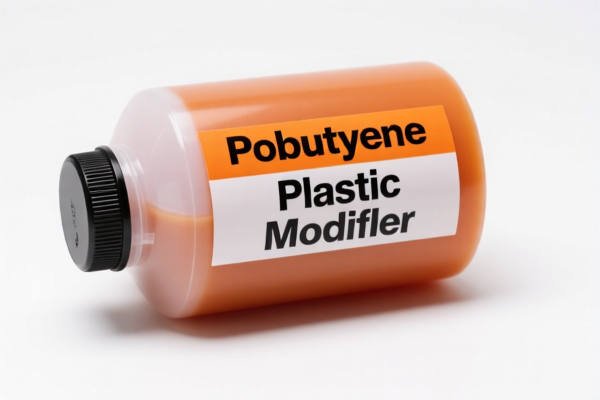


AI Analysis
🧪 Polyolefin Plasticizer
🌐 HS Code Reference & Customs Clearance Guide | 2026 Latest Tariff Analysis | Professional Entry Strategy
📌 I. Product Definition & Classification: Do You Really Understand "Polyolefin Plasticizer"?
Polyolefin Plasticizers are specialized chemical additives used primarily to improve the flexibility, workability, and durability of polyolefin materials (such as Polypropylene/PP and Polyethylene/PE). Unlike traditional phthalate plasticizers used for PVC, polyolefin plasticizers are chemically distinct, often based on hydrogenated hydrocarbon resins, ester-based formulations, or oligomeric structures compatible with non-polar polyolefin matrices.
In international trade, these products are categorized based on their chemical composition, primary form, and specific application:
- Standalone Plasticizing Agents: Pure chemical compounds or mixtures specifically formulated to act as plasticizers (HS 3812).
- Primary Resin Forms: If the substance is a raw resin material used as a plasticizer/compatibilizer in its primary shape (HS 3904).
- Miscellaneous Chemical Preparations: Complex blends or derived chemicals that don’t fit standard plasticizer definitions but serve a plasticizing function (HS 3824).
⚠️ Key Distinction:
- If the product is a finished additive designed solely for plasticizing → HS 3812
- If the product is a raw polymer/resin used in its primary form → HS 3904
- If it is a complex chemical mixture/preparation for plasticizing PVC or other plastics → HS 3824
📦 II. HS Code Classification Details (2026 Latest Tariff Authority Comparison)
| HS Code | Product Description | Application Scenario | Form/Status |
|---|---|---|---|
3812.20.50.00 |
PVC Plasticizer, PVC-based material, used as a plasticizer, matches rubber/plastic composite plasticizer | Specialty additive for PVC/Rubber compounds | ✅ Finished Additive |
3812.20.10.00 |
PVC Plasticizer, PVC-based material, meets material requirements for rubber/plastic | Standard plasticizing additive for plastic/rubber | ✅ Finished Additive |
3904.22.00.00 |
Plasticized PVC Resin, PVC material, resin form, primary form | Raw PVC resin material for processing | ✅ Raw Resin |
3904.21.00.00 |
Plasticized PVC Resin, PVC material, resin form, original/primary product | Bulk raw PVC resin | ✅ Raw Resin |
3824.99.93.97 |
PVC Plasticizer, PVC-related chemical material, used as plasticizer, chemical product/preparation | Complex chemical blend/preparation | ✅ Chemical Preparation |
🔍 Critical Reminder:
- Although the term "Polyolefin Plasticizer" implies compatibility with PP/PE, the provided data references PVC-based or PVC-related substances. Ensure the actual chemical composition matches the HS code description. - If the product is a finished chemical additive specifically for plasticizing, HS 3812 or HS 3824 is most likely. - If the product is a raw polymer resin that acts as a plasticizer, HS 3904 applies.
💰 III. 2026 Latest Tariff Rate Detailed Breakdown (Including Surtaxes & Policy Surcharges)
✅ Applicable Country: United States (US)
✅ Origin: China (CN)
✅ Effective Date: November 10, 2025 (including subsequent imports)
🎯 1. 3812.20.50.00 —— PVC Plasticizer, Composite Plasticizer for Rubber/Plastic
| Item | Content |
|---|---|
| Base Tariff Rate | 5.0% (Ad Valorem) |
| Section 301 Surtax | +25.0% |
| Section 122 Surtax | +10.0% |
| Total Tariff Rate | 40.0% |
| Tax Calculation | CIF Value × 40% |
| De Minimis Eligibility | ❌ Not Eligible (High value threshold for chemicals) |
| Legal Basis Path | Base Tariff: 5.0% → Section 301: 25.0% → Section 122: 10.0% |
📌 Explanation:
- Base Tariff (5%): Standard MFN rate for chemical plasticizing preparations. - Section 301 Surtax (25%): Imposed under U.S. Trade Act Section 301 against Chinese goods. - Section 122 Surtax (10%): Additional tariff under Section 122 of the Trade Expansion Act. - Total 40%: Significant cost burden. Must be factored into pricing strategy.
🎯 2. 3812.20.10.00 —— PVC Plasticizer, Meets Rubber/Plastic Material Requirements
| Item | Content |
|---|---|
| Base Tariff Rate | 6.5% (Ad Valorem) |
| Section 301 Surtax | +25.0% |
| Section 122 Surtax | +10.0% |
| Total Tariff Rate | 41.5% |
| Tax Calculation | CIF Value × 41.5% |
| De Minimis Eligibility | ❌ Not Eligible |
| Legal Basis Path | Base Tariff: 6.5% → Section 301: 25.0% → Section 122: 10.0% |
📌 Note:
- Slightly higher base rate (6.5%) compared to3812.20.50.00due to specific formulation criteria. - Still subject to full surtaxes. Total burden is 41.5%.
🎯 3. 3904.22.00.00 —— Plasticized PVC Resin (Primary Form)
| Item | Content |
|---|---|
| Base Tariff Rate | 6.5% (Ad Valorem) |
| Section 301 Surtax | +25.0% |
| Section 122 Surtax | +10.0% |
| Total Tariff Rate | 41.5% |
| Tax Calculation | CIF Value × 41.5% |
| De Minimis Eligibility | ❌ Not Eligible |
| Legal Basis Path | Base Tariff: 6.5% → Section 301: 25.0% → Section 122: 10.0% |
📌 Attention:
- If the product is imported as a raw resin (not a pre-mixed additive), it falls under Chapter 39. - Even though it is "plasticized resin," it is treated as a primary plastic material. - Tariff burden remains 41.5%.
🎯 4. 3904.21.00.00 —— Plasticized PVC Resin (Original/Primary Product)
| Item | Content |
|---|---|
| Base Tariff Rate | 6.5% (Ad Valorem) |
| Section 301 Surtax | +25.0% |
| Section 122 Surtax | +10.0% |
| Total Tariff Rate | 41.5% |
| Tax Calculation | CIF Value × 41.5% |
| De Minimis Eligibility | ❌ Not Eligible |
| Legal Basis Path | Base Tariff: 6.5% → Section 301: 25.0% → Section 122: 10.0% |
📌 Note:
- Similar to above, applies to raw, unprocessed PVC resin forms. - 41.5% total rate. No advantage over finished plasticizers in terms of tariff savings.
🎯 5. 3824.99.93.97 —— PVC Plasticizer, Chemical Product/Preparation
| Item | Content |
|---|---|
| Base Tariff Rate | 5.0% (Ad Valorem) |
| Section 301 Surtax | +25.0% |
| Section 122 Surtax | +10.0% |
| Total Tariff Rate | 40.0% |
| Tax Calculation | CIF Value × 40.0% |
| De Minimis Eligibility | ❌ Not Eligible |
| Legal Basis Path | Base Tariff: 5.0% → Section 301: 25.0% → Section 122: 10.0% |
📌 Attention:
- This code is for miscellaneous chemical preparations. - If the product is a complex blend that doesn’t fit strictly under3812(dedicated plasticizers), it may fall here. - Same 40.0% total rate as3812.20.50.00.
🛠️ IV. Customs Clearance Practical Advice (Battle-Tested Pitfall Avoidance)
✅ 1. Required Documentation Checklist (Non-negotiable)
| Document | Mandatory | Explanation |
|---|---|---|
| ✅ Product Specification Sheet | ✔️ | Must clearly state chemical composition, CAS number, and intended use (plasticizer). |
| ✅ Safety Data Sheet (SDS) | ✔️ | Required for chemical imports. Must align with HS code description. |
| ✅ Product Photos (Including Label) | ✔️ | Clear view of packaging, batch number, and chemical warnings. |
| ✅ Third-Party Test Report | ✔️ | Confirm purity and composition to justify HS code classification. |
| ✅ Commercial Invoice | ✔️ | Must explicitly state "Plasticizer for PVC/Rubber" or "PVC Resin." |
| ✅ Certificate of Origin (CO) | ✔️ | If non-Chinese origin, may qualify for lower tariffs. |
| ✅ Packing List | ✔️ | Detail gross/net weight, number of packages, and hazardous material classification (if any). |
✅ 2. Declaration Tips (Key Mantra)
🔥 "Chemical Identity, Composition First, Name Precise, Tariff Clear!"
| Scenario | Correct Declaration | Incorrect Practice |
|---|---|---|
| Finished Plasticizer Additive | 3812.20.50.00 or 3812.20.10.00 |
Misdeclare as raw resin → 41.5% |
| Raw PVC Resin | 3904.22.00.00 or 3904.21.00.00 |
Misdeclare as additive → Potential audit |
| Complex Chemical Blend | 3824.99.93.97 |
Vague description "Plasticizer" → Delay |
| Non-Chinese Origin | Declare Origin Country | Assume CN origin → Overpay tariffs |
✅ 3. Special Situation Handling
| Scenario | Handling Advice |
|---|---|
| OEM Custom Plasticizer | Provide client order + technical data sheet to prove specific formulation. |
| Blended Chemicals | If multiple chemicals are mixed, declare as "Chemical Preparation" (3824) if not a standard plasticizer. |
| Hazardous Chemicals | If classified as hazardous, additional fees and inspections apply. Ensure SDS is up-to-date. |
| Non-Chinese Origin | If produced in Vietnam, Mexico, etc., provide valid CO to avoid Section 301/122 surtaxes. |
🌍 V. Global Major Market Clearance Comparison (2026 Latest)
| Country/Region | Recommended HS Code | Tariff (China Origin) | Certification Requirement | Notes |
|---|---|---|---|---|
| 🇺🇸 USA | 3812.20.50.00 |
40.0% | None Specific | High tariffs due to Section 301/122. |
| 🇨🇳 China | 3812.20.50.00 |
5.0% | None Specific | No additional surtaxes. |
| 🇪🇺 EU | 3812.20.00.00 |
0-6.5% | REACH Registration | REACH compliance is critical. |
| 🇬🇧 UK | 3812.20.00.00 |
0-6.5% | UK REACH | Post-Brexit regulations apply. |
| 🇯🇵 Japan | 3812.20.00.00 |
0-5.5% | PRTR Law | Reporting requirements for chemicals. |
📌 Conclusion:
- USA imposes the highest tariffs due to multiple surtaxes (Section 301 + Section 122). - EU and UK require strict chemical registration (REACH/UK REACH), which can be a barrier to entry. - Non-Chinese origin significantly reduces costs in the US market.
📌 VI. Common Errors & Pitfall Avoidance (Lessons Learned)
❌ Error 1: Declaring "Polyolefin Plasticizer" when the product is PVC-based
👉 Consequence: Misclassification → Penalties + Back Taxes!
❌ Error 2: Failing to provide SDS for chemical imports
👉 Consequence: Customs Hold + Inspection Delays
❌ Error 3: Ignoring Section 122 Surtax (10%)
👉 Consequence: Underpayment by 10% → Late Fees & Interest
❌ Error 4: Using vague terms like "Chemical Additive"
👉 Consequence: Customs Request for Clarification → Clearance Delay
✅ Correct Practice:
"PVC Plasticizer, Chemical Name: [Specific Name], CAS No: [Number], For Use in PVC/Rubber Compounding, HS Code: 3812.20.50.00, Origin: China"
🎯 VII. Conclusion: Professional Declaration, Time-Saving, Cost-Effective!
🎯 Remember the Mantra:
🔹 "Identity Clear, SDS Ready, Surtax Included, Origin Verified!"
🔹 "HS Code Determines Fate, Tariff Difference is Huge, Declaration Error Costs Big!"
📌 Pro Tip:
If your plasticizer is produced in Vietnam, Mexico, Thailand, or Malaysia, you may avoid Section 301 and 122 surtaxes, reducing the tariff to base rate only (5-6.5%).
Recommendation: Apply for Advance Ruling with US Customs to confirm HS code and avoid post-clearance disputes.
📣 Immediate Action:
📞 Contact Professional Broker + Provide Product Specs + Apply for HS Code Advance Ruling
🚀 Let your plasticizer, cleared smoothly, cost-efficiently, and profit-maximized!
✨ Professional Customs Clearance Starts with Precise Classification!
💼 Every Cent of Your Cost Deserves Precise Calculation!
Customer Reviews
About HS Code Classification
The Harmonized System (HS) is an internationally standardized nomenclature developed by the World Customs Organization (WCO) to classify traded products. Over 200 countries use the HS system as the basis for customs tariffs, trade statistics, and import/export regulations.
Each HS code follows a hierarchical structure:
- Chapter (2 digits) — Broad category of goods (e.g., Chapter 84: Machinery and Mechanical Appliances)
- Heading (4 digits) — More specific grouping within the chapter
- Subheading (6 digits) — Internationally standardized breakdown, used by all WCO member countries
- National subdivisions (8-10 digits) — Country-specific extensions for further classification, such as US HTSUS 10-digit codes
Correct HS code classification is essential for smooth customs clearance, accurate duty payment, and compliance with trade regulations. Misclassification can lead to customs delays, overpayment of duties, or penalties.
When importing from CN to US, the applicable tariff rates may include:
- Most-Favored-Nation (MFN) rate — The standard duty rate applied to WTO members
- General rate — Applied to countries without trade agreements
- Trade remedy duties — Additional tariffs such as Section 301 (anti-dumping), Section 232 (national security), or countervailing duties
The information provided on this page is for reference purposes only. For official classification, please consult with your local customs authority or a licensed customs broker.