Polypropylene Fiber Board Raw Material
CN → US| HS Code | Tariff Rate | Origin | Destination | Doc |
|---|---|---|---|---|
| 3915900090 | 35.0% | CN | US | Official Doc |
| 3902900050 | 41.5% | CN | US | Official Doc |
| 3902100000 | 41.5% | CN | US | Official Doc |
Product Images
AI Analysis
🧱 Polypropylene (PP) Fiber Board Raw Material
🌐 HS Code Reference & Customs Clearance Guide | 2026 Latest Tariff Analysis | Strategic Classification Strategy
📌 I. Product Definition & Classification: What Exactly is "PP Fiber Board Raw Material"?
Polypropylene (PP) is a thermoplastic polymer produced from the polymerization of propylene. In the context of international trade, the classification depends heavily on the physical state (shape/form) of the material at the time of import.
Key Distinction: Primary Forms vs. Waste/Scrap vs. Semi-Finished Sheets
- Primary Form (Resin/Granules/Powder): Unpolymerized or newly polymerized PP in its basic chemical state. This is the standard "raw material" for manufacturing.
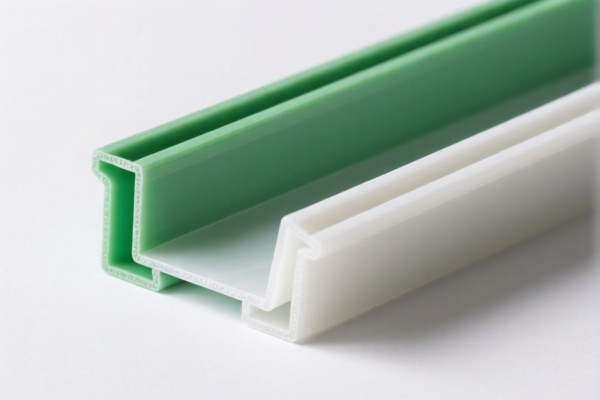
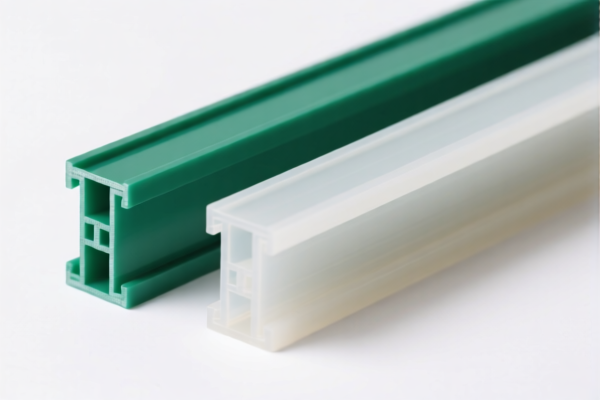
- Semi-Finished Sheets/Strips: PP processed into flat sheets, strips, or plates, but not yet cut into final board structures or finished goods.
- Waste/Scrap/Offcuts: Discarded PP materials, including filaments or offcuts from cutting processes.
⚠️ Critical Classification Point:
- If the material is resin, granules, or powder (primary shape) → It is a polymer resin.
- If the material is waste, chips, or offcuts (non-primary shape) → It is plastic waste/scrap.
- If the material is solid sheets/strips (formed but not finished) → It falls under plastic articles or sheets.
📦 II. HS Code Classification Details (2026 Latest Harmonized System)
Based on the provided data, here are the three possible classifications for "Polypropylene Fiber Board Raw Material," depending on its specific physical state:
| HS Code | Product Description | Physical State | Tax Rate (Total) | Tax Breakdown |
|---|---|---|---|---|
3902.10.00.00 |
Polypropylene in Primary Form | Granules, Powder, Pellets (Chemical Raw Material) | 41.5% | Base: 6.5% + Section 301: 25% + Section 122: 10% |
3902.90.00.50 |
Other Polyolefins in Primary Form | Other Primary PP Forms (if not specifically listed under 3902.10) | 41.5% | Base: 6.5% + Section 301: 25% + Section 122: 10% |
3915.90.00.90 |
Waste, Scrap, and Offcuts of Plastics (Other) | Filaments, Offcuts, Sheets, Waste (Non-PET Plastic Waste) | 35.0% | Base: 0.0% + Section 301: 25% + Section 122: 10% |
🔍 Key Clarification:
-3902.10.00.00is the most common classification for PP resin/granules. It fits the definition of "Polypropylene in primary form."
-3915.90.00.90applies if the material is waste, scrap, or offcuts (e.g., trimmings from cutting fiber boards, filaments, or non-primary shape waste). It explicitly excludes PET waste.
-3902.90.00.50is a catch-all for other polyolefins in primary form if the specific PP code (3902.10) does not apply due to minor chemical variations.
💰 III. 2026 Tariff Rate Analysis (Detailed Breakdown)
✅ Applicable Country: United States (US)
✅ Origin: China (CN)
✅ Effective Date: November 10, 2025 (and subsequent imports)
🎯 1. 3902.10.00.00 — Polypropylene in Primary Form (Resin/Granules)
| Item | Detail |
|---|---|
| Base Duty Rate | 6.5% (Ad Valorem) |
| Section 301 Duty | +25% (USITC Footnote 9903.88.01) |
| Section 122 Duty | +10% (IEEPA, China-specific) |
| Total Effective Rate | 41.5% |
| Tax Calculation | CIF Value × 41.5% |
| De Minimis Exemption | ❌ Not Eligible (deny_de_minimis) |
| Legal Basis | USITC:3902.10.00.00 → FOOTNOTE:9903.88.01 → IEEPA:9903.01.25 |
📌 Explanation:
- This is the standard rate for PP resin (the raw material for making fibers, sheets, and boards).
- The high total rate (41.5%) is due to the cumulative effect of the base tariff and the aggressive US trade policies (Section 301 and Section 122).
🎯 2. 3902.90.00.50 — Other Polyolefins in Primary Form
| Item | Detail |
|---|---|
| Base Duty Rate | 6.5% |
| Section 301 Duty | +25% |
| Section 122 Duty | +10% |
| Total Effective Rate | 41.5% |
| Tax Calculation | CIF Value × 41.5% |
| Legal Basis | USITC:3902.90.00.50 → FOOTNOTE:9903.88.01 → IEEPA:9903.01.25 |
📌 Note:
- This code is used if the material is PP but does not fit the specific "3902.10" description (e.g., specialized copolymers).
- The tax burden is identical to3902.10.00.00.
🎯 3. 3915.90.00.90 — Waste, Scrap, and Offcuts of Plastics (Other)
| Item | Detail |
|---|---|
| Base Duty Rate | 0.0% |
| Section 301 Duty | +25% |
| Section 122 Duty | +10% |
| Total Effective Rate | 35.0% |
| Tax Calculation | CIF Value × 35.0% |
| Legal Basis | USITC:3915.90.00.90 → FOOTNOTE:9903.88.01 → IEEPA:9903.01.25 |
📌 Note:
- This code applies to waste, offcuts, filaments, or non-primary form PP.
- Although the base rate is 0%, the total rate is still high (35.0%) due to Section 301 and Section 122.
- Crucial: If you misclassify resin as "waste" to save taxes, you face severe penalties. Ensure the material is genuinely waste/scrap.
🛠️ IV. Customs Clearance Practical Advice (Battle-Tested Guidelines)
✅ 1. Document Checklist (Essential for Smooth Clearance)
| Document | Required | Explanation |
|---|---|---|
| ✅ Product Specification Sheet | ✔️ | Must clearly state: Material (PP), Form (Granules/Sheets/Waste), CAS Number (if applicable). |
| ✅ Photos of Product | ✔️ | Show the physical state: Granules vs. Sheets vs. Offcuts. Include scale for reference. |
| ✅ Commercial Invoice | ✔️ | Accurately describe the goods: "Polypropylene Resin, Granules" or "PP Plastic Waste, Offcuts." |
| ✅ Packing List | ✔️ | Detail net/gross weight, packaging type (bags, pallets). |
| ✅ Certificate of Origin | ✔️ | If from China, confirm origin to apply correct Section 122/301 rates. |
| ✅ Manufacturer’s Declaration | ✔️ | Confirm if the material is "Primary Form" or "Waste/Scrap." |
✅ 2. Classification Strategy (Key Mantras)
🔥 "Primary Form is Resin, Waste is Scrap. Don't Mix Them!"
| Scenario | Correct HS Code | Incorrect Classification | Risk |
|---|---|---|---|
| PP Granules/Powder | 3902.10.00.00 |
3915.90.00.90 |
Overpaying taxes? No, underpaying! Customs will assess 41.5% instead of 35%, leading to back taxes + penalties. |
| PP Sheets/Strips (Semi-finished) | 3915.90.00.90 (if offcuts/waste) or 3920.xx (if solid sheets) |
3902.10.00.00 |
Misclassification. If it's not granules, it's not primary form. |
| PP Waste/Offcuts/Filaments | 3915.90.00.90 |
3902.10.00.00 |
Paying 41.5% instead of 35%. Unnecessary cost. |
📌 Important:
- "Fiber Board Raw Material" is ambiguous.
- If it's resin used to make the board →3902.10.00.00(41.5%).
- If it's waste from cutting the board →3915.90.00.90(35.0%).
- If it's sheet stock (not waste) → It might fall under3920(other plastic plates/sheets), which is not in the provided data, but likely has a different rate. Stick to the provided codes: If it's not primary form and not waste, re-evaluate. For this guide, assume it's either Primary (Resin) or Waste.
✅ 3. Special Considerations
| Situation | Advice |
|---|---|
| OEM/Custom Material | Provide technical data sheets to prove it's PP. |
| Mixed Shipments | Separate PP Resin from PP Waste. Do not mix in one container without clear segregation, as it complicates classification. |
| Labeling | Clearly label packages: "PP Resin, Granules" or "PP Waste, Offcuts." Avoid vague terms like "Raw Material." |
🌍 V. Global Market Comparison (2026)
| Country/Region | Recommended HS Code | Tariff Rate | Notes |
|---|---|---|---|
| 🇺🇸 USA | 3902.10.00.00 or 3915.90.00.90 |
41.5% or 35.0% | High tariffs due to Section 301/122. |
| 🇨🇳 China | 3902.10.00.00 |
~6.5% | Low base tariff, no Section 301. |
| 🇪🇺 EU | 3902.10.00.00 |
~2.7% | Lower tariffs, but requires REACH compliance. |
| 🇦🇺 Australia | 3902.10.00.00 |
~5.0% | No Section 301, but GST applies. |
📌 Conclusion:
- The US market is significantly more expensive for PP imports due to geopolitical tariffs.
- Cost Optimization: Ensure correct classification. If your material is waste/scrap,3915.90.00.90saves 6.5% compared to3902.10.00.00.
📌 VI. Common Mistakes & Pitfalls (Learn from Others' Errors)
❌ Mistake 1: Calling "PP Resin" "Plastic Waste" to save 6.5%
👉 Consequence: Customs audit, fines, and potential seizure. If it's granules, it's not waste.
❌ Mistake 2: Calling "PP Sheets/Offcuts" "Primary Form Resin"
👉 Consequence: Paying 41.5% instead of 35%. Inefficient use of funds.
❌ Mistake 3: Vague Description "Raw Material"
👉 Consequence: Customs holds the shipment for clarification, causing delays.
✅ Correct Description:
"Polypropylene Resin, Granules, Virgin, for Fiber Board Manufacturing"
OR
"Polypropylene Plastic Waste, Offcuts and Trimmings, Non-PET"
🎯 VII. Conclusion: Precise Classification Saves Money
🎯 Remember the Mantra:
🔹 "Granules = Resin (41.5%) | Offcuts = Waste (35.0%) | No Mixing!"
🔹 "HS Code Defines Tax Rate, Wrong Code Means Big Fines!"
📌 Pro Tip:
If you are importing PP Sheets (not waste, not granules), check 3920 codes. They may have different rates. However, based on the provided data, focus on Primary Form (Resin) vs. Waste/Scrap.
📣 Immediate Action:
📞 Contact your customs broker with photos and specs to confirm if your "raw material" is resin or waste.
🚀 Get an Advance Ruling to lock in the correct HS Code and avoid surprise costs.
✨ Professional Clearance Starts with Accurate Classification!
💼 Every Percentage Point of Tax Matters!
Customer Reviews
About HS Code Classification
The Harmonized System (HS) is an internationally standardized nomenclature developed by the World Customs Organization (WCO) to classify traded products. Over 200 countries use the HS system as the basis for customs tariffs, trade statistics, and import/export regulations.
Each HS code follows a hierarchical structure:
- Chapter (2 digits) — Broad category of goods (e.g., Chapter 84: Machinery and Mechanical Appliances)
- Heading (4 digits) — More specific grouping within the chapter
- Subheading (6 digits) — Internationally standardized breakdown, used by all WCO member countries
- National subdivisions (8-10 digits) — Country-specific extensions for further classification, such as US HTSUS 10-digit codes
Correct HS code classification is essential for smooth customs clearance, accurate duty payment, and compliance with trade regulations. Misclassification can lead to customs delays, overpayment of duties, or penalties.
When importing from CN to US, the applicable tariff rates may include:
- Most-Favored-Nation (MFN) rate — The standard duty rate applied to WTO members
- General rate — Applied to countries without trade agreements
- Trade remedy duties — Additional tariffs such as Section 301 (anti-dumping), Section 232 (national security), or countervailing duties
The information provided on this page is for reference purposes only. For official classification, please consult with your local customs authority or a licensed customs broker.