Portable electric lamp (e.g., flashlight)
CN → US| HS Code | Tariff Rate | Origin | Destination | Doc |
|---|---|---|---|---|
| 8513102000 | 22.5% | CN | US | Official Doc |
| 8513104000 | 13.5% | CN | US | Official Doc |
Product Images
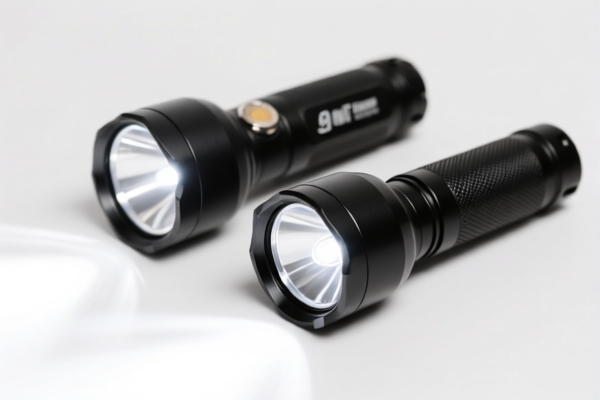
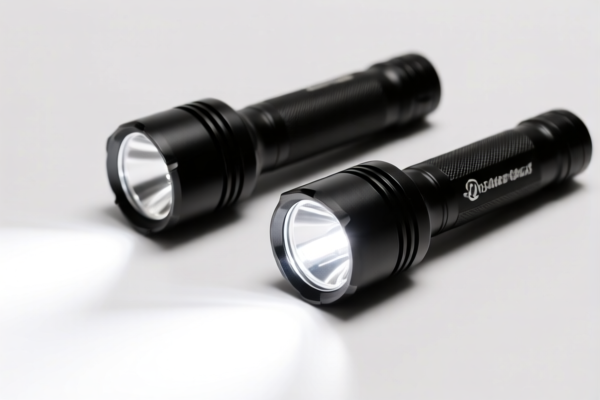
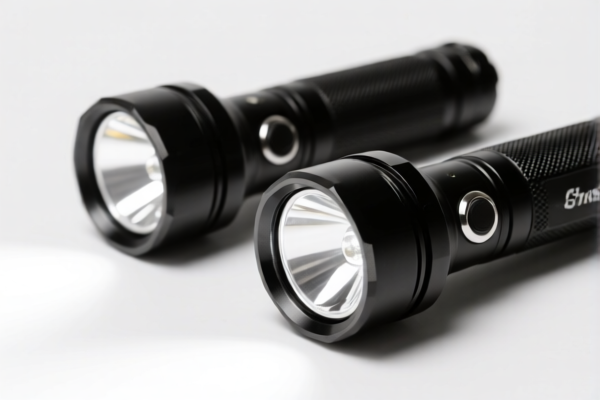
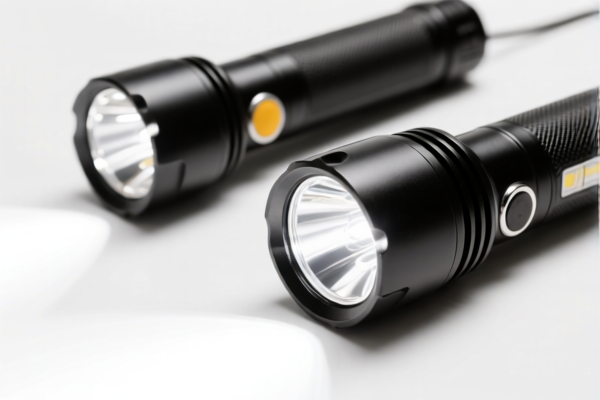
AI Analysis
🔦 Portable Electric Lamps (Flashlights)
🌐 HS Code Reference & Customs Clearance Guide | 2026 Latest Tariff Analysis | Professional Entry Strategies
📌 I. Product Definition & Classification: Do You Really Know "Portable Lamps"?
Portable electric lamps are self-contained lighting devices designed to operate using their own internal energy source (such as dry batteries, storage batteries, or magnetos), distinct from fixed lighting equipment (Heading 8512). In international trade, these are primarily categorized into two types based on their specific design and application:
1. Flashlights (Standard Handheld Lamps):
These are the most common portable lamps, designed for general illumination, emergency use, or household purposes. They typically have a cylindrical body, a reflector, a bulb/LED, and a battery compartment.
2. Other Portable Electric Lamps:
This category includes specialized portable lighting devices that do not fit the standard "flashlight" description, such as headlamps, lanterns with specific non-standard features, or unique portable lighting tools not covered under the specific "Flashlight" subheading.
⚠️ Key Distinction Point:
- If the lamp is a standard handheld device with its own power source, it falls under Heading 8513.
- If it is part of a vehicle's lighting system (e.g., car headlight) → It falls under 8512 (NOT 8513).
- If it is a fixed lamp for homes/offices plugged into mains electricity → It falls under 8513 only if portable/battery-operated; otherwise, it may fall elsewhere.
📦 II. HS Code Classification Details (2026 Latest Tariff Authority Comparison)
Based on the provided data, there are two primary HS Codes for portable electric lamps under Heading 8513. Note that the tax rates vary significantly depending on the specific sub-category.
| HS Code | Product Description | Applicability | Tax Rate (Total) | Tax Breakdown |
|---|---|---|---|---|
8513.10.20.00 |
Lamps: Flashlights | Standard handheld flashlights, torches, battery-powered torches for general use | 12.5% | Base Tariff: 12.5% Add-on Tariff: 0.0% |
8513.10.40.00 |
Lamps: Other | Headlamps, specialized portable lamps, lanterns, or non-standard portable lighting not classified as "flashlights" | 3.5% | Base Tariff: 3.5% Add-on Tariff: 0.0% |
🔍 Critical Reminder:
- The term "Flashlight" in HS Code8513.10.20.00is often interpreted strictly by customs authorities as standard cylindrical or shaped handheld torches.
- If your product is a headlamp, helmet lamp, or a specialized portable lamp, it may fall under "Other" (8513.10.40.00), which has a much lower tariff (3.5%).
- Misclassification can lead to significant overpayment (12.5% vs 3.5%) or customs delays.
💰 III. 2026 Latest Tariff Rate Details (Including Surcharges & Policy Add-ons)
✅ Applicable Country: United States (US)
✅ Origin: China (CN)
✅ Effective Date: 2025-11-10 onwards (for subsequent imports)
🎯 1. 8513.10.20.00 —— Lamps: Flashlights
| Item | Content |
|---|---|
| Base Tariff | 12.5% (ad valorem) |
| Add-on Tariff | 0.0% |
| Total Tax Rate | 12.5% |
| Tax Calculation | CIF Value × 12.5% |
| De Minimis Eligibility | ❌ Not Eligible (Standard thresholds apply; small shipments still subject to duty) |
| Legal Basis | HTSUS 8513.10.20.00 |
📌 Explanation:
- This is a standard duty rate for "Flashlights" under Section XVI of the HTSUS.
- No additional Section 301 tariffs or IEEPA surcharges apply to this specific subheading for Chinese-origin goods as of the latest data provided.
- However, the 12.5% base rate is relatively high compared to "Other" lamps.
🎯 2. 8513.10.40.00 —— Lamps: Other
| Item | Content |
|---|---|
| Base Tariff | 3.5% (ad valorem) |
| Add-on Tariff | 0.0% |
| Total Tax Rate | 3.5% |
| Tax Calculation | CIF Value × 3.5% |
| De Minimis Eligibility | ❌ Not Eligible |
| Legal Basis | HTSUS 8513.10.40.00 |
📌 Note:
- This subheading covers all portable electric lamps not specifically classified as "flashlights".
- If your product is a headlamp (e.g., for mining, cycling, or industrial use), it is often better classified here to benefit from the lower 3.5% rate.
- Cost Savings Potential: By correctly classifying a headlamp or specialized lamp as "Other" instead of "Flashlight," you save 9% in duties per unit value.
🛠️ IV. Customs Clearance Practical Advice (Battle-Tested Pitfall Avoidance)
✅ 1. Documentation Checklist (All Must Be Provided)
| Document | Required | Description |
|---|---|---|
| ✅ Product Specifications | ✔️ | Include power source (battery type), lumen output, IP rating (water/dust resistance), and material |
| ✅ Product Photos | ✔️ | Clear images showing the entire lamp, including any headbands, clips, or charging ports |
| ✅ Commercial Invoice | ✔️ | Clearly state "Portable Electric Lamp" and specify if it is a "Flashlight" or "Headlamp" |
| ✅ Packing List | ✔️ | Detail items per box (e.g., "1x Headlamp, 2x AA Batteries, 1x Charger") |
| ✅ Battery Declaration | ✔️ | CRITICAL: If shipped with batteries, provide MSDS and UN38.3 test reports for lithium batteries |
| ✅ FCC Certificate (if applicable) | ✔️ | Many electronic lamps may have RF components (e.g., wireless charging); FCC ID may be required |
✅ 2. Declaration Tips (Key Mantras)
🔥 “Be Specific: Headlamp ≠ Flashlight, Battery Matters, IP Rating Helps!”
| Scenario | Correct Declaration | Wrong Practice |
|---|---|---|
| Standard Handheld Torch | "LED Flashlight, Battery Operated, 200 Lumens" | "Lighting Equipment" → Vague, may trigger inspection |
| Headlamp / Helmet Lamp | "Portable LED Headlamp, Battery Operated, Industrial Use" | "Flashlight" → Overpays 9% extra duty |
| Lamp with Rechargeable Battery | "Portable Lamp with Built-in Li-ion Battery, Model XYZ" | "Battery" only → Customs may misclassify as "Battery" (different tariff) |
| Waterproof Lamp (IP67) | "Portable Waterproof Flashlight, IP67 Rated" | No IP rating → May not qualify for "industrial" classification if applicable |
✅ 3. Special Case Handling
| Scenario | Handling Advice |
|---|---|
| Shipped with Batteries | Separate Declaration: Declare the lamp under 8513 and batteries under 8507 or 8509 if required. Ensure compliance with IATA/IMDG for air/ocean freight. |
| OEM/White Label Products | Provide a Letter of Authorization or OEM Agreement to prove ownership and avoid intellectual property issues. |
| Lamps with Bluetooth/Wireless | If the lamp has RF functionality, ensure FCC ID is present. Otherwise, it may be detained at customs. |
| Luxury/Designer Lamps | If marketed as luxury goods, ensure the description matches the value. Low invoicing may trigger fraud checks. |
🌍 V. Global Market Clearance Comparison (2026 Latest)
| Country/Region | Recommended HS Code | Tariff (China Origin) | Certification Requirements | Notes |
|---|---|---|---|---|
| 🇺🇸 USA | 8513.10.40.00 (Headlamps) / 8513.10.20.00 (Flashlights) |
3.5% / 12.5% | FCC (if RF), UL/ETL (voluntary but recommended) | No Section 301 tariffs for these items |
| 🇨🇳 China | 8513.10.00.00 |
0% - 8% (varies) | CCC (if applicable) | Low tariff, easy entry |
| 🇪🇺 EU | 8513.10.00 |
0% - 4% | CE Mark, RoHS, REACH | Free Trade Agreements may apply |
| 🇬🇧 UK | 8513.10.00 |
0% - 4% | UKCA, CE (transitional) | Post-Brexit rules apply |
| 🇯🇵 Japan | 8513.10.00 |
0% - 3.8% | PSE (for electrical safety) | Strict safety standards |
📌 Conclusion:
- USA: Tariffs are moderate (3.5% or 12.5%), but no additional surcharges currently apply. Classification accuracy is key to saving 9% on specialized lamps.
- EU/UK/Japan: Generally lower tariffs, but certification (CE/UKCA/PSE) is mandatory for market entry.
- China: Low tariffs, but domestic standards may apply for re-export.
📌 VI. Common Errors & Pitfall Guide (Lessons Learned)
❌ Error 1: Declaring a Headlamp as a "Flashlight"
👉 Consequence: Pay 12.5% instead of 3.5% → Overpay 9% per unit.
💡 Solution: Use the term "Headlamp," "Helmet Lamp," or "Portable Lamp" in the description.
❌ Error 2: Ignoring Battery Regulations
👉 Consequence: Shipment detained or rejected at port due to improper battery declaration.
💡 Solution: Always provide MSDS and UN38.3 certificates for lithium batteries. Declare batteries separately if required.
❌ Error 3: Vague Description: "Lighting Device"
👉 Consequence: Customs inspection delay, potential re-classification, and fines.
💡 Solution: Be specific: "LED Portable Lamp, Battery Operated, Model XYZ, IP67 Waterproof."
❌ Error 4: Forgetting FCC/RF Compliance for Smart Lamps
👉 Consequence: Detention for lack of FCC ID if the lamp has wireless charging or Bluetooth.
💡 Solution: Verify if any RF components are present. Obtain FCC ID if necessary.
🎯 VII. Conclusion: Precise Classification, Lower Costs, Faster Clearance
🎯 Remember the Mantras:
🔹 "Headlamp is 'Other', Flashlight is 'Flashlight' – Don't mix them!"
🔹 "Battery needs MSDS, RF needs FCC – Keep documents ready!"
🔹 "Save 9% by classifying correctly – Headlamps are cheaper!"
📌 Pro Tip:
- If your lamp is a specialized industrial headlamp, consider applying for an Advance Ruling from US Customs to confirm the
8513.10.40.00classification and secure the 3.5% rate.- For e-commerce shipments, ensure your product title and description match the HS Code to avoid automated holds.
📣 Action Required:
📞 Consult a licensed customs broker to verify battery and FCC requirements.
📄 Prepare all technical specifications and battery certifications in advance.
🚀 Accurate classification saves money, prevents delays, and ensures smooth clearance!
✨ Professional clearance starts with precise classification!
💼 Every percentage point matters in global trade!
Customer Reviews
About HS Code Classification
The Harmonized System (HS) is an internationally standardized nomenclature developed by the World Customs Organization (WCO) to classify traded products. Over 200 countries use the HS system as the basis for customs tariffs, trade statistics, and import/export regulations.
Each HS code follows a hierarchical structure:
- Chapter (2 digits) — Broad category of goods (e.g., Chapter 84: Machinery and Mechanical Appliances)
- Heading (4 digits) — More specific grouping within the chapter
- Subheading (6 digits) — Internationally standardized breakdown, used by all WCO member countries
- National subdivisions (8-10 digits) — Country-specific extensions for further classification, such as US HTSUS 10-digit codes
Correct HS code classification is essential for smooth customs clearance, accurate duty payment, and compliance with trade regulations. Misclassification can lead to customs delays, overpayment of duties, or penalties.
When importing from CN to US, the applicable tariff rates may include:
- Most-Favored-Nation (MFN) rate — The standard duty rate applied to WTO members
- General rate — Applied to countries without trade agreements
- Trade remedy duties — Additional tariffs such as Section 301 (anti-dumping), Section 232 (national security), or countervailing duties
The information provided on this page is for reference purposes only. For official classification, please consult with your local customs authority or a licensed customs broker.