Primary Battery
CN → US| HS Code | Tariff Rate | Origin | Destination | Doc |
|---|---|---|---|---|
| 8506800010 | 37.7% | CN | US | Official Doc |
| 8507908000 | 38.4% | CN | US | Official Doc |
| 8507808200 | 38.4% | CN | US | Official Doc |
| 8506800090 | 37.7% | CN | US | Official Doc |
| 8548000000 | 35.0% | CN | US | Official Doc |
Product Images
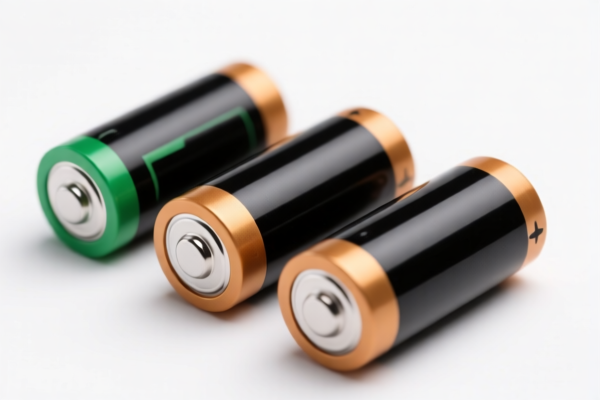
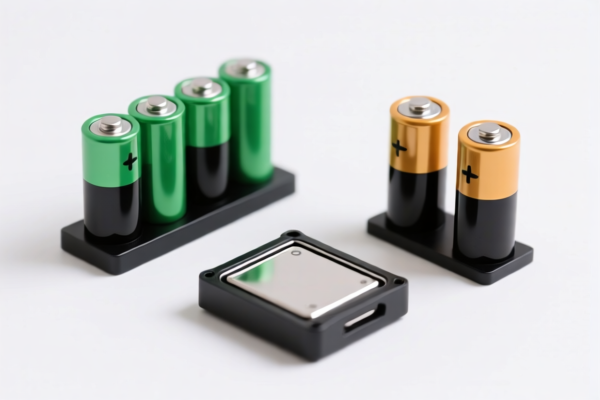
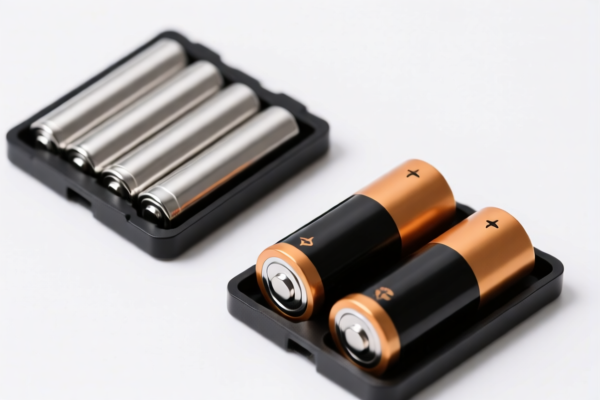
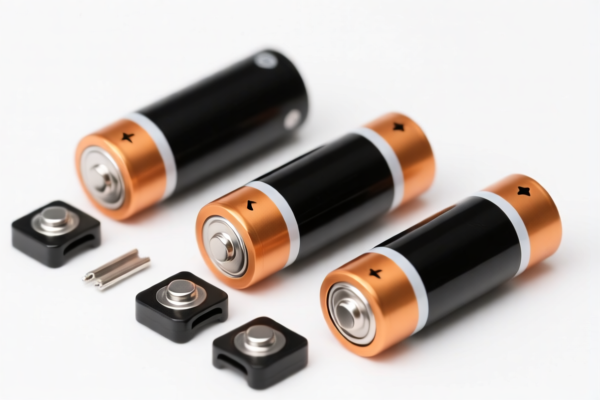
AI Analysis
🔋 Primary Battery (Primary Cells & Batteries)
🌐 HS Code Reference & Customs Clearance Guide | 2026 Latest Tariff Analysis | Professional Clearance Strategy
📌 I. Product Definition & Classification: Do You Really Understand "Primary Batteries"?
A Primary Battery is an electrochemical energy conversion device designed to be used once and discarded, or recharged only if specifically designed (though true primary batteries are non-rechargeable). In international trade, they are critical components for consumer electronics, IoT devices, medical equipment, and automotive key fobs.
Key Distinction: - Primary Batteries (8506): Non-rechargeable (e.g., Alkaline, Zinc-Carbon, Lithium Manganese Dioxide). They generate electricity through irreversible chemical reactions. - Secondary/Rechargeable Batteries (8507): Rechargeable (e.g., Li-ion, Lead-acid, Ni-MH). They allow reversible chemical reactions.
⚠️ Critical Classification Point:
- If the product is non-rechargeable and fits the definition of primary cells/batteries → It belongs to Chapter 8506.
- If it is rechargeable or classified as a "part" of a larger rechargeable system → It may fall under 8507 or 8548.
- Misclassification can lead to severe tax penalties due to the difference in duty rates and regulatory requirements.
📦 II. HS Code Classification Details (2026 Latest Tariff Authority Comparison)
| HS Code | Product Description | Logic & Summary from Data | Total Tax Rate | Tax Detail Breakdown |
|---|---|---|---|---|
8506.80.00.10 |
Primary Batteries - Specific Subheading | Perfect Match: The material and usage are completely consistent with the target code. No attribute conflicts based on missing descriptions. Default category logic applies. | 37.7% | Base Duty: 2.7% Section 301: 25.0% IEEPA (122): 10% |
8507.90.80.00 |
Parts of Electric Accumulators | Logical Link: Primary batteries are electrochemical cells; functionally related to electric accumulators (secondary batteries). No material/form conflict; fits parts classification logic. | 38.4% | Base Duty: 3.4% Section 301: 25.0% IEEPA (122): 10% |
8507.80.82.00 |
Other Electric Accumulators (Rechargeable) | Broad Category: Primary batteries are electrochemical energy conversion devices. Fits the broad category of "electric accumulators" under 8507. Functionally consistent, no material conflict. | 38.4% | Base Duty: 3.4% Section 301: 25.0% IEEPA (122): 10% |
8506.80.00.90 |
Primary Batteries - Other/Residual | Residual Category: Completely consistent in purpose/essence with "primary batteries." Fits the residual category rule for primary batteries. No material conflict. | 37.7% | Base Duty: 2.7% Section 301: 25.0% IEEPA (122): 10% |
8548.00.00.00 |
Waste and Scrap of Primary Cells/Batteries | Electrical Component/Scrap: Fits the scope of electrical parts/devices. Considered a core component of electrical installations. No material/form conflict. | 35.0% | Base Duty: 0.0% Section 301: 25.0% IEEPA (122): 10% |
🔍 Key Insight:
- 8506 vs. 8507: The fundamental difference is rechargeability. Primary batteries (8506) are generally cheaper to duty (2.7% base) than secondary battery parts (3.4% base).
- 8548: This is a lower-tax alternative (35.0%) but typically applies to waste/scrap or specific electrical parts not classified elsewhere. Ensure the product is not just "used" batteries but fits the specific definition of 8548 to avoid misdeclaration.
💰 III. 2026 Latest Tariff Rate Details (Including Add-ons & Policy Surcharges)
✅ Applicable Country: United States (US)
✅ Origin: China (CN)
✅ Effective Date: November 10, 2025 (for subsequent imports)
🎯 1. 8506.80.00.10 & 8506.80.00.90 —— Primary Batteries (Best Fit for New Primary Cells)
| Item | Content |
|---|---|
| Base Duty Rate | 2.7% (ad valorem) |
| USITC Section 301 Surcharge | +25% (For Chinese origin products) |
| IEEPA Surcharge (122 Clause) | +10% (For Chinese origin products, effective from Nov 10, 2025) |
| Total Effective Rate | 37.7% |
| Tax Calculation | CIF Value × 37.7% |
| De Minimis Exemption? | ❌ NO (Denied under current 301/IEEPA rules for these HS codes) |
| Legal Basis Path | IEEPA:9903.01.25 → USITC:8506.80.00.10 → FOOTNOTE:301 |
📌 Explanation:
- Base Duty (2.7%): Standard MFN rate for primary batteries.
- Section 301 (25%): The most significant cost driver for Chinese-origin goods.
- IEEPA (10%): Newer surcharge effective Nov 2025, adding to the burden.
- Total 37.7%: This is a high-cost import. Accurate classification is vital to avoid overpaying.
🎯 2. 8507.90.80.00 & 8507.80.82.00 —— Parts of Accumulators / Other Accumulators
| Item | Content |
|---|---|
| Base Duty Rate | 3.4% (ad valorem) |
| USITC Section 301 Surcharge | +25% |
| IEEPA Surcharge (122 Clause) | +10% |
| Total Effective Rate | 38.4% |
| Tax Calculation | CIF Value × 38.4% |
| De Minimis Exemption? | ❌ NO |
| Legal Basis Path | IEEPA:9903.01.24 → USITC:8507.80.82.00 → FOOTNOTE:301 |
📌 Note:
- Slightly higher (0.7%) than primary batteries due to a higher base duty (3.4% vs 2.7%).
- Only use if the battery is rechargeable or classified as a part of a larger system. Do not use for standard non-rechargeable primary cells unless specifically advised by a customs broker.
🎯 3. 8548.00.00.00 —— Electrical Parts / Waste
| Item | Content |
|---|---|
| Base Duty Rate | 0.0% (ad valorem) |
| USITC Section 301 Surcharge | +25% |
| IEEPA Surcharge (122 Clause) | +10% |
| Total Effective Rate | 35.0% |
| Tax Calculation | CIF Value × 35.0% |
| De Minimis Exemption? | ❌ NO |
| Legal Basis Path | IEEPA:9903.01.25 → USITC:8548.00.00.00 |
📌 Warning:
- While the lowest total rate (35.0%), this code is high-risk.
- It is often used for waste, scrap, or specific electrical components.
- Misdeclaring new primary batteries as 8548 can lead to customs audits, penalties, and shipment delays. Only use if the product genuinely fits the "electrical parts" or "scrap" definition.
🛠️ IV. Customs Clearance Practical Advice (Battle-Tested Pitfall Guide)
✅ 1. Required Documentation Checklist (Mandatory)
| Document | Must Provide | Explanation |
|---|---|---|
| ✅ Product Specification Sheet | ✔️ | Must specify: Chemistry (Alkaline, Lithium, etc.), Voltage, Capacity, Rechargeable/Non-Rechargeable. |
| ✅ Battery Test Report (UN38.3) | ✔️ | Mandatory for lithium batteries. Includes drop, vibration, thermal testing. |
| ✅ MSDS (Safety Data Sheet) | ✔️ | For safe handling and transport. |
| ✅ Commercial Invoice | ✔️ | Must clearly state "Primary Battery" or "Non-Rechargeable Battery". Avoid vague terms like "Power Source". |
| ✅ Packing List | ✔️ | Detail net/gross weight, number of units. |
| ✅ Carrier Certification | ✔️ | IATA/IMDG compliance for air/sea transport. |
✅ 2. Declaration Tips (Key Mantras)
🔥 “Specify Chemistry, Declare Non-Rechargeable, UN38.3 is a Must!”
| Scenario | Correct Declaration | Wrong Practice |
|---|---|---|
| Alkaline AA/AAA | 8506.80.00.10 - "Alkaline Primary Battery" |
Vague "Battery" → Risk of reclassification |
| Lithium Coin Cell | 8506.80.00.10 or 8506.80.00.90 |
Missing UN38.3 → Seizure |
| Rechargeable Li-ion | 8507.60.80.00 (or 8507 subheading) |
Misdeclare as Primary → Fraud Risk |
| Used/Scrap Batteries | 8548.00.00.00 |
New batteries → Penalty |
✅ 3. Special Situation Handling
| Situation | Handling Advice |
|---|---|
| OEM/Custom Batteries | Provide design drawings and test reports. Ensure chemistry is clearly stated. |
| Batteries Installed in Devices | If installed in a device (e.g., remote, watch), the device usually gets the HS code, not the battery. |
| Mixed Shipments (Primary + Secondary) | Declare separately. Do not combine under one HS code. |
| Low Value Shipments | Even under $800 (de minimis), Section 301 duties may still apply depending on current CBP enforcement. Check latest rules. |
🌍 V. Global Main Market Comparison (2026 Latest)
| Country/Region | Recommended HS Code | Est. Duty (China Origin) | Certification Requirements | Notes |
|---|---|---|---|---|
| 🇺🇸 USA | 8506.80.00.10 |
37.7% | UN38.3, IEC 62133 | Highest duty due to 301 + IEEPA |
| 🇨🇳 China | 8506.80.00.10 |
5-8% (Varies) | CCC (if applicable) | No Section 301 |
| 🇪🇺 EU | 8506.80.90 |
2.5% - 4.5% | CE, UN38.3, REACH | No Section 301. Strict recycling laws. |
| 🇬🇧 UK | 8506.80.90 |
2.5% - 4.5% | UKCA, UN38.3 | Post-Brexit rules apply. |
| 🇯🇵 Japan | 8506.80.90 |
3.3% - 4.4% | PSE, JIS | Strict safety standards. |
📌 Conclusion:
- The USA is the most expensive market for primary batteries due to 37.7% total duty.
- EU/UK/Japan offer significantly lower duties (2.5-4.5%) but require strict CE/UKCA/PSE certifications and environmental compliance.
📌 VI. Common Mistakes & Pitfall Guide (Lessons Learned the Hard Way)
❌ Mistake 1: Declaring "Primary Battery" as "Electric Accumulator Part" (8507)
👉 Consequence: Incorrect HS code → Potential penalty for misdeclaration.
👉 Fix: Ensure the battery is non-rechargeable to stay in 8506.
❌ Mistake 2: Omitting "Non-Rechargeable" in Description
👉 Consequence: Customs may suspect it's rechargeable → 38.4% duty or audit.
👉 Fix: Always state "Non-Rechargeable" or "Primary Cell" in the description.
❌ Mistake 3: No UN38.3 Test Report for Lithium Batteries
👉 Consequence: Shipment held, fines, or return. Dangerous goods compliance is critical.
👉 Fix: Provide valid UN38.3 report issued by an accredited lab.
❌ Mistake 4: Using 8548.00.00.00 for New Batteries to Save Tax
👉 Consequence: Severe penalty for fraud. 8548 is for waste/scrap or specific parts.
👉 Fix: Use 8506.80.00.10 for new primary batteries.
✅ Correct Practice:
"Primary Alkaline Battery, Non-Rechargeable, AA Size, 1.5V, UN38.3 Certified, Model XYZ"
🎯 VII. Conclusion: Professional Declaration, Save Time, Cut Costs!
🎯 Remember the Mantra:
🔹 "Primary = Non-Rechargeable = 8506"
🔹 "Rechargeable = Accumulator = 8507"
🔹 "USA Duty = 37.7%, EU Duty = ~3%"
🔹 "UN38.3 is Non-Negotiable for Lithium"
📌 Pro Tip:
If your batteries are non-rechargeable and you are shipping to the US, ensure you have:
1. Correct HS Code: 8506.80.00.10 or 8506.80.00.90
2. Accurate Description: "Primary Battery, Non-Rechargeable"
3. UN38.3 Report: For lithium content
4. Budget for 37.7% Duty: Include this in your landed cost calculation.
For EU/UK, focus on CE/UKCA and recycling compliance to avoid market access issues.
📣 Immediate Action:
📞 Consult a licensed customs broker
📄 Verify UN38.3 and MSDS
🚀 Clear Customs Smoothly, Avoid Penalties, Maximize Profit!
✨ Professional Clearance Starts with Accurate Classification!
💼 Every cent of duty counts—get it right the first time!
Customer Reviews
About HS Code Classification
The Harmonized System (HS) is an internationally standardized nomenclature developed by the World Customs Organization (WCO) to classify traded products. Over 200 countries use the HS system as the basis for customs tariffs, trade statistics, and import/export regulations.
Each HS code follows a hierarchical structure:
- Chapter (2 digits) — Broad category of goods (e.g., Chapter 84: Machinery and Mechanical Appliances)
- Heading (4 digits) — More specific grouping within the chapter
- Subheading (6 digits) — Internationally standardized breakdown, used by all WCO member countries
- National subdivisions (8-10 digits) — Country-specific extensions for further classification, such as US HTSUS 10-digit codes
Correct HS code classification is essential for smooth customs clearance, accurate duty payment, and compliance with trade regulations. Misclassification can lead to customs delays, overpayment of duties, or penalties.
When importing from CN to US, the applicable tariff rates may include:
- Most-Favored-Nation (MFN) rate — The standard duty rate applied to WTO members
- General rate — Applied to countries without trade agreements
- Trade remedy duties — Additional tariffs such as Section 301 (anti-dumping), Section 232 (national security), or countervailing duties
The information provided on this page is for reference purposes only. For official classification, please consult with your local customs authority or a licensed customs broker.