Printing Machine Coating Gasket
CN → US| HS Code | Tariff Rate | Origin | Destination | Doc |
|---|---|---|---|---|
| 4016931050 | 37.5% | CN | US | Official Doc |
| 4016935050 | 37.5% | CN | US | Official Doc |
| 3926904510 | 38.5% | CN | US | Official Doc |
| 3926904590 | 38.5% | CN | US | Official Doc |
| 8487900040 | 38.9% | CN | US | Official Doc |
| 8487900080 | 88.9% | CN | US | Official Doc |
Product Images
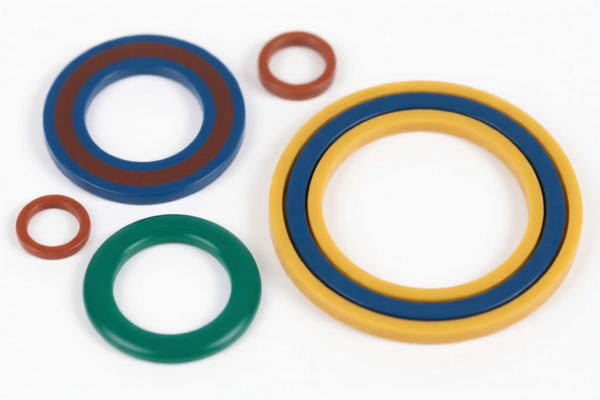
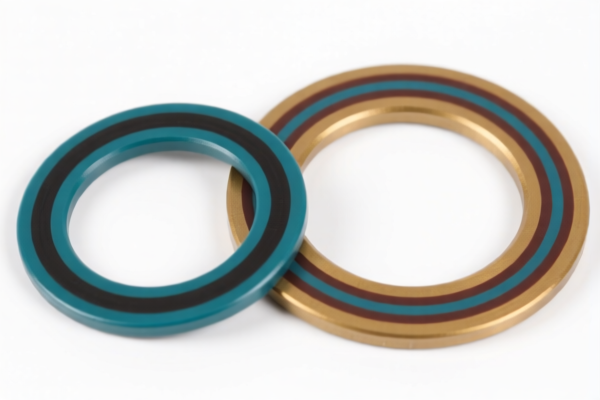
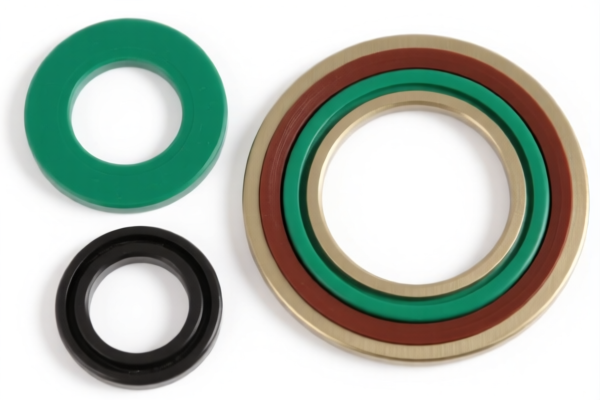
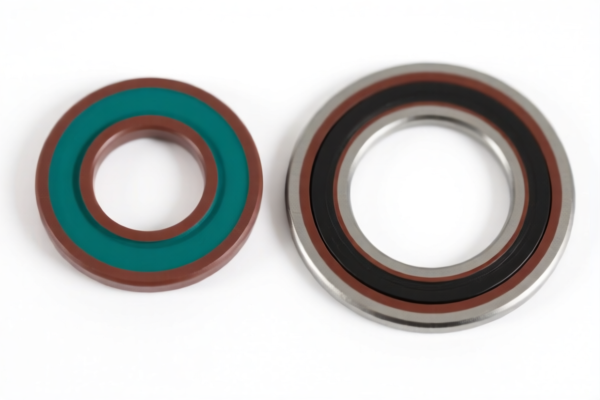
AI Analysis
🖨️ Printing Machine Coating Gasket (Seals & Gaskets for Printing Equipment)
🌐 HS Code Reference & Customs Clearance Guide | 2026 Latest Tariff Analysis | Professional Compliance Strategy
📌 I. Product Definition & Classification: What Exactly is a "Printing Machine Coating Gasket"?
A Printing Machine Coating Gasket is a critical sealing component used in industrial printing presses (offset, digital, flexographic, etc.). Its primary function is to prevent leakage of inks, solvents, adhesives, or cleaning fluids within the coating and ink delivery systems.
In international trade, these are not classified as "parts of printing machinery" (Head 8443) because they are seals/gaskets specifically covered under other chapters. The classification depends heavily on the material composition: - Oil Seals (Mechanical): Often classified under Chapter 84 (Parts of Machinery). - Rubber Gaskets: Classified under Chapter 40 (Articles of Vulcanized Rubber). - Plastic Gaskets: Classified under Chapter 39 (Articles of Plastics).
⚠️ Key Distinction Point:
- If the product is an Oil Seal (mechanical seal with specific geometry like lip seals) → Chapter 84 (8487.90)
- If the product is a simple Gasket/Washer made of Rubber → Chapter 40 (4016.93)
- If the product is a simple Gasket/Washer made of Plastic → Chapter 39 (3926.90)
📦 II. HS Code Classification Details (2026 Latest Tariff Alignment)
Based on the provided , here are the precise HS Codes and their applicability for Printing Machine Coating Gaskets:
| HS Code | Product Description | Applicable Scenario | Material Type |
|---|---|---|---|
8487.90.00.40 |
Machinery parts... Other: Oil seals | Mechanical seals used to seal ink/solvent chambers in printing units | Metal/Rubber Composite (Oil Seal Type) |
8487.90.00.80 |
Machinery parts... Other: Other | Other machinery parts not specified elsewhere (e.g., non-standard mechanical seals) | Mixed Materials (Non-Oil Seal) |
4016.93.10.50 |
Other articles of vulcanized rubber... Gaskets, washers... Of a kind used in automotive goods | Rubber gaskets used in automotive-related printing (e.g., vehicle wrap printers, automotive paint printers) | Vulcanized Rubber |
4016.93.50.50 |
Other articles of vulcanized rubber... Gaskets, washers... Other | Standard rubber gaskets for general industrial printing machines (non-automotive) | Vulcanized Rubber |
3926.90.45.10 |
Other articles of plastics... Gaskets, washers... O-Rings | O-Rings made of plastic or coated materials for ink/solvent resistance | Plastic/Coated |
3926.90.45.90 |
Other articles of plastics... Gaskets, washers... Other | Flat plastic gaskets or washers for printing machinery | Plastic |
🔍 Key Reminder:
- Do NOT classify as "Parts of Printing Machines" (8443) unless there is no specific heading for seals/gaskets in Chapters 39-40. The U.S. Harmonized Tariff Schedule (HTS) specifically directs seals/gaskets to Chapters 39, 40, or 84 depending on type. - "Oil Seals" (8487.90.00.40) have a lower tariff (28.9%) compared to Other Machinery Parts (8487.90.00.80) which may trigger the 50% steel/aluminum surcharge (78.9%) if they contain metal components classified under certain subheadings.
💰 III. 2026 Latest Tariff Rate Breakdown (Including Additional Duties)
✅ Applicable Country: United States (US)
✅ Country of Origin: China (CN)
✅ Effective Date: Current 2026 Tariff Schedule
🎯 1. 8487.90.00.40 —— Oil Seals (Mechanical Seals)
| Item | Details |
|---|---|
| Base Tariff | 3.9% (ad valorem) |
| Section 301 Surcharge | +25.0% |
| Total Tariff | 28.9% |
| Tax Calculation | CIF Value × 28.9% |
| De Minimis Exemption | ❌ Not Eligible (Standard threshold applies, but duties must be paid) |
| Legal Basis | HTSUS 8487.90.00.40 |
📌 Explanation:
- This is the most common and favorable classification for mechanical seals (lip seals, O-rings with metal cores) used in printing machines. - 28.9% is a manageable rate compared to other machinery parts. - Ensure the product is clearly described as an "Oil Seal" to qualify for this code.
🎯 2. 8487.90.00.80 —— Other Machinery Parts (Non-Specific)
| Item | Details |
|---|---|
| Base Tariff | 3.9% |
| Section 301 Surcharge | +25.0% |
| Steel/Aluminum Surcharge | +50.0% (If deemed to contain steel/aluminum components) |
| Total Tariff | 78.9% |
| Tax Calculation | CIF Value × 78.9% |
| De Minimis Exemption | ❌ Not Eligible |
| Legal Basis | HTSUS 8487.90.00.80 |
📌 Critical Warning:
- If your "Coating Gasket" contains metal components (e.g., a metal core in a rubber seal) and is not classified as an "Oil Seal," it may fall under 8487.90.00.80. - 78.9% is extremely high! Avoid this classification if possible. Classify correctly as "Oil Seal" (8487.90.00.40) if applicable.
🎯 3. 4016.93.10.50 & 4016.93.50.50 —— Rubber Gaskets
| Item | Details |
|---|---|
| Base Tariff | 2.5% |
| Section 301 Surcharge | +25.0% |
| Total Tariff | 27.5% |
| Tax Calculation | CIF Value × 27.5% |
| De Minimis Exemption | ❌ Not Eligible |
| Legal Basis | HTSUS 4016.93.x0.x0 |
📌 Explanation:
- 27.5% is slightly lower than the Oil Seal rate (28.9%). -4016.93.10.50is for automotive-kind gaskets. Use only if the gaskets are identical to those used in automotive printing (e.g., vehicle wrap). -4016.93.50.50is for other rubber gaskets. This is the standard classification for standard rubber O-rings or flat gaskets in general printing presses.
🎯 4. 3926.90.45.10 & 3926.90.45.90 —— Plastic Gaskets
| Item | Details |
|---|---|
| Base Tariff | 0.0% |
| Section 301 Surcharge | 0.0% |
| Total Tariff | 0.0% |
| Tax Calculation | CIF Value × 0.0% |
| De Minimis Exemption | ✅ Eligible (If value ≤ $800, no duty; if > $800, 0% duty still applies) |
| Legal Basis | HTSUS 3926.90.45.x0 |
📌 Explanation:
- 0% tariff! This is the most cost-effective classification if the product is made of plastic. -3926.90.45.10is for O-Rings. If your plastic gasket is an O-ring shape, use this. -3926.90.45.90is for other plastic gaskets. - Note: Ensure the material is purely plastic or plastic-coated. If it contains metal, it may not qualify.
🛠️ IV. Customs Clearance Practical Advice (Avoid Pitfalls)
✅ 1. Required Documentation Checklist
| Document | Mandatory | Description |
|---|---|---|
| ✅ Product Specification Sheet | ✔️ | Must clearly state material (Rubber, Plastic, Metal-Rubber), shape (O-Ring, Flat, Lip Seal), and application (Ink seal, Solvent seal). |
| ✅ Material Composition Statement | ✔️ | Essential for determining Chapter 39 vs. 40 vs. 84. |
| ✅ HS Code Justification Memo | ✔️ | Explain why it is classified as "Oil Seal" (8487) or "Gasket" (39/40). |
| ✅ Commercial Invoice | ✔️ | Describe as "Coating Gasket for Printing Machine, Material: [X]" |
| ✅ Packing List | ✔️ | Ensure quantity matches invoice. |
✅ 2. Declaration Tips (Key Rules)
🔥 "Material Dictates Code, Shape Determines Subheading!"
| Scenario | Correct HS Code | Incorrect HS Code | Risk |
|---|---|---|---|
| Lip Seal with Metal Core | 8487.90.00.40 (Oil Seal) |
8487.90.00.80 (Other) |
78.9% vs 28.9% → Huge difference! |
| Standard Rubber O-Ring | 4016.93.50.50 (Rubber Gasket) |
8487.90.00.40 |
27.5% vs 28.9% (Minor difference, but accuracy matters) |
| Plastic O-Ring | 3926.90.45.10 (Plastic O-Ring) |
4016.93.50.50 |
0% vs 27.5% → Massive Savings! |
| Plastic Flat Gasket | 3926.90.45.90 (Plastic Gasket) |
3926.90.45.10 |
0% vs 0% (Same, but wrong subheading) |
📌 Critical Advice:
- If your gasket is plastic, always try to classify under 3926.90.45.10/90 for 0% tariff. - If it is rubber, classify under 4016.93.50.50 for 27.5%. - If it is an oil seal (mechanical), classify under 8487.90.00.40 for 28.9%. Avoid 8487.90.00.80 unless absolutely necessary, as the 78.9% rate is punitive.
✅ 3. Special Cases
| Scenario | Handling Suggestion |
|---|---|
| Hybrid Gaskets (Rubber + Metal) | If the rubber is the principal character, classify under 4016. If the metal core is essential for function as a seal, argue for 8487.90.00.40 (Oil Seal) to avoid the 50% steel surcharge. |
| O-Rings | Clearly state "O-Ring" in description. If plastic → 3926.90.45.10. If rubber → 4016.93.50.50. |
| Automotive Printing Gaskets | If used in automotive printing presses, consider 4016.93.10.50 (27.5%). Otherwise, use 4016.93.50.50. |
🌍 V. Global Market Comparison (2026)
| Country/Region | Recommended HS Code | Tariff Rate | Remarks |
|---|---|---|---|
| 🇺🇸 USA | 3926.90.45.10 (Plastic) |
0.0% | Best for plastic O-rings |
| 🇺🇸 USA | 4016.93.50.50 (Rubber) |
27.5% | Standard for rubber gaskets |
| 🇺🇸 USA | 8487.90.00.40 (Oil Seal) |
28.9% | For mechanical seals |
| 🇪🇺 EU | 4016.93 / 3926.90 |
Varies (0-5%) | No Section 301 tariffs. |
| 🇨🇳 China | 4016.93 / 3926.90 |
Varies (5-10%) | No additional surcharges. |
📌 Conclusion:
- USA has high tariffs on Chinese goods due to Section 301. - Plastic gaskets (3926) are the most tariff-efficient for US import. - Rubber gaskets (4016) are the second best (27.5%). - Avoid "Other Machinery Parts" (8487.90.00.80) due to the 78.9% rate.
📌 VI. Common Mistakes & Pitfalls (Blood Lessons)
❌ Mistake 1: Classifying all gaskets under "Parts of Printing Machines" (8443)
👉 Consequence: Incorrect classification. Gaskets have specific headings in Chapters 39, 40, and 84. This can lead to audit issues and penalties.
❌ Mistake 2: Using 8487.90.00.80 for an Oil Seal
👉 Consequence: 78.9% Tariff instead of 28.9%. Loss of $50,000 per $100,000 shipment!
❌ Mistake 3: Not specifying material in the declaration
👉 Consequence: Customs will default to the highest duty rate (often 8487.90.00.80 or higher). Delay + Extra Duty.
❌ Mistake 4: Claiming "O-Ring" for a flat gasket
👉 Consequence: Misdeclaration. May lead to fine or refusal of entry.
✅ Correct Approach:
"Printing Machine Coating Gasket, Material: [Plastic/Rubber/Metal-Rubber], Type: [O-Ring/Flat/Lip Seal], for Use in [Ink/Solvent] Systems"
🎯 VII. Conclusion: Precise Classification, Maximum Savings!
🎯 Remember the Mantra:
🔹 "Plastic Gasket = 0%, Rubber = 27.5%, Oil Seal = 28.9%, Other Parts = 78.9%!"
🔹 "Material is King, Shape is Queen, Code is Life!"
📌 Pro Tip:
- For Plastic O-Rings, always use
3926.90.45.10for 0% duty.- For Rubber Gaskets, use
4016.93.50.50for 27.5%.- For Mechanical Oil Seals, use
8487.90.00.40for 28.9%.- NEVER use
8487.90.00.80unless you have no other option and accept the 78.9% hit.
📣 Immediate Action:
📞 Contact your customs broker with the Material Specification and Product Image.
🚀 Request an Advance Ruling if the classification is ambiguous.
💼 Save money by classifying correctly!
✨ Professional clearance starts with accurate HS Code!
💼 Every percentage point saved is pure profit!
Customer Reviews
About HS Code Classification
The Harmonized System (HS) is an internationally standardized nomenclature developed by the World Customs Organization (WCO) to classify traded products. Over 200 countries use the HS system as the basis for customs tariffs, trade statistics, and import/export regulations.
Each HS code follows a hierarchical structure:
- Chapter (2 digits) — Broad category of goods (e.g., Chapter 84: Machinery and Mechanical Appliances)
- Heading (4 digits) — More specific grouping within the chapter
- Subheading (6 digits) — Internationally standardized breakdown, used by all WCO member countries
- National subdivisions (8-10 digits) — Country-specific extensions for further classification, such as US HTSUS 10-digit codes
Correct HS code classification is essential for smooth customs clearance, accurate duty payment, and compliance with trade regulations. Misclassification can lead to customs delays, overpayment of duties, or penalties.
When importing from CN to US, the applicable tariff rates may include:
- Most-Favored-Nation (MFN) rate — The standard duty rate applied to WTO members
- General rate — Applied to countries without trade agreements
- Trade remedy duties — Additional tariffs such as Section 301 (anti-dumping), Section 232 (national security), or countervailing duties
The information provided on this page is for reference purposes only. For official classification, please consult with your local customs authority or a licensed customs broker.