Pulp Plate (Flat Type)
CN → US| HS Code | Tariff Rate | Origin | Destination | Doc |
|---|---|---|---|---|
| 4822900000 | 35.0% | CN | US | Official Doc |
| 7326190080 | 87.9% | CN | US | Official Doc |
| 4822100000 | 35.0% | CN | US | Official Doc |
| 3923400050 | 40.3% | CN | US | Official Doc |
| 4822900000 | 35.0% | CN | US | Official Doc |
Product Images
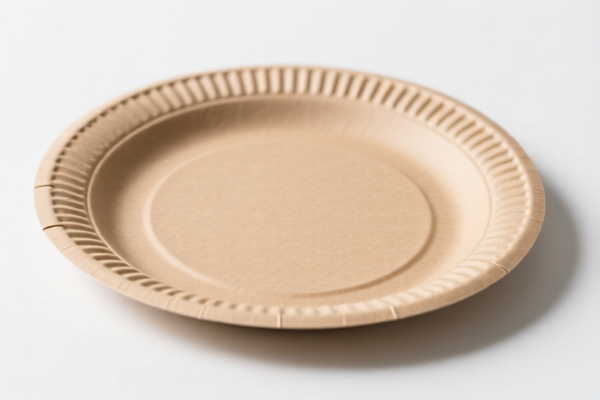
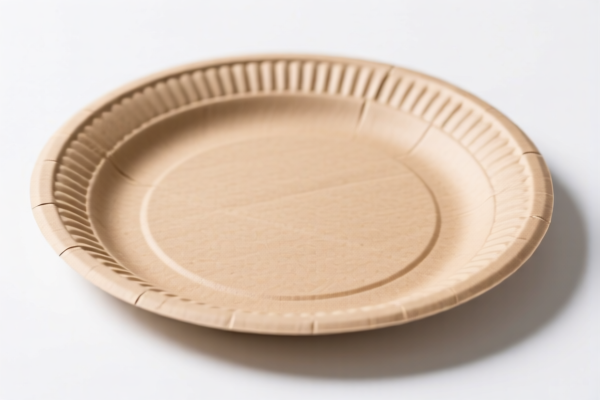
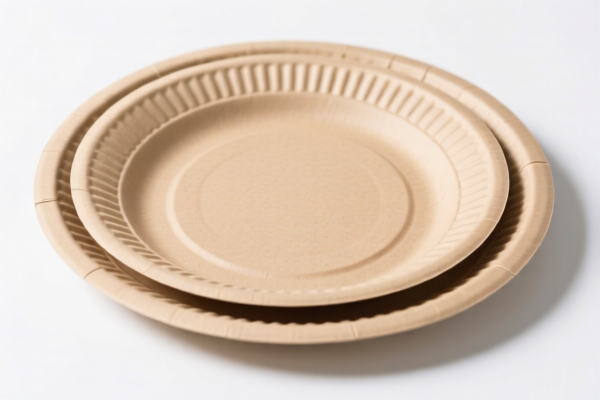
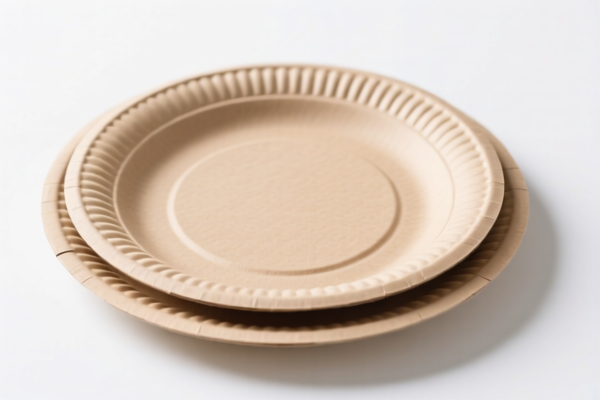
AI Analysis
🍽️ Pulp Plate (Flat Type)
🌐 HS Code Reference & Customs Clearance Guide | 2026 Latest Tariff Analysis | Professional Clearance Strategy
📌 I. Product Definition & Classification: What is a "Pulp Plate"?
A Pulp Plate (Flat Type) is an eco-friendly, disposable tableware item made primarily from pulp (paper/molded fiber) and formed into a flat, plate-like shape. In international trade, the critical distinction lies in the material composition and processing method.
Key Classification Logic: * Material "Pulp": Typically refers to paper pulp, molded fiber, or plant-based fiber composites. This points strongly to Chapter 48 (Paper and Paperboard). * Shape "Plate": Indicates a flat, molded structure. * Alternative Interpretations: If the "pulp" is actually a plastic-based coating or if the item is classified under industrial packaging supports, it might fall under Chapter 39 (Plastics) or Chapter 73 (Iron/Steel - rare for consumer tableware but possible for industrial trays).
⚠️ Critical Distinction Point:
- If the item is 100% paper pulp/molded fiber → Chapter 48 (Lowest Duty Risk)
- If the item is Plastic-coated or Plastic-based support → Chapter 39 (Medium Duty)
- If the item is Metal/Industrial Tray (mislabelled as "pulp") → Chapter 73 (High Duty Risk)
📦 II. HS Code Classification Details (2026 Latest Tariff Authority Comparison)
Based on the provided data, here are the potential HS Codes, sorted by material logic:
| HS Code | Product Description | Logic Summary | Material | Tax Rate |
|---|---|---|---|---|
4822.90.00.00 |
Other paper/paperboard supports, articles of pulp | Primary Match: "Pulp" = Paper Pulp; "Plate" = Molded Sheet/Plate. Matches definition of paper-based molded products. | Paper Pulp | 35.0% |
4822.10.00.00 |
Paper/paperboard supports, articles of pulp | Primary Match: Specific sub-category for paper pulp articles. Matches "Pulp" material and "Plate" form. | Paper Pulp | 35.0% |
3923.40.00.50 |
Plastic plates, plates, discs, strips, and other forms | Secondary Match: If "Pulp" implies a plastic packaging support or if the item is plastic-coated molded fiber considered as plastic packaging. | Plastic | 40.3% |
7326.19.00.80 |
Other articles of iron or steel | Low Probability Match: If "Pulp" is a misnomer and the item is actually an industrial metal tray/plate. High tax risk. | Steel/Metal | 87.9% |
🔍 Key Reminder:
-4822Series is the most accurate for eco-friendly paper pulp plates.
-3923applies if the item is treated as plastic packaging.
-7326is a high-risk error unless the item is genuinely metallic (which contradicts "Pulp").
- All codes above are subject to US Import Duties (assuming US destination based on tax structure).
💰 III. 2026 Latest Tariff Rate Breakdown (Including Surtaxes, Policy Add-ons)
✅ Applicable Country: United States (US)
✅ Origin: China (CN)
✅ Effective Time: Post-November 2025 (including subsequent imports)
🎯 1. 4822.90.00.00 / 4822.10.00.00 —— Paper Pulp Plates (Eco-Friendly)
| Item | Content |
|---|---|
| Base Tariff | 0% (ad valorem) |
| USITC Surtax (Section 301) | +25% |
| IEEPA Surtax (China-specific) | +10% |
| Total Effective Rate | 35.0% |
| Tax Calculation | CIF Value × 35% |
| De Minimis Exemption | ❌ Not Eligible (deny_de_minimis) |
| Legal Authority Path | IEEPA:9903.01.25 → USITC:4822.90.00.00 → FOOTNOTE:9903.88.01 |
📌 Explanation:
- 301 Tariff (25%): Applies to all Chinese-origin goods in this category under Section 301.
- IEEPA Tariff (10%): Additional surcharge for China-origin products under International Emergency Economic Powers Act.
- Total 35%: This is a high duty for paper products, so accurate classification is crucial to avoid misclassification penalties.
🎯 2. 3923.40.00.50 —— Plastic Plates / Packaging Supports
| Item | Content |
|---|---|
| Base Tariff | 5.3% |
| USITC Surtax (Section 301) | +25% |
| IEEPA Surtax (China-specific) | +10% |
| Total Effective Rate | 40.3% |
| Tax Calculation | CIF Value × 40.3% |
| De Minimis Exemption | ❌ Not Eligible |
| Legal Authority Path | IEEPA:9903.01.25 → USITC:3923.40.00.50 |
📌 Note:
- If your product is molded fiber with plastic coating, it might be classified here.
- 40.3% is higher than the paper pulp classification (35%).
- Strategy: Prove that the primary material is paper pulp, not plastic, to save 5.3% in base duty.
🎯 3. 7326.19.00.80 —— Iron/Steel Plates (Industrial)
| Item | Content |
|---|---|
| Base Tariff | 2.9% |
| USITC Surtax (Section 301) | +25% |
| IEEPA Surtax (China-specific) | +10% |
| Steel/Aluminum/Copper Surtax | +50% |
| Total Effective Rate | 87.9% |
| Tax Calculation | CIF Value × 87.9% |
| De Minimis Exemption | ❌ Not Eligible |
| Legal Authority Path | IEEPA:9901.25 → IEEPA:9903.01.24 → USITC:7326.19.00.80 → STEEL SURTAX |
📌 WARNING:
- This classification applies ONLY if the item is metal.
- 87.9% is a prohibitive tariff.
- Misclassifying a paper plate as a steel plate will result in massive back taxes and penalties.
- Do NOT use this code unless the item is literally made of steel.
🛠️ IV. Customs Clearance Practical Advice (实战避坑指南)
✅ 1. Documentation Checklist (Must-Haves)
| Document | Required | Description |
|---|---|---|
| ✅ Product Specification Sheet | ✔️ | Must state: "Material: 100% Molded Paper Pulp", "Weight", "Dimensions" |
| ✅ Material Composition Statement | ✔️ | Explicitly declare NO plastic lining, NO steel components |
| ✅ Product Photos | ✔️ | Clear images showing texture, thickness, and edges (to prove it's not metal) |
| ✅ Commercial Invoice | ✔️ | Item Name: "Pulp Plate (Flat Type)" - DO NOT write "Plastic Plate" or "Metal Tray" |
| ✅ Packaging List | ✔️ | Show quantity and packaging method |
| ✅ FSC Certificate (Optional) | ✔️ | If claiming sustainable sourcing, may help with brand reputation (not tax) |
✅ 2. Declaration Tips (Key Mnemonic)
🔥 "Paper is King, Plastic is High, Steel is Death!"
| Scenario | Correct Declaration | Wrong Declaration | Consequence |
|---|---|---|---|
| Eco-Friendly Paper Plate | 4822.90.00.00 |
3923.40.00.50 |
Overpay 5.3% |
| Paper Plate | 4822.90.00.00 |
7326.19.00.80 |
Penalty + 52.9% extra tax |
| Plastic-Coated Plate | 3923.40.00.50 |
4822.90.00.00 |
Under-declaration risk (if >10% plastic) |
| Metal Tray | 7326.19.00.80 |
4822.90.00.00 |
Severe Penalty + Fraud Charge |
✅ 3. Special Circumstances Handling
| Situation | Advice |
|---|---|
| Plastic Lining < 10% | If the paper plate has a thin PLA (bioplastic) lining, argue for Chapter 48 (Paper) as the primary material. Provide material test reports. |
| Multiple Materials | If it's a composite, use the "Essential Character" rule. If pulp is the main component, use 4822. |
| Sample Shipments | Even samples are subject to duties. Do not use "Sample" to evade duty if the HS Code is taxable. |
| OEM Orders | Provide buyer's specification sheet to prove the item is not a generic plastic or metal product. |
🌍 V. Global Market Comparison (2026 Latest)
| Country/Region | Recommended HS Code | Tariff | Notes |
|---|---|---|---|
| 🇺🇸 USA | 4822.90.00.00 |
35% | High due to 301 + IEEPA. Avoid 7326. |
| 🇨🇳 China | 4822.90.00.00 |
~8-10% | Lower base duty, no US surcharges. |
| 🇪🇺 EU | 4823.69.00.00 |
~5-6% | No Section 301 equivalent. |
| 🇬🇧 UK | 4823.69.00.00 |
~5% | Post-Brexit tariff structure. |
| 🇯🇵 Japan | 4823.69.00.00 |
~0-5% | Low duty for paper products. |
📌 Conclusion:
- USA is the most expensive market for pulp plates due to dual surcharges.
- Paper Pulp (4822) is the safest and cheapest classification for eco-friendly plates.
- Avoid Steel Classification (7326) unless you are shipping industrial metal trays.
📌 VI. Common Errors & Pitfalls (Lessons Learned)
❌ Error 1: Calling "Pulp Plate" a "Plastic Plate" in the invoice
👉 Result: Misclassification. If it's actually paper, you might face undervaluation or material mismatch flags.
👉 Fix: Use "Molded Paper Pulp Plate" in the description.
❌ Error 2: Claiming "De Minimis" for shipments under $800
👉 Result: Denied. IEEPA and 301 tariffs apply regardless of value.
👉 Fix: Prepare for 35% duty payment on all shipments.
❌ Error 3: Using 7326 for aesthetic reasons
👉 Result: 87.9% Tax. A paper plate will be inspected and found to be non-metallic.
👉 Fix: Use 4822 for paper, 3923 for plastic, 7326 only for metal.
✅ Correct Practice:
"Molded Paper Pulp Plate, Flat Type, 100% Biodegradable, No Plastic Lining, Model XYZ, Origin: China"
🎯 VII. Conclusion: Professional Classification, Cost Savings!
🎯 Remember the Mnemonic:
🔹 "Pulp is Paper, 35% is Fair, Plastic is 40%, Steel is 88%!"
🔹 "Classify by Material, Not by Shape!"
🔹 "35% Duty is High, but 88% is Bankrupt!"
📌 Pro Tip:
If your product contains more than 10% plastic coating, consult a customs broker to determine if 3923.40.00.50 is safer. However, if it's 100% paper pulp, stick to 4822.90.00.00 for the lowest risk and competitive rate (35%).
📣 Immediate Action:
📞 Contact a Licensed Customs Broker
📄 Submit Product Material Report
🚀 Declare Correct HS Code to Avoid 52.9% Penalty Gap!
✨ Professional Clearance Starts with Accurate Classification!
💼 Every Percent of Duty Saved is Pure Profit!
Customer Reviews
About HS Code Classification
The Harmonized System (HS) is an internationally standardized nomenclature developed by the World Customs Organization (WCO) to classify traded products. Over 200 countries use the HS system as the basis for customs tariffs, trade statistics, and import/export regulations.
Each HS code follows a hierarchical structure:
- Chapter (2 digits) — Broad category of goods (e.g., Chapter 84: Machinery and Mechanical Appliances)
- Heading (4 digits) — More specific grouping within the chapter
- Subheading (6 digits) — Internationally standardized breakdown, used by all WCO member countries
- National subdivisions (8-10 digits) — Country-specific extensions for further classification, such as US HTSUS 10-digit codes
Correct HS code classification is essential for smooth customs clearance, accurate duty payment, and compliance with trade regulations. Misclassification can lead to customs delays, overpayment of duties, or penalties.
When importing from CN to US, the applicable tariff rates may include:
- Most-Favored-Nation (MFN) rate — The standard duty rate applied to WTO members
- General rate — Applied to countries without trade agreements
- Trade remedy duties — Additional tariffs such as Section 301 (anti-dumping), Section 232 (national security), or countervailing duties
The information provided on this page is for reference purposes only. For official classification, please consult with your local customs authority or a licensed customs broker.