Racing Radial Tire (17 18 inch)
CN → US| HS Code | Tariff Rate | Origin | Destination | Doc |
|---|---|---|---|---|
| 4011101060 | 39.0% | CN | US | Official Doc |
| 4011101070 | 39.0% | CN | US | Official Doc |
| 4011101050 | 39.0% | CN | US | Official Doc |
| 4012114000 | 39.0% | CN | US | Official Doc |
| 4011101060 | 39.0% | CN | US | Official Doc |
Product Images
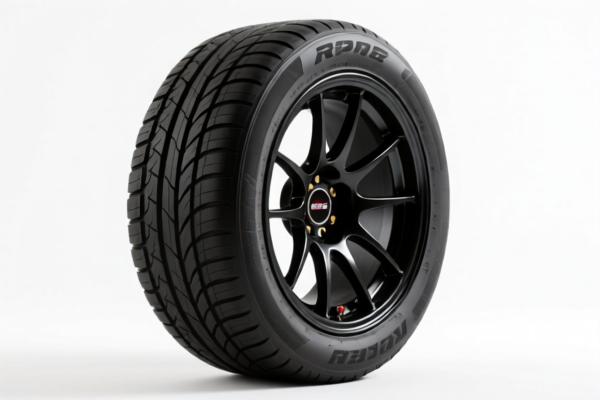
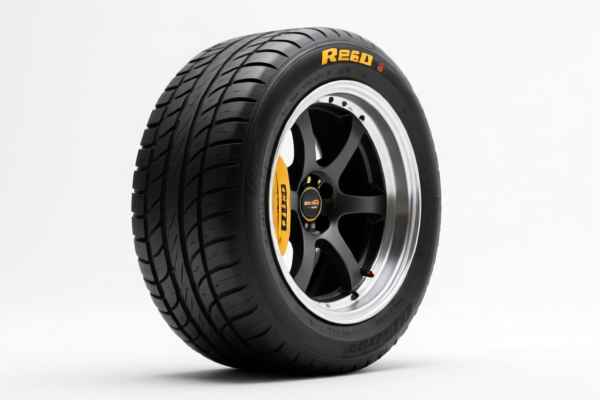
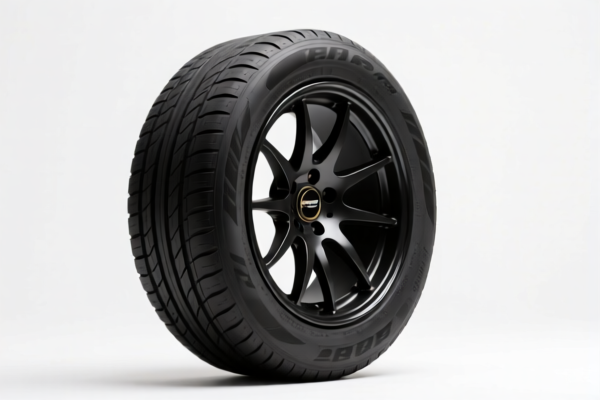
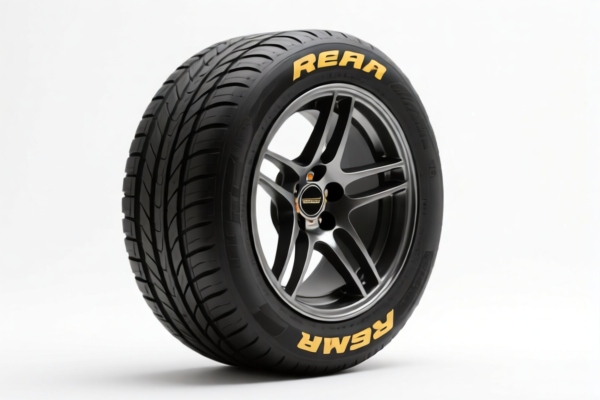
AI Analysis
🏎️ Racing Radial Tire (17-18 inch)
🌐 HS Code Reference & Customs Clearance Guide | 2026 Latest Tariff Full Analysis | Professional Clearance Strategy
📌 I. Product Definition & Classification: Do You Really Understand "Racing Tires"?
Racing radial tires are high-performance automotive components designed for motorsport applications. In international trade, they are strictly classified under Chapter 40 (Rubber and Articles Thereof), specifically Heading 4011 (New Pneumatic Tires).
For a "Racing Radial Tire (17-18 inch)", the key distinction lies in the rim diameter and the construction type (Radial/Submarine).
⚠️ Key Distinction Point:
- Rim Diameter 17-18 inches → Falls under specific sub-headings for passenger car tires.
- Construction Type: "Radial" (Submarine/zi ma xian) vs. "Bias". The input specifies Radial.
- Application: "Racing" falls under the broader category of Passenger Car Tires in tariff schedules, not heavy truck or aircraft tires.
📦 II. HS Code Classification Details (2026 Latest Tariff Authority Comparison)
Based on the provided <DATA>, here is the precise classification for your 17-18 inch Racing Radial Tire:
| HS Code | Product Description | Applicable Scenario | Rim Diameter | Construction | Total Tax Rate |
|---|---|---|---|---|---|
4011.10.10.60 |
Passenger Car Tires, Radial, Racing, 17-18 inches | High-performance racing tires, street-legal racing compounds | 17-18 inches | Radial (Submarine) | 39.0% |
4011.10.10.70 |
Passenger Car Tires, Radial, >18 inches | Racing tires for large rim vehicles (e.g., modified SUVs) | >18 inches | Radial | 39.0% |
4011.10.10.50 |
Passenger Car Tires, Radial, 16-17 inches | Standard performance tires | 16-17 inches | Radial | 39.0% |
4012.11.40.00 |
Used Pneumatic Tires, Passenger Car, 16-17 inches | Used racing tires (Recapped/Retreaded) | 16-17 inches | Radial | 39.0% |
🔍 Focus for Your Product:
Since your product is a 17-18 inch Racing Radial Tire, the most accurate HS Code is:
4011.10.10.60
Note:4011.10.10.70applies if the rim is strictly over 18 inches. If it is exactly 18 inches, it typically falls into the 17-18 bracket unless specified otherwise by local customs interpretation. However,4011.10.10.60is the primary match for the 17-18 range.
💰 III. 2026 Latest Tariff Rate Breakdown (Including Surcharges & Policy Add-ons)
✅ Applicable Country: United States (US)
✅ Origin: China (CN) (Implied by "122 Clause" and "Section 301" context in data)
✅ Effective Date: Current rates apply
🎯 1. 4011.10.10.60 —— Racing Radial Tire (17-18 inch)
| Item | Detail |
|---|---|
| Base Tariff | 4.0% (Standard MFN Rate) |
| Section 301 Surcharge | +25.0% (USITC Footnote 4 / Trade Act of 1974) |
| Section 122 Clause Tariff | +10.0% (Specific punitive tariff clause for certain Chinese goods) |
| Total Tariff Rate | 39.0% |
| Tax Calculation | CIF Value × 39.0% |
| De Minimis Eligibility | ❌ NO (High-risk category, likely denied de minimis) |
| Legal Basis Path | HTSUS: 4011.10.10.60 → USITC Footnote 4 (Section 301) → Section 122 Clause |
📌 Explanation:
- "Base Tariff 4%": Standard duty for new pneumatic tires of rubber.
- "Section 301 Tariff 25%": This is the major cost driver. Racing tires are often considered high-end automotive parts and are subject to US retaliatory tariffs against China.
- "Section 122 Clause 10%": An additional punitive tariff layer often applied to specific lists of Chinese industrial products.
- Total 39%: This is a very high effective tax rate. Profit margins must account for this significantly.
🛠️ IV. Customs Clearance Practical Advice (Real-World Pitfall Avoidance Guide)
✅ 1. Required Documentation Checklist (No Missing Items Allowed)
| Document | Must Provide | Notes |
|---|---|---|
| ✅ Product Spec Sheet | ✔️ | Must clearly state: Rim Diameter (17-18"), Construction (Radial), Tread Pattern (Racing). |
| ✅ Commercial Invoice | ✔️ | Item name must be precise: "New Radial Racing Tire, 17-18 inch, Passenger Car". Avoid vague terms like "Rubber Part". |
| ✅ Certificate of Origin | ✔️ | Essential for verifying country of origin (China) to apply correct 39% rate vs. potential exemptions (none likely for US). |
| ✅ Photos of Tire Sidewall | ✔️ | Must show DOT Code, Size Marking (e.g., 205/55R17), and Radial (R) symbol. |
| ✅ Material Composition | ✔️ | Confirm 100% Rubber. Mixed materials may change classification. |
✅ 2. Declaration Tips (Key Mantra)
🔥 "Size is Key, Radial is Clear, Racing is Specific, 39% is Real!"
| Situation | Correct Declaration | Wrong Approach |
|---|---|---|
| Rim Size | Specify 17-18 inches exactly. Use 4011.10.10.60. |
Vague "17 inch or bigger" → Risk of misclassification to 4011.10.10.70 (>18") or 4011.10.10.50 (16-17"). |
| Product Type | "Radial" must be explicit. | Writing "Bias Ply" when it is Radial → Major compliance violation. |
| Condition | "New" must be stated. | Writing "Tire" without "New" → May be flagged as Used (4012.11...), triggering different inspections. |
| Packaging | Declare as Tire Units. | Do not declare as "Rubber Material" or "Auto Parts" generally. |
✅ 3. Special Case Handling
| Scenario | Handling Advice |
|---|---|
| Rim Size Edge Case (Exactly 18") | If the rim diameter is exactly 18.0 inches, confirm with customs if it falls under "17-18" or ">18". Usually, "17-18" includes 18. If unsure, use 4011.10.10.60 but be prepared to justify. |
| OEM Racing Tires | Provide OEM Contract or Customer Purchase Order. Ensure the description matches the ordered spec exactly. |
| Sample Shipments | Even for samples, declare full value. Racing tires are high-value. De minimis may not apply due to Section 301. |
| Retreaded/Used Tires | If the tire is used, do NOT use 4011.... Use 4012.11.40.00 (for 16-17") or appropriate used tire HS. Using 4011 for used tires is fraud. |
🌍 V. Global Market Clearance Comparison (2026 Latest)
| Country/Region | Recommended HS Code | Tariff Rate | Certification Required | Remarks |
|---|---|---|---|---|
| 🇺🇸 USA | 4011.10.10.60 |
39.0% | None (but FDA/DMV may apply for road use) | High Tariff: 4% Base + 25% Sec 301 + 10% Sec 122. |
| 🇨🇳 China | 4011.10.10.60 |
~10-15% | CCC (if for road use) | No Section 301. Lower cost for domestic entry. |
| 🇪🇺 EU | 4011.10.10 |
~4.5% - 12% | ECE Mark (E-mark) | No Section 301. E-mark required for road legality. |
| 🇬🇧 UK | 4011.10.10 |
~4.5% - 12% | ECE Mark | Post-Brexit rules may vary. |
| 🇦🇺 Australia | 4011.10.10 |
~5% | ADR Compliance | No major punitive tariffs. |
📌 Conclusion:
- USA is the most expensive market due to the 39% total tariff.
- No other major market in this list applies the Section 301 or Section 122 penalties.
- Strategic Advice: If targeting the US, consider cost-plus pricing to absorb the 39% tariff, or explore tariff engineering (e.g., shipping components separately if legally possible, though difficult for finished tires).
📌 VI. Common Errors & Pitfall Guide (Blood & Tears Lessons)
❌ Error 1: Misdeclaring Rim Size.
👉 Claiming "17 inch" when it is 18.5 inch.
👉 Consequence: Wrong HS Code (4011.10.10.50 vs 70). Penalties for misclassification.
❌ Error 2: Ignoring Section 301 & 122 Clauses.
👉 Calculating tax at 4% only.
👉 Consequence: Underpayment by 35%. Customs will demand back taxes + interest + fines.
❌ Error 3: Declaring as "Auto Parts" or "Rubber Sheets".
👉 Vague description.
👉 Consequence: Customs holds goods for inspection, demands technical documents, delays shipment by weeks.
❌ Error 4: Confusing Radial vs. Bias.
👉 Writing "Bias" for a Radial tire.
👉 Consequence: Rejection of entry. Radial tires have different duty structures globally.
✅ Correct Approach:
"New Radial Pneumatic Tire, Passenger Car, Racing Compound, 17-18 Inch Rim Diameter, Model XYZ, Made in China."
🎯 VII. Conclusion: Professional Declaration, Save Time & Money!
🎯 Remember the Mantra:
🔹 "17-18 Inch Radial? Use .60. Total Tax 39%, Don't Run Away!"
🔹 "HS Code is Law, 39% is Real, Misdeclaration Costs You Big!"
📌 Pro Tip:
- If your tires are not made in China (e.g., Vietnam, Thailand), you may avoid the 35% surcharge (25% + 10%), paying only the base ~4% tariff.
- Recommendation: Verify Country of Origin strictly.
- Apply for Advance Ruling from US Customs (CBP) if this is a high-volume shipment to ensure classification certainty.
📣 Immediate Action:
📞 Contact your customs broker + Provide Tire Sidewall Photos + Confirm Rim Diameter
🚀 Let your racing tires clear smoothly, hit the track, and win profits!
✨ Professional Customs Clearance Starts with Precise Classification!
💼 Every Cent of Cost Should Be Accurately Calculated!
Customer Reviews
About HS Code Classification
The Harmonized System (HS) is an internationally standardized nomenclature developed by the World Customs Organization (WCO) to classify traded products. Over 200 countries use the HS system as the basis for customs tariffs, trade statistics, and import/export regulations.
Each HS code follows a hierarchical structure:
- Chapter (2 digits) — Broad category of goods (e.g., Chapter 84: Machinery and Mechanical Appliances)
- Heading (4 digits) — More specific grouping within the chapter
- Subheading (6 digits) — Internationally standardized breakdown, used by all WCO member countries
- National subdivisions (8-10 digits) — Country-specific extensions for further classification, such as US HTSUS 10-digit codes
Correct HS code classification is essential for smooth customs clearance, accurate duty payment, and compliance with trade regulations. Misclassification can lead to customs delays, overpayment of duties, or penalties.
When importing from CN to US, the applicable tariff rates may include:
- Most-Favored-Nation (MFN) rate — The standard duty rate applied to WTO members
- General rate — Applied to countries without trade agreements
- Trade remedy duties — Additional tariffs such as Section 301 (anti-dumping), Section 232 (national security), or countervailing duties
The information provided on this page is for reference purposes only. For official classification, please consult with your local customs authority or a licensed customs broker.