Racing Tires
CN → US| HS Code | Tariff Rate | Origin | Destination | Doc |
|---|---|---|---|---|
| 4011105000 | 38.4% | CN | US | Official Doc |
| 4011101070 | 39.0% | CN | US | Official Doc |
| 4013905050 | 38.7% | CN | US | Official Doc |
| 4012114000 | 39.0% | CN | US | Official Doc |
Product Images
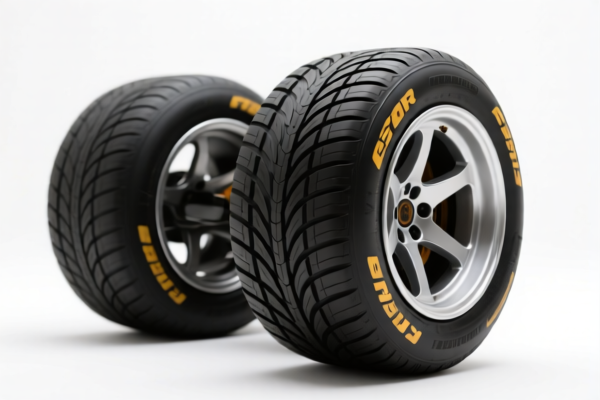
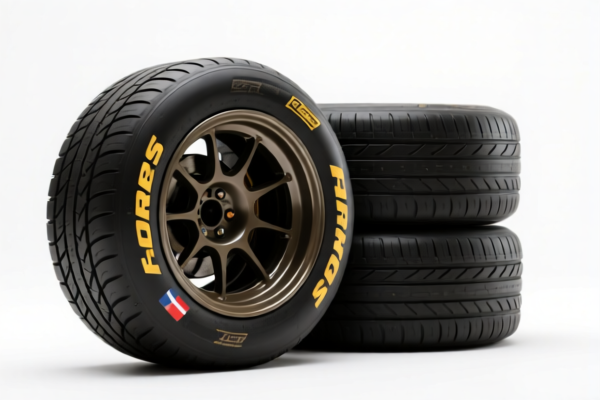
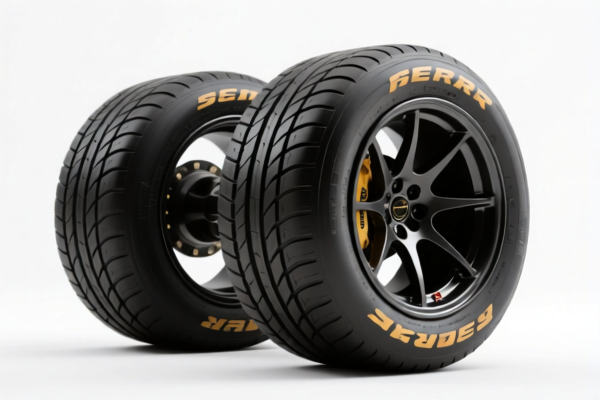
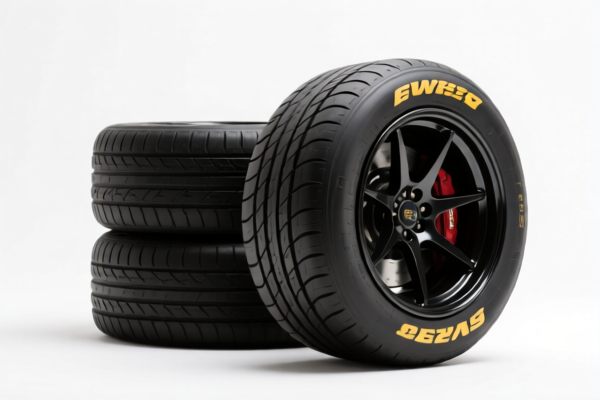
AI Analysis
🏎️ Racing Tires (Performance Automotive Tyres)
🌐 HS Code Reference & Customs Clearance Guide | 2026 Latest Tariff Analysis | Professional Strategy for High-Performance Goods
📌 I. Product Definition & Classification: Do You Really Understand "Racing Tires"?
Racing tires are specialized rubber products designed for high-speed vehicular performance, distinct from standard passenger car tires due to their specific compound, tread pattern, and structural reinforcement. In international trade, they are often scrutinized under various subheadings depending on the specific application (e.g., passenger vehicle vs. dedicated racing machine) and physical form (pneumatic vs. solid, though pneumatic is standard).
Key Distinctions: * Dedicated Racing Tires: Often classified under specific codes if explicitly designed for competition vehicles not intended for public road use. * Passenger Car Tires (Including Race-Use): Tires suitable for passenger vehicles that may also be used in racing contexts. * General Pneumatic Rubber Tires: A broader category if the specific "racing" designation is ambiguous or if the tire is a general-purpose component.
⚠️ Critical Classification Point:
- If the tire is exclusively for racing cars (non-road legal) and fits specific HS descriptions, it may fall under 4011.10.10.70.
- If it is a passenger vehicle tire (even if used for racing), it typically falls under 4011.10.50.00 or 4013.10.00.10.
- If classified as a general automotive component without specific passenger/racing distinction, it may land in 4012.11.40.00 or 4013.90.50.50.
📦 II. HS Code Classification Details (2026 Latest Tariff Reference)
| HS Code | Product Description | Application/Scenario | Tax Rate (Total) |
|---|---|---|---|
4011.10.10.70 |
Racing Tires: Dedicated for racing vehicles, rubber material, pneumatic form | Pure competition tires, not for public road use | 39.0% |
4011.10.50.00 |
Racing Tires: For passenger vehicles (including racing use), rubber material | Tires for cars that can be used for both street and track | 38.4% |
4013.90.50.50 |
Other Pneumatic Rubber Tires: Categorized under "other items," fits spare parts/components logic | General classification if specific racing/passenger distinction is unclear | 38.7% |
4012.11.40.00 |
Racing Tires: For automobiles (including racing), rubber material | Broad automotive classification for pneumatic tires | 39.0% |
4013.10.00.10 |
Racing Tires: For passenger vehicles, pneumatic form | Similar to 4011.10.50 but under Chapter 4013 (Pneumatic Rubber Tyres) | 38.7% |
🔍 Key Observation:
- All listed codes attract significant additional tariffs due to trade policies.
- The difference in total tax ranges from 38.4% to 39.0%, a small but critical difference in high-volume trade.
- Base rates are low (3.4%–4.0%), but the surcharge (25% + 10%) dominates the cost structure.
💰 III. 2026 Latest Tariff Rate Details (Including Surcharges & Policy Add-ons)
✅ Applicable Country: United States (US)
✅ Country of Origin: China (CN)
✅ Effective Time: Ongoing (Current Trade War Policies)
🎯 1. 4011.10.10.70 – Dedicated Racing Tires
| Item | Content |
|---|---|
| Base Tariff | 4.0% (Ad Valorem) |
| Section 301 Surcharge | +25.0% |
| Section 122 Tariff | +10.0% |
| Total Tax Rate | 39.0% |
| Tax Calculation | CIF Value × 39.0% |
| De Minimis Eligibility | ❌ Not Eligible |
| Legal Basis | HTSUS: 4011.10.10.70 → Section 301: 25% → Section 122: 10% |
📌 Explanation:
- This code is for tires specifically for racing vehicles.
- The 39% total rate includes the standard base duty plus heavy punitive tariffs.
- Section 122 (often related to specific trade relief or emergency measures) adds a mandatory 10%.
🎯 2. 4011.10.50.00 – Passenger Vehicle Tires (Including Racing Use)
| Item | Content |
|---|---|
| Base Tariff | 3.4% |
| Section 301 Surcharge | +25.0% |
| Section 122 Tariff | +10.0% |
| Total Tax Rate | 38.4% |
| Tax Calculation | CIF Value × 38.4% |
| De Minimis Eligibility | ❌ Not Eligible |
| Legal Basis | HTSUS: 4011.10.50.00 → Section 301: 25% → Section 122: 10% |
📌 Note:
- This is the lowest tax rate in the provided list.
- Suitable if the tire can be legally defined as for "passenger vehicles" even if used in racing.
- Strategic Advantage: 0.6% lower than dedicated racing tires.
🎯 3. 4013.90.50.50 – Other Pneumatic Rubber Tires (Spare Parts Logic)
| Item | Content |
|---|---|
| Base Tariff | 3.7% |
| Section 301 Surcharge | +25.0% |
| Section 122 Tariff | +10.0% |
| Total Tax Rate | 38.7% |
| Tax Calculation | CIF Value × 38.7% |
| De Minimis Eligibility | ❌ Not Eligible |
| Legal Basis | HTSUS: 4013.90.50.50 → Section 301: 25% → Section 122: 10% |
📌 Note:
- Used when the tire does not fit neatly into passenger or dedicated racing categories.
- Falls under "Other" pneumatic rubber tires.
🎯 4. 4012.11.40.00 – Tires for Automobiles (Including Racing)
| Item | Content |
|---|---|
| Base Tariff | 4.0% |
| Section 301 Surcharge | +25.0% |
| Section 122 Tariff | +10.0% |
| Total Tax Rate | 39.0% |
| Tax Calculation | CIF Value × 39.0% |
| De Minimis Eligibility | ❌ Not Eligible |
| Legal Basis | HTSUS: 4012.11.40.00 → Section 301: 25% → Section 122: 10% |
🎯 5. 4013.10.00.10 – Tires for Passenger Vehicles (Pneumatic)
| Item | Content |
|---|---|
| Base Tariff | 3.7% |
| Section 301 Surcharge | +25.0% |
| Section 122 Tariff | +10.0% |
| Total Tax Rate | 38.7% |
| Tax Calculation | CIF Value × 38.7% |
| De Minimis Eligibility | ❌ Not Eligible |
| Legal Basis | HTSUS: 4013.10.00.10 → Section 301: 25% → Section 122: 10% |
🛠️ IV. Customs Clearance Practical Advice (Battle-Tested Guide)
✅ 1. Required Documentation Checklist (Non-Negotiable)
| Document | Mandatory? | Details |
|---|---|---|
| ✅ Product Specification Sheet | ✔️ | Must detail tire size, compound, tread pattern, load index, speed rating. |
| ✅ Material Safety Data Sheet (MSDS) | ✔️ | For rubber compounds and manufacturing chemicals. |
| ✅ Commercial Invoice | ✔️ | Clearly state: "Racing Tire, Pneumatic, Rubber, For [Passenger/Racing] Vehicle." |
| ✅ Packing List | ✔️ | Include gross/net weight, dimensions, number of pieces. |
| ✅ Country of Origin Certificate | ✔️ | Crucial for applying/adducing surcharges accurately. |
| ✅ Import License/Permit (if applicable) | ✔️ | Some high-performance tires may require safety certifications. |
| ✅ Photos of Product & Labeling | ✔️ | Show DOT codes, sidewall markings, and branding. |
✅ 2. Declaration Strategies (Key Tips)
🔥 "Be Specific, Be Accurate, Avoid 'Other'!"
| Scenario | Recommended HS Code | Why? |
|---|---|---|
| Tire is only for track use, no street legal approval | 4011.10.10.70 or 4012.11.40.00 |
Fits "Racing" description precisely. |
| Tire is street-legal but used for racing | 4011.10.50.00 |
Lowest tax (38.4%). "Passenger vehicle" includes race cars. |
| Tires are spare parts shipped separately from vehicle | 4013.90.50.50 |
If unsure, "Other" is a fallback, but verify with customs. |
| Mixed Shipment (Road & Race tires) | Split Declaration | Do not combine. Different HS codes require separate lines. |
📌 Warning:
- Do NOT declare racing tires as "Auto Parts" vaguely. Customs will reclassify and apply penalties.
- Do NOT under-declare value. CIF value is strictly audited.
✅ 3. Special Circumstances
| Situation | Handling Advice |
|---|---|
| OEM Custom Tires | Provide contract + design specs to prove "racing" purpose. |
| Tires with Run-Flat Technology | Ensure description matches pneumatic category, not solid. |
| Used Racing Tires | Heavily Restricted. Import of used tires is often prohibited or requires special permits. Avoid! |
| Tires for Electric Vehicles | Same classification, but highlight "EV-specific" in specs if it affects performance. |
🌍 V. Global Market Comparison (2026 Perspective)
| Country/Region | Recommended HS Code | Estimated Total Tax (China Origin) | Notes |
|---|---|---|---|
| 🇺🇸 USA | 4011.10.50.00 |
38.4% | Highest due to Section 301 & 122. |
| 🇨🇳 China | 4011.10.50.00 |
~5-10% | Lower base rates, no punitive surcharges. |
| 🇪🇺 EU | 4011.10.50.00 |
~4-6% | No Section 301. CE marking required. |
| 🇬🇧 UK | 4011.10.50.00 |
~0-10% | Post-Brexit rules apply. Check UK Tariff. |
| 🇨🇦 Canada | 4011.10.50.00 |
~0% (if CUSMA eligible) | No tariff for eligible origins. |
📌 Conclusion:
- The US market is the most expensive for Chinese-made racing tires due to layered tariffs.
- Canada and EU offer better tax efficiency for non-Chinese origins.
- For US imports, cost optimization via HS code selection (e.g., using 4011.10.50.00 vs 4011.10.10.70) is critical.
📌 VI. Common Errors & Pitfalls (Lessons Learned)
❌ Error 1: Declaring "Racing Tires" as "Car Accessories"
👉 Consequence: Customs may apply higher duty rates or reject the shipment for misclassification.
❌ Error 2: Ignoring Section 122 Tariff
👉 Consequence: Unexpected 10% surcharge applied at border, leading to cash flow issues.
❌ Error 3: Using "Solid Tires" code for Pneumatic Racing Tires
👉 Consequence: Immediate rejection. Pneumatic tires must be classified under Chapter 4011/4013.
❌ Error 4: Undeclaring Value of High-Performance Compound
👉 Consequence: Penalties for undervaluation. Racing tires have high value; ensure accurate CIF.
✅ Correct Approach:
"Pneumatic Rubber Tire, Size 205/55R16, Load Index 91, Speed Rating V, For Passenger Vehicle Use, Model XYZ, Made in China, CIF Value $XXX"
🎯 VII. Conclusion: Precision Classification Saves Money!
🎯 Remember:
🔹 "Racing vs. Passenger: 0.6% Difference!"
🔹 "Section 301 + Section 122 = ~35% Surcharge!"
🔹 "No De Minimis for Tires – Declare Fully!"
📌 Pro Tip:
If you are importing large volumes, consider Advance Rulings from CBP to lock in the HS code and tax rate.
For US imports, explore if any exclusions or tariff engineering options are available, though racing tires are heavily targeted.
📣 Immediate Action:
📞 Consult a Licensed Customs Broker
📄 Prepare Detailed Product Specs
💡 Select the Lowest Eligible HS Code (e.g.,4011.10.50.00if applicable)
🚀 Ensure Smooth Customs Clearance & Cost Efficiency!
✨ Professional Customs Clearance Starts with Accurate Classification!
💼 Every Percent of Tax Saved is Pure Profit!
Customer Reviews
About HS Code Classification
The Harmonized System (HS) is an internationally standardized nomenclature developed by the World Customs Organization (WCO) to classify traded products. Over 200 countries use the HS system as the basis for customs tariffs, trade statistics, and import/export regulations.
Each HS code follows a hierarchical structure:
- Chapter (2 digits) — Broad category of goods (e.g., Chapter 84: Machinery and Mechanical Appliances)
- Heading (4 digits) — More specific grouping within the chapter
- Subheading (6 digits) — Internationally standardized breakdown, used by all WCO member countries
- National subdivisions (8-10 digits) — Country-specific extensions for further classification, such as US HTSUS 10-digit codes
Correct HS code classification is essential for smooth customs clearance, accurate duty payment, and compliance with trade regulations. Misclassification can lead to customs delays, overpayment of duties, or penalties.
When importing from CN to US, the applicable tariff rates may include:
- Most-Favored-Nation (MFN) rate — The standard duty rate applied to WTO members
- General rate — Applied to countries without trade agreements
- Trade remedy duties — Additional tariffs such as Section 301 (anti-dumping), Section 232 (national security), or countervailing duties
The information provided on this page is for reference purposes only. For official classification, please consult with your local customs authority or a licensed customs broker.