Raw Timber or Roughly Shaped Wood
CN → US| HS Code | Tariff Rate | Origin | Destination | Doc |
|---|---|---|---|---|
| 4407110043 | 35.0% | CN | US | Official Doc |
| 4407190055 | 35.0% | CN | US | Official Doc |
Product Images
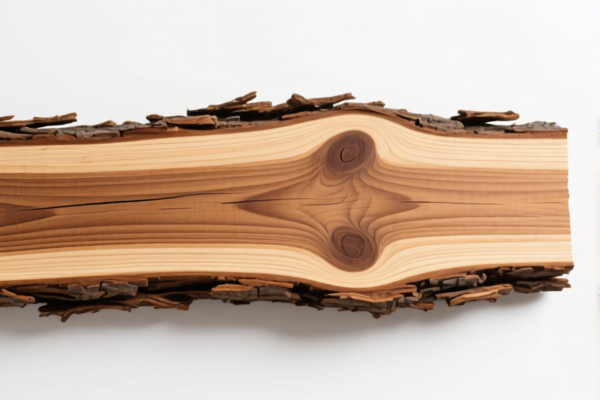
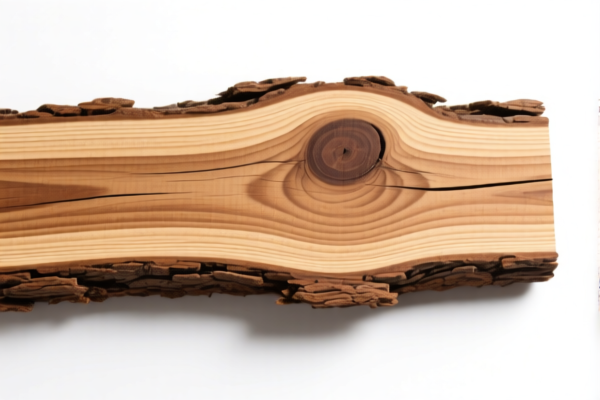
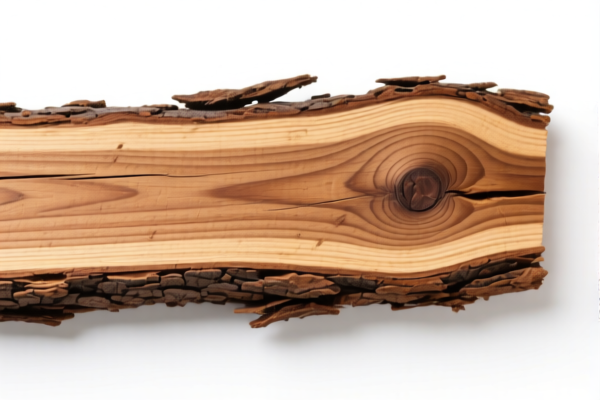
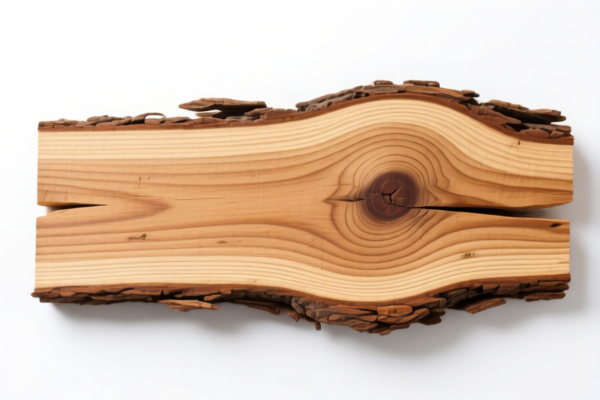
AI Analysis
🪵 Raw Timber or Roughly Shaped Wood (Coniferous)
🌐 HS Code Reference & Customs Clearance Guide | 2026 Latest Tariff Analysis | Professional Clearance Strategy
📌 1. Product Definition & Classification: What Exactly is "Rough Timber"?
Rough timber refers to wood that has been sawn, chipped lengthwise, sliced, or peeled, with a thickness exceeding 6 mm. It may be planed, sanded, or end-jointed but remains in a "rough" or untreated state. In international trade, this category is strictly divided based on wood species and treatment status.
⚠️ Key Distinction Points:
- If the wood is treated, painted, or finished, it does NOT fall under these rough timber codes.
- If the wood is smooth, sanded, or planed to a specific finish, it may fall under different subheadings, but for "Rough" designation, we focus on untreated, basic structural lumber.
- Species matters: Pine vs. Douglas-fir have different HS codes and potentially different trade implications.
📦 2. HS Code Classification Details (2026 Latest Tariff Authority Comparison)
| HS Code | Product Description | Applicable Scenario | Wood Species | Treatment Status |
|---|---|---|---|---|
4407.11.00.43 |
Wood, sawn/chipped lengthwise, sliced, or peeled, thickness > 6mm: Coniferous, Pine spp., Eastern white pine (Pinus strobus) and red pine (Pinus resinosa): Rough | Construction lumber, basic framing, untreated pine beams | Eastern White Pine, Red Pine | ❌ Not Treated |
4407.19.00.55 |
Wood, sawn/chipped lengthwise, sliced, or peeled, thickness > 6mm: Coniferous, Other (Douglas-fir): Rough, Min dimension ≥ 5.1 cm but < 12.7 cm | Structural timber, industrial use, untreated Douglas-fir | Douglas-fir (Pseudotsuga menziesii) | ❌ Not Treated |
🔍 Key Reminders:
- Thickness: Must exceed 6 mm to be classified under Chapter 44 (Sawn Wood). Thinner wood may fall under Chapter 47 (Wood Pulp) or other categories.
- "Rough" Definition: The wood has NOT been further processed into finished products (e.g., furniture, flooring). It is essentially raw lumber.
- Species Specificity: Customs requires precise species identification. "Pine" is too broad; you must specify Pinus strobus or Pinus resinosa for4407.11.00.43. For other conifers like Douglas-fir, use4407.19.00.55.
💰 3. 2026 Latest Tariff Rate Breakdown (Including Additional Duties & Policy Surcharges)
✅ Applicable Country: United States (US)
✅ Country of Origin: China (CN)
✅ Effective Date: November 10, 2025 onwards (including subsequent imports)
🎯 1. 4407.11.00.43 —— Eastern White Pine & Red Pine (Rough, Untreated)
| Item | Content |
|---|---|
| Base Tariff Rate | 0% (ad valorem) |
| Section 301 Additional Tariff | +25% (From USITC Footnote) |
| Total Tariff Rate | 25% |
| Tax Calculation | CIF Value × 25% |
| De Minimis Exemption | ❌ Not Eligible (Deny de minimis) |
| Legal Basis Path | USITC:4407.11.00.43 → FOOTNOTE:301_Section |
📌 Explanation:
- The 25% additional tariff is imposed under Section 301 of the Trade Act of 1974, targeting specific Chinese imports including raw timber and wood products.
- No base tariff is applied because the US has a 0% base duty for most rough coniferous wood.
- Total cost impact: Importers must budget for 25% of the CIF value as pure tariff cost.
🎯 2. 4407.19.00.55 —— Douglas-fir (Rough, Untreated, Specific Dimensions)
| Item | Content |
|---|---|
| Base Tariff Rate | 0% (ad valorem) |
| Section 301 Additional Tariff | +25% (From USITC Footnote) |
| Total Tariff Rate | 25% |
| Tax Calculation | CIF Value × 25% |
| De Minimis Exemption | ❌ Not Eligible (Deny de minimis) |
| Legal Basis Path | USITC:4407.19.00.55 → FOOTNOTE:301_Section |
📌 Note:
- Identical tariff structure to the Pine category.
- Dimensional Constraint: This specific code applies to Douglas-fir with a minimum dimension ≥ 5.1 cm but < 12.7 cm. If dimensions exceed 12.7 cm, a different HS code may apply, but likely still subject to 25% under Section 301.
- Species Precision: Must clearly label as Pseudotsuga menziesii (Douglas-fir). Mislabeling as generic "fir" or "spruce" can lead to customs delays or penalties.
🛠️ 4. Customs Clearance Practical Advice (Real-World Pitfall Avoidance Guide)
✅ 1. Required Documentation Checklist (All Mandatory)
| Document | Mandatory? | Notes |
|---|---|---|
| ✅ Commercial Invoice | ✔️ | Must specify exact species (e.g., Pinus strobus), dimensions, and "Rough, Untreated" status. |
| ✅ Packing List | ✔️ | Detail weight, volume, and dimensions of each bundle. |
| ✅ Phytosanitary Certificate | ✔️ | Required by USDA to prevent pest introduction. Must be issued by the country of origin. |
| ✅ Species Declaration | ✔️ | Scientific name required (e.g., Pinus strobus, Pseudotsuga menziesii). Common names alone are insufficient. |
| ✅ Bill of Lading/Air Waybill | ✔️ | Standard transport document. |
| ✅ ISF Filing (10+2) | ✔️ | Must be filed 24 hours before loading at origin for US ocean imports. |
📌 Critical Warning:
- Phytosanitary Certificate is non-negotiable for raw wood. Without it, shipments will be detained, fumigated at importer’s expense, or rejected.
- Species Mislabeling: If customs suspects mislabeling (e.g., declaring cheap pine as expensive hardwood, or vice versa), they may impose penalties + back-tariffs.
✅ 2. Declaration Tips (Key Mantra)
🔥 "Species Precise, Dimensions Clear, Phytosanitary Ready, Tariff 25% is Key!"
| Scenario | Correct Declaration | Wrong Approach |
|---|---|---|
| Eastern White Pine Lumber | 4407.11.00.43, Pinus strobus, Rough, Untreated |
Generic "Pine Wood" → Delay + Penalty |
| Douglas-fir Planks (5.1–12.7 cm) | 4407.19.00.55, Pseudotsuga menziesii, Rough, Untreated |
Generic "Douglas Fir" → Possible Rejection if species not scientific |
| Treated Wood (e.g., Pressure-Treated) | NOT these codes | Declaring treated wood as rough/untreated → Fraud + Seizure |
| Wood Thickness < 6mm | NOT Chapter 44 | Declaring thin wood under rough timber codes → Misclassification |
✅ 3. Special Circumstances Handling
| Situation | Handling Advice |
|---|---|
| Mixed Species Container | Do NOT mix different species in one declaration. Separate shipments by HS code. Mixed shipments will cause major delays. |
| Dimensional Ambiguity | Provide certified measurement reports from a third-party inspector. Disputes over dimensions (e.g., is it 12.6 cm or 12.8 cm?) can change HS codes. |
| Origin Fraud | If wood is sourced from China but declared as Vietnam/Thailand, you face Section 301 penalties + anti-dumping duties. Use Country of Origin Certificate. |
| End-Jointed Wood | If end-jointed, it still falls under rough timber if not further processed. Declare as "End-Jointed, Rough". |
🌍 5. Global Main Market Customs Comparison (2026 Latest)
| Country/Region | Recommended HS Code | Tariff (China Origin) | Certification Requirements | Notes |
|---|---|---|---|---|
| 🇺🇸 USA | 4407.11.00.43 / 4407.19.00.55 |
25% (Section 301) | Phytosanitary, ISF | High tariff impact. |
| 🇨🇳 China | 4407.11.00.43 / 4407.19.00.55 |
0% ~ 5% (Varies) | Phytosanitary (Export) | Lower tariffs for import/export. |
| 🇪🇺 EU | 4407.10.50 / 4407.10.90 |
0% (GSP/FTA Eligible) | Phytosanitary, Fytosanitary | Generally no additional tariffs if FTA compliant. |
| 🇬🇧 UK | 4407.11.00.43 / 4407.19.00.55 |
0% ~ 5% | Phytosanitary | Post-Brexit rules apply. |
| 🇯🇵 Japan | 4407.11.00.43 / 4407.19.00.55 |
0% ~ 5% | Phytosanitary | Low tariffs, strict inspection. |
📌 Conclusion:
- USA imposes a 25% additional tariff on these specific rough timber products from China.
- EU and Japan generally have lower or zero tariffs, but strict phytosanitary requirements apply.
- Cost Optimization: If possible, source wood from non-China origins (e.g., Vietnam, Thailand) to avoid Section 301 tariffs, but ensure origin documentation is impeccable.
📌 6. Common Errors & Pitfall Guide (Lessons Learned)
❌ Error 1: Declaring "Pine" without specifying Pinus strobus or Pinus resinosa
👉 Consequence: Customs will reject the declaration or assign a default higher-duty code.
👉 Solution: Always use scientific names in commercial invoices and packing lists.
❌ Error 2: Failing to provide a Phytosanitary Certificate
👉 Consequence: Shipments will be held at port, fumigated, or returned. Costs: Fumigation ($500–$2000) + Demurrage.
👉 Solution: Obtain the certificate before shipment. Ensure it matches the invoice species.
❌ Error 3: Misdeclaring "Treated" wood as "Untreated"
👉 Consequence: Seizure + Penalty. Treated wood requires different handling and may have different tariffs.
👉 Solution: Accurately declare treatment status. If treated, it does not qualify for these rough timber codes.
❌ Error 4: Ignoring Dimensional Constraints for Douglas-fir
👉 Consequence: If dimensions are ≥ 12.7 cm, the code 4407.19.00.55 is invalid.
👉 Solution: Verify dimensions. For > 12.7 cm, consult a customs broker for the correct subheading (likely still 25% under Section 301, but different code).
✅ Correct Approach:
"Eastern White Pine Lumber, Rough, Untreated, Thickness 25mm, Dimensions 50mm x 100mm, Scientific Name: Pinus strobus, Phytosanitary Certificate #ABC123, Section 301 Applicable"
🎯 7. Conclusion: Professional Declaration, Cost Savings, Risk Mitigation
🎯 Remember the Mantra:
🔹 "Species Scientific, Dimensions Precise, Phytosanitary Ready, 25% Tariff is Key!"
🔹 "HS Code Determines Duty, Species Matters, Mislabeling Means Penalty!"
📌 Pro Tip:
If your timber is sourced from Vietnam, Thailand, or Malaysia, you avoid the 25% Section 301 tariff. However, ensure no Chinese components or processing were involved to claim non-origin status.
Apply for an Advance Ruling from CBP to confirm HS code classification before shipping.
📣 Immediate Action:
📞 Contact a licensed customs broker + Provide product photos + Obtain Phytosanitary Certificate
🚀 Ensure your raw timber clears customs smoothly, avoids penalties, and maximizes profit margins!
✨ Professional Customs Clearance Starts with Accurate Classification!
💼 Every cent of tariff cost is worth calculating precisely!
Customer Reviews
About HS Code Classification
The Harmonized System (HS) is an internationally standardized nomenclature developed by the World Customs Organization (WCO) to classify traded products. Over 200 countries use the HS system as the basis for customs tariffs, trade statistics, and import/export regulations.
Each HS code follows a hierarchical structure:
- Chapter (2 digits) — Broad category of goods (e.g., Chapter 84: Machinery and Mechanical Appliances)
- Heading (4 digits) — More specific grouping within the chapter
- Subheading (6 digits) — Internationally standardized breakdown, used by all WCO member countries
- National subdivisions (8-10 digits) — Country-specific extensions for further classification, such as US HTSUS 10-digit codes
Correct HS code classification is essential for smooth customs clearance, accurate duty payment, and compliance with trade regulations. Misclassification can lead to customs delays, overpayment of duties, or penalties.
When importing from CN to US, the applicable tariff rates may include:
- Most-Favored-Nation (MFN) rate — The standard duty rate applied to WTO members
- General rate — Applied to countries without trade agreements
- Trade remedy duties — Additional tariffs such as Section 301 (anti-dumping), Section 232 (national security), or countervailing duties
The information provided on this page is for reference purposes only. For official classification, please consult with your local customs authority or a licensed customs broker.