Recyclable Paper Handbag
CN → US| HS Code | Tariff Rate | Origin | Destination | Doc |
|---|---|---|---|---|
| 4202295000 | 42.8% | CN | US | Official Doc |
| 4819400020 | 35.0% | CN | US | Official Doc |
| 4819400040 | 35.0% | CN | US | Official Doc |
| 4823908000 | 35.0% | CN | US | Official Doc |
| 4823908680 | 35.0% | CN | US | Official Doc |
Product Images
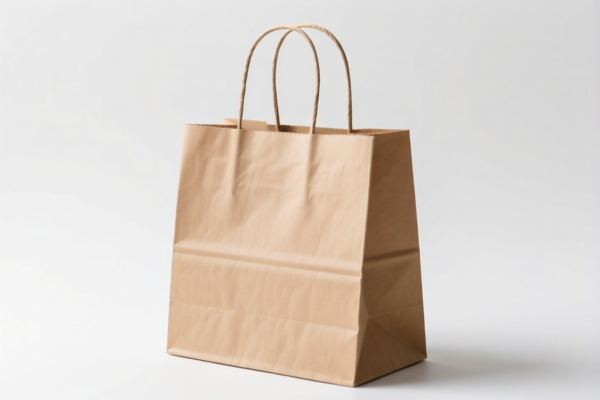
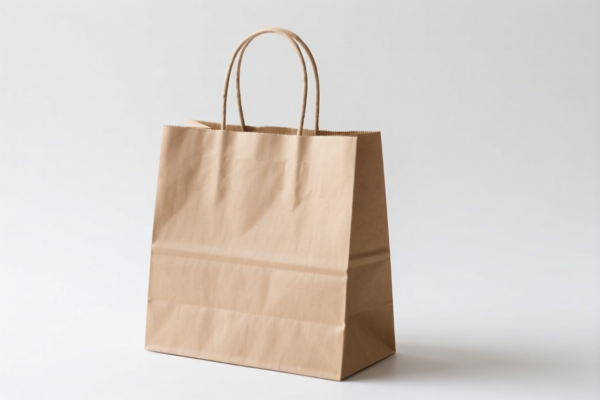
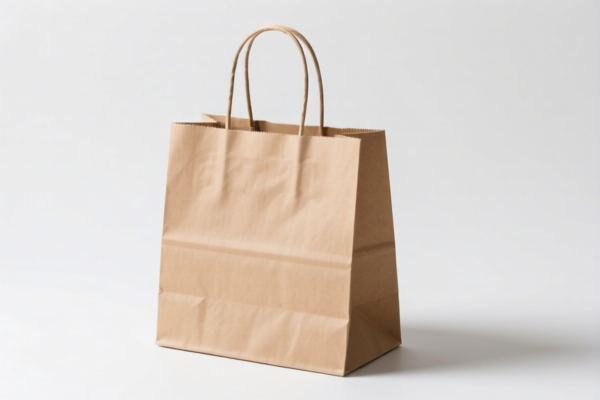
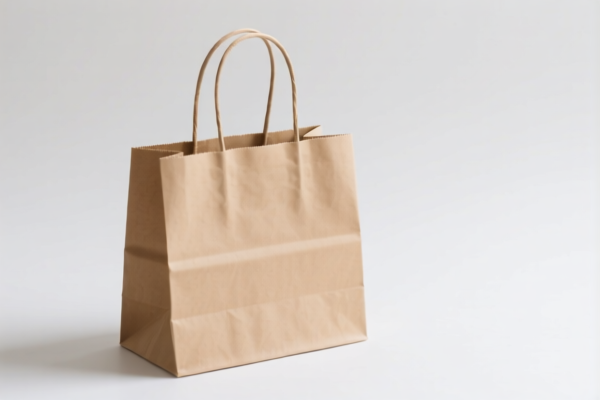
AI Analysis
📄 Recyclable Paper Handbags: HS Code Classification & Tariff Deep Dive (2026)
🌐 HS Code Reference & Customs Clearance Guide | 2026 Latest Tariff Analysis | Professional-Level Strategy
📌 Part 1: Product Definition & Classification: Do You Really Understand "Paper Handbags"?
Recyclable paper handbags are essential packaging solutions for retail, luxury brands, and eco-friendly commerce. In international trade, despite their simple appearance, they are classified into multiple HS Codes based on material composition, structural design, and specific chapter definitions. Misclassification can lead to severe tariff penalties (up to 42.8%) or customs delays.
⚠️ Critical Distinction:
- If the bag is primarily defined as a "container made of paper" (general packaging) → Likely Chapter 48;
- If it is explicitly defined as a "handbag made of paper covering" (article of furniture/accessories) → Likely Chapter 42.
- Key Risk: All listed codes below attract additional punitive tariffs due to US-China trade policies.
📦 Part 2: HS Code Classification Details (2026 Latest Tariff Authority Mapping)
Based on the provided data, here is the precise mapping for "Recyclable Paper Handbags":
| HS Code | Product Description | Classification Logic | Chapter Context |
|---|---|---|---|
4202.29.50.00 |
Paper handbags, material is paper, fits the definition of "covered by paper" | Treated as a handbag/accessory (Chapter 42) rather than simple packaging. | Chapter 42: Articles of Apparel Clothing Accessories |
4819.40.00.20 |
Paper handbags, belongs to the category of paper packaging bags | Treated as a flexible packaging item. | Chapter 48: Paper and Paperboard |
4819.40.00.40 |
Paper handbags, belongs to other bags in the paper packaging container category | Treated as a specific paper container subtype. | Chapter 48: Paper and Paperboard |
4823.90.80.00 |
Paper handbags, belongs to other shaped articles under the paper products broad category | Treated as a fabricated paper product (not strictly packaging). | Chapter 48: Paper and Paperboard |
4823.90.86.80 |
Paper handbags, belongs to the catch-all category under Chapter 48 sub-heading | Treated as a miscellaneous paper article when specific packaging codes don't fit perfectly. | Chapter 48: Paper and Paperboard |
🔍 Key Insight:
- Code4202.29.50.00is the most "premium" classification but carries the highest tax burden (42.8%) because it views the bag as an accessory rather than disposable packaging.
- Codes4819and4823are more common for bulk retail packaging but still attract significant penalties.
💰 Part 3: 2026 Latest Tariff Rate Breakdown (Including Surcharges)
✅ Applicable Country: United States (US)
✅ Origin: China (CN)
✅ Effective Date: 2025 onwards (Cumulative Impact)
🎯 1. 4202.29.50.00 —— Paper Handbag (Chapter 42 Classification)
| Item | Content |
|---|---|
| Base Tariff | 7.8% (Ad Valorem) |
| Section 301 Surcharge | +25.0% (Trade War Tariff) |
| Section 122 Tariff | +10.0% (Reciprocal Trade Act / Specific Country Measures) |
| Total Effective Rate | 42.8% |
| Tax Calculation | CIF Value × 42.8% |
| De Minimis Exemption | ❌ NOT APPLICABLE (deny_de_minimis applies to high-tariff goods) |
| Legal Path | HTSUS:4202.29.50.00 → USITC:301_List → DOJ:Section122 |
📌 Explanation:
- The 7.8% base rate reflects Chapter 42's higher duty for non-textile bags.
- The 25% Section 301 tariff is the standard punitive tax on Chinese goods in this category.
- The 10% Section 122 tariff adds an additional layer of cost, making this the most expensive option.
🎯 2. 4819.40.00.20 & 4819.40.00.40 —— Paper Packaging Bags (Chapter 48 Classification)
| Item | Content |
|---|---|
| Base Tariff | 0.0% (Ad Valorem) |
| Section 301 Surcharge | +25.0% |
| Section 122 Tariff | +10.0% |
| Total Effective Rate | 35.0% |
| Tax Calculation | CIF Value × 35.0% |
| De Minimis Exemption | ❌ NOT APPLICABLE |
| Legal Path | HTSUS:4819.40.00.xx → USITC:301_List → DOJ:Section122 |
📌 Explanation:
- While the base rate is 0%, the 35% total rate is still very high.
- These codes are preferred if the bag is clearly for bulk packaging or retail carry-out (not luxury accessory style).
🎯 3. 4823.90.80.00 & 4823.90.86.80 —— Other Paper Products (Chapter 48 Catch-All)
| Item | Content |
|---|---|
| Base Tariff | 0.0% (Ad Valorem) |
| Section 301 Surcharge | +25.0% |
| Section 122 Tariff | +10.0% |
| Total Effective Rate | 35.0% |
| Tax Calculation | CIF Value × 35.0% |
| De Minimis Exemption | ❌ NOT APPLICABLE |
| Legal Path | HTSUS:4823.90.8x.xx → USITC:301_List → DOJ:Section122 |
📌 Explanation:
- Used when the bag does not fit neatly into standard packaging definitions (4819) but is clearly a paper product.
- Same 35% total rate as the 4819 codes.
🛠️ Part 4: Customs Clearance Practical Advice (Avoiding Pitfalls)
✅ 1. Essential Documentation Checklist
| Document | Required | Notes |
|---|---|---|
| ✅ Product Specifications | ✔️ | Must specify: Material (e.g., 100% Recyclable Paper), Weight, Handle Type |
| ✅ Photos (Front/Side/Bottom) | ✔️ | Show construction: Is it rigid (Chapter 42) or flexible (Chapter 48)? |
| ✅ Commercial Invoice | ✔️ | Clearly state "Paper Handbag" or "Paper Packaging Bag". Avoid vague terms like "Gift Item" |
| ✅ Packing List | ✔️ | Detail quantity and weight. Ensure CIF value includes freight/insurance |
| ✅ Origin Certificate | ✔️ | Prove China origin to apply correct Section 301 rates |
| ✅ HS Code Pre-ruling | ✔️ | Highly Recommended to avoid disputes between Chapter 42 and 48 |
✅ 2. Declaration Strategy (Key Mantra)
🔥 "Rigid Bags = 42.8%, Flexible Bags = 35.0%. Choose Wisely!"
| Scenario | Correct HS Code | Reason |
|---|---|---|
| Luxury Retail Bag (Stiff, branded, handled like an accessory) | 4202.29.50.00 |
Fits "Article of Apparel/Accessory" definition. Higher base tax but may be acceptable for high-value retail. |
| Grocery/Retail Carry-out Bag (Flexible, thin paper, standard handles) | 4819.40.00.20 or 4819.40.00.40 |
Fits "Paper Packaging Bag" definition. Lower base tax (0%). |
| Custom Shaped Paper Bag (Non-standard, complex structure) | 4823.90.80.00 |
"Other shaped article" when 4819 doesn't fit. |
| Unknown/General Paper Bag | 4823.90.86.80 |
Catch-all for Chapter 48. Use only if no other code fits. |
⚠️ Warning:
- Do NOT declare flexible paper bags as4202.29.50.00to "look fancy" – Customs will reject it, and you may face fines for misdeclaration.
- Do NOT declare rigid luxury bags as4819– If they have structural integrity akin to a handbag, they should be Chapter 42.
✅ 3. Special Considerations for 2026
| Situation | Advice |
|---|---|
| De Minimis (Section 321) | ❌ Do NOT use. All these HS codes are subject to Section 301 and Section 122 tariffs, which override the $800 de minimis exemption. |
| Material Composition | Ensure the "Recyclable" claim is backed by documentation. Mislabeling can lead to environmental compliance issues. |
| Handle Material | If handles are cloth or leather, the bag may still be classified under Chapter 42, but the tax calculation might differ. Check local CBP rulings. |
| Volume Discounts | With a 35-42.8% tax rate, margin compression is significant. Factor this into your pricing strategy. |
🌍 Part 5: Global Market Comparison (2026)
| Market | Recommended HS Code | Approx. Total Tax | Notes |
|---|---|---|---|
| 🇺🇸 USA | 4819.40.00.20 / 4202.29.50.00 |
35% - 42.8% | High punitive tariffs. Section 301 + Section 122 apply. |
| 🇨🇳 China | 4819.40.00.20 |
~0% - 5% | Low base tariff. No Section 301. |
| 🇪🇺 EU | 4819.40.00 |
~0% - 4% | Low base tariff. No Section 301. |
| 🇬🇧 UK | 4819.40.00 |
~0% - 5% | Post-Brexit tariffs vary but generally lower than US. |
| 🇨🇦 Canada | 4819.40.00 |
~0% - 5% | Lower than US, no Section 301. |
📌 Conclusion:
- The USA is the most expensive market for paper handbags due to layered tariffs.
- If exporting to the US, optimize your HS Code to4819(35%) rather than4202(42.8%) if structurally appropriate.
- Consider supply chain diversification (e.g., manufacturing in Vietnam/Mexico) to avoid US-China punitive tariffs.
📌 Part 6: Common Mistakes & Pitfalls (Lessons Learned)
❌ Mistake 1: Using "Gift Bag" as the product name
👉 Consequence: Customs may reclassify as 4202.29.50.00 (42.8%) or demand additional proof.
✅ Fix: Use "Paper Handbag" or "Paper Packaging Bag".
❌ Mistake 2: Assuming "Recyclable" changes the HS Code
👉 Consequence: No HS Code change. "Recyclable" is an environmental claim, not a classification factor.
✅ Fix: Provide sustainability certificates separately.
❌ Mistake 3: Ignoring Section 122 Tariff
👉 Consequence: Underpaying taxes by 10%.
✅ Fix: Always add 10% to the 301 tariff calculation for Chinese-origin goods.
❌ Mistake 4: Splitting one shipment into "Bag + Handle" to lower tax
👉 Consequence: Customs will consolidate and assess full tariff on the whole unit.
✅ Fix: Declare the complete assembled bag.
🎯 Part 7: Conclusion: Smart Classification Saves Money
🎯 Key Takeaway:
🔹 "Flexible Paper Bag = 35% (4819); Rigid Paper Bag = 42.8% (4202)."
🔹 "De Minimis is OFF for these codes – Plan Your Costs!"
📌 Pro Tip:
If your paper handbags are simple, flexible, and for retail carry-out, insist on 4819.40.00.20 or 4819.40.00.40 (35% total).
If they are structured, luxury, and accessory-like, prepare for 4202.29.50.00 (42.8% total).
📣 Action Step:
📞 Contact a licensed customs broker
📦 Provide 3D drawings/photos
📋 Apply for HS Code Pre-ruling if shipment volume is high
✨ Precise Classification = Predictable Costs
💼 Don't let hidden tariffs eat your margins!
Customer Reviews
About HS Code Classification
The Harmonized System (HS) is an internationally standardized nomenclature developed by the World Customs Organization (WCO) to classify traded products. Over 200 countries use the HS system as the basis for customs tariffs, trade statistics, and import/export regulations.
Each HS code follows a hierarchical structure:
- Chapter (2 digits) — Broad category of goods (e.g., Chapter 84: Machinery and Mechanical Appliances)
- Heading (4 digits) — More specific grouping within the chapter
- Subheading (6 digits) — Internationally standardized breakdown, used by all WCO member countries
- National subdivisions (8-10 digits) — Country-specific extensions for further classification, such as US HTSUS 10-digit codes
Correct HS code classification is essential for smooth customs clearance, accurate duty payment, and compliance with trade regulations. Misclassification can lead to customs delays, overpayment of duties, or penalties.
When importing from CN to US, the applicable tariff rates may include:
- Most-Favored-Nation (MFN) rate — The standard duty rate applied to WTO members
- General rate — Applied to countries without trade agreements
- Trade remedy duties — Additional tariffs such as Section 301 (anti-dumping), Section 232 (national security), or countervailing duties
The information provided on this page is for reference purposes only. For official classification, please consult with your local customs authority or a licensed customs broker.