Refractory Concrete (Magnesia based)
CN → US| HS Code | Tariff Rate | Origin | Destination | Doc |
|---|---|---|---|---|
| 6902101000 | 35.0% | CN | US | Official Doc |
| 6902105000 | 35.0% | CN | US | Official Doc |
| 3816002050 | 38.0% | CN | US | Official Doc |
| 6903900050 | 35.0% | CN | US | Official Doc |
| 6810110010 | 38.2% | CN | US | Official Doc |
Product Images
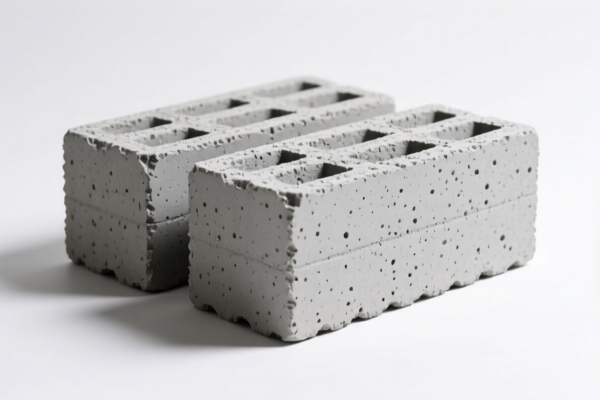
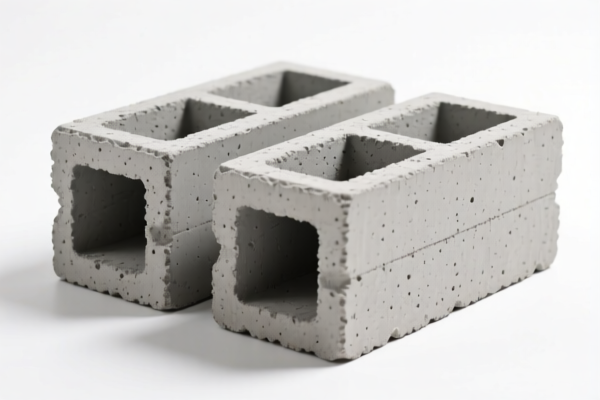
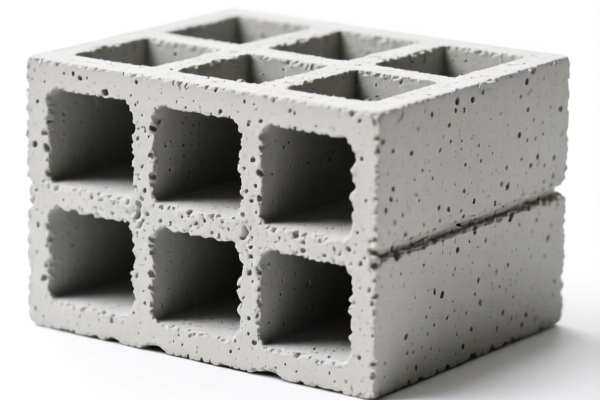
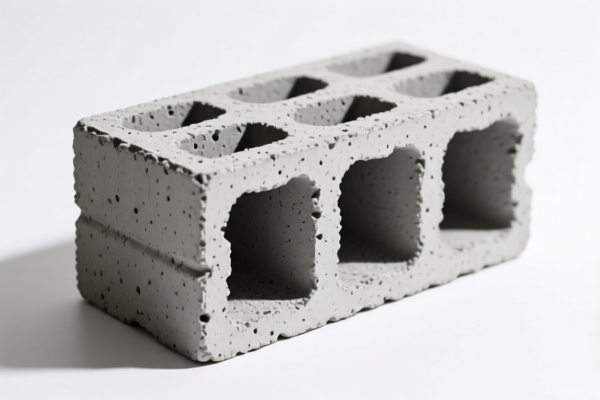
AI Analysis
🏗️ Refractory Concrete (Magnesia Based)
🌐 HS Code Reference & Customs Clearance Guide | 2026 Latest Tariff Analysis | Strategic Compliance for Magnesium-Based Refractories
📌 I. Product Definition & Classification: What Exactly is "Refractory Concrete"?
Refractory concrete, particularly those based on Magnesia (MgO), represents a critical class of high-temperature industrial materials. In international trade, the classification is not straightforward because it depends on the composition (magnesium content vs. general cementitious binder) and the form (castable vs. shaped brick).
Key Distinctions: * True Magnesia-Based Refractories: Products where Magnesia is the primary refractory aggregate/binder. These generally fall under Chapter 69 (Ceramic Products). * General Refractory Concrete/Mortar: Products where the binder might be Portland cement, calcium aluminate, or phosphate, but the overall classification leans towards construction materials or chemical preparations. These fall under Chapter 68 (Stone, Plaster, Cement) or Chapter 38 (Chemical Preparations).
⚠️ Critical Classification Point:
- If the product is explicitly "Magnesia-based" and meets the definition of a refractory ceramic good → It likely falls under HS 6902.
- If it is a generic "Refractory Concrete" or "Mortar" without specific magnesium ceramic characteristics → It may fall under HS 3816 or HS 6903/6810.
- The specific summary provided in the data links "Magnesia-based" to HS 6902, but "Refractory Concrete" generally to HS 3816/6903/6810.
📦 II. HS Code Classification Details (2026 Latest Tariff Mapping)
Based on the provided data, here is the precise mapping of "Refractory Concrete (Magnesia Based)" to specific HS Codes and their logical justifications.
| HS Code | Product Description (From Data) | Logic & Justification | Tax Rate |
|---|---|---|---|
6902.10.10.00 |
Magnesia-based Refractory Castable (Summary: "Magnesia-based refractory castable, conforms to characteristics of magnesia-based refractory ceramic building products") |
✅ Best Fit for "Magnesia-Based" Explicitly identified as Magnesia-based. Classified as a ceramic product due to the high MgO content and refractory nature. This is the most accurate code for pure magnesia refractories. |
35.0% |
6902.10.50.00 |
Refractory Castable with Magnesia Components (Summary: "Refractory castable containing magnesia components, conforms to material requirements of refractory ceramic products") |
✅ Alternative for MgO Mixtures Used when Magnesia is a key component but the product is still defined as a "castable" rather than a shaped brick. Also classified under Ceramic Products (Ch 69). |
35.0% |
3816.00.20.50 |
Refractory Concrete (Summary: "Refractory concrete, belonging to the category of refractory cement, mortar, and similar products") |
⚠️ Broad "Concrete" Classification Classified under Chapter 38 (Miscellaneous Chemical Products) as "Refractory Cement/Mortar". This is often used for general refractory concretes where the binder is not purely ceramic in the traditional sense, or it's a chemical preparation for refractory purposes. |
38.0% |
6903.90.00.50 |
Refractory Concrete (Summary: "Refractory concrete, classified as other refractory ceramic products") |
⚠️ Other Ceramics Classified under Chapter 69 but as "Other" (not 6902 bricks). This may apply to refractory concretes that don't fit the specific "Magnesia-based" description of 6902.10 but are still considered ceramic refractories. |
35.0% |
6810.11.00.10 |
Refractory Concrete (Summary: "Refractory concrete, classified as construction block/brick products based on concrete material characteristics") |
⚠️ Concrete Construction Material Classified under Chapter 68 (Stone, Plaster, Cement). This applies when the product is viewed primarily as a construction concrete with refractory properties, rather than a high-tech ceramic. Often used for lower-grade or general-purpose refractory concretes. |
38.2% |
🔍 Key Insight:
- HS 6902.10.10.00 is the primary recommendation for "Magnesia-based" products because it explicitly matches the "Magnesia-based" summary.
- HS 3816.00.20.50 and HS 6810.11.00.10 are alternatives if the product is more "concrete-like" (cement-bonded) rather than "ceramic-like" (fired or sintered magnesia).
- Do not mix codes: If your product is truly Magnesia-based, HS 6902.10.10.00 is the most accurate. Using HS 3816 for a true magnesia refractory may be challenged by customs as incorrect classification.
💰 III. 2026 Latest Tariff Rate Breakdown (Including Surtaxes & Policy Add-ons)
✅ Applicable Country: United States (US)
✅ Country of Origin: China (CN)
✅ Effective Date: From November 10, 2025 (and subsequent imports)
🎯 1. 6902.10.10.00 —— Magnesia-based Refractory Castable (Primary Choice)
| Item | Details |
|---|---|
| Base Duty Rate | 0.0% (Most Favored Nation rate for Ch 6902) |
| Section 301 Surtax | +25.0% (USITC Footnote 9903.88.01 / Trade Act of 1974) |
| Section 122 Surtax | +10.0% (Specific tariff provision for Chinese goods) |
| IEEPA Surtax | Included in 301/122 logic (Data shows total 35%) |
| Total Effective Tax | 35.0% |
| Tax Calculation | CIF Value × 35% |
| De Minimis Exemption | ❌ NOT Eligible (deny_de_minimis) |
| Legal Basis Path | USITC:6902.10.10.00 → SECTION_301:25% → SECTION_122:10% |
📌 Explanation:
- Base Rate 0%: Ceramic refractories often have low base duties.
- 35% Total: The 25% (Section 301) and 10% (Section 122) are mandatory surtaxes for Chinese-origin goods.
- No De Minimis: These goods are excluded from the $800 de minimis exemption. All imports are subject to full duty assessment.
🎯 2. 6902.10.50.00 —— Refractory Castable with Magnesia Components
| Item | Details |
|---|---|
| Base Duty Rate | 0.0% |
| Section 301 Surtax | +25.0% |
| Section 122 Surtax | +10.0% |
| Total Effective Tax | 35.0% |
| Tax Calculation | CIF Value × 35% |
| De Minimis Exemption | ❌ NOT Eligible |
📌 Note: Same tax structure as 6902.10.10.00. The slight difference in HS code may affect technical scrutiny but not the tax rate.
🎯 3. 3816.00.20.50 —— Refractory Concrete (Cement/Mortar Category)
| Item | Details |
|---|---|
| Base Duty Rate | 3.0% |
| Section 301 Surtax | +25.0% |
| Section 122 Surtax | +10.0% |
| Total Effective Tax | 38.0% |
| Tax Calculation | CIF Value × 38% |
| De Minimis Exemption | ❌ NOT Eligible |
📌 Note: Slightly higher total tax (38%) due to a 3% base duty. This is often used for general refractory mortars.
🎯 4. 6903.90.00.50 —— Other Refractory Ceramic Products
| Item | Details |
|---|---|
| Base Duty Rate | 0.0% |
| Section 301 Surtax | +25.0% |
| Section 122 Surtax | +10.0% |
| Total Effective Tax | 35.0% |
| Tax Calculation | CIF Value × 35% |
| De Minimis Exemption | ❌ NOT Eligible |
🎯 5. 6810.11.00.10 —— Refractory Concrete (Construction Block/Brick)
| Item | Details |
|---|---|
| Base Duty Rate | 3.2% |
| Section 301 Surtax | +25.0% |
| Section 122 Surtax | +10.0% |
| Total Effective Tax | 38.2% |
| Tax Calculation | CIF Value × 38.2% |
| De Minimis Exemption | ❌ NOT Eligible |
📌 Note: Highest total tax (38.2%) due to 3.2% base duty. This code is used for refractory products classified as construction materials rather than industrial ceramics.
🛠️ IV. Customs Clearance Practical Advice (Real-World Pitfall Guide)
✅ 1. Documentation Checklist (Non-Negotiable)
| Document | Required? | Explanation |
|---|---|---|
| Product Specification Sheet | ✅ Yes | Must explicitly state "Magnesia-Based" (MgO > X%), composition, and application. |
| Material Safety Data Sheet (MSDS) | ✅ Yes | Required for chemical handling and customs verification. |
| Certificate of Origin (CO) | ✅ Yes | Must certify China Origin to trigger applicable surtaxes. |
| Commercial Invoice | ✅ Yes | Clearly describe as "Magnesia-Based Refractory Castable" or "Refractory Concrete". Avoid vague terms like "Cement". |
| Packing List | ✅ Yes | Detail net/gross weight, quantity, and packaging type. |
| Technical Drawings (If applicable) | ✅ Optional | If challenged, drawings help prove the product is a "castable" or "brick" and not a simple building material. |
✅ 2. Declaration Strategy (Key Mnemonic)
🔥 "Magnesia = Ceramic (6902), Concrete = Chemical/Construction (3816/6810). Be Specific!"
| Scenario | Correct Declaration | Wrong Declaration | Consequence |
|---|---|---|---|
| True Magnesia Castable | 6902.10.10.00"Magnesia-Based Refractory Castable" |
"Refractory Concrete"6810.11.00.10 |
Overpayment of 3.2% base duty (Total 38.2% vs 35%). |
| General Refractory Mortar | 3816.00.20.50"Refractory Cement/Mortar" |
"Magnesia-Based Castable"6902.10.10.00 |
Under-declaration risk. Customs may reassess and apply penalties. |
| Mixed Shipment | Separate HS Codes for each product type | One HS Code for all | Misclassification. High risk of audit and fines. |
| Small Sample (<$800) | Must declare properly, no de minimis | Assume free entry under de minimis | Seizure! De minimis is denied for these HS codes. |
✅ 3. Special Case Handling
| Scenario | Handling Advice |
|---|---|
| OEM Custom Refractories | Provide customer order + technical specs. Ensure the description matches the actual MgO content. |
| Refractory Concrete with Binders | If phosphate or calcium aluminate binders are used, consider HS 3816 instead of HS 6902. |
| Pre-fabricated Refractory Blocks | Ensure they are not classified as construction bricks (HS 6810) unless they lack high-temperature performance data. |
| Samples for Testing | Still subject to 35-38.2% duty. Do not use express courier with de minimis declaration. |
🌍 V. Global Market Comparison (2026)
| Country/Region | Recommended HS Code | Total Tariff (China Origin) | Certification | Notes |
|---|---|---|---|---|
| 🇺🇸 USA | 6902.10.10.00 |
35.0% | None specific | High surtax (301 + 122). No de minimis. |
| 🇨🇳 China | 6902.10.10.00 |
5-13% (VAT + Duty) | CCC (if applicable) | Lower duty, but export taxes may apply. |
| 🇪🇺 EU | 6902.10.10 |
4-7% | CE (if applicable) | No Section 301/122 equivalent. Lower total cost. |
| 🇦🇺 Australia | 6902.10.10 |
5% | ACCC | Moderate duty, no major surtaxes. |
| 🇯🇵 Japan | 6902.10.10 |
0-7% | PSE (if applicable) | Low duty, high technical standards. |
📌 Conclusion:
- USA is the most expensive market due to 35%+ tariffs.
- EU/Japan/Australia are more cost-effective for refractory exports.
- Supply Chain Strategy: Consider sourcing or assembling in Vietnam, Thailand, or Mexico to avoid Section 301/122 surtaxes (if origin rules are met).
📌 VI. Common Errors & Pitfall Guide (Lessons from Blood & Tears)
❌ Error 1: Declaring "Magnesia-Based Refractory" as "General Cement" (3816 or 6810) to save time.
👉 Consequence: Customs may audit and reclassify, leading to back taxes + penalties if the MgO content is high.
❌ Error 2: Using De Minimis ($800 exemption) for small samples of refractory concrete.
👉 Consequence: Package seized! These HS codes are explicitly excluded from de minimis.
❌ Error 3: Ignoring the "122 Clause" surtax.
👉 Consequence: Underpayment by 10%. Total liability becomes 35%, not 25%.
❌ Error 4: Vague description "Refractory Material".
👉 Consequence: Customs delay for additional information, potential inspection fees, and release delays.
✅ Correct Practice:
"Magnesia-Based Refractory Castable, MgO Content 85%, HS 6902.10.10.00, Origin: China, Subject to 35% Duty (301 + 122)"
🎯 VII. Conclusion: Precision in Classification Saves Money!
🎯 Remember the Mantra:
🔹 "Magnesia = Ceramic (6902), Concrete = Construction (6810/3816)."
🔹 "35-38% Duty is Non-Negotiable for China-Origin Goods."
🔹 "No De Minimis! Declare Properly!"
📌 Pro Tip:
If your magnesia-based refractory is exported to the USA, consider:
1. Pre-Ruling (Advance Ruling): Request an official HS Code determination from CBP to avoid disputes.
2. Supply Chain Diversification: If volume is high, explore third-country processing (Vietnam/Thailand) to mitigate tariff impact.
3. Bonded Warehouses: Use for temporary storage to defer duty payment until final sale.
📣 Immediate Action:
📞 Consult a Customs Broker + Provide Technical Specs + Apply for HS Pre-Ruling
🚀 Ensure Compliance, Avoid Seizures, Maximize Profit Margins!
✨ Professional Clearance Starts with Accurate Classification!
💼 Your Cost Per Ton Deserves Exact Calculation!
Customer Reviews
About HS Code Classification
The Harmonized System (HS) is an internationally standardized nomenclature developed by the World Customs Organization (WCO) to classify traded products. Over 200 countries use the HS system as the basis for customs tariffs, trade statistics, and import/export regulations.
Each HS code follows a hierarchical structure:
- Chapter (2 digits) — Broad category of goods (e.g., Chapter 84: Machinery and Mechanical Appliances)
- Heading (4 digits) — More specific grouping within the chapter
- Subheading (6 digits) — Internationally standardized breakdown, used by all WCO member countries
- National subdivisions (8-10 digits) — Country-specific extensions for further classification, such as US HTSUS 10-digit codes
Correct HS code classification is essential for smooth customs clearance, accurate duty payment, and compliance with trade regulations. Misclassification can lead to customs delays, overpayment of duties, or penalties.
When importing from CN to US, the applicable tariff rates may include:
- Most-Favored-Nation (MFN) rate — The standard duty rate applied to WTO members
- General rate — Applied to countries without trade agreements
- Trade remedy duties — Additional tariffs such as Section 301 (anti-dumping), Section 232 (national security), or countervailing duties
The information provided on this page is for reference purposes only. For official classification, please consult with your local customs authority or a licensed customs broker.