Refractory Ramming Material (Magnesia)
CN → US| HS Code | Tariff Rate | Origin | Destination | Doc |
|---|---|---|---|---|
| 3816001000 | 35.0% | CN | US | Official Doc |
| 3816002050 | 38.0% | CN | US | Official Doc |
| 6903900010 | 35.0% | CN | US | Official Doc |
| 6902105000 | 35.0% | CN | US | Official Doc |
| 6903900050 | 35.0% | CN | US | Official Doc |
Product Images
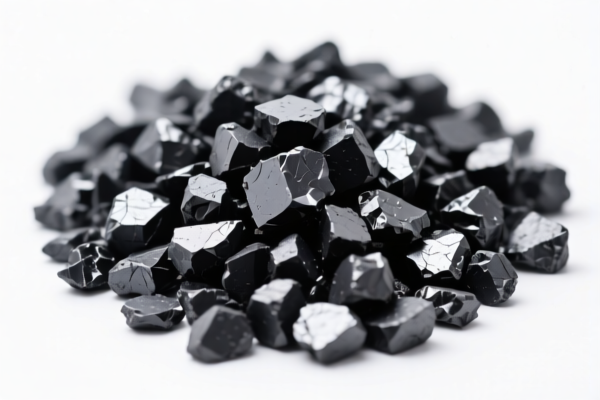
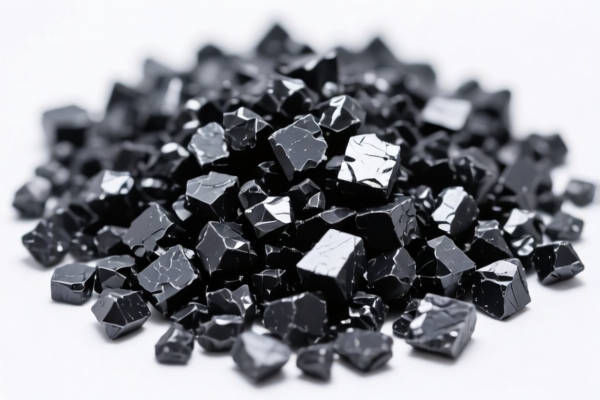
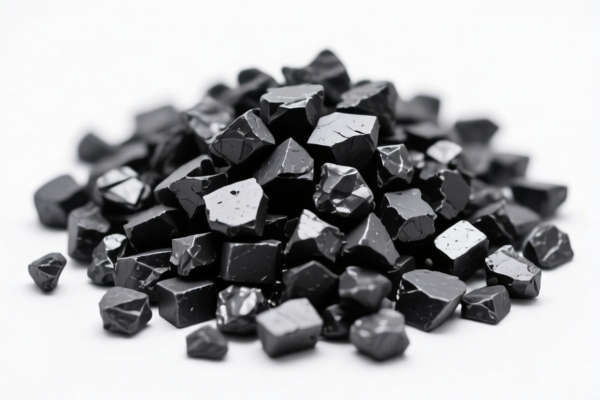
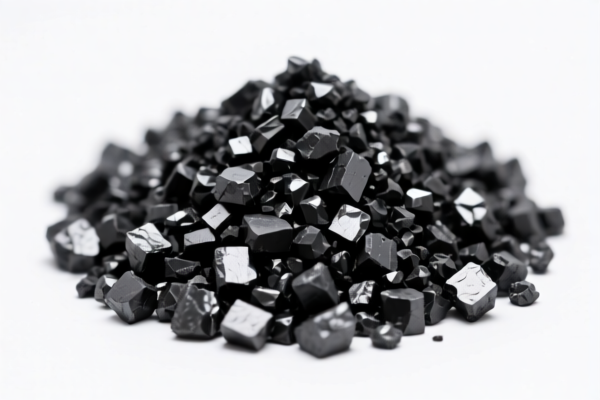
AI Analysis
🔥 Refractory Ramming Material (Magnesia) | HS Code Classification & Duty Analysis (USA/China Trade)
🌐 HS Code Reference & Customs Clearance Guide | 2026 Latest Tariff Structure | Professional Compliance Strategy
📌 I. Product Definition & Classification: What is "Refractory Ramming Material"?
Refractory Ramming Material (specifically Magnesia-based) is a specialized industrial refractory product used in high-temperature industrial furnances (such as steel ladles, electric arc furnaces, and cement rotary kilns).
It is NOT a shaped brick. It is a unshaped refractory material supplied as a dry mix (powder/granular) or sometimes pre-mixed with binders. It is installed by ramming (mechanical vibration/compaction) into the furnace lining to form a monolithic structure.
⚠️ Critical Distinction:
- Shaped Bricks → Classified under Chapter 69 (Ceramic Products).
- Unshaped Refractories (Ramming Mixes) → Typically classified under Heading 3816 (Chemical Products) OR Chapter 69 depending on exact composition and form.
- Magnesia (MgO) is the primary refractory aggregate.
- Binders/Additives may include clay, silicon carbide, or organic binders.🚨 Key Risk:
If classified under HS 3816, it is treated as a "chemical mixture" for refractory purposes.
If classified under HS 6903/6902, it is treated as "ceramic refractory."
The duty rate differs significantly (0% vs 3% base), but BOTH suffer from the same additional tariffs (25% + 10%).
📦 II. HS Code Classification Details (2026 Latest Tariff Cross-Reference)
Based on the provided data, here are the 5 matched HS Codes with detailed explanations for each match.
| HS Code | Product Description | Match Logic & Reasoning | Tax Implication |
|---|---|---|---|
| 3816.00.10.00 | Refractory preparations & products (not including refractory bricks or similar refractory blocks of ceramic materials) | ✅ High Match: "Refractory Ramming Material" is explicitly an unshaped refractory. "Dolomite ramming mix" in the reference is highly analogous. "Magnesia" is a material characteristic, not a conflict. | 35.0% |
| 3816.00.20.50 | Refractory preparations (other) | ✅ Strong Match: "Refactory" + "Ramming Material" aligns with "Refractory... similar articles." "Magnesia" indicates a non-clay material, fitting the "Other" category logic under 3816. | 38.0% |
| 6903.90.00.10 | Other articles of graphite or other carbon (refractory ceramic) | ✅ Partial/Logical Match: Classifies as a "refractory raw material." Although not explicitly "clay," the MgO-based nature is inferred as a non-siliceous fossil powder or similar ceramic raw material. Matches "Other refractory ceramic articles." | 35.0% |
| 6902.10.50.00 | Refractory bricks, blocks, tiles, & similar refractory ceramic constructions of magnesia | ✅ Material Match: "Magnesia" (MgO) content matches the material requirement. "Ramming Material" is viewed as a form of refractory ceramic construction/installation material. | 35.0% |
| 6903.90.00.50 | Other articles of graphite or other carbon (refractory ceramic) | ✅ Fallback Match: Classified as refractory raw material. MgO composition fits "non-clay" inference. Morphology (ramming material) fits the "other refractory ceramic articles" catch-all logic. | 35.0% |
🔍 Classification Conflict Alert:
- 3816 vs. 6903/6902: The US CBP often debates whether unshaped refractories are "chemical preparations" (3816) or "ceramic products" (6903/6902).
- Strategy: If the product is purely MgO + small binder, 3816 is strong. If it contains significant ceramic binders or pre-formed granules, 6903/6902 may be argued.
- Result: Both paths are heavily taxed (35-38%), so classification risk is moderate, but cost impact is high.
💰 III. 2026 Latest Tariff Rate Breakdown (USA Origin: China)
✅ Applicable Country: United States (US)
✅ Country of Origin: China (CN)
✅ Effective Date: November 10, 2025 onwards
✅ Product Type: Refractory Materials (Industrial Chemicals/Ceramics)
🎯 1. HS Code 3816.00.10.00 — Refractory Preparations (Most Likely)
| Item | Detail |
|---|---|
| Base Duty Rate | 0.0% |
| Section 301 Duty (USITC) | +25.0% (Additional Tariff on Chinese Goods) |
| IEEPA Duty (122 Clause) | +10.0% (Emergency Economic Powers Act Tariff on China) |
| Total Effective Duty Rate | 35.0% |
| Tax Calculation | CIF Value × 35% |
| De Minimis Exemption? | ❌ NO (Not eligible for $800 de minimis exemption) |
| Legal Reference Path | USITC:3816.00.10.00 → FOOTNOTE:301_3816 → IEEPA:122 |
📌 Explanation:
- 0% Base: Refractory materials are generally low-base-duty items.
- 35% Total: This is a high-cost import. The 25% Section 301 and 10% IEEPA tariffs are additive.
- Impact: For every $10,000 CIF value, you pay $3,500 in duties.
🎯 2. HS Code 3816.00.20.50 — Other Refractory Preparations
| Item | Detail |
|---|---|
| Base Duty Rate | 3.0% |
| Section 301 Duty (USITC) | +25.0% |
| IEEPA Duty (122 Clause) | +10.0% |
| Total Effective Duty Rate | 38.0% |
| Tax Calculation | CIF Value × 38% |
| De Minimis Exemption? | ❌ NO |
| Legal Reference Path | USITC:3816.00.20.50 → FOOTNOTE:301_3816 → IEEPA:122 |
📌 Note:
- This is the "worst-case" scenario for 3816.
- Only use if the product contains additives that push it out of 3816.10 (e.g., specific chemical binders classified as "other preparations").
🎯 3. HS Code 6903.90.00.10 / 6903.90.00.50 — Other Refractory Ceramic Articles
| Item | Detail |
|---|---|
| Base Duty Rate | 0.0% |
| Section 301 Duty (USITC) | +25.0% |
| IEEPA Duty (122 Clause) | +10.0% |
| Total Effective Duty Rate | 35.0% |
| Tax Calculation | CIF Value × 35% |
| De Minimis Exemption? | ❌ NO |
| Legal Reference Path | USITC:6903.90.00.10 → FOOTNOTE:301_6903 → IEEPA:122 |
📌 Explanation:
- Same effective rate as 3816.10.
- Risk: CBP may challenge the "ceramic" classification if the product is more "chemical mix" than "ceramic article."
🎯 4. HS Code 6902.10.50.00 — Magnesia Refractory Bricks/Blocks
| Item | Detail |
|---|---|
| Base Duty Rate | 0.0% |
| Section 301 Duty (USITC) | +25.0% |
| IEEPA Duty (122 Clause) | +10.0% |
| Total Effective Duty Rate | 35.0% |
| Tax Calculation | CIF Value × 35% |
| De Minimis Exemption? | ❌ NO |
| Legal Reference Path | USITC:6902.10.50.00 → FOOTNOTE:301_6902 → IEEPA:122 |
📌 Note:
- This code is typically for shaped products (bricks/blocks).
- Caution: Ramming material is unshaped. Misclassifying ramming material as bricks (6902.10) can lead to seizure or penalties if the CBP determines the product is not a "brick/block."
- Only use if the ramming material is pre-formed into large blocks/monoliths.
🛠️ IV. Customs Clearance Practical Advice (Risk Mitigation)
✅ 1. Required Documentation Checklist
| Document | Mandatory? | Notes |
|---|---|---|
| Product Specification Sheet | ✅ Yes | Must clearly state: MgO % content, binder type, particle size, and form (powder/granule vs. pre-formed). |
| Safety Data Sheet (SDS) | ✅ Yes | Required for chemical/hazardous classification. Confirm no restricted chemicals. |
| Commercial Invoice | ✅ Yes | Description must match HS Code logic. Use term "Refractory Ramming Mix" not just "Magnesia Powder." |
| Packing List | ✅ Yes | Show net/gross weight. Ensure packaging is industrial (drums/pallets). |
| Country of Origin Certificate | ✅ Yes | Required for 301/IEEPA tariffs. |
| Prior Ruling Request | ✅ Highly Recommended | Request an Advance Ruling from CBP to confirm 3816 vs. 6903 classification. |
✅ 2. Classification Strategy & Tips
🔥 Golden Rule: "Form Defines Function, Content Defines Category."
| Scenario | Recommended HS Code | Why? |
|---|---|---|
| Dry Mix (Powder/Granules) | 3816.00.10.00 |
Most accurate for "unshaped" refractory preparations. |
| Pre-mixed with Binders | 3816.00.20.50 |
If binders make it a "chemical preparation" beyond basic refractory. |
| Pre-formed Blocks/Monoliths | 6902.10.50.00 |
Only if shaped. Do not use for ramming mix. |
| High-Carbon Refractory | 6903.90.00.10 |
If carbon content is significant (>5% or as per CBP guidance). |
⚠️ Warning:
- Do NOT declare as "Magnesia Oxide" (HS 2817.00) if it is a refractory mix. This is a common error that leads to 25% penalty for misclassification.
- Do NOT split shipment into "raw material" and "binder" to avoid tariffs. CBP will aggregate if commonly sold together.
✅ 3. Special Handling for High Duties (35-38%)
| Issue | Solution |
|---|---|
| High Duty Cost | Consider Duty Drawback if products are later re-exported. |
| Supply Chain Risk | Evaluate Third-Country Assembly (e.g., mix/blend in Mexico/Vietnam) to avoid China origin. |
| Budgeting | Factor in 35-38% into landed cost. Do not ignore IEEPA 10%. |
| Compliance | Maintain technical file proving MgO content and unshaped nature. |
🌍 V. Global Market Comparison (2026)
| Country/Region | Recommended HS Code | Duty Rate | Key Certification | Notes |
|---|---|---|---|---|
| 🇺🇸 USA | 3816.00.10.00 |
35.0% | None specific | High tariffs due to 301+IEEPA. |
| 🇨🇳 China | 3816.00.10.00 |
8.0% | None | Lower base duty. No 301/IEEPA. |
| 🇪🇺 EU | 3816.00.00 |
6.5% | REACH | No anti-dumping duties on refractories. |
| 🇮🇳 India | 3816.00.00 |
7.5% | BIS | Standard ICD rate. |
| 🇲🇽 Mexico | 3816.00.00 |
5.0% | NOM | Potential USMCA benefit if non-China origin. |
📌 Conclusion:
- USA is the most expensive market due to trade wars.
- China/EU/India have significantly lower barriers.
- Mexico is a strategic alternative if you can source components from non-China origins.
📌 VI. Common Mistakes & Pitfalls (Blood Lessons)
❌ Mistake 1: Classifying as 2817.00 (Magnesia Oxide Chemical)
👉 Consequence: CBP rejects, claims it's a refractory mixture. 25% penalty + back duties.
❌ Mistake 2: Using 6902 for Ramming Mix
👉 Consequence: Misclassification. Ramming mix is unshaped. 6902 is for shaped bricks. Seizure risk.
❌ Mistake 3: Ignoring IEEPA 10%
👉 Consequence: Underpaying duties by 10%. CBP audits find this in 3 years. Back taxes + interest.
❌ Mistake 4: Splitting "Mix" and "Binder"
👉 Consequence: CBP applies "Essential Character" rule. One HS Code applies to the whole shipment.
✅ Correct Practice:
"Refractory Ramming Material, Magnesia-Based, Unshaped, for Industrial Furnace Lining, HS 3816.00.10.00"
🎯 VII. Conclusion: Professional Classification Saves Money!
🎯 Remember This Mantra:
🔹 "Unshaped = 3816, Shaped = 6902. Ramming = Unshaped. Magnesia = Content. Don't Split!"
🔹 "USA Duty = Base + 25% + 10%. Budget 35%+ for Landed Cost."
📌 Pro Tip:
If your product is 100% MgO with no binders, it might still be 3816. If it has clay/organic binders, it is still 3816.
Request a CBP Advance Ruling before first shipment to lock in 3816.00.10.00 and avoid disputes.
📣 Immediate Action:
📞 Consult a Licensed Customs Broker.
📄 Prepare Technical Data Sheet (MgO %, Particle Size, Binder %).
🚀 Secure Your Supply Chain with Accurate HS Codes!
✨ Precision in Classification, Profit in Compliance!
💼 Every Duty Dollar Counts. Don't Leave Money on the Table.
Customer Reviews
About HS Code Classification
The Harmonized System (HS) is an internationally standardized nomenclature developed by the World Customs Organization (WCO) to classify traded products. Over 200 countries use the HS system as the basis for customs tariffs, trade statistics, and import/export regulations.
Each HS code follows a hierarchical structure:
- Chapter (2 digits) — Broad category of goods (e.g., Chapter 84: Machinery and Mechanical Appliances)
- Heading (4 digits) — More specific grouping within the chapter
- Subheading (6 digits) — Internationally standardized breakdown, used by all WCO member countries
- National subdivisions (8-10 digits) — Country-specific extensions for further classification, such as US HTSUS 10-digit codes
Correct HS code classification is essential for smooth customs clearance, accurate duty payment, and compliance with trade regulations. Misclassification can lead to customs delays, overpayment of duties, or penalties.
When importing from CN to US, the applicable tariff rates may include:
- Most-Favored-Nation (MFN) rate — The standard duty rate applied to WTO members
- General rate — Applied to countries without trade agreements
- Trade remedy duties — Additional tariffs such as Section 301 (anti-dumping), Section 232 (national security), or countervailing duties
The information provided on this page is for reference purposes only. For official classification, please consult with your local customs authority or a licensed customs broker.