Reptile leather
CN → US| HS Code | Tariff Rate | Origin | Destination | Doc |
|---|---|---|---|---|
| 4302196000 | 38.5% | CN | US | Official Doc |
| 4302197500 | 36.7% | CN | US | Official Doc |
| 4106400000 | 35.0% | CN | US | Official Doc |
| 4205006000 | 39.9% | CN | US | Official Doc |
| 4205008000 | 35.0% | CN | US | Official Doc |
Product Images
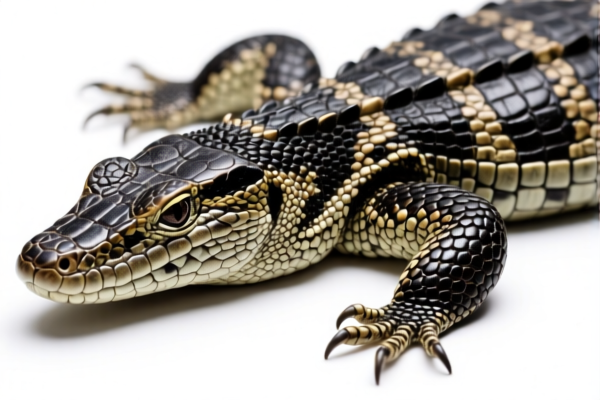
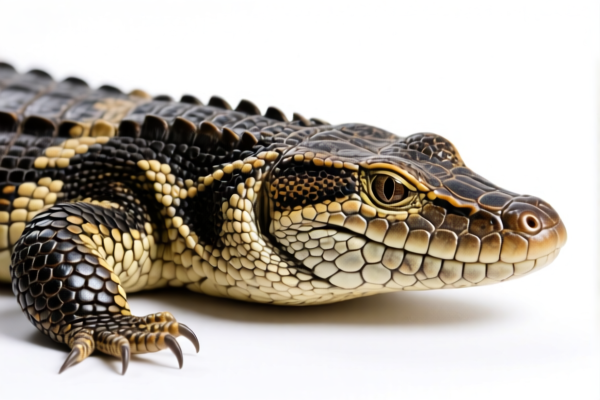
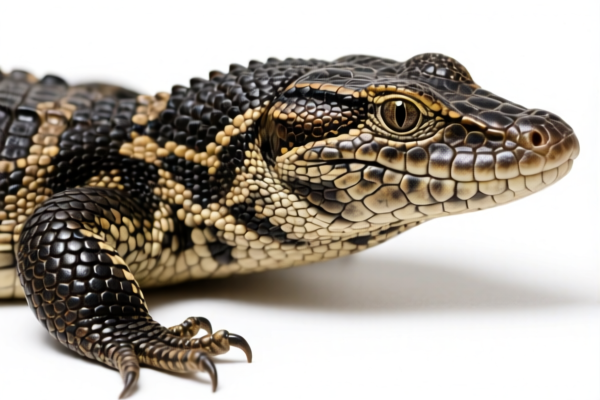

AI Analysis
🐍 Reptile Leather & Related Leather Goods – HS Code & Tariff Guide (2026 Edition)
🌐 HS Code Classification & Customs Clearance Strategy | 2026 Updated Tariff Rules | Pro-Level Compliance Insights
📌 One-Stop Reference for Importers, Exporters & Logistics Professionals
📦 1. Product Definition & Classification: What Exactly Is "Reptile Leather"?
Reptile leather refers to tanned or dressed skins of reptiles (such as snakes, lizards, crocodiles, alligators) used in luxury goods, fashion accessories, and high-end craftsmanship.
⚠️ Key Distinction: - Raw or semi-processed reptile skins (e.g., without further treatment) → classified under 4106.40.00.00 - Finished goods made from reptile leather (e.g., handbags, wallets, shoes) → classified under 4205.00.60.00 - Dyed or undyed whole furskins (non-reptile) → classified under 4302.19.60.00 / 4302.19.75.00
✅ Important Note:
- Reptile leather ≠ general animal leather → must be specifically declared as such. - No “leather-like” or “synthetic” labels allowed — must reflect actual material composition.
📊 2. HS Code Breakdown (2026 Tariff Authority Table)
| HS Code | Product Description | Applicable Use Case | Tax Status |
|---|---|---|---|
4205.00.60.00 |
Other articles of leather or composition leather: Other: Other: Of reptile leather | Handbags, wallets, belts, briefcases, travel cases made from reptile skin | 🟡 High Tariff |
4205.00.80.00 |
Other articles of leather or composition leather: Other: Other: Other | Non-reptile leather goods (e.g., cowhide, sheepskin), including non-leather composition items | 🟡 High Tariff |
4302.19.60.00 |
Tanned or dressed furskins (including heads, tails, paws): Whole skins, not assembled, not dyed | Undyed whole reptile or non-reptile furskins (e.g., alligator skins, fox pelts) | 🟢 0% Tariff |
4302.19.75.00 |
Tanned or dressed furskins: Whole skins, not assembled, dyed | Dyed whole reptile or non-reptile furskins | 🟢 0% Tariff |
4106.40.00.00 |
Tanned or crust skins of other animals, without wool/hair: Of reptiles | Raw reptile skins (e.g., snake, crocodile skins) before full finishing | 🟡 High Tariff |
🔍 Critical Insight: - Reptile leather products (like bags or accessories) are not classified under general "leather goods" — they require specific subheading due to end-use and material sensitivity. - Raw reptile skins are treated differently from finished goods — different HS codes, different tariffs.
💰 3. 2026 Tariff Rate Analysis (With Full Tax Breakdown)
✅ Applicable Country: United States (US)
✅ Origin: China (CN)
✅ Effective Date: November 10, 2025 (including subsequent imports)
🎯 1. 4205.00.60.00 — Articles of Reptile Leather (Finished Goods)
| Item | Detail |
|---|---|
| Base Duty Rate | 4.9% (ad valorem) |
| Additional Tariff (USITC Section 301) | +25.0% |
| Total Effective Duty | 29.9% |
| Tax Calculation | CIF Value × 29.9% |
| De Minimis Threshold | ❌ Not applicable (denied under U.S. law) |
| Legal Basis Path | USITC:4205.00.60.00 → FOOTNOTE:9903.88.01 → 301 Tariff List |
📌 Explanation: - This code applies to any finished item made from reptile leather, regardless of brand or design. - The 25% additional tariff comes from Section 301 of the U.S. Trade Act — targeting Chinese-origin goods deemed to involve unfair trade practices. - No exemption for “small shipments” or “gifts” — even a $50 wallet is subject to full 29.9%.
🎯 2. 4205.00.80.00 — Other Articles of Leather (Non-Reptile or Composition Leather)
| Item | Detail |
|---|---|
| Base Duty Rate | 0.0% |
| Additional Tariff (USITC Section 301) | +25.0% |
| Total Effective Duty | 25.0% |
| Tax Calculation | CIF Value × 25.0% |
| De Minimis Threshold | ❌ Not applicable |
| Legal Basis Path | USITC:4205.00.80.00 → FOOTNOTE:9903.88.01 → 301 Tariff List |
📌 Important Note: - Applies to non-reptile leather goods (e.g., cowhide bags, synthetic leather items). - Even if not made from reptile, if imported from China, it still triggers the 25% Section 301 tariff. - No difference in treatment between reptile and non-reptile leather — both face 25%+ if from China.
🎯 3. 4302.19.60.00 — Whole Reptile Furskins (Not Dyed)
| Item | Detail |
|---|---|
| Base Duty Rate | 0.0% |
| Additional Tariff | 0.0% |
| Total Effective Duty | 0.0% |
| Tax Calculation | CIF Value × 0.0% |
| De Minimis Threshold | ✅ Applicable (up to $800 per shipment) |
| Legal Basis Path | USITC:4302.19.60.00 → FOOTNOTE:9903.88.01 → No 301 Tariff |
📌 Why Zero Duty? - This code covers raw, unprocessed, whole reptile skins (e.g., alligator or python skins) not dyed. - These are not considered finished goods, so not subject to Section 301. - Can be shipped under de minimis — ideal for small batches, samples, or prototypes.
🎯 4. 4302.19.75.00 — Dyed Whole Reptile Furskins
| Item | Detail |
|---|---|
| Base Duty Rate | 0.0% |
| Additional Tariff | 0.0% |
| Total Effective Duty | 0.0% |
| Tax Calculation | CIF Value × 0.0% |
| De Minimis Threshold | ✅ Applicable |
| Legal Basis Path | USITC:4302.19.75.00 → FOOTNOTE:9903.88.01 → No 301 Tariff |
📌 Key Point: - Even dyed reptile furskins are exempt from 301 tariffs if not assembled or finished. - Only raw skins qualify — once cut, stitched, or assembled, they fall into 4205.00.60.00 or 4205.00.80.00.
🎯 5. 4106.40.00.00 — Tanned Crust Skins of Reptiles (Raw Material)
| Item | Detail |
|---|---|
| Base Duty Rate | 0.0% |
| Additional Tariff (USITC Section 301) | +25.0% |
| Total Effective Duty | 25.0% |
| Tax Calculation | CIF Value × 25.0% |
| De Minimis Threshold | ❌ Not applicable |
| Legal Basis Path | USITC:4106.40.00.00 → FOOTNOTE:9903.88.01 → 301 Tariff List |
📌 Critical Insight: - This code applies to raw reptile skins after tanning but before finishing. - Even though not yet a product, it is still subject to 25% Section 301 tariff due to Chinese origin. - No de minimis relief — must pay full 25%.
🛠️ 4. Customs Clearance Best Practices (Pro Tips)
✅ 1. Required Documentation (Must-Have Checklist)
| Document | Required? | Why It Matters |
|---|---|---|
| ✅ Commercial Invoice | ✔️ | Must clearly state: "Reptile Leather Wallet – Made from Snake Skin" |
| ✅ Packing List | ✔️ | Show total weight, number of units, and material type |
| ✅ Bill of Lading / Air Waybill | ✔️ | Proves shipment origin and route |
| ✅ Product Photos (High-Res) | ✔️ | Show material texture, stitching, branding |
| ✅ Material Certificate / Test Report | ✔️ | Prove reptile origin (e.g., CITES compliance) |
| ✅ CITES Permit (if applicable) | ✔️ | Required for endangered species (e.g., crocodile, python) |
| ✅ Certificate of Origin (CO) | ✔️ | Critical for tariff eligibility |
✅ 2.申报技巧 (Smart Filing Strategies)
🔥 "Raw vs. Finished, Dyed vs. Not Dyed — Know the Line!"
| Scenario | Correct HS Code | Risk of Error |
|---|---|---|
| Raw snake skin (undyed) | 4106.40.00.00 |
❌ High — if misclassified as finished, 29.9% instead of 25% |
| Finished wallet from reptile skin | 4205.00.60.00 |
❌ High — if misclassified as "other leather", 25% instead of 29.9% |
| Dyed alligator skin (whole) | 4302.19.75.00 |
✅ Safe — 0% duty |
| Non-reptile leather bag (China origin) | 4205.00.80.00 |
❌ High — 25% tariff even if not reptile |
| Sample of reptile skin (under $800) | 4302.19.60.00 |
✅ Safe — de minimis applies |
✅ 3. Special Cases & Risk Mitigation
| Situation | Recommended Action |
|---|---|
| Importing reptile skins from Vietnam or Thailand | ✅ Apply for 301 Tariff Exemption — may qualify for 0% duty |
| Using CITES-certified reptile skin | ✅ Submit CITES permit — avoids seizure |
| Shipping small samples (under $800) | ✅ Use 4302.19.60.00 or 4302.19.75.00 — de minimis applies |
| Custom-made leather goods with reptile trim | ❌ Do NOT split into "leather + reptile" — whole item must be classified under 4205.00.60.00 |
| Reptile leather in bulk for manufacturing | ✅ Use 4106.40.00.00 — but pay 25% unless origin is non-China |
🌍 5. Global Market Comparison (2026)
| Country | Recommended HS Code | Duty Rate | Certification Required | Notes |
|---|---|---|---|---|
| 🇺🇸 USA | 4205.00.60.00 |
29.9% | CITES, FCC (if electronic) | High risk — 25% Section 301 |
| 🇨🇳 China | 4205.00.60.00 |
13% (VAT + 13% import duty) | CCC, RoHS | No 301 tariff |
| 🇪🇺 EU | 4205.00.60.00 |
0% (if CE) | CE, REACH | No additional tariffs |
| 🇦🇺 Australia | 4205.00.60.00 |
5% | RCM | No 301-like tariffs |
| 🇯🇵 Japan | 4205.00.60.00 |
0% | PSE | No extra duties |
📌 Insight:
- The U.S. is the only market with high Section 301 tariffs on reptile leather goods. - China, EU, Australia, Japan offer much lower or zero tariffs — ideal for re-export or regional hubs.
🚨 6. Common Mistakes & Legal Risks (Avoid These!)
❌ Mistake 1: Misclassifying reptile leather wallet as "other leather" → 4205.00.80.00
👉 Result: Pay 25% instead of 29.9% → Underpayment → Penalties + Interest
❌ Mistake 2: Shipping raw reptile skin as "finished product"
👉 Result: Overcharged 29.9% instead of 25% → Wasted cost
❌ Mistake 3: Not declaring CITES for endangered species
👉 Result: Seizure, fines up to $50,000, criminal charges
❌ Mistake 4: Using "leather-like" or "synthetic" in description
👉 Result: Misrepresentation → Customs audit, refund denial
✅ Correct Declaration Example:
“Reptile Leather Wallet, Made from Snake Skin (Python), Handcrafted, Not Dyed, CITES Permitted, Model XYZ”
🎯 7. Final Verdict: Strategic Advice for 2026
🔹 If you're importing from China:
- Expect 25–29.9% tariffs on all reptile leather goods — no escape.
- Consider shifting origin to Vietnam, Thailand, or Mexico to avoid Section 301.🔹 If you're exporting raw skins:
- Use4302.19.60.00or4302.19.75.00— 0% duty, de minimis applies.🔹 Always verify CITES compliance — no exceptions.
🔹 Get a pre-ruling (Advance Ruling) from U.S. CBP — protects against future audits.
📌 Summary: The 3 Golden Rules of Reptile Leather Trade
- ✅ Raw skin ≠ finished product → different HS codes, different taxes.
- ✅ China origin = 25%+ tariffs → even for non-reptile goods.
- ✅ CITES is mandatory → no exceptions for endangered species.
📣 Take Action Now:
📞 Contact a licensed customs broker + provide product photos + material proof
🚀 Apply for HS Code pre-ruling before shipment
🌐 Consider non-China manufacturing hubs to reduce risk
✨ Pro Tip:
If your reptile leather goods are made in Vietnam, Mexico, or Malaysia, you may qualify for Section 301 exclusion — 0% duty on
4205.00.60.00and4106.40.00.00.
💼 Your success starts with precise classification.
📦 One wrong HS code = thousands in extra tax.
🔐 Stay compliant. Stay profitable. Stay ahead.
🎯 Professional Customs, Precision Tariffs, Global Success.
🚀 Let’s get your reptile leather goods across borders — smoothly, legally, and profitably!
Customer Reviews
About HS Code Classification
The Harmonized System (HS) is an internationally standardized nomenclature developed by the World Customs Organization (WCO) to classify traded products. Over 200 countries use the HS system as the basis for customs tariffs, trade statistics, and import/export regulations.
Each HS code follows a hierarchical structure:
- Chapter (2 digits) — Broad category of goods (e.g., Chapter 84: Machinery and Mechanical Appliances)
- Heading (4 digits) — More specific grouping within the chapter
- Subheading (6 digits) — Internationally standardized breakdown, used by all WCO member countries
- National subdivisions (8-10 digits) — Country-specific extensions for further classification, such as US HTSUS 10-digit codes
Correct HS code classification is essential for smooth customs clearance, accurate duty payment, and compliance with trade regulations. Misclassification can lead to customs delays, overpayment of duties, or penalties.
When importing from CN to US, the applicable tariff rates may include:
- Most-Favored-Nation (MFN) rate — The standard duty rate applied to WTO members
- General rate — Applied to countries without trade agreements
- Trade remedy duties — Additional tariffs such as Section 301 (anti-dumping), Section 232 (national security), or countervailing duties
The information provided on this page is for reference purposes only. For official classification, please consult with your local customs authority or a licensed customs broker.