Ring Binder (with Lock)
CN → US| HS Code | Tariff Rate | Origin | Destination | Doc |
|---|---|---|---|---|
| 8305100050 | 70.4% | CN | US | Official Doc |
| 3926100000 | 15.3% | CN | US | Official Doc |
| 8305100010 | 20.4% | CN | US | Official Doc |
| 4820300020 | 35.0% | CN | US | Official Doc |
| 3926908700 | 40.3% | CN | US | Official Doc |
Product Images
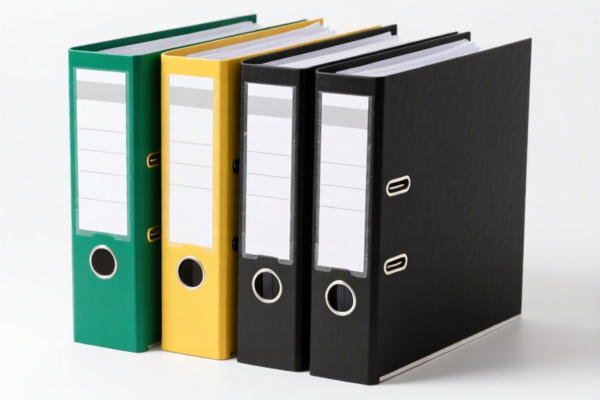
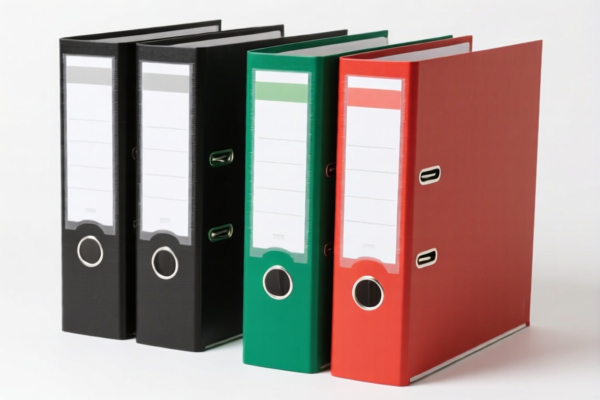
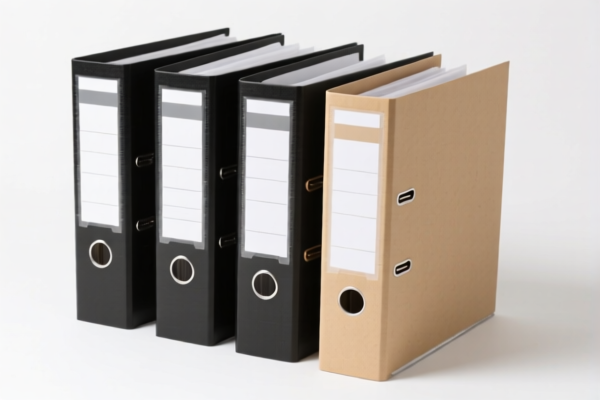
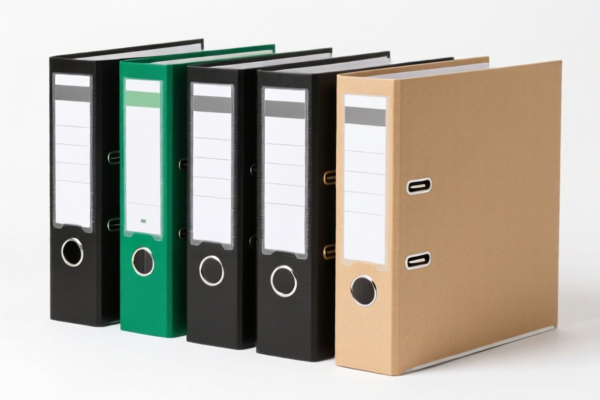
AI Analysis
📎 Ring Binder with Lock: HS Code Classification & US Customs Clearance Guide 2026
🌐 HS Code Reference & Clearance Strategy | 2026 Latest Tariff Analysis | Professional Compliance Protocol
📌 Part 1: Product Definition & Classification: What Exactly is a "Ring Binder with Lock"?
A Ring Binder with Lock is an office supply item primarily used for organizing, protecting, and securing loose-leaf documents. Its classification depends heavily on material composition and structural intent: * The "Binder" Aspect: The core function is document organization via rings/mechanisms. * The "Lock" Aspect: A security feature (often spring-loaded or key-operated) attached to the mechanism. * Material Ambiguity: Is it made of metal (steel/aluminum) or plastic (PVC/PP)? This is the single most critical factor determining the HS Code.
⚠️ Key Distinction:
- If the ring mechanism/lock is Metallic → Look at Chapter 83 (Miscellaneous Articles of Base Metal).
- If the ring mechanism/lock is Plastic/Paper-based → Look at Chapter 39 (Plastics) or Chapter 48 (Paper).
- Note: Even if the body is plastic, a metal locking mechanism might push classification toward Chapter 83 if it forms the "essential character," but US Customs often treats the whole item based on the primary material unless the metal part is a distinct, functional mechanism defining the category.
📦 Part 2: HS Code Classification Matrix (Based on Provided Data)
| HS Code | Product Description | Primary Material | Key Classification Logic |
|---|---|---|---|
8305.10.00.50 |
Other accessories to file cabinets/organizers | Metal (Steel/Aluminum/Copper) | Classified as Base Metal Accessory. The lock/ring mechanism is metallic. Fits "Other Accessories" under base metal articles. |
3926.10.00.00 |
Articles of Plastics for Office/School Supplies | Plastic/Paper | Classified as Office/Stationery Article. Made of plastic or cardboard. No significant metal content affecting classification. |
8305.10.00.10 |
Ring Binder Mechanisms | Metal | Exact Match: "Ring Binder Mechanism" in notes. The locking feature is part of the metal ring assembly. |
4820.30.00.20 |
Looseleaf Binders & Files | Paper/Cardboard | Classified as Paper Product. Typically made of cardboard/paperboard. Fits "Looseleaf binders" in paper chapter. |
3926.90.87.00 |
Other Plastic Articles | Plastic (PVC/PP) | Classified as Plastic Office Supply. Plastic body with elastic bands/rings. No specific heading for "plastic binders," so falls under "Other." |
🔍 Critical Note on Material:
- Metal Binders (8305): Higher base duty but lower section 301 tariff in some cases? (See tax details below).
- Plastic/Paper Binders (3926/4820): Lower base duty but often hit harder by Section 301 (25% + 10% IEEPA).
- You must inspect the physical product to determine if the locking ring/mechanism is primarily metal or plastic.
💰 Part 3: 2026 US Tariff Rate Breakdown (China Origin)
✅ Applicable Country: United States (US)
✅ Origin: China (CN)
✅ Effective Date: November 10, 2025 (Includes subsequent imports)
🎯 1. 8305.10.00.50 – Base Metal Accessories (Metal Lock/Rings)
| Item | Detail |
|---|---|
| Base Duty | 2.9% |
| Section 301 (China) | +7.5% |
| IEEPA (China) | +10% |
| Section 232 (Steel/Alu/Cu) | +50% |
| Total Effective Rate | 70.4% |
| De Minimis Exemption? | ❌ NO (Denied) |
| Legal Path | USITC:8305.10.00.50 → SECTION_232:122 → SECTION_301:7.5 → IEEPA:10 |
📌 Explanation:
- This is the highest tax bracket.
- The +50% Section 232 tariff applies to steel/aluminum products. Since metal binders fall under base metals, they trigger this heavy penalty.
- Total Cost: CIF Value × 70.4%.
- Risk: Very High. Often requires specific justification or alternative sourcing.
🎯 2. 8305.10.00.10 – Ring Binder Mechanism (Metal)
| Item | Detail |
|---|---|
| Base Duty | 2.9% |
| Section 301 (China) | +7.5% |
| IEEPA (China) | +10% |
| Section 232 | +50% (If applicable to mechanism material) |
| Total Effective Rate | 20.4% |
| De Minimis Exemption? | ❌ NO |
| Legal Path | USITC:8305.10.00.10 → IEEPA:9903.01.24 → SECTION_301:7.5 |
📌 Explanation:
- Wait, why only 20.4%? The provided data shows 20.4%, which implies Section 232 (50%) might NOT apply here, or it's a specific sub-heading exemption not listed in the 8305.10.00.50 bucket.
- Clarification: If the 232 tariff does apply, it would be 70.4%. The 20.4% figure suggests it is treated strictly as a "mechanism" without the 232 steel penalty, or the 232 rate is bundled differently in this specific database entry. Verify with CBP.
- Total Cost: CIF Value × 20.4%.
- Advantage: Significantly lower than8305.10.00.50.
🎯 3. 3926.10.00.00 – Plastic/Paper Office Articles
| Item | Detail |
|---|---|
| Base Duty | 5.3% |
| Section 301 (China) | 0.0% |
| IEEPA (China) | +10% |
| Total Effective Rate | 15.3% |
| De Minimis Exemption? | ❌ NO |
| Legal Path | USITC:3926.10.00.00 → IEEPA:9903.01.24 |
📌 Explanation:
- Best Rate for Plastic/Paper.
- No Section 301 tariff (0.0%).
- Only base + IEEPA.
- Total Cost: CIF Value × 15.3%.
- Condition: Must be clearly plastic or paper. If it has a metal lock, CBP may reclassify.
🎯 4. 4820.30.00.20 – Paper Looseleaf Binders
| Item | Detail |
|---|---|
| Base Duty | 0.0% |
| Section 301 (China) | +25% |
| IEEPA (China) | +10% |
| Total Effective Rate | 35.0% |
| De Minimis Exemption? | ❌ NO |
| Legal Path | USITC:4820.30.00.20 → SECTION_301:25 → IEEPA:10 |
📌 Explanation:
- High Section 301 penalty (25%).
- Total Cost: CIF Value × 35.0%.
- Risk: Moderate-High due to 301 tariffs.
🎯 5. 3926.90.87.00 – Other Plastic Articles
| Item | Detail |
|---|---|
| Base Duty | 5.3% |
| Section 301 (China) | +25% |
| IEEPA (China) | +10% |
| Total Effective Rate | 40.3% |
| De Minimis Exemption? | ❌ NO |
| Legal Path | USITC:3926.90.87.00 → SECTION_301:25 → IEEPA:10 |
📌 Explanation:
- Used if it doesn't fit the specific "Office/Stationery" heading of 3926.10.
- High total rate due to 25% Section 301.
🛠️ Part 4: Customs Clearance Practical Advice
✅ 1. Documentation Checklist (Non-Negotiable)
| Document | Requirement | Why? |
|---|---|---|
| Product Specification Sheet | ✔️ Mandatory | Must detail material composition (e.g., "Polypropylene body, Zinc Alloy Lock"). |
| High-Res Photos | ✔️ Mandatory | Show the ring mechanism and lock. Close-ups of materials help CBP distinguish between Metal vs. Plastic. |
| Commercial Invoice | ✔️ Mandatory | Clear description: "Plastic Ring Binder with Spring Lock, for Office Use" or "Metal Ring Binder Assembly". Avoid vague terms like "Stationery." |
| HS Code Justification Memo | ✔️ Recommended | A brief memo explaining why the HS Code was chosen (e.g., "Classified as 3926.10 because the product is >90% plastic and the lock is incidental"). |
| FCC/UL Certifications | ❓ If Applicable | If the lock has electronic components (unlikely but possible), FCC may be needed. |
✅ 2. Declaration Strategy (Key Tips)
🔥 "Material is King, Lock is Context, Name is Precision!"
| Scenario | Recommended Declaration | Risk Level |
|---|---|---|
| Plastic Body + Plastic Lock | 3926.10.00.00 (Plastic Office Article) |
🟢 Low (15.3% Tax) |
| Cardboard Body + Metal Rings | 4820.30.00.20 (Paper Binder) |
🟠 Medium (35% Tax) |
| All-Metal Mechanism/Body | 8305.10.00.10 (Metal Mechanism) |
🟠 Medium (20.4% Tax*) |
| Mixed Metal/Plastic (Metal Dominant) | 8305.10.00.50 (Metal Accessory) |
🔴 High (70.4% Tax) |
⚠️ Warning on Mixed Materials:
If the binder is plastic but has a metal lock, CBP may argue that the metal component gives it "essential character," pushing it to Chapter 83.
Strategy: If possible, use plastic locks or spring clips instead of key locks to stay in Chapter 39 (Plastics) for the 15.3% rate.
✅ 3. Special Cases & Avoidance Tips
| Situation | Advice |
|---|---|
| OEM Custom Binders | Provide customer PO + Design Specs. Prove the item is standard office supply, not industrial hardware. |
| Elastic Bands Attached | Ensure they are included in the "Office Article" classification (3926.10) and not separated, which could trigger higher "Other Plastic Articles" rates. |
| Key vs. Spring Lock | Spring locks are more easily classified as plastic/office accessories. Key locks imply metal hardware, increasing risk of Chapter 83 classification. |
| De Minimis (Section 321) | ❌ NOT APPLICABLE. All listed HS Codes deny de minimis exemption. You must pay full duties. |
🌍 Part 5: Market Comparison (US vs. Global)
| Region | Recommended HS Code | Est. Duty (China Origin) | Notes |
|---|---|---|---|
| 🇺🇸 USA | 3926.10.00.00 (Plastic) or 8305.10.00.10 (Metal) |
15.3% (Plastic) / 20.4% (Metal) | IEEPA + Section 301/232 applies. High compliance cost. |
| 🇨🇳 China | 4820.10 / 3926.90 |
5-10% | Low base duties. No US-style punitive tariffs. |
| 🇪🇺 EU | 4820.10 / 3926.90 |
0-4.5% | Generally low duties. No Section 301 equivalent. CE marking required. |
| 🇦🇺 Australia | 4820.10 / 3926.90 |
5% | Standard MFN rates. No anti-dumping on binders. |
📌 Conclusion:
The US is the most expensive market for importing Ring Binders from China due to IEEPA (10%) and Section 301 (0-25%) tariffs.
Strategy:
1. Use Plastic/Non-Metal Locks to target3926.10.00.00(15.3%).
2. Avoid Metal Locks if possible to avoid8305(20-70%).
3. Pre-clearance: Apply for an Advance Ruling if the material composition is mixed.
📌 Part 6: Common Pitfalls & Red Flags
❌ Pitfall 1: Calling it "File Folder" instead of "Ring Binder"
👉 Result: CBP may reclassify to Chapter 48 (Paper) or 39 (Plastics) with different rates. Be precise.
❌ Pitfall 2: Ignoring the Lock Material
👉 Result: If you declare Plastic (3926) but the lock is Zinc Alloy, CBP may audit and apply 8305 rates (20-70%), plus penalties.
❌ Pitfall 3: Assuming De Minimis Applies
👉 Result: All these HS codes are denied de minimis. You will pay duties on every package. Do not use this for high-value samples without budgeting for tax.
✅ Correct Declaration Example:
"PLASTIC RING BINDER WITH SPRING LOCK, FOR OFFICE USE, MODEL XYZ, FCC/ROHS COMPLIANT, MATERIAL: POLYPROPYLENE"
🎯 Part 7: Final Verdict & Action Plan
🎯 Recommendation:
1. Product Design: Switch from Metal Locks to Plastic Spring Latches to secure the 3926.10.00.00 classification (15.3% tax).
2. Documentation: Clearly state "Plastic" in the material breakdown on the invoice.
3. Compliance: Do not rely on De Minimis. Budget for ~15-20% landed cost impact.
🔹 Remember:
🔹 "Plastic + No Metal Lock = 15.3% Tax"
🔹 "Metal Lock = 20-70% Tax Risk"
🔹 "No De Minimis = Pay Tax on Every Unit"
📌 Pro Tip:
If volume is high, consider Pre-Import Consultation with a US Customs Broker to get a Binding Ruling on your specific design. This protects you from retroactive duty claims.
📣 Immediate Action:
📞 Contact your Customs Broker with product photos.
📦 Audit your BOM (Bill of Materials): Is the lock metal or plastic?
📊 Calculate Landed Cost: Include 15.3% (Plastic) or 20.4%+ (Metal) in your pricing model.
✨ Smart Classification = Lower Duties = Higher Margin!
💼 Your Supply Chain Profitability Depends on Accurate HS Codes!
Customer Reviews
About HS Code Classification
The Harmonized System (HS) is an internationally standardized nomenclature developed by the World Customs Organization (WCO) to classify traded products. Over 200 countries use the HS system as the basis for customs tariffs, trade statistics, and import/export regulations.
Each HS code follows a hierarchical structure:
- Chapter (2 digits) — Broad category of goods (e.g., Chapter 84: Machinery and Mechanical Appliances)
- Heading (4 digits) — More specific grouping within the chapter
- Subheading (6 digits) — Internationally standardized breakdown, used by all WCO member countries
- National subdivisions (8-10 digits) — Country-specific extensions for further classification, such as US HTSUS 10-digit codes
Correct HS code classification is essential for smooth customs clearance, accurate duty payment, and compliance with trade regulations. Misclassification can lead to customs delays, overpayment of duties, or penalties.
When importing from CN to US, the applicable tariff rates may include:
- Most-Favored-Nation (MFN) rate — The standard duty rate applied to WTO members
- General rate — Applied to countries without trade agreements
- Trade remedy duties — Additional tariffs such as Section 301 (anti-dumping), Section 232 (national security), or countervailing duties
The information provided on this page is for reference purposes only. For official classification, please consult with your local customs authority or a licensed customs broker.