Rubber Cushion Tires (Low Noise)
CN → US| HS Code | Tariff Rate | Origin | Destination | Doc |
|---|---|---|---|---|
| 8714100020 | 17.5% | CN | US | Official Doc |
| 8714921000 | 0.0% | CN | US | Official Doc |
| 4012909000 | 37.7% | CN | US | Official Doc |
| 4012901000 | 35.0% | CN | US | Official Doc |
| 8708990300 | 35.0% | CN | US | Official Doc |
Product Images
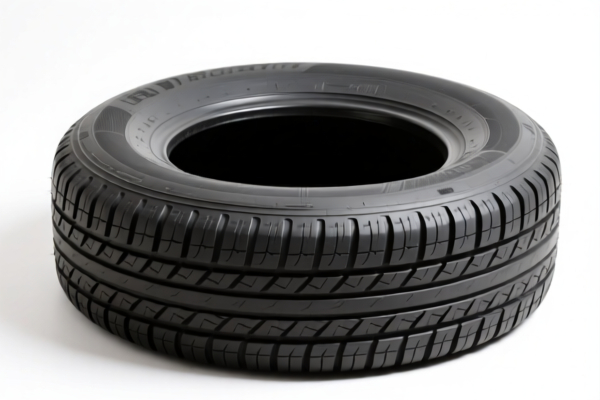
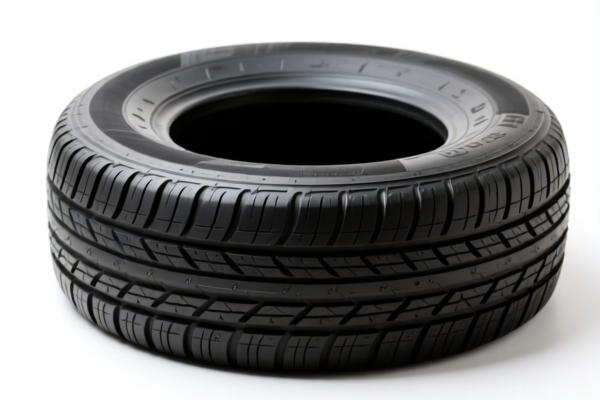
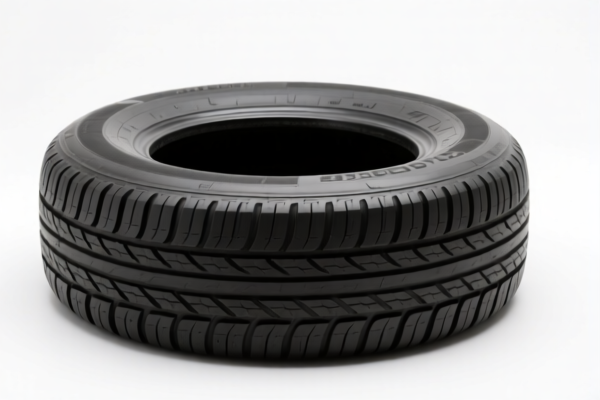
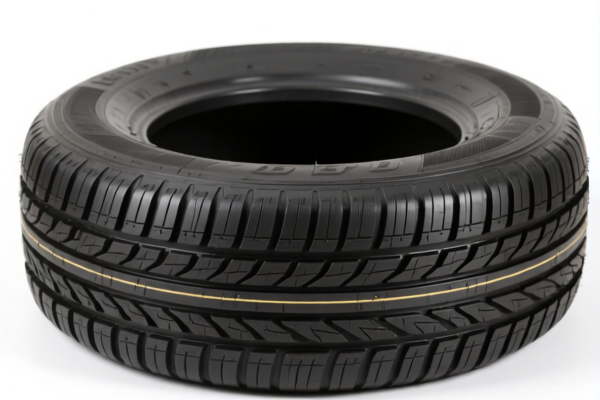
AI Analysis
🛞 Rubber Cushion Tires (Low Noise)
🌐 HS Code Reference & Customs Clearance Guide | 2026 Latest Tariff Analysis | Professional Strategy for High-Load Applications
📌 I. Product Definition & Classification: Are You Importing Wheels or Tires?
Rubber Cushion Tires (specifically Low Noise variants) are solid or semi-solid tires designed primarily for forklifts, pallet jacks, and industrial logistics vehicles. Their key characteristics are: 1. Material: Rubber (Solid/Elastomeric). 2. Function: Shock absorption, load bearing, and noise reduction in industrial environments. 3. Form: Non-pneumatic (Solid/Pneumatic-free) "Cushion" type.
In international trade, the critical distinction is whether they are classified as Parts of Vehicles (Chapter 87) or Rubber Articles (Chapter 40). This choice drastically impacts the tariff burden.
⚠️ Key Distinction Point:
- If classified under 8714 (Parts of Vehicles): Treated as "Rims/Wheels" components. Logic: They are essential rotating parts of the vehicle chassis.
- If classified under 4012 (Rubber Products): Treated as "Solid/Rubber Tires". Logic: They are made of rubber and function as shock-absorbing cushion tires.
- Note: Some interpretations may link them to 8708 (Other Parts/Accessories) if deemed "Shock Absorbing" components, though this is less common for tires themselves.
📦 II. HS Code Classification Details (2026 Latest Authority Comparison)
Based on the provided data, here are the potential HS Codes and their matching logic:
| HS Code | Product Description | Matching Logic & Summary | Applicability |
|---|---|---|---|
| 8714.10.00.20 | Rims and Wheel Parts | Match Basis: Product form is a tire (component of wheel/rims), material is rubber (common attribute), usage is high-load buffering. Consistent with the classification logic of wheel/rims in HS code. | ⭐ High Probability if viewed as a wheel assembly/component. |
| 8714.92.10.00 | Parts of Motor Vehicles | Match Basis: 'Rubber' matches material commonality for rims/tires; 'Tires' falls under vehicle axle/rim attachments. No material conflict. | Possible, but often tires are separated into Ch 40 unless part of a specific wheel unit. |
| 4012.90.90.00 | Other Used/Reconditioned Tires | Match Basis: Material is Rubber (Rubber), form fits "Cushion Tires", falls under 'Rubber solid or cushion tires'. | Specific: Usually for used/reconditioned, but the summary notes it fits "Rubber solid/cushion tires". |
| 4012.90.10.00 | Solid Rubber Tires | Match Success: Product material (Rubber) and form (Cushion Tires) fully match the classification explanation for "Rubber solid or cushion tires". | ⭐ Very High Probability for new, solid cushion tires. |
| 8708.99.03.00 | Other Parts and Accessories | Match Success: 'Rubber' matches "containing rubber"; 'Shock Absorbing' matches "shock absorbing". Although it's a tire, as a vehicle accessory, its shock-absorbing function aligns with shock absorber category logic. | Alternative View: Focuses on the function (shock absorption) rather than the form (tread). |
🔍 Critical Reminder:
- Chapter 40 (4012.90.10.00) is the most direct fit for "Rubber Cushion Tires" as they are defined by their rubber composition and solid/cushion nature.
- Chapter 87 (8714.10.00.20) may apply if customs authorities view them strictly as "Wheel Components" rather than standalone rubber products, especially if they are mounted on rims.
- Do not confuse with pneumatic tires (Ch 40.11) or used tires (Ch 40.12.90.90).
💰 III. 2026 Latest Tariff Rate Details (Including Surcharges & Policy Add-ons)
✅ Applicable Country: United States (US)
✅ Origin: China (CN) (Assumed based on "122 Clause" and typical trade context in data)
✅ Effective Time: 2025/2026 Period
🎯 1. 8714.10.00.20 —— Rims and Wheel Parts (High-Load Buffering)
| Item | Content |
|---|---|
| Base Tariff | 0.0% (ad valorem) |
| USITC Surcharge | +7.5% (Specific to this subheading per data) |
| Section 122 Tariff | +10% (China-specific add-on) |
| Total Rate | 17.5% |
| Tax Calculation | CIF Value × 17.5% |
| De Minimis Exemption | ❌ Not Eligible (Assumed for commercial shipments) |
| Legal Basis Path | Base: 0% → Surcharge: 7.5% → 122 Clause: 10% |
📌 Explanation:
- This is the lowest tariff option among the valid classifications.
- The "7.5%" surcharge is specific to this wheel part classification.
- Strategy: If your tires are sold as part of a wheel assembly or clearly defined as "wheel components" rather than standalone "rubber articles," this code offers significant savings.
🎯 2. 8714.92.10.00 —— Other Parts of Motor Vehicles (Rubber/Tire Context)
| Item | Content |
|---|---|
| Base Tariff | 5.0% |
| USITC Surcharge | +25.0% (Standard Section 301 rate) |
| Section 122 Tariff | +10% (China-specific add-on) |
| Total Rate | 5% + 35% = 40% (Note: Data says "5% +35.0%", implying 5 base + 25 surcharge + 10 122 = 40% total, or potentially 5+35=40. Data format suggests 5 base + 35 total surcharges) |
| Tax Calculation | CIF Value × 40% |
| De Minimis Exemption | ❌ Not Eligible |
| Legal Basis Path | Base: 5% → Surcharge: 25% → 122 Clause: 10% |
📌 Note:
- Higher than8714.10.00.20due to the higher base tariff (5%) and standard 301 surcharges.
- Risk: Misclassification risk if deemed a "tire" rather than a general vehicle part.
🎯 3. 4012.90.90.00 —— Other Rubber Tires (Used/Reconditioned or General)
| Item | Content |
|---|---|
| Base Tariff | 2.7% |
| USITC Surcharge | +25.0% (Standard Section 301 rate) |
| Section 122 Tariff | +10% (China-specific add-on) |
| Total Rate | 37.7% |
| Tax Calculation | CIF Value × 37.7% |
| De Minimis Exemption | ❌ Not Eligible |
| Legal Basis Path | Base: 2.7% → Surcharge: 25% → 122 Clause: 10% |
📌 Note:
- This code is often reserved for used or reconditioned tires. If your product is new, this classification might be challenged by customs unless it fits a specific "other" category for new cushion tires.
- High total tariff burden.
🎯 4. 4012.90.10.00 —— Solid Rubber Tires (Perfect Match)
| Item | Content |
|---|---|
| Base Tariff | 0.0% |
| USITC Surcharge | +25.0% (Standard Section 301 rate) |
| Section 122 Tariff | +10% (China-specific add-on) |
| Total Rate | 35.0% |
| Tax Calculation | CIF Value × 35.0% |
| De Minimis Exemption | ❌ Not Eligible |
| Legal Basis Path | Base: 0% → Surcharge: 25% → 122 Clause: 10% |
📌 Explanation:
- Best Fit for "Rubber Cushion Tires" in terms of material and form description.
- "Match Success" indicates this is the most technically accurate description for "Rubber" + "Cushion Tires".
- Total 35% is moderate compared to other vehicle parts but higher than the wheel component classification (8714.10.00.20).
🎯 5. 8708.99.03.00 —— Other Parts and Accessories (Shock Absorbing)
| Item | Content |
|---|---|
| Base Tariff | 0.0% |
| USITC Surcharge | +25.0% (Standard Section 301 rate) |
| Section 122 Tariff | +10% (China-specific add-on) |
| Total Rate | 35.0% |
| Tax Calculation | CIF Value × 35.0% |
| De Minimis Exemption | ❌ Not Eligible |
| Legal Basis Path | Base: 0% → Surcharge: 25% → 122 Clause: 10% |
📌 Explanation:
- Relies on the functional argument ("Shock Absorbing") rather than the material/form.
- Same total rate as4012.90.10.00, but classification logic is more subjective and risky if customs focuses on "tire" definition.
🛠️ IV. Customs Clearance Practical Advice (Battle-Tested Pitfall Avoidance)
✅ 1. Preparation Checklist (Non-negotiable)
| Document | Required | Explanation |
|---|---|---|
| ✅ Product Specification Sheet | ✔️ | Must specify: Material (Rubber), Type (Solid/Cushion), Load Capacity, Noise Level (Low Noise), Application (Forklift/Industrial). |
| ✅ Photos (Clear & Labeled) | ✔️ | Show tread pattern, sidewall markings, and any "Non-Pneumatic" or "Solid" labels. |
| ✅ Commercial Invoice | ✔️ | Describe as "Rubber Cushion Tires for Industrial Vehicles" or "Wheel Components for Forklifts". Avoid vague terms like "Parts". |
| ✅ Country of Origin Certificate | ✔️ | Required for 122 Clause assessment. |
| ✅ Technical Diagram | ✔️ | Helpful to prove if it is a standalone tire or part of a wheel assembly. |
✅ 2. Declaration Strategy (Key Mnemonics)
🔥 "Form Determines Chapter, Function May Shift Tariff!"
| Scenario | Recommended HS Code | Risk Level | Total Rate |
|---|---|---|---|
| Standalone Rubber Tire (Most Common) | 4012.90.10.00 |
🟢 Low (Accurate) | 35.0% |
| Wheel Assembly Component (Mounted/Part of Wheel) | 8714.10.00.20 |
🟡 Medium (Needs justification) | 17.5% 💰 CHEAPEST |
| General Vehicle Part (No specific tire logic) | 8714.92.10.00 |
🔴 High (Misclassification Risk) | 40.0% |
| Shock Absorbing Accessory (Unconventional) | 8708.99.03.00 |
🔴 High (Functional Argument Risk) | 35.0% |
📌 Strategic Advice:
- If your tires are sold without rims as replacement tires,4012.90.10.00is the safest and most standard classification.
- If they are sold as part of a wheel unit or clearly marketed as "Wheel Components" to emphasize their structural role, you might argue for8714.10.00.20to save 17.5% in duties. However, this requires strong documentation proving they are integral wheel parts.
- Avoid8714.92.10.00and8708.99.03.00unless you have a specific legal precedent, as they offer no cost advantage over4012.90.10.00and carry higher classification risk.
✅ 3. Special Cases & Handling
| Case | Handling Suggestion |
|---|---|
| OEM Custom Tires | Provide OEM contracts and design specs. Clearly state "Solid Rubber Cushion Tire for [Vehicle Model]". |
| "Low Noise" Feature | Highlight this in specs, but it does not change HS code. It may justify higher quality claims but not tariff reductions. |
| Used vs. New | If Used, 4012.90.90.00 may apply, but rates are higher (37.7%). Ensure goods are declared as New if applicable. |
| Misdeclaration Risk | Do not declare as "Tires for Cars" (Ch 40.11). Industrial cushion tires are distinct. |
🌍 V. Global Market Comparison (2026 Outlook)
| Country/Region | Recommended HS Code | Tariff (China Origin) | Certification | Notes |
|---|---|---|---|---|
| 🇺🇸 USA | 4012.90.10.00 or 8714.10.00.20 |
35% or 17.5% | None specific, but FDA/OSHA may apply for workplace safety | 122 Clause adds 10%. Section 301 adds 25%. |
| 🇨🇳 China | 4011.92 or 4012.90 |
~5-10% | CCC (if for vehicles) | Lower tariffs, no surcharges. |
| 🇪🇺 EU | 4012.10 or 4012.90 |
0% (Most) | CE, REACH | No US-style surcharges. |
| 🇦🇺 Australia | 4012.90 |
5% | ADR/Work Health & Safety | Standard MFN rates. |
📌 Conclusion:
- USA is the only major market with significant surcharges (122 + 301).
- Choice of HS Code between 35% and 17.5% is a 17.5% tariff differential on the CIF value.
- Justification is key: To achieve the lower 17.5% rate (8714.10.00.20), you must prove the item is a "Wheel Part" and not just a "Rubber Article".
📌 VI. Common Errors & Pitfall Guide (Blood Lessons)
❌ Error 1: Declaring as "Car Tires" (4011)
👉 Consequence: Misclassification. Industrial cushion tires are solid/non-pneumatic. Car tires are pneumatic. High fine risk.
❌ Error 2: Declaring as "General Rubber Parts" without specifying "Cushion Tire"
👉 Consequence: Customs may classify under the highest duty "Other Rubber Articles" or demand reclassification.
❌ Error 3: Ignoring the 122 Clause
👉 Consequence: Even with 0% base tariff, the 10% add-on applies. Budget accordingly.
❌ Error 4: Confusing "Cushion Tire" with "Shock Absorber" (8708)
👉 Consequence: While functionally similar, HS rules prioritize form/material. 4012 is preferred for tires. Using 8708 may trigger audits.
✅ Correct Practice:
"Solid Rubber Cushion Tire, Low Noise, For Forklifts, Model XYZ, New, China Origin"
🎯 VII. Conclusion: Professional Declaration, Cost Optimization!
🎯 Key Takeaway:
🔹 "Solid Rubber = 4012.90.10.00 (35%)"
🔹 "Wheel Component = 8714.10.00.20 (17.5%)"
🔹 "Choose wisely based on packaging and description!"
📌 Pro Tip:
If you are importing large volumes, consider structuring the product as a wheel assembly (if technically feasible) or providing detailed documentation that emphasizes the wheel component aspect to leverage the 17.5% rate. Otherwise, stick to the standard 35% for 4012.90.10.00 to ensure smooth, risk-free clearance.
📣 Immediate Action:
📞 Consult your customs broker with product photos and spec sheets.
📝 Request an Advance Ruling if the classification between4012and8714is critical to your profit margin.
🚀 Optimize your HS Code, Secure your Margin, Clear Customs with Confidence!
✨ Precision in Classification, Profit in Clearance!
💼 Every Percent Matters in International Trade!
Customer Reviews
About HS Code Classification
The Harmonized System (HS) is an internationally standardized nomenclature developed by the World Customs Organization (WCO) to classify traded products. Over 200 countries use the HS system as the basis for customs tariffs, trade statistics, and import/export regulations.
Each HS code follows a hierarchical structure:
- Chapter (2 digits) — Broad category of goods (e.g., Chapter 84: Machinery and Mechanical Appliances)
- Heading (4 digits) — More specific grouping within the chapter
- Subheading (6 digits) — Internationally standardized breakdown, used by all WCO member countries
- National subdivisions (8-10 digits) — Country-specific extensions for further classification, such as US HTSUS 10-digit codes
Correct HS code classification is essential for smooth customs clearance, accurate duty payment, and compliance with trade regulations. Misclassification can lead to customs delays, overpayment of duties, or penalties.
When importing from CN to US, the applicable tariff rates may include:
- Most-Favored-Nation (MFN) rate — The standard duty rate applied to WTO members
- General rate — Applied to countries without trade agreements
- Trade remedy duties — Additional tariffs such as Section 301 (anti-dumping), Section 232 (national security), or countervailing duties
The information provided on this page is for reference purposes only. For official classification, please consult with your local customs authority or a licensed customs broker.