Rubber Gloves (Fingerless)
CN → US| HS Code | Tariff Rate | Origin | Destination | Doc |
|---|---|---|---|---|
| 4006905000 | 37.7% | CN | US | Official Doc |
| 4015195100 | 49.0% | CN | US | Official Doc |
| 4015191150 | 38.0% | CN | US | Official Doc |
| 6116106500 | 24.5% | CN | US | Official Doc |
| 6116105530 | 30.7% | CN | US | Official Doc |
| 6216001300 | 22.5% | CN | US | Official Doc |
Product Images
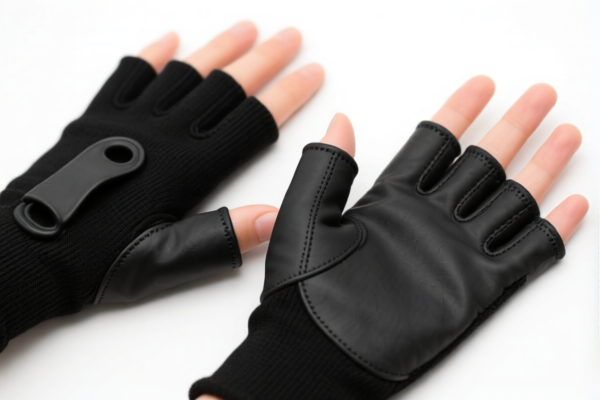
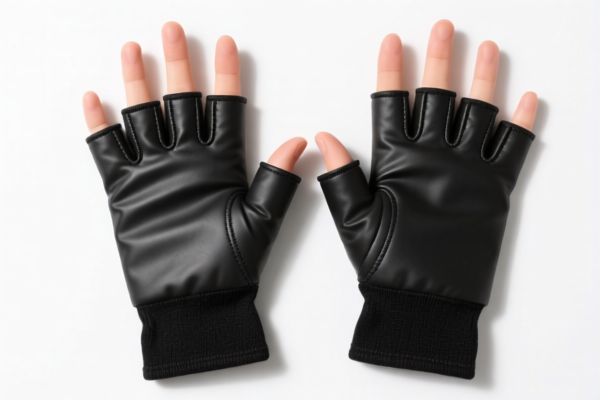
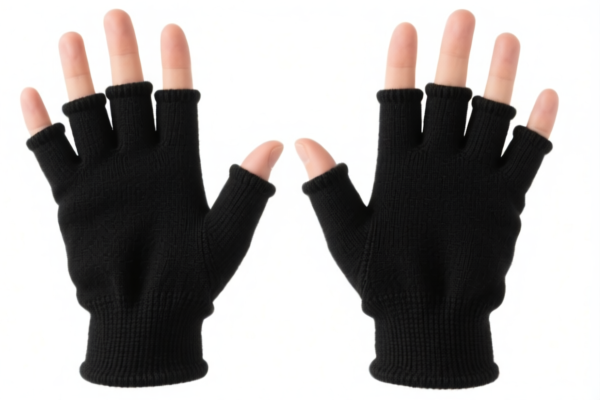
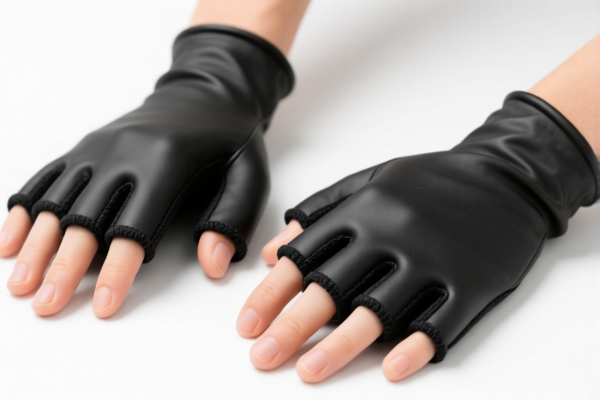
AI Analysis
🧤 Rubber Gloves (Fingerless) | The Ultimate Guide to HS Code Classification & US Customs Clearance
🌐 HS Code Reference & Clearance Strategy | 2026 Latest Tariff Analysis | Professional Compliance Guide 📌 I. Product Definition & Classification: What Exactly Are "Rubber Fingerless Gloves"?
Fingerless gloves are a unique category of hand protection, commonly used for grip, dexterity, and light-duty protection in industrial, medical, and household contexts. In international trade, the classification depends strictly on material composition, manufacturing process (knitted vs. molded), and whether it is disposable.
Two Main Categories: 1. Textile Base + Rubber Impregnation (6116/6216): Knitted or crocheted gloves dipped or coated with rubber. These are flexible, breathable, and often used for light industrial work. 2. Solid Rubber/Sulfurized Rubber (4006/4015): Solid rubber products, molded or vulcanized. These are durable, chemical-resistant, and often used for cleaning or heavy-duty tasks.
⚠️ Critical Distinction: - If the glove is knitted/crocheted fabric with rubber coating/impregnation → Look at Chapter 61 or 62. - If the glove is solid vulcanized rubber or sulfurized rubber without a textile base → Look at Chapter 40. - "Fingerless" does not exempt you from specific rules. It changes the shape but not the fundamental material classification.
📦 II. HS Code Classification Details (2026 Latest Tariff Data)
Based on the provided data, here are the 6 possible HS Codes for Rubber Fingerless Gloves, categorized by material and construction:
| HS Code | Product Description (Summary) | Material/State | Manufacturing Process |
|---|---|---|---|
4006.90.50.00 |
Rubber-coated fingerless cleaning gloves | Rubber-based | Coated molded rubber |
4015.19.51.00 |
Rubber-impregnated fingerless gloves | Sulfurized Rubber | Impregnated/Immersion |
4015.19.11.50 |
Sulfurized rubber fingerless gloves | Sulfurized Rubber | Non-disposable, non-sewn |
6116.10.65.00 |
Rubber-impregnated fingerless gloves (Knitted) | Knitted Fabric + Rubber | Knitted/Crocheted base |
6116.10.55.30 |
Fingerless sewn gloves with rubber impregnation | Knitted/Crocheted | Sewn, impregnated |
6216.00.13.00 |
Fingerless gloves with >50% Rubber by Weight | Textile Base + Rubber | Sewn, rubber-weighted |
🔍 Key Takeaway: - Chapter 40 (4006/4015): For gloves that are primarily solid rubber or sulfurized rubber. These are often heavier and more durable. - Chapter 61/62 (6116/6216): For gloves that are primarily textile (knitted/crocheted/sewn) but coated or impregnated with rubber. These are lighter and more flexible.
💰 III. 2026 US Customs Duty Rate Breakdown (Including Surcharges)
✅ Applicable Country: United States (US)
✅ Origin: China (CN)
✅ Effective Date: Rates include Section 301, Section 122, and Base Tariffs.
🎯 1. 4006.90.50.00 – Rubber-Coated Fingerless Cleaning Gloves
| Item | Details |
|---|---|
| Base Tariff | 2.7% |
| Section 301 Tariff | 25.0% |
| Section 122 Tariff | 10.0% |
| Total Effective Tax Rate | 37.7% |
| Calculation | CIF Value × 37.7% |
| De Minimis Exemption | ❌ Not Eligible (Section 301 and 122 usually override de minimis for CN origin) |
| Legal Basis | 301:4006.90.50.00 → 122:4006.90.50.00 |
📌 Explanation:
- This code applies to molded rubber cleaning gloves that are coated.
- The 37.7% rate is high due to the叠加 (stacking) of base, 301, and 122 tariffs.
🎯 2. 4015.19.51.00 – Rubber-Impregnated Fingerless Gloves (Sulfurized)
| Item | Details |
|---|---|
| Base Tariff | 14.0% |
| Section 301 Tariff | 25.0% |
| Section 122 Tariff | 10.0% |
| Total Effective Tax Rate | 49.0% |
| Calculation | CIF Value × 49.0% |
| De Minimis Exemption | ❌ Not Eligible |
| Legal Basis | 301:4015.19.51.00 → 122:4015.19.51.00 |
📌 Warning:
- This is one of the highest tariff rates in the list.
- Applies to gloves made of sulfurized rubber that are impregnated.
- Ensure your product is not misclassified here if it could fit a Chapter 61 code.
🎯 3. 4015.19.11.50 – Sulfurized Rubber Fingerless Gloves (Non-Disposable)
| Item | Details |
|---|---|
| Base Tariff | 3.0% |
| Section 301 Tariff | 25.0% |
| Section 122 Tariff | 10.0% |
| Total Effective Tax Rate | 38.0% |
| Calculation | CIF Value × 38.0% |
| De Minimis Exemption | ❌ Not Eligible |
| Legal Basis | 301:4015.19.11.50 → 122:4015.19.11.50 |
📌 Note:
- Similar to4015.19.51.00but with a lower base tariff (3.0% vs 14.0%).
- Still subject to 38% total.
- Applies to non-disposable, non-sewn sulfurized rubber gloves.
🎯 4. 6116.10.65.00 – Rubber-Impregnated Fingerless Gloves (Knitted)
| Item | Details |
|---|---|
| Base Tariff | 7.0% |
| Section 301 Tariff | 7.5% |
| Section 122 Tariff | 10.0% |
| Total Effective Tax Rate | 24.5% |
| Calculation | CIF Value × 24.5% |
| De Minimis Exemption | ❌ Not Eligible (Section 301 applies) |
| Legal Basis | 301:6116.10.65.00 → 122:6116.10.65.00 |
📌 Opportunity:
- This is a significantly lower rate (24.5%) compared to Chapter 40.
- Applies to knitted/crocheted gloves that are rubber-impregnated.
- Action Item: If your gloves are knitted fabric dipped in rubber, aim for this code if possible.
🎯 5. 6116.10.55.30 – Fingerless Sewn Gloves with Rubber Impregnation
| Item | Details |
|---|---|
| Base Tariff | 13.2% |
| Section 301 Tariff | 7.5% |
| Section 122 Tariff | 10.0% |
| Total Effective Tax Rate | 30.7% |
| Calculation | CIF Value × 30.7% |
| De Minimis Exemption | ❌ Not Eligible |
| Legal Basis | 301:6116.10.55.30 → 122:6116.10.55.30 |
📌 Note:
- Applies to sewn gloves (not knitted in one piece) with rubber impregnation.
- Moderate tariff rate (30.7%).
🎯 6. 6216.00.13.00 – Fingerless Gloves with >50% Rubber by Weight
| Item | Details |
|---|---|
| Base Tariff | 12.5% |
| Section 301 Tariff | 0.0% |
| Section 122 Tariff | 10.0% |
| Total Effective Tax Rate | 22.5% |
| Calculation | CIF Value × 22.5% |
| De Minimis Exemption | ❌ Not Eligible (Section 122 applies) |
| Legal Basis | 122:6216.00.13.00 |
🚀 Best Rate!
- 22.5% is the lowest total tax rate in the list.
- Key Condition: The product must be a sewn glove where rubber accounts for >50% of the weight.
- Advantage: No Section 301 tariff (0%), only base + 122.
- Strategy: If your fingerless gloves are heavy rubber-coated textiles and you can prove >50% rubber weight, this is the most cost-effective code.
🛠️ IV. Customs Clearance Practical Advice (Avoid Pitfalls)
✅ 1. Documentation Checklist (Mandatory)
| Document | Required | Purpose |
|---|---|---|
| Product Spec Sheet | ✔️ | Details material composition (e.g., "60% rubber, 40% cotton knitted"). |
| Weight Breakdown | ✔️ | Critical for 6216.00.13.00. Must prove rubber >50% by weight. |
| Material Test Report | ✔️ | Third-party lab report confirming "Sulfurized Rubber" vs. "Knitted Fabric + Coating". |
| Product Photos | ✔️ | Clear images showing fingerless design, texture, and any seams. |
| Commercial Invoice | ✔️ | Must specify "Rubber Fingerless Gloves" and HS Code. |
| Packing List | ✔️ | Net weight/Gross weight to support weight-based classification. |
| Origin Certificate | ✔️ | If applicable, to claim any potential exemptions (though rare for CN origin). |
✅ 2. Classification Strategy (How to Choose)
| Scenario | Recommended HS Code | Why? |
|---|---|---|
| Knitted Fabric + Rubber Dip | 6116.10.65.00 |
Lower tax (24.5%) if not >50% rubber weight. |
| Heavy Rubber Coating, >50% Weight | 6216.00.13.00 |
Best Rate (22.5%), no Section 301. |
| Solid Molded Rubber (Cleaning) | 4006.90.50.00 |
Standard for molded rubber cleaning gloves (37.7%). |
| Sulfurized Rubber, Non-Sewn | 4015.19.11.50 |
For industrial heavy-duty rubber gloves (38.0%). |
| Sewn Textile + Rubber | 6116.10.55.30 |
If not knitted in one piece (30.7%). |
🔥 "Weight is King for Chapter 62!"
If you can structure your product to have >50% rubber weight, use6216.00.13.00to save 2.0%–15.2% in taxes compared to other codes.
✅ 3. Common Mistakes & How to Avoid Them
❌ Mistake 1: Misclassifying solid rubber gloves as knitted gloves.
👉 Risk: If CBP inspects and finds no textile base, you’ll be reclassified to Chapter 40, facing back taxes + penalties.
✅ Fix: Provide material composition reports.
❌ Mistake 2: Ignoring the "Section 122" tariff.
👉 Risk: Assuming only Section 301 applies. Section 122 (10%) is often overlooked.
✅ Fix: Always calculate Base + 301 + 122.
❌ Mistake 3: Claiming >50% rubber weight without proof.
👉 Risk: CBP may reject 6216.00.13.00 and revert to a higher tariff code.
✅ Fix: Include lab test results or manufacturing specs showing weight distribution.
🌍 V. Global Market Comparison (2026)
| Region | Recommended HS Code | Estimated Total Tax (China Origin) | Notes |
|---|---|---|---|
| 🇺🇸 USA | 6216.00.13.00 |
22.5% | Lowest US rate. Use if >50% rubber weight. |
| 🇺🇸 USA | 4015.19.51.00 |
49.0% | Highest US rate. Avoid if possible. |
| 🇪🇺 EU | Various | ~5-12% | No Section 301/122. Much lower taxes. |
| 🇨🇳 China | Various | ~5-14% | Domestic import taxes are lower. |
📌 Insight:
The US market is the most expensive for rubber gloves from China due to Section 301 + Section 122.
Chapter 61/62 codes generally have lower Section 301 rates (7.5%) than Chapter 40 codes (25%).
Strategy: If your product allows, classify under Chapter 62 with >50% rubber weight for the best US duty rate.
📌 VI. Final Recommendations for Importers
- Optimize Product Design: If possible, engineer your fingerless gloves to have >50% rubber by weight. This opens the door to
6216.00.13.00(22.5% tax). - Verify Material: Ensure your supplier provides clear material composition and manufacturing process details. Is it knitted? Sewn? Molded? Sulfurized?
- Pre-Ruling: Consider filing an Advance Ruling (CBP Form 5538) with CBP to confirm the HS Code before shipment. This reduces audit risk.
- Documentation: Keep test reports and weight breakdowns ready. CBP frequently audits rubber/textile blends.
- Avoid Chapter 40 if Possible: Unless the gloves are solid molded rubber (like heavy-duty cleaning gloves), Chapter 40 codes have higher Section 301 tariffs (25%).
🎯 Conclusion: Smart Classification Saves Money!
🎯 Remember:
🔹 "Chapter 62, >50% Rubber, 22.5% Tax – The Golden Ticket!"
🔹 "Chapter 40, Solid Rubber, 38-49% Tax – Costly!"
🔹 "Chapter 61, Knitted, 24.5-30.7% Tax – The Middle Ground."
📌 Pro Tip:
If you are importing from Vietnam, Thailand, or Malaysia, you may avoid Section 301 tariffs entirely. Consider supply chain diversification if US duties are too high.
✨ Professional Clearance Starts with Accurate Classification!
💼 Every percentage point saved is pure profit!
📣 Immediate Action:
📞 Consult a licensed customs broker.
📄 Submit product specs for HS Code confirmation.
🚀 Clear your goods smoothly, minimize taxes, and maximize margins!
Customer Reviews
About HS Code Classification
The Harmonized System (HS) is an internationally standardized nomenclature developed by the World Customs Organization (WCO) to classify traded products. Over 200 countries use the HS system as the basis for customs tariffs, trade statistics, and import/export regulations.
Each HS code follows a hierarchical structure:
- Chapter (2 digits) — Broad category of goods (e.g., Chapter 84: Machinery and Mechanical Appliances)
- Heading (4 digits) — More specific grouping within the chapter
- Subheading (6 digits) — Internationally standardized breakdown, used by all WCO member countries
- National subdivisions (8-10 digits) — Country-specific extensions for further classification, such as US HTSUS 10-digit codes
Correct HS code classification is essential for smooth customs clearance, accurate duty payment, and compliance with trade regulations. Misclassification can lead to customs delays, overpayment of duties, or penalties.
When importing from CN to US, the applicable tariff rates may include:
- Most-Favored-Nation (MFN) rate — The standard duty rate applied to WTO members
- General rate — Applied to countries without trade agreements
- Trade remedy duties — Additional tariffs such as Section 301 (anti-dumping), Section 232 (national security), or countervailing duties
The information provided on this page is for reference purposes only. For official classification, please consult with your local customs authority or a licensed customs broker.