Rubber Waterstop Strip
CN → US| HS Code | Tariff Rate | Origin | Destination | Doc |
|---|---|---|---|---|
| 3926904510 | 38.5% | CN | US | Official Doc |
| 4008111000 | 35.0% | CN | US | Official Doc |
| 4008210000 | 35.0% | CN | US | Official Doc |
Product Images
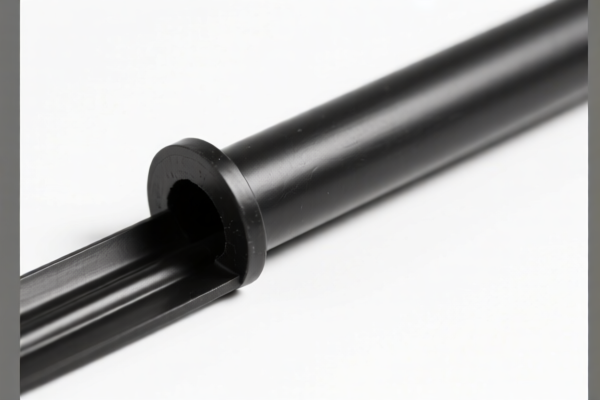
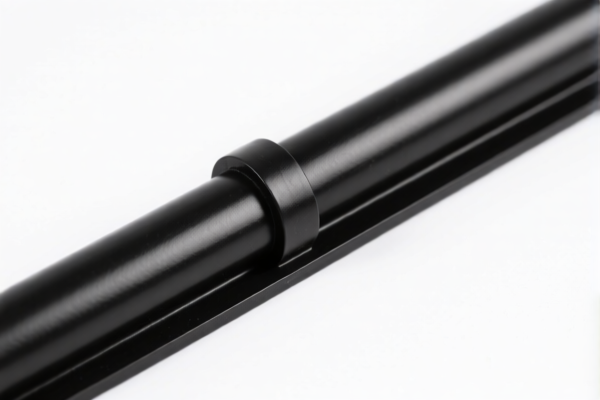
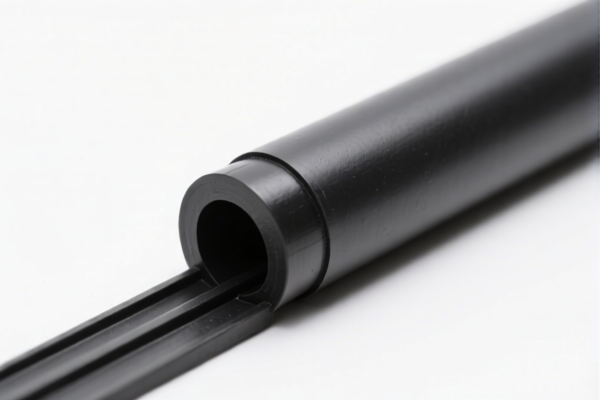
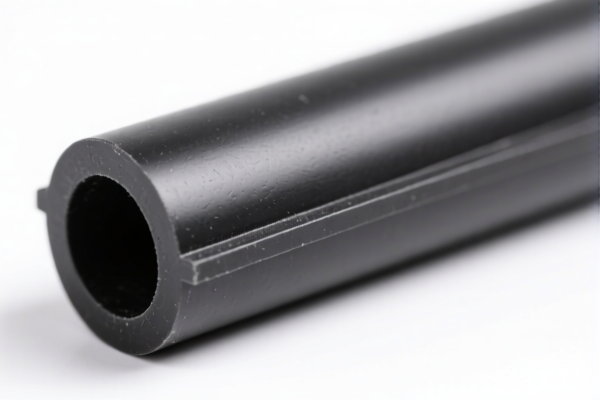
AI Analysis
🏗️ Rubber Waterstop Strip (Sealing Bands for Construction)
🌐 HS Code Reference & Customs Clearance Guide | 2026 Latest Tariff Analysis | Professional-Level Clearance Strategy
📌 I. Product Definition & Classification: Do You Really Understand "Rubber Waterstop Strips"?
A Rubber Waterstop Strip is a critical sealing component used in construction joints (concrete-to-concrete, concrete-to-metal, etc.) to prevent water penetration. In international trade, its classification hinges on material composition and physical form.
The item is broadly categorized into two main paths: 1. Natural Rubber Products: If made from natural rubber, it falls under Chapter 40. The key distinction is whether it is "foam" or "solid." 2. Plastics/Other Materials: If the material is ambiguous or synthetic, it might fall under Chapter 39 (Plastics) or general plastic articles.
⚠️ Key Classification Point:
- If it is solid, non-foam rubber (standard waterstops) →归类 to Chapter 40.
- If it is foam rubber → Likely falls under 4008.39 (not in provided data, but important context).
- If material is synthetic/rubber-like plastic → Might fall under Chapter 39 (Plastics).
📦 II. HS Code Classification Details (Based on Provided Data)
| HS Code | Product Description | Application Scenario | Material/Form Analysis |
|---|---|---|---|
4008.11.10.00 |
Plates, sheets, and strips, of rubber other than foam rubber; of natural rubber | Standard solid rubber waterstops for construction joints | ✅ Natural Rubber, Solid Strip (Summary: "Strip" form matches. "Rubber" keyword maps to "Natural Rubber") |
4008.21.00.00 |
Plates, sheets, and strips, of rubber other than foam rubber; of synthetic rubber | Synthetic rubber waterstops or ambiguous rubber types | ✅ Synthetic/General Rubber, Solid Strip (Summary: "Rubber" and "Strip" match. Assumed non-foam due to lack of "foam" indication) |
3926.90.45.10 |
Other articles of plastics and articles of other materials of heading 3901 to 3914 | Misclassification risk: Rubber-like plastic seals | ⚠️ Plastic/Synthetic Alternative (Summary: Inferred as rubber-compatible plastic. Fits sealing function but material conflict possible) |
🔍 Important Note:
-4008.11.10.00is the most precise code if the product is solid natural rubber.
-4008.21.00.00is the safe fallback for solid synthetic rubber or unspecified rubber strips.
-3926.90.45.10is a higher-tax risk code, likely applied if customs deems the material as "plastic-like" or if documentation lacks clear rubber proof.
💰 III. 2026 Latest Tariff Rate Breakdown (Including Surcharge & Policy Surcharges)
✅ Applicable Country: United States (US)
✅ Origin: China (CN)
✅ Effective Date: November 10, 2025 (and subsequent imports)
🎯 1. 4008.11.10.00 – Natural Rubber Strips (Solid)
| Item | Content |
|---|---|
| Base Duty | 0% (ad valorem) |
| Section 301 Duty (USITC) | +25% (Added tariff on Chinese rubber products) |
| 122-Clause Duty (IEEPA) | +10% (Specific surcharge on Chinese rubber/articles) |
| Total Duty Rate | 35.0% |
| Tax Calculation | CIF Value × 35% |
| De Minimis Exemption | ❌ Not Eligible (Section 321 shipments excluded) |
| Legal Basis Path | USITC:4008.11.10.00 → 301:Footnote → 122:IEEPA Clause |
📌 Explanation:
- Base 0%: Rubber products often have low base MFN rates.
- +25% Section 301: Standard tariff for many Chinese goods, including rubber.
- +10% 122-Clause: Specific additional duty applied to rubber products from China under recent trade measures.
- Total 35%: A significant cost factor. Must be budgeted in CIF pricing.
🎯 2. 4008.21.00.00 – Synthetic Rubber Strips (Solid)
| Item | Content |
|---|---|
| Base Duty | 0% (ad valorem) |
| Section 301 Duty (USITC) | +25% (Added tariff on Chinese rubber products) |
| 122-Clause Duty (IEEPA) | +10% (Specific surcharge on Chinese rubber/articles) |
| Total Duty Rate | 35.0% |
| Tax Calculation | CIF Value × 35% |
| De Minimis Exemption | ❌ Not Eligible |
| Legal Basis Path | USITC:4008.21.00.00 → 301:Footnote → 122:IEEPA Clause |
📌 Note:
- Tax rate is identical to natural rubber strips.
- The key is proving the product is solid (non-foam) rubber. If it's foam, the code changes (and tax may differ).
- No material conflict detected in summary.
🎯 3. 3926.90.45.10 – Other Plastic Articles (Misclassified)
| Item | Content |
|---|---|
| Base Duty | 3.5% (ad valorem) |
| Section 301 Duty (USITC) | +25% (Added tariff on Chinese plastic products) |
| 122-Clause Duty (IEEPA) | +10% (Specific surcharge) |
| Total Duty Rate | 38.5% |
| Tax Calculation | CIF Value × 38.5% |
| De Minimis Exemption | ❌ Not Eligible |
| Legal Basis Path | USITC:3926.90.45.10 → 301:Footnote → 122:IEEPA Clause |
📌 Warning:
- This code results in a 3.5% higher total duty than the correct rubber classification.
- The summary notes "inferred material as rubber," suggesting this is a less accurate classification that may arise from ambiguous documentation.
- Avoid this code if the product is genuinely rubber to save costs and reduce audit risk.
🛠️ IV. Customs Clearance Practical Advice (Battle-Tested Pitfall Guide)
✅ 1. Required Documentation Checklist
| Document | Mandatory? | Explanation |
|---|---|---|
| ✅ Product Specification Sheet | ✔️ | Must state Material: "100% Natural Rubber" or "Synthetic Rubber (SBR/EPDM)". Form: "Solid Strip (Non-Foam)". Function: "Waterproofing Seal for Concrete Joints". |
| ✅ Material Test Report | ✔️ | Certificate of Analysis (CoA) proving rubber content. Critical to avoid reclassification to Chapter 39 (Plastics). |
| ✅ Product Photos | ✔️ | Clear images showing the cross-section (solid, not foam) and any branding/model numbers. |
| ✅ Commercial Invoice | ✔️ | Description: "Rubber Waterstop Strip, Solid, for Construction". Avoid vague terms like "Sealing Band". |
| ✅ Packing List | ✔️ | Detail net/gross weight. Ensure no mixed shipments of foam and solid strips. |
| ✅ Origin Certificate (CO) | ✔️ | To prove Chinese origin (for accurate surcharge application). |
✅ 2. Declaration Tips (Key Mantras)
🔥 “Solid Rubber, Not Foam. Natural/Synthetic Clearly Stated. Avoid ‘Plastic’ Terms.”
| Scenario | Correct Declaration | Incorrect Practice |
|---|---|---|
| Standard Solid Waterstop | 4008.11.10.00 or 4008.21.00.00 |
Using 3926.90.45.10 → 38.5% Tax |
| Foam Rubber Waterstop | 4008.39.00.00 (Not in data) |
Forcing into 4008.21 → Customs Audit Risk |
| Rubber-Plastic Composite | 4008.xx if rubber is principal material |
Misclassifying as 3926 → Higher Tax |
| Vague Description | "Rubber Strip" | "Sealing Strip" → Customs may guess 3926 |
✅ 3. Special Case Handling
| Scenario | Handling Advice |
|---|---|
| Foam Rubber Waterstops | Do NOT use 4008.11/21. These codes are for non-foam products. Use 4008.39 (if applicable) and verify tax. |
| Composite Materials | If the waterstop has a plastic core with rubber coating, declare as Rubber if rubber is the essential character. Provide structural diagrams. |
| OEM/Custom Orders | Provide customer specs showing exact rubber compound (e.g., EPDM, Natural). This prevents customs from assuming "plastic-like" properties. |
| Small Samples (De Minimis) | Risk: Even under $800 (Section 321), Section 301 + 122-Clause duties may still apply or trigger inspections. Not recommended for bulk rubber imports. |
🌍 V. Global Market Clearance Comparison (2026 Latest)
| Country/Region | Recommended HS Code | Duty Rate | Certification | Notes |
|---|---|---|---|---|
| 🇺🇸 USA | 4008.11.10.00 / 4008.21.00.00 |
35% | No specific cert required for rubber strips | High surcharge due to 301/122 clauses |
| 🇨🇳 China | 4008.11.10.00 |
0% | CCC (if applicable) | No import duty for domestic sale |
| 🇪🇺 EU | 4008.11.00 |
0% | REACH Compliance | No additional surcharges in EU |
| 🇦🇺 Australia | 4008.11.00 |
5% | No special cert | Lower base duty than US |
| 🇯🇵 Japan | 4008.11.00 |
0% | No special cert | Free trade agreement benefits possible |
📌 Conclusion:
- USA is the most expensive market for rubber waterstops due to 35% total duty.
- EU/Japan/Australia have significantly lower duty burdens.
- Supply Chain Strategy: Consider sourcing from non-China origins if shipping to the US, or absorb the 35% cost in pricing.
📌 VI. Common Mistakes & Pitfalls (Lessons from Experience)
❌ Mistake 1: Declaring Foam Rubber as 4008.21 (Non-Foam)
👉 Consequence: Customs rejects declaration, demands correct code 4008.39, delays shipment, fines apply.
❌ Mistake 2: Using vague description "Sealing Strip"
👉 Consequence: Customs defaults to Chapter 39 (Plastics) → 38.5% Tax + potential penalty.
❌ Mistake 3: Not providing Material Test Reports
👉 Consequence: Customs suspects "plastic-rubber composite" → Reclassifies to 3926.90.45.10 → Higher Tax.
❌ Mistake 4: Assuming De Minimis ($800) exempts Section 301/122 Duties
👉 Consequence: Recent policy changes may still apply surcharges to small shipments. Verify current 321 rules.
✅ Correct Practice:
“Solid Rubber Waterstop Strip, 100% Natural Rubber, Non-Foam, for Concrete Joint Sealing, Model ABC, Compliant with ASTM D697.”
🎯 VII. Conclusion: Precise Classification Saves Money!
🎯 Remember the Mantra:
🔹 “Solid Rubber, Not Foam. 35% Tax in USA. Avoid Chapter 39. Prove Material Quality.”
🔹 “HS Code Determines Fate. 3.5% Difference Matters. Correct Declaration Saves Thousands.”
📌 Pro Tip:
If your rubber waterstop strips are sourced from Vietnam, Thailand, or Mexico, you may exempt from US IEEPA 122-Clause and Section 301 tariffs (0% duty).
Recommend Applying for Advance Ruling if volume is high, to lock in the 4008.xx classification and tax rate.
📣 Immediate Action:
📞 Contact a licensed customs broker + Provide Material Test Report + Apply for HS Code Advance Ruling
🚀 Ensure your rubber waterstops clear US customs smoothly, efficiently, and cost-effectively!
✨ Professional clearance starts with accurate classification!
💼 Every percentage point of duty impacts your profit margin!
Customer Reviews
About HS Code Classification
The Harmonized System (HS) is an internationally standardized nomenclature developed by the World Customs Organization (WCO) to classify traded products. Over 200 countries use the HS system as the basis for customs tariffs, trade statistics, and import/export regulations.
Each HS code follows a hierarchical structure:
- Chapter (2 digits) — Broad category of goods (e.g., Chapter 84: Machinery and Mechanical Appliances)
- Heading (4 digits) — More specific grouping within the chapter
- Subheading (6 digits) — Internationally standardized breakdown, used by all WCO member countries
- National subdivisions (8-10 digits) — Country-specific extensions for further classification, such as US HTSUS 10-digit codes
Correct HS code classification is essential for smooth customs clearance, accurate duty payment, and compliance with trade regulations. Misclassification can lead to customs delays, overpayment of duties, or penalties.
When importing from CN to US, the applicable tariff rates may include:
- Most-Favored-Nation (MFN) rate — The standard duty rate applied to WTO members
- General rate — Applied to countries without trade agreements
- Trade remedy duties — Additional tariffs such as Section 301 (anti-dumping), Section 232 (national security), or countervailing duties
The information provided on this page is for reference purposes only. For official classification, please consult with your local customs authority or a licensed customs broker.