Rust Screw Removal Machine
CN → US| HS Code | Tariff Rate | Origin | Destination | Doc |
|---|---|---|---|---|
| 8467210030 | 11.7% | CN | US | Official Doc |
| 8467891000 | 17.5% | CN | US | Official Doc |
Product Images
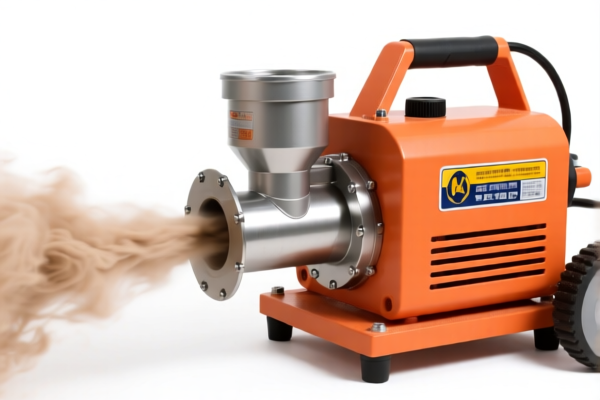
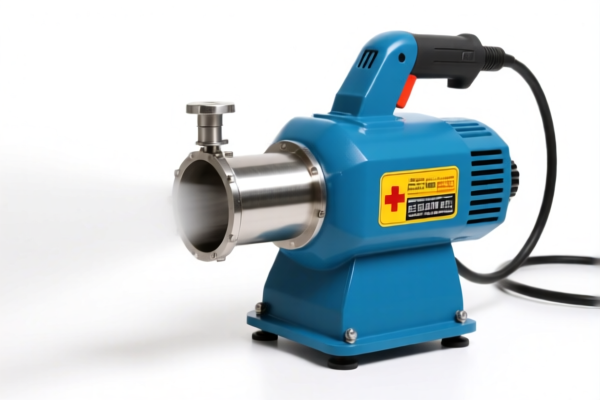
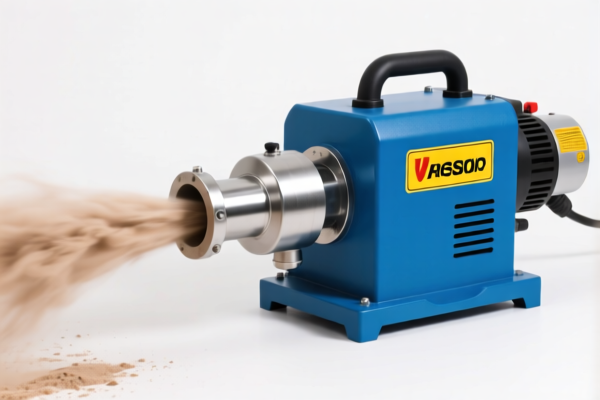
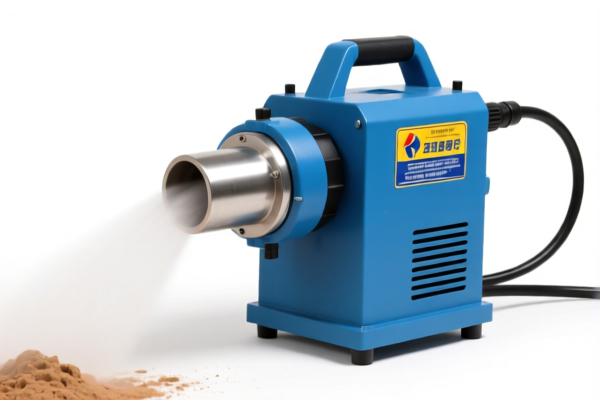
AI Analysis
🛠️ Rust Screw Removal Machine (Power Tools for Metal Working)
🌐 HS Code Reference & Customs Clearance Guide | 2026 Latest Tariff Analysis | Professional Clearance Strategy
📌 I. Product Definition & Classification: Do You Really Understand "Rust Screw Removal Machines"?
A Rust Screw Removal Machine (commonly known as an electric nut runner, heavy-duty impact wrench, or screw extraction tool) is a handheld power tool designed to loosen, remove, or extract stuck, rusted, or over-tightened screws, bolts, and nuts. In international trade, these tools are classified based on their drive mechanism, motor type, and application.
Key Classification Criteria: * Handheld Power Tool: Must be designed to be held in the hand during operation. * Self-Contained Electric Motor: The tool must have its own battery or power cord; pneumatic/hydraulic tools have different classifications. * Chuck Capacity: The size of the socket or chuck determines the specific sub-heading for electric drills/drivers. * Function: "Drilling/Boring" vs. "Rotary/Other" vs. "Metal Working".
⚠️ Critical Distinction:
- If the tool is primarily a drill (uses a chuck/drill bit) with a chuck capacity < 12.7 mm (0.5 inches) → It falls under 8467.21.00.30.
- If the tool is an impact wrench/nut runner designed specifically for metal working (bolts/screws in metal structures) and does not fit the strict "drill with small chuck" definition → It may fall under 8467.89.10.00 (Other tools suitable for metal working).
- Note: Many heavy-duty "screw removal" machines are essentially impact wrenches. If classified as a "drill" with a chuck >12.7mm, they might go to 8467.21.00.90 or 8467.29.00.00. However, based on the provided<DATA>, we focus on the two specific codes given.
📦 II. HS Code Classification Details (Based on Provided Data)
| HS Code | Product Description | Applicable Scenario | Key Feature |
|---|---|---|---|
8467.21.00.30 |
Power-operated hand tools with self-contained electric motor: Drills of all kinds, Rotary: Other: With a chuck capacity of less than 12.7 mm | Electric drills, screwdrivers, compact impact drivers with small chucks (<0.5") | Drill Type + Small Chuck (<12.7mm) |
8467.89.10.00 |
Other power-operated hand tools: Other tools: Suitable for metal working | Heavy-duty impact wrenches, nut runners, rust extractors designed for metal fasteners | Metal Working + Other/Non-Drill Specific |
🔍 Focus Reminder:
-8467.21.00.30: Strictly for electric drills/drivers where the chuck capacity is LESS than 12.7 mm. This is typical for small screwdrivers or light-duty drills.
-8467.89.10.00: Covers other hand tools that are suitable for metal working. This is the broader category for impact wrenches, nut runners, and specialized rust removal tools that don't fit the specific "small chuck drill" definition.
💰 III. 2026 Latest Tariff Rate Details (Including Additional Taxes)
✅ Applicable Country: United States (US)
✅ Country of Origin: China (CN)
✅ Effective Date: 2025/2026 (Based on current trade policies)
🎯 1. 8467.21.00.30 —— Power Hand Tools (Drills, Chuck < 12.7 mm)
| Item | Content |
|---|---|
| Base Tariff | 0.0% |
| Section 301 Additional Tariff | 0.0% |
| Total Tax Rate | 0.0% |
| Tax Calculation | CIF Value × 0% = $0 |
| De Minimis Eligibility | ✅ Yes (If value < $800, generally duty-free) |
| Legal Basis | HTSUS 8467.21.00.30, USITC Notice |
📌 Explanation:
- This specific subheading for electric drills with small chucks currently enjoys a 0% tariff under the provided data.
- No additional Section 301 or IEEPA tariffs are listed for this specific code in the provided data.
- Cost Advantage: This is the most cost-effective classification if your tool qualifies as a "drill with chuck < 12.7 mm".
🎯 2. 8467.89.10.00 —— Other Hand Tools (Suitable for Metal Working)
| Item | Content |
|---|---|
| Base Tariff | 0.0% |
| Section 301 Additional Tariff | +7.5% |
| Total Tax Rate | 7.5% |
| Tax Calculation | CIF Value × 7.5% |
| De Minimis Eligibility | ❌ No (Section 301 goods are generally exempt from de minimis if subject to 301 tariffs, but base rate is 0%; however, the 7.5% is added) |
| Legal Basis | HTSUS 8467.89.10.00, USITC Section 301 List |
📌 Explanation:
- The base tariff is 0%, but a 7.5% additional tariff applies due to Section 301 trade measures against China.
- This code covers other metal-working tools (like impact wrenches/nut runners) that are not strictly "drills with small chucks".
- Cost Impact: You will pay 7.5% of the CIF value in additional duties.
🛠️ IV. Customs Clearance Practical Advice (Real-World Pitfall Guide)
✅ 1. Required Documentation List (Non-Negotiable)
| Document | Required | Notes |
|---|---|---|
| ✅ Product Specifications | ✔️ | Must clearly state: Motor type (Electric), Chuck/Socket size, Max Torque, Weight, Intended Use (Metal Working) |
| ✅ Photos (Clear & Detailed) | ✔️ | Show the chuck/socket interface. If chuck < 12.7mm, highlight it. If it’s an impact wrench, show the square drive. |
| ✅ Commercial Invoice | ✔️ | Describe as: "Electric Hand Tool for Removing Rusted Screws in Metal Structures" or "Electric Impact Driver" |
| ✅ Packing List | ✔️ | Include accessories (batteries, chargers, sockets) |
| ✅ CE/UL/FCC Certification | ✔️ | Required for electrical safety in US/EU |
| ✅ Country of Origin Certificate | ✔️ | If claiming preferential rates elsewhere |
✅ 2. Declaration Tips (Critical Keywords)
🔥 “Define Function, Size & Material — Avoid Misclassification!”
| Scenario | Correct Declaration | Wrong Declaration |
|---|---|---|
| Tool has chuck < 12.7 mm (e.g., 10mm) | 8467.21.00.30 - "Electric Drill, Chuck 10mm" |
"Impact Wrench" → May trigger 7.5% if reclassified |
| Tool is Impact Wrench (Square Drive, no chuck) | 8467.89.10.00 - "Electric Tool for Metal Working" |
"Drill" → Incorrect if no chuck |
| Tool has chuck > 12.7 mm | 8467.21.00.90 or 8467.29.00.00 (Not in provided data) |
8467.21.00.30 → Incorrect (Chuck too big) |
| Tool is Pneumatic | Not in provided data (Would be 8467.22) | 8467.21.00.30 → Incorrect (Wrong power source) |
📌 Key Tip:
- If your "Rust Screw Removal Machine" is a compact electric driver with a keyless chuck < 0.5 inches, use8467.21.00.30for 0% tax.
- If it’s a heavy-duty impact wrench with a square drive (no chuck), use8467.89.10.00and accept the 7.5% tax.
✅ 3. Special Cases
| Case | Handling Advice |
|---|---|
| Battery-Powered | Ensure batteries are properly declared. Lithium batteries may require additional safety data sheets (MSDS). |
| Set/Kit | Declare the primary function. If the kit is mostly for drilling small holes, 8467.21.00.30 may apply. If for heavy bolts, 8467.89.10.00. |
| Industrial vs. Home Use | Both are "hand tools". Use doesn’t change HS code, but clarity in description helps customs. |
🌍 V. Global Market Clearance Comparison (2026)
| Country/Region | Recommended HS Code | Tariff Rate | Notes |
|---|---|---|---|
| 🇺🇸 USA | 8467.21.00.30 |
0.0% | Best for small chuck drills |
| 🇺🇸 USA | 8467.89.10.00 |
7.5% | For other metal-working tools |
| 🇨🇳 China | 8467.21.00.30 |
~10-15% | Import tax to China |
| 🇪🇺 EU | 8467.21.00 |
~0% | Check local VAT |
| 🇬🇧 UK | 8467.21.00 |
~0% | Post-Brexit tariff |
📌 Conclusion:
- The USA offers 0% duty for the specific code8467.21.00.30, making it highly attractive if your product fits the < 12.7 mm chuck criteria.
- For larger impact tools, the 7.5% additional tax is unavoidable under current Section 301 rules.
📌 VI. Common Mistakes & Pitfalls (Lessons Learned)
❌ Mistake 1: Classifying an impact wrench (no chuck) as a drill with small chuck (8467.21.00.30)
👉 Consequence: Customs audit → Re-classification to 8467.89.10.00 → Back taxes + Penalties.
❌ Mistake 2: Not specifying Chuck Size in description
👉 Consequence: Customs assumes worst-case scenario → Higher duty or delay.
❌ Mistake 3: Using vague terms like "Screw Remover" without technical specs
👉 Consequence: Customs cannot verify function → Inspection delay.
✅ Correct Declaration Example:
"Electric Hand Tool for Removing Rusted Screws, Self-Contained Motor, Chuck Capacity 10mm, for Metal Working, Model XYZ, FCC Certified"
🎯 VII. Conclusion: Professional Declaration, Cost Savings!
🎯 Remember:
🔹 “Small Chuck (<12.7mm) = 0% Tax. Metal Working Tool = 7.5% Tax.”
🔹 “Impact Wrench ≠ Drill. Be precise!”
📌 Pro Tip:
If your tool has a chuck exactly 12.7 mm or larger, it does NOT qualify for 8467.21.00.30. You must look for other codes (not in provided data). Check your product specs carefully!
📣 Action Required:
📞 Contact a licensed customs broker + Provide Product Photos + Verify Chuck/Drive Size
🚀 Save 7.5% on every shipment if you qualify for 0%!
✨ Professional Customs Clearance Starts with Accurate Classification!
💼 Every Percent Counts in International Trade!
Customer Reviews
About HS Code Classification
The Harmonized System (HS) is an internationally standardized nomenclature developed by the World Customs Organization (WCO) to classify traded products. Over 200 countries use the HS system as the basis for customs tariffs, trade statistics, and import/export regulations.
Each HS code follows a hierarchical structure:
- Chapter (2 digits) — Broad category of goods (e.g., Chapter 84: Machinery and Mechanical Appliances)
- Heading (4 digits) — More specific grouping within the chapter
- Subheading (6 digits) — Internationally standardized breakdown, used by all WCO member countries
- National subdivisions (8-10 digits) — Country-specific extensions for further classification, such as US HTSUS 10-digit codes
Correct HS code classification is essential for smooth customs clearance, accurate duty payment, and compliance with trade regulations. Misclassification can lead to customs delays, overpayment of duties, or penalties.
When importing from CN to US, the applicable tariff rates may include:
- Most-Favored-Nation (MFN) rate — The standard duty rate applied to WTO members
- General rate — Applied to countries without trade agreements
- Trade remedy duties — Additional tariffs such as Section 301 (anti-dumping), Section 232 (national security), or countervailing duties
The information provided on this page is for reference purposes only. For official classification, please consult with your local customs authority or a licensed customs broker.