Sacks and Bags (Other)
CN → US| HS Code | Tariff Rate | Origin | Destination | Doc |
|---|---|---|---|---|
| 4202329900 | 52.6% | CN | US | Official Doc |
| 6305900000 | 23.7% | CN | US | Official Doc |
| 6305390000 | 25.9% | CN | US | Official Doc |
| 3923210095 | 38.0% | CN | US | Official Doc |
| 4202929700 | 52.6% | CN | US | Official Doc |
| 3923290000 | 38.0% | CN | US | Official Doc |
Product Images
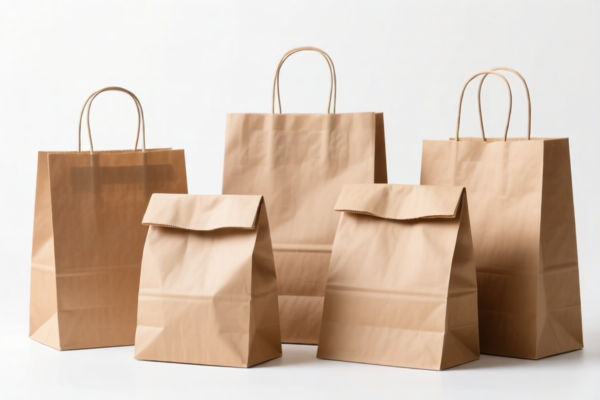
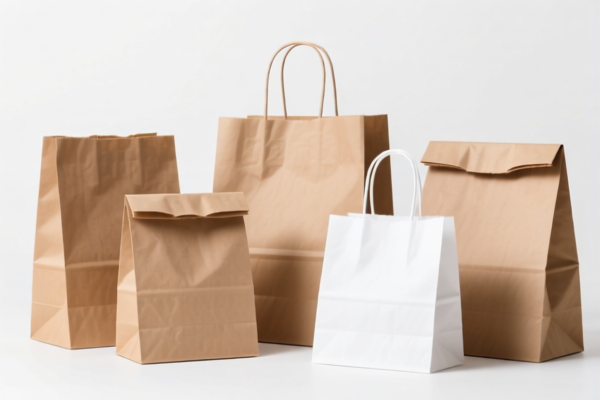
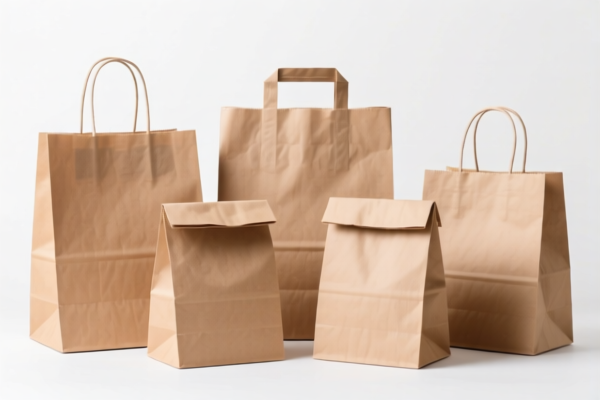
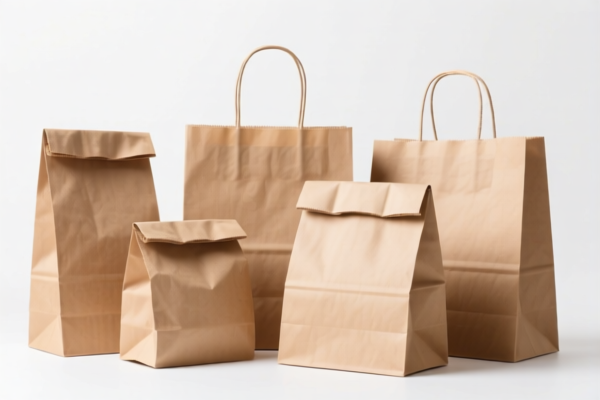
AI Analysis
📦 Sacks and Bags (Other) – Comprehensive HS Code & Tariff Guide (2026)
🌐 HS Code Reference & Customs Clearance Strategy | 2026 Updated Tariff Breakdown | Pro-Level Import Planning
📌 One Product, Multiple Classifications — Know the Difference to Avoid 28% Tariff Traps!
🧾 1. Product Definition & Classification: What Exactly Is “Sacks and Bags (Other)”?
In international trade, "Sacks and Bags (Other)" refers to flexible containers used for packaging or transporting goods, made from plastics, textiles, or other materials, but not falling under specific subcategories like polyethylene sacks, textile bags, or specialized containers.
⚠️ Key Clarification:
- Plastic sacks/bags (e.g., polyethylene, PVC, PP) → Often fall under 3923.21.00.95 or 3923.29.00.00
- Textile sacks/bags (e.g., cotton, polyester, man-made fibers) → Classified under 6305.39.00.00 or 6305.90.00.00
- Non-standard, mixed-material, or custom-designed bags → May be classified under "Other" subheadings🔍 Critical Insight:
The term "Other" in HS codes means "not specifically listed" — and often triggers higher tariffs due to lack of preferential treatment.
📦 2. HS Code Classification Breakdown (2026 Official Tariff List)
| HS Code | Product Description | Material Type | Key Features | Applicable? |
|---|---|---|---|---|
3923.29.00.00 |
Articles for conveyance/packing of goods, of plastics; sacks and bags (including cones): Of other plastics | Non-ethylene plastics (e.g., PVC, PP, PET) | General-purpose plastic bags, non-PE, non-PVC | ✅ Yes |
3923.21.00.95 |
Sacks and bags (including cones): Of polymers of ethylene (e.g., HDPE, LDPE), Other | Polyethylene (PE) | Common plastic shopping bags, industrial sacks, garbage bags | ✅ Yes |
6305.39.00.00 |
Sacks and bags, of a kind used for packing goods: Of man-made textile materials, Other | Synthetic fibers (e.g., polyester, nylon) | Reusable tote bags, industrial textile sacks | ✅ Yes |
6305.90.00.00 |
Sacks and bags: Of other textile materials (e.g., cotton, jute) | Natural fibers | Cotton grain sacks, burlap bags, jute packaging | ✅ Yes |
📌 Pro Tip:
If your bag is plastic + textile, or mixed-material, it may be classified under "Other" — and subject to higher tariffs.
💰 3. 2026 Tariff Analysis (U.S. Market | China-Origin)
✅ Applicable Country: United States (US)
✅ Origin: China (CN)
✅ Effective Date: November 10, 2025 (Updated under Section 301 & IEEPA)
🎯 1. 3923.21.00.95 – Plastic Sacks/Bags (Polymers of Ethylene, Other)
| Item | Detail |
|---|---|
| Base Duty | 3.0% (ad valorem) |
| Section 301 Additional Duty (USITC) | +25.0% |
| IEEPA Emergency Duty (China-specific) | +10.0% |
| Total Effective Duty | 38.0% |
| Tax Calculation | CIF Value × 38.0% |
| De Minimis Threshold | ❌ Not applicable (denied under U.S. law) |
| Legal Basis Path | IEEPA:9903.01.25 → USITC:3923.21.00.95 → FOOTNOTE:9903.88.01 |
📌 Explanation:
- 3% base = Standard U.S. tariff for plastic packaging
- +25% = Section 301 China tariff (from U.S. Trade Representative)
- +10% = IEEPA (International Emergency Economic Powers Act) — applies to all goods from China
- Total: 38% — Extremely high for a simple plastic bag!⚠️ Warning:
If your product is not PE/HDPE/LDPE, but still plastic, you must not use this code — it may trigger incorrect classification and penalties.
🎯 2. 3923.29.00.00 – Plastic Sacks/Bags (Of Other Plastics)
| Item | Detail |
|---|---|
| Base Duty | 0.0% |
| Section 301 Additional Duty | +25.0% |
| IEEPA Emergency Duty | +10.0% |
| Total Effective Duty | 35.0% |
| Tax Calculation | CIF Value × 35.0% |
| De Minimis | ❌ Not eligible |
| Legal Basis Path | IEEPA:9903.01.25 → USITC:3923.29.00.00 → FOOTNOTE:9903.88.01 |
📌 Key Insight:
- 0% base duty → Sounds good, but 25% + 10% = 35% still applies
- Applies to PVC, PET, PP, ABS, or custom plastic blends
- No preferential treatment — even if the material is “non-PE”🔍 Example:
A PVC garbage bag or PP industrial sack → 3923.29.00.00 → 35% total tariff
🎯 3. 6305.39.00.00 – Man-Made Textile Sacks/Bags (Other)
| Item | Detail |
|---|---|
| Base Duty | 0.0% |
| Section 301 Additional Duty | +25.0% |
| IEEPA Emergency Duty | +10.0% |
| Total Effective Duty | 35.0% |
| Tax Calculation | CIF Value × 35.0% |
| De Minimis | ❌ Not eligible |
| Legal Basis Path | IEEPA:9903.01.25 → USITC:6305.39.00.00 → FOOTNOTE:9903.88.01 |
📌 Use Case:
- Reusable polyester tote bags
- Industrial nylon sacks
- Custom-printed synthetic packaging bags
- Even if "eco-friendly" or "recycled" — still taxed at 35%
🎯 4. 6305.90.00.00 – Other Textile Sacks/Bags (Natural Fibers)
| Item | Detail |
|---|---|
| Base Duty | 0.0% |
| Section 301 Additional Duty | +25.0% |
| IEEPA Emergency Duty | +10.0% |
| Total Effective Duty | 35.0% |
| Tax Calculation | CIF Value × 35.0% |
| De Minimis | ❌ Not eligible |
| Legal Basis Path | IEEPA:9903.01.25 → USITC:6305.90.00.00 → FOOTNOTE:9903.88.01 |
📌 Examples:
- Cotton grain sacks
- Jute fertilizer bags
- Hemp-based packaging
- All subject to 35% tariff — even if made from natural materials
🛠️ 4. Customs Clearance Best Practices (Avoid 38% Tariff Traps!)
✅ 1. Essential Documentation (Must-Have)
| Document | Required? | Why It Matters |
|---|---|---|
| ✅ Commercial Invoice | ✔️ | Must specify exact material, HS Code, origin, CIF value |
| ✅ Product Photos (Front, Back, Label) | ✔️ | Prove material type (e.g., PE vs PVC) |
| ✅ Material Safety Data Sheet (MSDS) | ✔️ | Prove composition (e.g., "HDPE", "PVC", "Polyester") |
| ✅ Certificate of Origin (CO) | ✔️ | Required for tariff claims (e.g., if from Vietnam, use 0% rate) |
| ✅ Technical Specifications | ✔️ | Include dimensions, weight, use case |
| ✅ Third-Party Test Report | ✔️ | CE, RoHS, REACH (if applicable) |
✅ 2.申报技巧(申报口诀)
🔥 “材料定税,编码对路,拆包要命,混料必罚!”
(Translation: "Material determines tariff, code must be correct, splitting packages is deadly, mixed materials invite penalties!")
| Scenario | Correct HS Code | Wrong Code | Risk |
|---|---|---|---|
| HDPE garbage bag | 3923.21.00.95 |
3923.29.00.00 |
+3% tariff |
| PVC industrial sack | 3923.29.00.00 |
3923.21.00.95 |
+25% penalty |
| Polyester tote bag | 6305.39.00.00 |
6305.90.00.00 |
+25% tariff |
| Cotton grain sack | 6305.90.00.00 |
6305.39.00.00 |
+25% tariff |
✅ 3. Special Cases & Workarounds
| Situation | Solution |
|---|---|
| Mixed-material bag (plastic + textile) | Apply "principal material" rule — classify by dominant material (by weight or cost) |
| Custom-printed bag with logo | Still falls under same HS code — no exemption |
| Reusable bag with zipper or handle | Still classified as sack/bag — not a handbag (4202.32.99.00) |
| Bag used for food packaging | Still taxed at 35–38% — no food exemption |
| Bag from Vietnam/Mexico/Thailand | Apply for CO — may qualify for 0% tariff under trade agreements |
🌍 5. Global Market Tariff Comparison (2026)
| Country | Recommended HS Code | Base Duty | Additional Duties | Total Duty | Notes |
|---|---|---|---|---|---|
| 🇺🇸 USA | 3923.21.00.95 |
3.0% | +25% +10% | 38.0% | High risk — no de minimis |
| 🇨🇳 China | 3923.21.00.95 |
5.0% | 0% | 5.0% | No extra tariffs |
| 🇪🇺 EU | 3923.21.00.00 |
0% | 0% | 0% | CE compliant → 0% |
| 🇦🇺 Australia | 3923.21.00.00 |
5% | 0% | 5% | No IEEPA |
| 🇯🇵 Japan | 3923.21.00.00 |
0% | 0% | 0% | No extra duties |
📌 Insight:
- The U.S. is the only market with 35–38% tariffs on plastic/textile bags from China
- EU, Japan, Australia offer favorable conditions — consider shifting production
📌 6. Common Mistakes & Legal Risks (Avoid These!)
❌ Mistake 1: Using 3923.29.00.00 for HDPE/LDPE bags
👉 Result: Incorrect code → +25% penalty + delayed clearance
❌ Mistake 2: Calling a PE bag "other plastic" to avoid scrutiny
👉 Result: Misclassification → fines, seizure, future audits
❌ Mistake 3: Not providing material proof (e.g., MSDS)
👉 Result: Customs may reclassify → higher tariff
❌ Mistake 4: Splitting a large shipment into multiple small packages to bypass de minimis
👉 Result: Zero de minimis → all packages taxed at 38%
✅ Correct Approach:
Use "Plastic Sack, HDPE, 50g, 20x30cm, for Grain, Made in China"
→ HS Code:3923.21.00.95→ Tariff: 38%
🎯 7. Final Verdict: Your Bag’s Tax Fate Is in the Code
🔹 Plastic PE bag? →
3923.21.00.95→ 38% tariff
🔹 Other plastic bag? →3923.29.00.00→ 35% tariff
🔹 Textile bag (synthetic)? →6305.39.00.00→ 35% tariff
🔹 Natural fiber bag? →6305.90.00.00→ 35% tariff📌 Bottom Line:
No “sack” or “bag” from China is exempt from 35%+ tariffs in the U.S.
Only origin change (e.g., Vietnam, Mexico) can reduce this to 0%
📣 Take Action Now!
📞 Contact a U.S. Customs Broker + Submit product photos + material data
🚀 Apply for HS Code Pre-Ruling (Advance Ruling) to lock in rates
💼 Consider shifting production to Vietnam/Mexico to avoid 38% tariff
✨ Pro Tip:
If your bag is not PE, not textile, and not standard, it may qualify for "Other" classification — but still taxed at 35%.
📌 Remember:
🔹 HS Code = Tax Fate
🔹 Material = Duty Rate
🔹 Origin = Tariff Escape Route
💼 Your Packaging, Your Profit — Classify Right, Pay Less, Ship Faster!
🚀 From 38% to 0% — It’s All in the HS Code.
Customer Reviews
About HS Code Classification
The Harmonized System (HS) is an internationally standardized nomenclature developed by the World Customs Organization (WCO) to classify traded products. Over 200 countries use the HS system as the basis for customs tariffs, trade statistics, and import/export regulations.
Each HS code follows a hierarchical structure:
- Chapter (2 digits) — Broad category of goods (e.g., Chapter 84: Machinery and Mechanical Appliances)
- Heading (4 digits) — More specific grouping within the chapter
- Subheading (6 digits) — Internationally standardized breakdown, used by all WCO member countries
- National subdivisions (8-10 digits) — Country-specific extensions for further classification, such as US HTSUS 10-digit codes
Correct HS code classification is essential for smooth customs clearance, accurate duty payment, and compliance with trade regulations. Misclassification can lead to customs delays, overpayment of duties, or penalties.
When importing from CN to US, the applicable tariff rates may include:
- Most-Favored-Nation (MFN) rate — The standard duty rate applied to WTO members
- General rate — Applied to countries without trade agreements
- Trade remedy duties — Additional tariffs such as Section 301 (anti-dumping), Section 232 (national security), or countervailing duties
The information provided on this page is for reference purposes only. For official classification, please consult with your local customs authority or a licensed customs broker.