Satin Decorative Fabric (Unbleached)
CN → US| HS Code | Tariff Rate | Origin | Destination | Doc |
|---|---|---|---|---|
| 5208192020 | 42.9% | CN | US | Official Doc |
| 5407810040 | 49.9% | CN | US | Official Doc |
| 5111909000 | 60.0% | CN | US | Official Doc |
| 5111117060 | 60.0% | CN | US | Official Doc |
| 5407912050 | 49.9% | CN | US | Official Doc |
Product Images
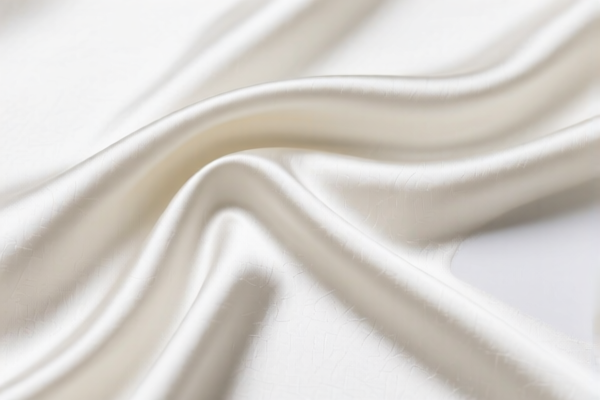
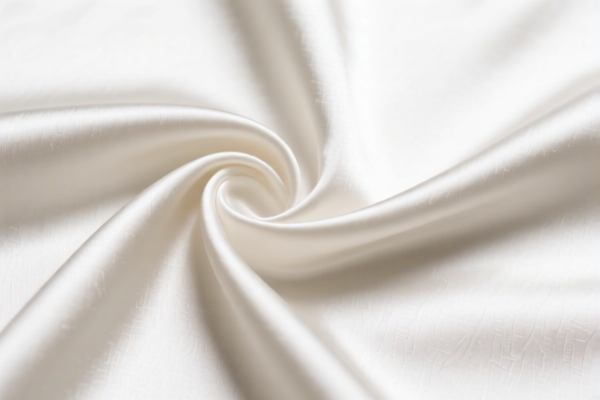
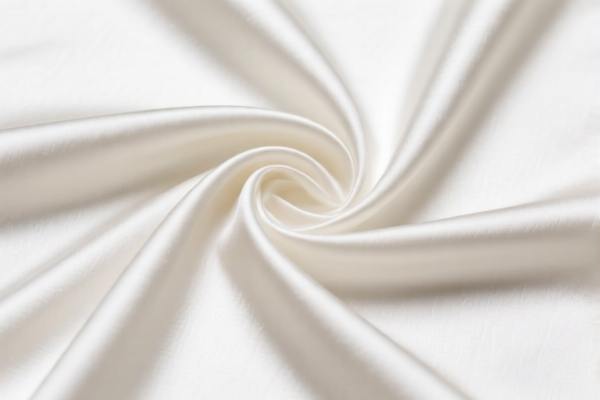
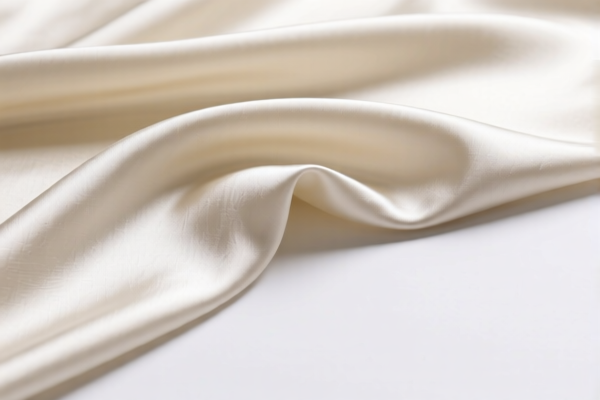
AI Analysis
🌟 Satin Decorative Fabric (Unbleached) – HS Code & Tariff Guide | 2026 Latest Customs Classification & Duty Breakdown
📌 I. Product Definition & Classification: What Exactly Is "Unbleached Satin Decorative Fabric"?
Unbleached Satin Decorative Fabric refers to woven textiles with a satin weave structure, not chemically bleached, and used primarily for interior decoration, fashion accessories, drapery, or artistic applications. The fabric retains its natural color (typically off-white, beige, or light tan) due to the absence of bleaching processes.
⚠️ Key Classification Clues: - Weave Type: "Satin" (a smooth, lustrous surface with a specific thread count pattern) - Bleaching Status: "Unbleached" → No chemical whitening - Usage: Decorative (not for apparel, industrial, or technical use) - Fiber Composition: Can be cotton, cellulose fibers, synthetic blends, or animal hair — determined by physical inspection and material test
🔍 Critical Insight:
The fiber type determines the HS Code, not the visual appearance. A fabric may look similar but be classified differently based on its material.
📦 II. HS Code Breakdown (2026 U.S. Tariff Schedule – China-Origin Products)
| HS Code | Product Description | Fiber Type | Duty Status | Total Tax |
|---|---|---|---|---|
5208.19.20.20 |
Unbleached satin fabric, cotton or cellulose fiber | Cotton / Cellulose | High-risk | 42.9% |
5407.81.00.40 |
Unbleached satin fabric, synthetic fiber + cotton blend | Synthetic + Cotton | High-risk | 49.9% |
5407.91.20.50 |
Unbleached satin fabric, specific structure & processing | Synthetic + Cotton | High-risk | 49.9% |
5111.90.90.00 |
Unbleached satin fabric, animal hair fiber | Animal Hair (e.g., camel, alpaca) | Highest risk | 60.0% |
5111.11.70.60 |
Unbleached satin fabric, wool or fine animal hair | Wool / Fine Animal Hair | Highest risk | 60.0% |
✅ All codes apply to "unbleached" satin fabrics with satin weave structure
❌ Do NOT use general textile codes like5209or5407.89— they lack specificity and trigger audits
💰 III. 2026 U.S. Tariff Breakdown – Detailed Tax Explanation (China-Origin Goods)
✅ Applicable Country: United States (US)
✅ Origin: China (CN)
✅ Effective Date: November 10, 2025 (post-2025 review)
✅ Legal Basis: U.S. Trade Act Section 301 + IEEPA (International Emergency Economic Powers Act)
🎯 1. 5208.19.20.20 – Unbleached Satin Fabric (Cotton or Cellulose Fiber)
| Tax Component | Rate | Legal Basis | Explanation |
|---|---|---|---|
| Base Duty | 7.9% | HTSUS 5208.19.20 | Standard rate for unbleached cotton/silk-like fabrics |
| Section 301 (USITC) Add-on | +25.0% | USITC Footnote 9903.88.01 | Imposed under Section 301 of U.S. Trade Act (China trade war) |
| IEEPA (Emergency Powers) Add-on | +10.0% | IEEPA: 9903.01.24 | Applies to all goods from China/Hong Kong under national emergency |
| Total Effective Duty | 42.9% | — | Highest in category — avoid if possible |
📌 Why This Rate?
- Cotton-based satin is not exempt from Section 301 tariffs - IEEPA 10% applies automatically to all Chinese-origin goods - No de minimis exemption → even small shipments face full tax
🎯 2. 5407.81.00.40 – Unbleached Satin Fabric (Synthetic + Cotton Blend)
| Tax Component | Rate | Legal Basis | Explanation |
|---|---|---|---|
| Base Duty | 14.9% | HTSUS 5407.81.00 | Higher base for synthetic blends |
| Section 301 Add-on | +25.0% | USITC: 9903.88.01 | Applies to all synthetic fiber products from China |
| IEEPA Add-on | +10.0% | IEEPA: 9903.01.24 | Mandatory for China-origin goods |
| Total Effective Duty | 49.9% | — | Highest tariff tier |
📌 Critical Note:
- Even 50% cotton + 50% polyester blends fall under synthetic fiber classification - No exemption for "mixed" materials — all components are taxed under the dominant category
🎯 3. 5407.91.20.50 – Unbleached Satin Fabric (Specific Structure & Processing)
| Tax Component | Rate | Legal Basis | Explanation |
|---|---|---|---|
| Base Duty | 14.9% | HTSUS 5407.91.20 | Applies to fabrics with defined structure |
| Section 301 Add-on | +25.0% | USITC: 9903.88.01 | Applies to all Chinese-origin synthetic textiles |
| IEEPA Add-on | +10.0% | IEEPA: 9903.01.24 | Applies regardless of fiber type |
| Total Effective Duty | 49.9% | — | Same as 5407.81.00.40 |
📌 Why This Code?
- Used when fabric has specific processing (e.g., heat-setting, special finish) - Even if fiber is cotton, if processed like synthetic, it may be classified here - Higher scrutiny by CBP → prepare technical documentation
🎯 4. 5111.90.90.00 – Unbleached Satin Fabric (Animal Hair Fiber)
| Tax Component | Rate | Legal Basis | Explanation |
|---|---|---|---|
| Base Duty | 25.0% | HTSUS 5111.90.90 | Standard for animal hair fabrics |
| Section 301 Add-on | +25.0% | USITC: 9903.88.01 | Applies to all Chinese-origin animal fiber goods |
| IEEPA Add-on | +10.0% | IEEPA: 9903.01.24 | Mandatory for all China-origin goods |
| Total Effective Duty | 60.0% | — | Highest possible tariff |
📌 Red Flags:
- Animal hair includes camel, alpaca, angora, mohair - Even small amounts of animal hair (e.g., 5%) can trigger this code - No de minimis — full 60% applies even for low-volume shipments
🎯 5. 5111.11.70.60 – Unbleached Satin Fabric (Wool or Fine Animal Hair)
| Tax Component | Rate | Legal Basis | Explanation |
|---|---|---|---|
| Base Duty | 25.0% | HTSUS 5111.11.70 | Wool-specific rate |
| Section 301 Add-on | +25.0% | USITC: 9903.88.01 | Applies to all wool from China |
| IEEPA Add-on | +10.0% | IEEPA: 9903.01.24 | Mandatory |
| Total Effective Duty | 60.0% | — | Same as above |
📌 Critical Distinction:
-5111.11.70.60is more specific than5111.90.90.00- Used when fabric contains pure wool or fine animal hair (e.g., merino, cashmere) - Higher risk of audit — CBP may require fiber analysis
🛠️ IV. Customs Clearance Best Practices (Pro Tips to Avoid Penalties)
✅ 1. Essential Documentation (Must-Have)
| Document | Required? | Why It Matters |
|---|---|---|
| ✅ Product Specification Sheet | ✔️ | Must state: fiber composition, weave type, bleaching status |
| ✅ Lab Test Report (Fiber Analysis) | ✔️ | Proves cotton, synthetic, or animal hair content |
| ✅ High-Resolution Product Photos | ✔️ | Show texture, weave, color, and labels |
| ✅ Commercial Invoice | ✔️ | Must include: exact HS Code, fiber type, origin, CIF value |
| ✅ Certificate of Origin (CO) | ✔️ | Required for tariff claims; avoid "China" if possible |
| ✅ Packing List | ✔️ | Shows weight, quantity, and packaging type |
| ✅ Sample (if possible) | ✔️ | CBP may request physical inspection |
✅ 2.申报技巧(申报口诀)
🔥 “纤维定码,不漂定税,结构定型,拆分要命!”
(Fiber determines code, unbleached = high tax, structure = classification, splitting = disaster!)
| Scenario | Correct HS Code | Wrong Practice | Risk |
|---|---|---|---|
| Cotton satin, unbleached | 5208.19.20.20 |
Use 5209.42.00.00 |
42.9% → 25% → Underpaid duty |
| Polyester + cotton blend | 5407.81.00.40 |
Use 5407.91.20.50 |
49.9% → 14.9% → Audit & penalty |
| Wool satin, unbleached | 5111.11.70.60 |
Use 5111.90.90.00 |
60% → 25% → Severe penalty |
| Ship as "decorative fabric" only | ❌ | No fiber details | Detention or rejection |
✅ 3. Special Cases & Workarounds
| Situation | Recommended Action |
|---|---|
| Fiber composition unknown | Conduct fiber analysis before shipment |
| Mixed fiber (e.g., 40% wool, 60% cotton) | Use dominant fiber rule → if wool >50%, use 5111.11.70.60 |
| Shipments from Vietnam/Mexico | Apply for FTA (Free Trade Agreement) — may reduce to 0% |
| Small sample shipments (<$250) | No de minimis exemption — still taxed at 42.9%+ |
| Custom-made for U.S. client | Consider in-bond processing in Mexico or CAFTA zone |
🌍 V. Global Market Tariff Comparison (2026)
| Country | Recommended HS Code | Base Duty | Additional Taxes | Total Duty |
|---|---|---|---|---|
| 🇺🇸 United States | Depends on fiber | 7.9%–25.0% | +25% (301) +10% (IEEPA) | 42.9%–60.0% |
| 🇨🇳 China | 5208.19.20.20 etc. |
5% | None | 5% |
| 🇪🇺 European Union | 5208.19.20 |
0% (if CE) | None | 0% |
| 🇦🇺 Australia | 5208.19.20 |
5% | None | 5% |
| 🇯🇵 Japan | 5208.19.20 |
0% | None | 0% |
| 🇲🇽 Mexico | 5208.19.20 |
0% (USMCA) | None | 0% |
📌 Insight:
- U.S. is the only market with 42.9%+ tariffs on unbleached satin fabrics from China - Mexico, Vietnam, and EU offer 0–5% rates if properly sourced
📌 VI. Common Mistakes & How to Avoid Them (Avoid Costly Errors!)
❌ Mistake 1: Using "decorative fabric" without specifying fiber type
👉 Result: CBP delays, reclassification, 42.9%+ tax
❌ Mistake 2: Assuming "unbleached" means "lower tax"
👉 Result: No — unbleached cotton satin still hits 42.9%
❌ Mistake 3: Splitting shipment into "fabric" + "accessories"
👉 Result: Each item taxed separately → up to 89.5% total
❌ Mistake 4: Not providing fiber test report
👉 Result: CBP may seize goods or impose penalties
✅ Best Practice:
Use exact HS Code + fiber test + photo + invoice
Example申报:
"Unbleached Satin Fabric, 100% Cotton, Satin Weave, Not Bleached, 1.5m x 1.4m, HS: 5208.19.20.20, Origin: China, CIF: $1,200"
🎯 VII. Final Verdict: How to Win the Tariff Game
🔥 Pro Tip:
- If your fabric is cotton or cellulose → do not ship from China
- Use Vietnam, Bangladesh, or Mexico → 0% tariff under USMCA/FTA
- If you must ship from China → declare correct fiber + HS Code + test report
- Never split shipments — it’s a red flag for CBP
📣 Call to Action: Secure Your Shipment Today!
📞 Contact a U.S.-licensed customs broker + request HS Code pre-ruling
🚀 Apply for a "Tariff Classification Ruling" before shipment — protects you from audits
💼 Use a trusted lab (e.g., SGS, Intertek) to test fiber composition
✨ Your Fabric. Your Duty. Your Risk.
🎯 Accurate classification = lower tax = faster clearance = higher profit!
📌 Remember:
"One wrong HS Code can cost you 60% of your profit!"
"Fiber is king. Declare it. Prove it. Win it."
🚀 Start Smart. Ship Safe. Profit More.
📦 Your unbleached satin fabric deserves the right home — and the right tariff!
Customer Reviews
About HS Code Classification
The Harmonized System (HS) is an internationally standardized nomenclature developed by the World Customs Organization (WCO) to classify traded products. Over 200 countries use the HS system as the basis for customs tariffs, trade statistics, and import/export regulations.
Each HS code follows a hierarchical structure:
- Chapter (2 digits) — Broad category of goods (e.g., Chapter 84: Machinery and Mechanical Appliances)
- Heading (4 digits) — More specific grouping within the chapter
- Subheading (6 digits) — Internationally standardized breakdown, used by all WCO member countries
- National subdivisions (8-10 digits) — Country-specific extensions for further classification, such as US HTSUS 10-digit codes
Correct HS code classification is essential for smooth customs clearance, accurate duty payment, and compliance with trade regulations. Misclassification can lead to customs delays, overpayment of duties, or penalties.
When importing from CN to US, the applicable tariff rates may include:
- Most-Favored-Nation (MFN) rate — The standard duty rate applied to WTO members
- General rate — Applied to countries without trade agreements
- Trade remedy duties — Additional tariffs such as Section 301 (anti-dumping), Section 232 (national security), or countervailing duties
The information provided on this page is for reference purposes only. For official classification, please consult with your local customs authority or a licensed customs broker.