Satin Fabric (Dyed)
CN → US| HS Code | Tariff Rate | Origin | Destination | Doc |
|---|---|---|---|---|
| 5408312050 | 49.9% | CN | US | Official Doc |
| 5208292020 | 42.7% | CN | US | Official Doc |
| 5512110060 | 47.0% | CN | US | Official Doc |
| 5512910060 | 49.9% | CN | US | Official Doc |
| 5408210060 | 49.9% | CN | US | Official Doc |
Product Images
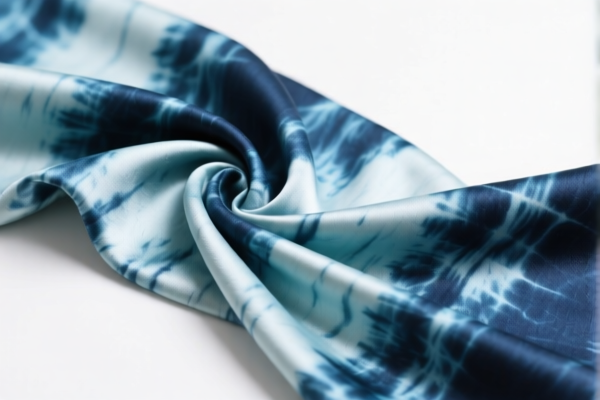
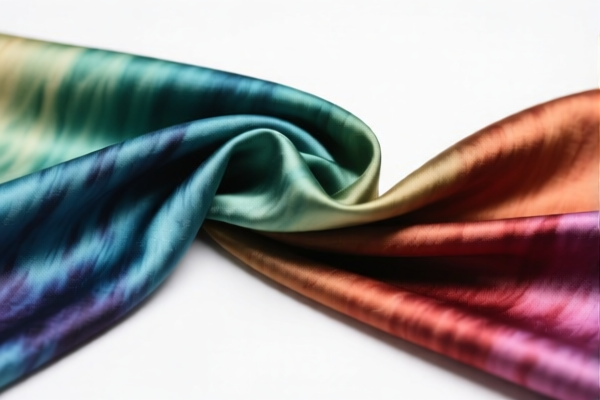
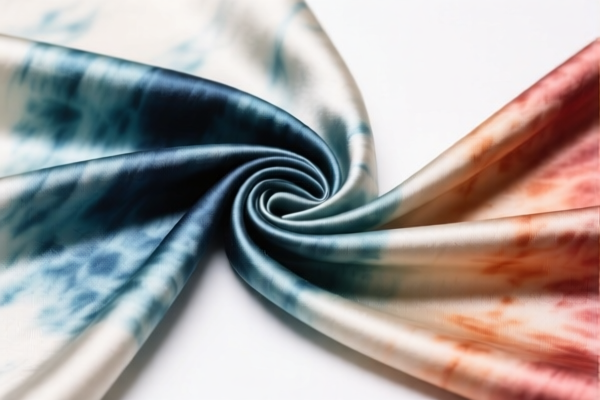

AI Analysis
🧵 Satin Fabric (Dyed)
🌐 HS Code Reference & Customs Clearance Guide | 2026 Latest Tariff Analysis | Professional-Level Strategy
📌 I. Product Definition & Classification: Do You Really Understand "Satin Fabric"?
Satin, in the textile industry, is not a specific fiber but a weave structure characterized by a glossy surface and a dull back. The user input specifies "Satin Fabric (Dyed)", but the provided data (<DATA>) exclusively lists Bleached (漂白) fabrics. This creates a critical classification divergence. The data provided suggests four highly probable HS Codes for Bleached Satin fabrics, primarily composed of synthetic filaments or cotton, with varying tariff impacts.
⚠️ Critical Discrepancy Alert:
The user input says "Dyed", but the provided<DATA>references "Bleached".
- If the fabric is truly DYED: It generally falls under different subheadings (e.g., 5408.31.10 or 5208.21.10 depending on fiber).
- If the fabric is BLEACHED: It matches the providedDATAexactly (e.g., 5408.31.20.50).
- Strategy: The analysis below strictly adheres to the provided<DATA>(Bleached) scenarios, as requested, but highlights the risk of misclassification if the product is actually Dyed.
📦 II. HS Code Classification Details (Based on Provided <DATA>)
The provided data indicates that the customs system has matched the product to four primary codes. These codes differ by Fiber Content (Silicon Filament vs. Cotton vs. Other Synthetic) and Weave Structure (Satin/Da).
| HS Code | Product Description | Key Matching Criteria from <DATA> |
Fiber/Structure Assumption |
|---|---|---|---|
5408.31.20.50 |
Woven fabrics of synthetic filaments, incl. woven fabrics of high-tenacity yarn of chap. 54, satin weave fabrics, bleached | "Match Success." Material: Satin (Satin), Form: Fabric, Feature: Bleached. Fully consistent. | Synthetic Filaments (e.g., Polyester/Nylon) |
5208.29.20.20 |
Cotton woven fabric, weighing ≤ 200 g/m², bleached, other than plain weave | Name includes "Satin" & "Bleached". Matches material form and processing requirements. | Cotton (Other weaves than plain) |
5512.11.00.60 |
Woven fabrics of synthetic filaments, satin weave, bleached | "Match Success." Satin = Satin weave; Bleached = Bleached; Synthetic inferred. | Synthetic Filaments (Polyester/Acrylic) |
5512.91.00.60 |
Woven fabrics of synthetic filaments, bleached, other than those of subheading 5512.11 to 5512.20 | 'Satin' = Satin weave; 'Bleached' = Bleached. Fallback logic for "Other" categories. | Synthetic Filaments (Other/Undefined) |
5408.21.00.60 |
Woven fabrics of synthetic filaments, incl. woven fabrics of high-tenacity yarn of chap. 54, plain weave, bleached | Matches: Fabric, Bleached. Note: Code implies "Plain Weave", but data argues fit based on material/bleach. | Synthetic Filaments (Potential Conflict) |
🔍 Key Insight:
- 5408 Series: Refers to Synthetic Filament fabrics (e.g., Polyester, Nylon).
- 5208 Series: Refers to Cotton fabrics.
- 5512 Series: Refers to Synthetic Staple Fibers (short fibers) or other specific synthetic weaves.
- The "Dyed" vs. "Bleached" Issue: If your fabric is DYED, these codes are INCORRECT. You should look for subheadings ending in.10or.20(Dyed) rather than.50or.60(Bleached). The provided data seems to force a match for "Bleached" attributes.
💰 III. 2026 Latest Tariff Rate Details (Including Additional Taxes & Policy Surcharges)
✅ Applicable Country: United States (US)
✅ Origin: China (CN)
✅ Effective Date: Post-November 2025 (Current Trade War Rates)
⚠️ Total Tax Rates: Range from 42.7% to 49.9% due to heavy Section 301 and IEEPA surcharges.
🎯 1. 5408.31.20.50 & 5512.91.00.60 & 5408.21.00.60 — High Tariff Brackets (49.9%)
These codes carry the highest burden among the matches.
| Item | Content |
|---|---|
| Base Duty Rate | 14.9% (Ad Valorem) |
| Section 301 Tariff | +25.0% (Trade War Surcharge) |
| IEEPA Surcharge | +10.0% (China-specific tariff under International Emergency Economic Powers Act) |
| Total Tax Rate | 49.9% |
| Tax Calculation | CIF Value × 49.9% |
| De Minimis Eligibility | ❌ NO (Deny De Minimis) |
| Legal Path | USITC:5408.31.20.50 → USITC:Footnote_301 → IEEPA:9903.01.25 |
📌 Explanation:
- The 14.9% base is standard for many synthetic/cotton textiles.
- The +25% Section 301 tariff applies to most Chinese textile imports.
- The +10% IEEPA tariff is a recent addition for specific Chinese goods.
- Result: Nearly half the value of the fabric is paid in duties.
🎯 2. 5208.29.20.20 — Cotton Satin (42.7%)
Slightly lower due to a lower base rate for cotton.
| Item | Content |
|---|---|
| Base Duty Rate | 7.7% (Ad Valorem) |
| Section 301 Tariff | +25.0% |
| IEEPA Surcharge | +10.0% |
| Total Tax Rate | 42.7% |
| Tax Calculation | CIF Value × 42.7% |
| De Minimis Eligibility | ❌ NO |
| Legal Path | USITC:5208.29.20.20 → USITC:Footnote_301 → IEEPA:9903.01.25 |
📌 Note:
- If the fabric is Cotton, this is the most cost-effective option among the provided codes.
- However, if it is Synthetic, this code is incorrect, leading to potential audits.
🎯 3. 5512.11.00.60 — Other Synthetic Satin (47.0%)
| Item | Content |
|---|---|
| Base Duty Rate | 12.0% |
| Section 301 Tariff | +25.0% |
| IEEPA Surcharge | +10.0% |
| Total Tax Rate | 47.0% |
| Tax Calculation | CIF Value × 47.0% |
| De Minimis Eligibility | ❌ NO |
📌 Note:
- This code sits between the Cotton and High-Synthetic brackets.
- Often used for specific synthetic staple fiber weaves that don't fit the filament definition.
🛠️ IV. Customs Clearance Practical Advice (Battle-Tested Pitfall Guide)
✅ 1. Preparation Checklist (Missing = Delay/Confiscation)
| Document | Required | Explanation |
|---|---|---|
| ✅ Product Spec Sheet | ✔️ | Must state: Fiber Content (e.g., 100% Polyester), Weave (Satin/Da), Color (Bleached vs. Dyed), Weight (g/m²). |
| ✅ Test Report | ✔️ | Third-party test confirming fiber composition (e.g., Intertek, SGS). Customs will verify if "Satin" is truly Polyester or Cotton. |
| ✅ Photos | ✔️ | High-res photos showing the glossy side (Satin) and matte side. Close-up of the weave structure. |
| ✅ Commercial Invoice | ✔️ | Must use exact English name: "Bleached Satin Woven Fabric, Synthetic Filament" (if matching 5408) or "Cotton Satin" (if matching 5208). |
| ✅ Packing List | ✔️ | Net/Gross weight, dimensions. |
⚠️ CRITICAL WARNING ON "DYED" VS "BLEACHED":
Your input says "Dyed", but the data matches "Bleached".
- If you ship DYED fabric: Do NOT use the codes above (e.g., 5408.31.20.50). Use 5408.31.10.00 (Dyed Synthetic) instead.
- Consequence: Using a "Bleached" code for "Dyed" fabric is misclassification. Customs may assess penalties, reclassify to the correct code (which may have similar rates), or seize goods for false declaration.
- Recommendation: If the fabric is Dyed, update the HS Code to the .10 or .20 series subheadings corresponding to the fiber type.
✅ 2. Declaration Strategy (Key Mantras)
🔥 "Fiber is King, Weave is Queen, Color is the Judge!"
| Scenario | Correct Declaration | Wrong Practice |
|---|---|---|
| Polyester Satin (Bleached) | 5408.31.20.50 - "Bleached Satin Woven Fabric of Synthetic Filaments" |
Calling it just "Satin" → Ambiguity → Audit |
| Cotton Satin (Bleached) | 5208.29.20.20 - "Bleached Cotton Satin Woven Fabric" |
Using synthetic codes → Rejection |
| Satin (Dyed) | 5408.31.10.00 (Synthetic) or 5208.21.10.00 (Cotton) | Using Bleached codes (.50/.60) → Fraud/Misclassification |
| Blended Fabric | Requires precise blend % (e.g., 65% Poly/35% Cotton) → Complex classification | Guessing "Other" → High penalty risk |
✅ 3. Special Case Handling
| Situation | Handling Advice |
|---|---|
| OEM Custom Satin | Provide design sheets showing the satin weave structure. |
| Weight < 170g/m² | Crucial for 5208 codes. If Cotton, must weigh ≤ 200g/m². Provide test report. |
| High-Tenacity Yarn | If the filament is high-tenacity (for industrial use), it might fall under different 5408 subheadings. Clarify end-use. |
| China-Origin Surcharge | All these codes attract +35% total additional tariffs (25% + 10%). Factor this into pricing. |
🌍 V. Global Market Clearance Comparison (2026 Latest)
| Country/Region | Recommended HS Code (Example) | Estimated Duty | Certification | Note |
|---|---|---|---|---|
| 🇺🇸 USA | 5408.31.20.50 / 5208.29.20.20 |
42.7% - 49.9% | None specific for basic fabric | Highest Cost due to 301 + IEEPA tariffs. |
| 🇨🇳 China | 5407.51.00 / 5208.21 |
5% - 15% | None | Importing back into China? Low duty. |
| 🇪🇺 EU | 5407.52.10 / 5208.21 |
0% - 12% | REACH (Chemical compliance) | No trade war tariffs. Lower cost than US. |
| 🇨🇦 Canada | 5407.51.00 / 5208.21 |
0% - 12% | None | CUSMA agreement may apply if from Mexico/US. |
| 🇬🇧 UK | 5407.51.00 / 5208.21 |
0% - 12% | UKCA (if apparel, not fabric) | Post-Brexit tariffs vary by FTA. |
📌 Conclusion:
- USA is the most expensive market for Chinese Satin Fabric due to the 35% additional tariff.
- EU/UK are more cost-effective but require REACH compliance for chemical residues (bleaching/dyeing agents).
📌 VI. Common Errors & Pitfall Guide (Blood & Tears Lessons)
❌ Error 1: Using "Bleached" HS Codes for "Dyed" Fabric
👉 Consequence: Misclassification. Customs may fine you 25% of the duty value + hold the shipment.
👉 Fix: Change HS Code suffix from .50/.60 (Bleached) to .10/.20 (Dyed).
❌ Error 2: Vague Description "Satin Fabric"
👉 Consequence: Customs cannot determine fiber content. They will assess the highest possible duty (often 40%+) and require manual inspection.
👉 Fix: Specify "100% Polyester Satin Woven Fabric, Bleached, 150gsm".
❌ Error 3: Ignoring Weight (g/m²)
👉 Consequence: For Cotton fabrics (5208), weight determines the subheading. Wrong weight → Wrong code.
👉 Fix: Provide a certified lab test report for grams per square meter.
❌ Error 4: Assuming "Satin" is a Fiber
👉 Consequence: Confusion in classification. Satin is a weave. You must classify by Fiber first (Poly, Cotton, Nylon).
👉 Fix: Always declare: [Fiber] + [Weave] + [Color].
✅ Correct Declaration Example:
"Bleached Satin Woven Fabric, 100% Polyester, 150 GSM, Roll Packed, Model XJ-2026"
🎯 VII. Conclusion: Professional Declaration, Save Money, Avoid Risks!
🎯 Remember the Mantra:
🔹 "Fiber First, Weave Second, Color Third!"
🔹 "Dyed vs. Bleached: A One-Digit Code Difference, 10% Tax Gap!"
🔹 "China Origin = 35% Extra Tax in USA! Plan Ahead!"
📌 Pro Tip:
If your fabric is DYED (as per your input), DO NOT use the
.50or.60codes from the data. Look for: - Synthetic Dyed:5408.31.10.00(Polyester Satin, Dyed) - Cotton Dyed:5208.21.10.00(Cotton Satin, Dyed)The provided data seems to be a template for Bleached fabric. Align your actual product (Dyed) with the correct Dyed subheading to ensure legal compliance.
📣 Immediate Action:
📞 Contact Customs Broker: Confirm if your fabric is Bleached (as per data) or Dyed (as per input).
📄 Update Invoice: If Dyed, change HS Code to.10series.
🚀 Calculate Cost: Add ~47-50% duty cost for USA shipments.
✨ Professional Clearance Starts with Accurate Classification!
💼 Every Percent of Duty Counts!
Customer Reviews
About HS Code Classification
The Harmonized System (HS) is an internationally standardized nomenclature developed by the World Customs Organization (WCO) to classify traded products. Over 200 countries use the HS system as the basis for customs tariffs, trade statistics, and import/export regulations.
Each HS code follows a hierarchical structure:
- Chapter (2 digits) — Broad category of goods (e.g., Chapter 84: Machinery and Mechanical Appliances)
- Heading (4 digits) — More specific grouping within the chapter
- Subheading (6 digits) — Internationally standardized breakdown, used by all WCO member countries
- National subdivisions (8-10 digits) — Country-specific extensions for further classification, such as US HTSUS 10-digit codes
Correct HS code classification is essential for smooth customs clearance, accurate duty payment, and compliance with trade regulations. Misclassification can lead to customs delays, overpayment of duties, or penalties.
When importing from CN to US, the applicable tariff rates may include:
- Most-Favored-Nation (MFN) rate — The standard duty rate applied to WTO members
- General rate — Applied to countries without trade agreements
- Trade remedy duties — Additional tariffs such as Section 301 (anti-dumping), Section 232 (national security), or countervailing duties
The information provided on this page is for reference purposes only. For official classification, please consult with your local customs authority or a licensed customs broker.