Satin Fabric (For Lining)
CN → US| HS Code | Tariff Rate | Origin | Destination | Doc |
|---|---|---|---|---|
| 5407810040 | 49.9% | CN | US | Official Doc |
| 5208192020 | 42.9% | CN | US | Official Doc |
| 5208292020 | 42.7% | CN | US | Official Doc |
| 5408312050 | 49.9% | CN | US | Official Doc |
| 5208292090 | 42.7% | CN | US | Official Doc |
Product Images
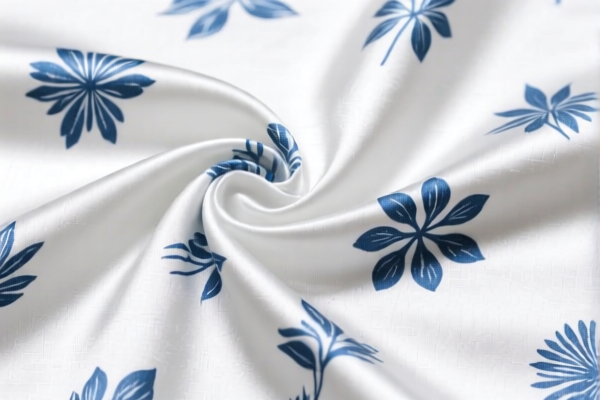
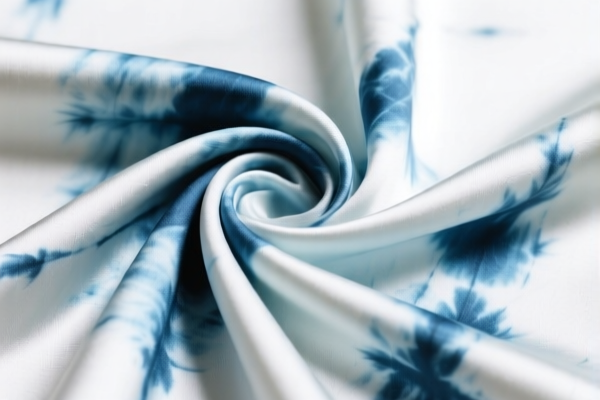
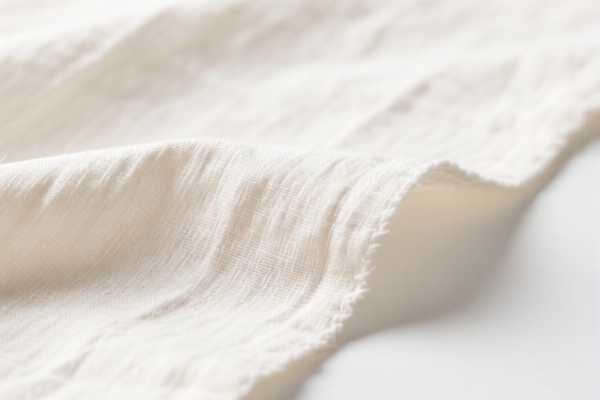

AI Analysis
🌟 Satin Fabric (For Lining)
🌐 HS Code & Tariff Guide | 2026 Customs Classification & Duty Breakdown | Expert Compliance Strategy
📌 One Product, Multiple Codes — Know Exactly Where It Belongs!
📦 I. Product Definition & Classification: What Is "Satin Fabric for Lining"?
Satin fabric for lining refers to smooth, lustrous woven textiles used as inner linings in garments, bags, or accessories. These fabrics are prized for their soft hand feel, elegant sheen, and durability.
In international trade, satin lining fabrics are classified based on:
- Fiber composition (cotton, synthetic fibers, or blends)
- Finishing process (bleached vs. unbleached)
- Weave structure (satin weave — typically 4/1 or 5/1)
⚠️ Key Distinction:
- Unbleached satin → retains natural color (off-white, beige)
- Bleached satin → white or colorless after chemical treatment
- Cotton-based → must meet cotton fiber content thresholds
- Synthetic-based → includes polyester, nylon, or rayon
- Blended → mix of cotton + synthetic fibers (e.g., 60% cotton / 40% polyester)✅ Critical Note:
Even if a fabric looks “satin-like,” only those with true satin weave structure qualify under these HS codes.
🔍 II. HS Code Breakdown (2026 U.S. Tariff Schedule – China-Origin Goods)
| HS Code | Product Description | Fiber Type | Finish | Key Features | Tax Rate |
|---|---|---|---|---|---|
5407.81.00.40 |
Unbleached satin lining fabric, synthetic fiber & cotton blend | Cotton + Synthetic | Unbleached | Satin weave, mixed fibers | 49.9% |
5208.19.20.20 |
Unbleached satin lining fabric, cotton or cellulose fiber | Cotton / Cellulose | Unbleached | Natural color, pure cotton or rayon | 42.9% |
5208.29.20.20 |
Bleached satin fabric, cotton satin weave, bleached | Cotton | Bleached | White finish, pure cotton satin | 42.7% |
5408.31.20.50 |
Bleached satin fabric, satin weave, synthetic fiber | Synthetic (e.g., polyester) | Bleached | High luster, durable, white finish | 49.9% |
5208.29.20.90 |
Bleached satin fabric, cotton or other textile | Cotton or other fibers | Bleached | Broad category, includes blends | 42.7% |
🔍 Why These Codes?
-5407.81.00.40: Covers cotton-synthetic blends in satin weave — common in high-end apparel linings
-5208.19.20.20: For natural-colored cotton or rayon satin — no chemical bleaching
-5208.29.20.20&5208.29.20.90: Both apply to bleached cotton satin, but differ slightly in fiber specificity
-5408.31.20.50: Synthetic-only bleached satin — often used in luxury garments, lingerie, or technical textiles
💰 III. 2026 U.S. Tariff Breakdown – Full Tax Detail (China-Origin Goods)
✅ Applicable Country: United States (US)
✅ Origin: China (CN)
✅ Effective Date: November 10, 2025 (and ongoing)
✅ Tariff Regime: Section 301 + IEEPA + 122(a) – All applied simultaneously
🎯 1. 5407.81.00.40 – Unbleached Satin Lining (Cotton + Synthetic Blend)
| Tax Component | Rate | Legal Basis | Notes |
|---|---|---|---|
| Base Tariff | 14.9% | HTSUS 5407.81.00 | Standard rate for synthetic-cotton blends |
| Section 301 (USITC) | +25.0% | USITC Footnote 9903.88.01 | Added under U.S. Trade Act 301 |
| IEEPA (122(a) Clause) | +10.0% | IEEPA: 9903.01.25 | Emergency economic powers, targeting China |
| Total Duty | 49.9% | — | Highest among all listed codes |
📌 Why So High?
- This fabric is not pure cotton, so it doesn’t qualify for lower cotton-specific rates
- Synthetic content triggers higher base tariff
- All three layers of tariffs apply → 14.9% + 25% + 10% = 49.9%
🎯 2. 5208.19.20.20 – Unbleached Satin (Cotton or Cellulose Fiber)
| Tax Component | Rate | Legal Basis | Notes |
|---|---|---|---|
| Base Tariff | 7.9% | HTSUS 5208.19.20 | Lower for pure cotton or rayon |
| Section 301 (USITC) | +25.0% | USITC Footnote 9903.88.01 | Applies to all Chinese-origin goods |
| IEEPA (122(a)) | +10.0% | IEEPA: 9903.01.25 | Mandatory for China-origin imports |
| Total Duty | 42.9% | — | Still very high, but lower than synthetic blends |
📌 Key Insight:
- Unbleached = no bleaching process, so not subject to additional chemical processing duties
- Cotton or cellulose = lower base rate than synthetics
- Still faces 35% in extra tariffs (25% + 10%)
🎯 3. 5208.29.20.20 – Bleached Cotton Satin Fabric
| Tax Component | Rate | Legal Basis | Notes |
|---|---|---|---|
| Base Tariff | 7.7% | HTSUS 5208.29.20 | Slightly lower than unbleached cotton |
| Section 301 (USITC) | +25.0% | USITC Footnote 9903.88.01 | Applies regardless of finish |
| IEEPA (122(a)) | +10.0% | IEEPA: 9903.01.25 | Mandatory for China-origin goods |
| Total Duty | 42.7% | — | Same as 5208.19.20.20, but slightly lower base |
📌 Why Lower Base?
- Bleaching process is considered a value-added finishing step, which may slightly reduce base tariff
- However, no exemption from extra tariffs — still hits 35% in add-ons
🎯 4. 5408.31.20.50 – Bleached Satin (Synthetic Fiber)
| Tax Component | Rate | Legal Basis | Notes |
|---|---|---|---|
| Base Tariff | 14.9% | HTSUS 5408.31.20 | Higher due to synthetic fiber |
| Section 301 (USITC) | +25.0% | USITC Footnote 9903.88.01 | Applies to all China-origin synthetics |
| IEEPA (122(a)) | +10.0% | IEEPA: 9903.01.25 | Applies to all China-origin goods |
| Total Duty | 49.9% | — | Same as 5407.81.00.40 |
📌 Critical Point:
- Synthetic fiber = higher base rate, even if bleached
- Bleaching doesn’t reduce tariff — it’s still treated as a high-risk material under U.S. trade policy
- 49.9% total = Extreme cost impact
🎯 5. 5208.29.20.90 – Bleached Satin (Cotton or Other Fibers)
| Tax Component | Rate | Legal Basis | Notes |
|---|---|---|---|
| Base Tariff | 7.7% | HTSUS 5208.29.20 | Applies to cotton or unspecified fibers |
| Section 301 (USITC) | +25.0% | USITC Footnote 9903.88.01 | Applies to all Chinese-origin goods |
| IEEPA (122(a)) | +10.0% | IEEPA: 9903.01.25 | Mandatory for China-origin imports |
| Total Duty | 42.7% | — | Matches 5208.29.20.20 |
📌 Flexibility Note:
- This code is broader — includes cotton, rayon, or other fibers
- Use only if exact fiber composition is uncertain or mixed
- Not recommended if you can specify cotton-only or synthetic-only
🛠️ IV. Customs Clearance Best Practices (Pro Tips to Avoid Penalties!)
✅ 1. Required Documentation (Must-Have List)
| Document | Why It’s Critical |
|---|---|
| ✅ Commercial Invoice | Must clearly state: "Satin Lining Fabric, 100% Cotton / 60% Cotton + 40% Polyester" |
| ✅ Packing List | Shows quantity, roll size, weight, and fiber content per roll |
| ✅ Product Specifications / Tech Sheet | Includes weave pattern (satin 4/1), GSM, width, fiber composition |
| ✅ Lab Test Report | Confirms fiber content (e.g., via FTIR or microscoping) |
| ✅ Certificate of Origin (CO) | Proves China origin → triggers full tariff |
| ✅ Bill of Lading (B/L) | Proves shipment details and carrier |
| ✅ HS Code Pre-Ruling (Optional but Recommended) | Avoids disputes at port |
✅ 2.申报技巧(申报口诀)
🔥 “Fiber First, Finish Second, Code Last – Don’t Guess, Prove It!”
| Scenario | Correct HS Code | Wrong Approach |
|---|---|---|
| Cotton-synthetic blend, unbleached | 5407.81.00.40 |
Misclassified as cotton-only → lower tax → risk of audit & penalties |
| Pure cotton satin, bleached | 5208.29.20.20 or 5208.29.20.90 |
Called “satin fabric” without fiber detail → classification risk |
| 100% polyester satin, bleached | 5408.31.20.50 |
Treated as “cotton” → huge tariff miscalculation |
✅ 3. Special Cases & Risk Mitigation
| Situation | Recommended Action |
|---|---|
| Mixed fiber fabric (e.g., 55% cotton, 45% polyester) | Use 5407.81.00.40 — blends are not pure cotton |
| Rayon satin (cellulose-based) | Use 5208.19.20.20 — rayon is considered cellulose fiber |
| Fabric labeled “satin” but not true satin weave | Do NOT use these codes — may be misclassified as “plain weave” → different tariff |
| Import from Vietnam/Mexico/Thailand | Can avoid 301 + IEEPA tariffs — apply for FTA or origin certification |
🌍 V. Global Tariff Comparison (2026)
| Country | Recommended HS Code | Base Duty | Extra Tariffs | Total Effective Duty |
|---|---|---|---|---|
| 🇺🇸 United States (China-origin) | All listed | 7.7%–14.9% | +25% +10% | 42.7% – 49.9% |
| 🇨🇳 China (Domestic) | All listed | 0% | None | 0% |
| 🇪🇺 European Union | 5208.29.20 / 5408.31.20 | 0% (if CE-certified) | None | 0% |
| 🇦🇺 Australia | 5208.29.20 | 5% | None | 5% |
| 🇯🇵 Japan | 5208.29.20 | 0% | None | 0% |
📌 Insight:
- Only the U.S. applies the 301 + IEEPA combo
- China-origin goods face the highest burden globally
- Consider shifting sourcing to Vietnam, Mexico, or India to avoid 35%+ extra tariffs
🚫 VI. Common Mistakes & Costly Errors (Avoid These!)
❌ Mistake 1: Using 5208.29.20.20 for a polyester-cotton blend
👉 Result: Under-taxed → audit, penalties, back duties + interest
❌ Mistake 2: Labeling fabric as “satin” without specifying fiber type or weave
👉 Result: Customs may reclassify → higher tariff or delay
❌ Mistake 3: Not providing fiber test report
👉 Result: Customs may reject declaration → detention, destruction, or return
❌ Mistake 4: Assuming “bleached” = lower tax
👉 Result: No! Bleaching doesn’t reduce base or extra tariffs — still 42.7%–49.9%
✅ Correct Approach:
“Cotton-Polyester Satin Lining Fabric, 60% Cotton / 40% Polyester, Unbleached, Satin Weave, 150 GSM, 1.5m Width, Roll: 100m”
🎯 VII. Final Summary: Your Action Plan
✅ Step 1: Identify exact fiber composition (use lab test)
✅ Step 2: Determine finish (bleached or unbleached)
✅ Step 3: Match to correct HS Code from the list above
✅ Step 4: Apply 42.7%–49.9% total tariff (U.S. China-origin)
✅ Step 5: Prepare full documentation + consider pre-ruling
✅ Step 6: Explore alternative sourcing (Vietnam, Mexico, India) to avoid 35%+ extra tariffs
📌 VIII. Pro Tips & Key Takeaways
🔥 “Fiber Dictates Code, Code Dictates Tax – Never Guess!”
🔥 “Unbleached Cotton = Lower Base Rate, But Still 42.9% Total”
🔥 “Synthetic Blends = 49.9% – The Highest of All”
🔥 “IEEPA + 301 = 35% Extra – No Waiver for Linings”
📣 🚨 Immediate Action Required:
📞 Contact a U.S. Customs Broker + Request HS Code Pre-Ruling
🚀 Evaluate shifting production to non-China countries
💼 Reduce risk, avoid penalties, and protect your profit margin
✨ Professional Compliance Starts with Accurate Classification!
💼 One wrong code can cost you 25% more in duties — don’t let it happen.
✅ Your satin fabric is not just fabric — it’s a tariff liability. Classify it right, or pay the price.
Customer Reviews
About HS Code Classification
The Harmonized System (HS) is an internationally standardized nomenclature developed by the World Customs Organization (WCO) to classify traded products. Over 200 countries use the HS system as the basis for customs tariffs, trade statistics, and import/export regulations.
Each HS code follows a hierarchical structure:
- Chapter (2 digits) — Broad category of goods (e.g., Chapter 84: Machinery and Mechanical Appliances)
- Heading (4 digits) — More specific grouping within the chapter
- Subheading (6 digits) — Internationally standardized breakdown, used by all WCO member countries
- National subdivisions (8-10 digits) — Country-specific extensions for further classification, such as US HTSUS 10-digit codes
Correct HS code classification is essential for smooth customs clearance, accurate duty payment, and compliance with trade regulations. Misclassification can lead to customs delays, overpayment of duties, or penalties.
When importing from CN to US, the applicable tariff rates may include:
- Most-Favored-Nation (MFN) rate — The standard duty rate applied to WTO members
- General rate — Applied to countries without trade agreements
- Trade remedy duties — Additional tariffs such as Section 301 (anti-dumping), Section 232 (national security), or countervailing duties
The information provided on this page is for reference purposes only. For official classification, please consult with your local customs authority or a licensed customs broker.