Self adhesive Low temperature Label
CN → US| HS Code | Tariff Rate | Origin | Destination | Doc |
|---|---|---|---|---|
| 4821102000 | 35.0% | CN | US | Official Doc |
| 3926909989 | 22.8% | CN | US | Official Doc |
| 3926100000 | 15.3% | CN | US | Official Doc |
| 4821902000 | 35.0% | CN | US | Official Doc |
| 3919905060 | 40.8% | CN | US | Official Doc |
Product Images
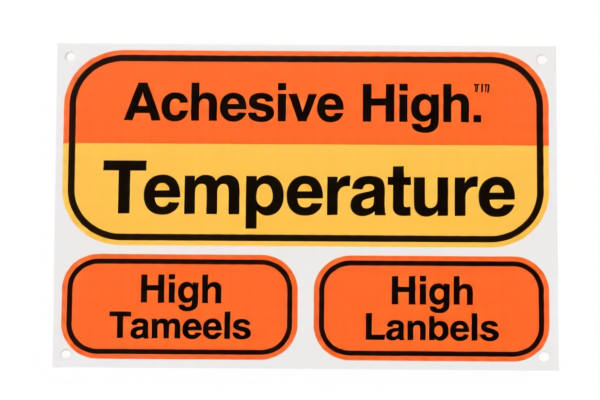
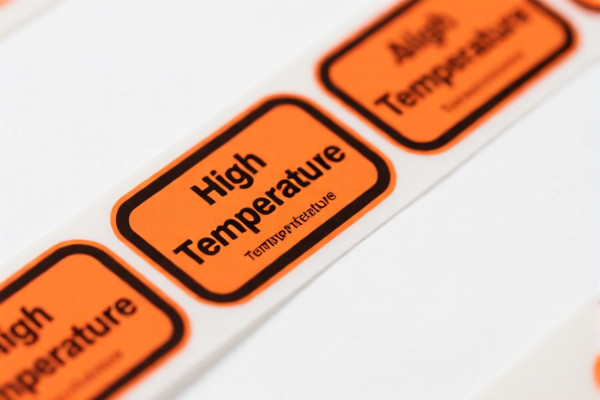
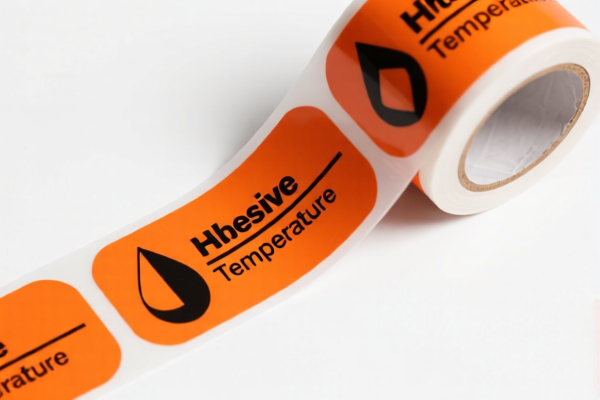
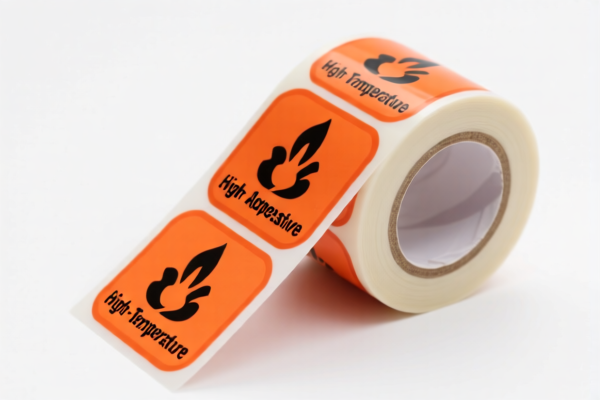
AI Analysis
🏷️ Self-Adhesive Low Temperature Label
🌐 HS Code Reference & Customs Clearance Guide | 2026 Latest Tariff Analysis | Professional Clearance Strategy
📌 I. Product Definition & Classification: What Exactly is a "Self-Adhesive Low Temperature Label"?
Low-temperature labels are specialized adhesive products designed to withstand extreme cold conditions (often down to -40°C or lower) without losing adhesion or becoming brittle. In international trade, their classification hinges on two critical factors: Material Composition and Function.
⚠️ Key Distinction Points:
- If the label is Paper-based (even with adhesive backing) → Classified under Chapter 48 (Paper/Paperboard).
- If the label is Plastic/Polymer-based (e.g., PP, PE, Vinyl) → Classified under Chapter 39 (Plastics/Plastic Articles).
- If it is a Self-Adhesive Sheet (rolls/sheets primarily defined by the adhesive nature rather than as a final "label" product) → May fall under 3919 (Self-adhesive plates/sheets).
📦 II. HS Code Classification Details (2026 Latest Tariff Authority Comparison)
| HS Code | Product Description | Matching Logic & Material Inference | Total Tax Rate (US/China) |
|---|---|---|---|
4821.10.20.00 |
Paper Labels, Self-Adhesive | Material: Paper. Function: Label. Logic: "Self-adhesive" is a common form for labels. No material conflict with paper labels. |
35.0% |
3926.90.99.89 |
Other Plastic Products, n.e.c. | Material: Plastic/Composite inferred. Form: "Other articles". Logic: Fits "Plastic and other materials" category; shape is "other articles" with no conflicting characteristics. |
22.8% |
3926.10.00.00 |
Plastic Articles for Office/School Supplies | Material: Plastic/Adhesive material inferred. Usage: Office/School supplies (Labels). Logic: Matches "Other plastic articles"; usage fits office/school supply labels. |
15.3% |
4821.90.20.00 |
Other Paper Labels/Markings | Material: Paper/Cardboard inferred. Feature: "Self-adhesive" matches "Self-adhesive" in classification. Logic: "Label" fits material/usage; "Material" reasonably inferred as paper/cardboard. |
35.0% |
3919.90.50.60 |
Self-Adhesive Plates, Sheets, Tape (Plastic) | Feature: "Self-adhesive" matches "Self-adhesive". Form: Sheets/Films. Logic: "Material" inferred as plastic (common for self-adhesive rolls); no conflict with "of plastics". |
40.8% |
🔍 Crucial Note:
- The term "Low Temperature" does not change the HS Code directly. It is a performance specification. The classification remains strictly dependent on the base material (Paper vs. Plastic).
- Customs Warning: Misdeclaring a plastic label as paper (or vice versa) can lead to significant duty discrepancies and penalties. Always verify the substrate material.
💰 III. 2026 Latest Tariff Rate Breakdown (Including Additional Duties & Policy Surcharges)
✅ Applicable Country: United States (US)
✅ Origin: China (CN)
✅ Effective Time: From November 10, 2025 (including subsequent imports)
🎯 1. 4821.10.20.00 & 4821.90.20.00 —— Paper-Based Self-Adhesive Labels
| Item | Content |
|---|---|
| Base Tariff | 0.0% (Ad Valorem) |
| Section 301 Tariff | +25.0% (Additional Duty) |
| Section 122 Tariff | +10.0% (Specific US Policy Duty) |
| Total Tax Rate | 35.0% |
| Tax Calculation | CIF Value × 35% |
| De Minimis Exemption | ❌ Not Eligible (High tariff base excludes low-value exemption in many contexts) |
| Legal Basis Path | Section 301: Footnote 9903.88.01 → Section 122: IEPA/USITC Specific Clause → USITC:4821.10.20.00 |
📌 Explanation:
- Base 0%: Paper labels have no standard MFN tariff.
- 25% Section 301: Applies to most Chinese-origin goods in Chapter 48.
- 10% Section 122: A specific surcharge applied to certain imports from China.
- Total 35%: This is a high-risk classification for cost calculation. Paper labels face the same heavy duties as many other Chinese goods.
🎯 2. 3926.90.99.89 —— Other Plastic Products (General Plastic Labels)
| Item | Content |
|---|---|
| Base Tariff | 5.3% |
| Section 301 Tariff | +7.5% (Reduced rate for specific subcategories) |
| Section 122 Tariff | +10.0% |
| Total Tax Rate | 22.8% |
| Tax Calculation | CIF Value × 22.8% |
| De Minimis Exemption | ❌ Not Eligible |
| Legal Basis Path | Section 301: Specific Footnote → Section 122 → USITC:3926.90.99.89 |
📌 Explanation:
- This classification applies to general plastic articles not specifically listed elsewhere.
- Lower Total Duty (22.8%) compared to paper labels (35%) or specific self-adhesive plastic sheets (40.8%).
- Suitable for mixed-material or general-purpose plastic labels.
🎯 3. 3926.10.00.00 —— Plastic Articles for Office/School Use
| Item | Content |
|---|---|
| Base Tariff | 5.3% |
| Section 301 Tariff | 0.0% (Exempt or Lower Rate) |
| Section 122 Tariff | +10.0% |
| Total Tax Rate | 15.3% |
| Tax Calculation | CIF Value × 15.3% |
| De Minimis Exemption | ❌ Not Eligible |
| Legal Basis Path | USITC:3926.10.00.00 → Section 122 |
📌 Explanation:
- Lowest Total Duty (15.3%) among the options.
- Requirement: Must clearly qualify as "Office or School Supplies."
- Strategy: If your low-temperature labels are marketed for labeling food containers in offices, schools, or retail environments, this is the most cost-effective classification. You must provide evidence of this usage.
🎯 4. 3919.90.50.60 —— Self-Adhesive Plastic Plates/Sheets
| Item | Content |
|---|---|
| Base Tariff | 5.8% |
| Section 301 Tariff | +25.0% |
| Section 122 Tariff | +10.0% |
| Total Tax Rate | 40.8% |
| Tax Calculation | CIF Value × 40.8% |
| De Minimis Exemption | ❌ Not Eligible |
| Legal Basis Path | Section 301 → Section 122 → USITC:3919.90.50.60 |
📌 Explanation:
- Highest Total Duty (40.8%).
- Risk: This classification is for "Self-Adhesive Sheets/Plates" (raw material form). If you are importing pre-cut labels, customs may reject this classification in favor of3926(Articles) or4821(Labels).
- Avoid unless importing bulk rolls of self-adhesive plastic film specifically for cutting.
🛠️ IV. Customs Clearance Practical Advice (Real-World Pitfall Guide)
✅ 1. Essential Documentation Checklist (No Exceptions)
| Document | Mandatory? | Purpose |
|---|---|---|
| ✅ Material Composition Sheet | ✔️ | Critical: Must state % of Paper vs. Plastic/PP/PE. Determines Chapter 48 vs. 39. |
| ✅ Temperature Test Report | ✔️ | Proves "Low Temperature" resistance (e.g., -20°C to -40°C). Supports technical description. |
| ✅ Product Photos (Cut & Roll) | ✔️ | Shows if it's pre-cut labels (Chapter 48/3926) or rolls (Chapter 3919). |
| ✅ Commercial Invoice | ✔️ | Clear description: "Self-Adhesive Low-Temperature Label, Paper/Plastic, For Cold Chain Logistics." |
| ✅ Bill of Lading/Air Waybill | ✔️ | Standard shipping docs. |
| ✅ Origin Certificate (CO) | ✔️ | Required for US import compliance. |
✅ 2. Declaration Strategy (Key Tips)
🔥 “Material First, Usage Second, Form Matters!”
| Scenario | Correct HS Code | Wrong Declaration | Consequence |
|---|---|---|---|
| Paper Base Label | 4821.10.20.00 or 4821.90.20.00 |
Declare as 3926 (Plastic) |
Over-declaring Plastic: May face scrutiny, but duty is 35% anyway. However, if misdeclared as non-China origin, severe penalty. |
| Plastic Base Label (Office Use) | 3926.10.00.00 |
Declare as 3919 (Sheets) |
High Duty Trap: Saves 25.5% duty if 3926.10 is approved. But requires strong evidence of "Office/School" use. |
| Bulk Roll of Plastic Film | 3919.90.50.60 |
Declare as 3926 (Articles) |
Under-declaring Duty: 40.8% vs 22.8%/15.3%. Risk of audit if cut labels are found inside. |
| Mixed Material (e.g., Paper Face + Plastic Liner) | 4821 or 3926 |
Vague "Label" | Customs Detention: Must specify dominant material. |
📌 Pro Tip:
- If using Plastic (PP/PE), argue for3926.10.00.00(15.3%) by emphasizing Office/School/Cold Chain Logistics use.
- If using Paper, accept the 35% duty (4821) as it is standard for paper labels.
- Avoid3919unless you are literally importing rolls of adhesive tape/film for further manufacturing.
✅ 3. Special Circumstances Handling
| Situation | Handling Advice |
|---|---|
| OEM Labels for Cold Chain Logistics | Provide client contract stating use in "Cold Chain" or "Logistics." This supports "Office/Industrial" usage under 3926.10 if plastic. |
| Pre-Cut vs. Rolls | Pre-cut labels strongly favor 4821 or 3926. Rolls favor 3919 or 3926.90. |
| Composite Materials | If >50% paper by weight/value, likely 4821. If plastic coating is dominant, consider 3926. |
| Small Sample Shipments | Even for de minimis values, the 10% Section 122 and 25% Section 301 often still apply or trigger detailed review. Do not assume exemption. |
🌍 V. Global Market Clearance Comparison (2026 Latest)
| Country/Region | Recommended HS Code (Plastic Label) | Tax Rate (China Origin) | Certification/Notes |
|---|---|---|---|
| 🇺🇸 USA | 3926.10.00.00 (If Office/Use) |
15.3% | Best for cost. Requires "Office/School" justification. |
| 🇺🇸 USA | 4821.10.20.00 (Paper) |
35.0% | Standard for paper. No reduction available. |
| 🇨🇳 China | 3926.90.99 or 4821 |
5-10% | Low import duty. No Section 122/301. |
| 🇪🇺 EU | 4821.10 or 3926.90 |
0-4% | Generally low tariffs. No major anti-dumping on labels. |
| 🇦🇺 Australia | 4821.10 or 3926.90 |
5% | Standard MFN rate. |
📌 Conclusion:
- USA is the most complex market due to Section 301 and 122 tariffs.
- Plastic labels classified as3926.10.00.00(15.3%) offer the best savings in the US.
- Paper labels (4821) are taxed heavily (35%) regardless of use.
📌 VI. Common Errors & Pitfall Guide (Lessons Learned)
❌ Error 1: Declaring all plastic labels as 3919 (Self-Adhesive Sheets)
👉 Consequence: Duty jumps to 40.8%. Customs may reject if items are pre-cut labels.
❌ Error 2: Declaring Paper Labels as 3926 (Plastic) to save duty
👉 Consequence: 35% duty applies to both, but risk of fraud penalty if material analysis proves paper.
❌ Error 3: Ignoring "Low Temperature" specification
👉 Consequence: Not a direct tariff impact, but if labels fail in cold chain, client claims damages. Ensure technical specs are clear to avoid disputes.
✅ Correct Declaration Example:
"Self-Adhesive Low-Temperature Label, Paper Base, Adhesive Backing, Pre-Cut, For Cold Storage Use, Model XYZ"
→ Likely HS:4821.10.20.00(35.0%)"Self-Adhesive Low-Temperature Label, PP Material, Plastic, Office/Laboratory Use, Rolls"
→ Likely HS:3926.10.00.00(15.3%) → Best Option for Plastic
🎯 VII. Conclusion: Professional Declaration, Cost Optimization!
🎯 Remember These Key Points:
🔹 "Paper = 35%, Plastic Office Use = 15.3%, Plastic Sheets = 40.8%!"
🔹 "Low Temperature is a Feature, Not a Class! Material is King!"
🔹 "Section 301 & 122 apply to ALL Chinese labels. Plan accordingly!"
📌 Pro Tip:
If you are importing plastic labels, aggressively pursue 3926.10.00.00 by providing documentation that highlights Office, Laboratory, or School usage. This can save you 20%+ in duties compared to paper or general plastic articles.
📣 Immediate Action:
📞 Consult with your customs broker to verify material composition.
📄 Prepare Material Safety Data Sheets (MSDS) and Usage Statements.
🚀 Optimize your supply chain to minimize the 35% vs 15.3% duty gap!
✨ Professional Clearance Starts with Precise Classification!
💼 Every Percent Saved is Profit Gained!
Customer Reviews
About HS Code Classification
The Harmonized System (HS) is an internationally standardized nomenclature developed by the World Customs Organization (WCO) to classify traded products. Over 200 countries use the HS system as the basis for customs tariffs, trade statistics, and import/export regulations.
Each HS code follows a hierarchical structure:
- Chapter (2 digits) — Broad category of goods (e.g., Chapter 84: Machinery and Mechanical Appliances)
- Heading (4 digits) — More specific grouping within the chapter
- Subheading (6 digits) — Internationally standardized breakdown, used by all WCO member countries
- National subdivisions (8-10 digits) — Country-specific extensions for further classification, such as US HTSUS 10-digit codes
Correct HS code classification is essential for smooth customs clearance, accurate duty payment, and compliance with trade regulations. Misclassification can lead to customs delays, overpayment of duties, or penalties.
When importing from CN to US, the applicable tariff rates may include:
- Most-Favored-Nation (MFN) rate — The standard duty rate applied to WTO members
- General rate — Applied to countries without trade agreements
- Trade remedy duties — Additional tariffs such as Section 301 (anti-dumping), Section 232 (national security), or countervailing duties
The information provided on this page is for reference purposes only. For official classification, please consult with your local customs authority or a licensed customs broker.