Shoe Covers (Eco friendly Biodegradable)
CN → US| HS Code | Tariff Rate | Origin | Destination | Doc |
|---|---|---|---|---|
| 4823908620 | 35.0% | CN | US | Official Doc |
| 4823908680 | 35.0% | CN | US | Official Doc |
| 6405902000 | 21.3% | CN | US | Official Doc |
| 6405909060 | 22.5% | CN | US | Official Doc |
| 3926204010 | 16.5% | CN | US | Official Doc |
| 3926201050 | 10.0% | CN | US | Official Doc |
Product Images
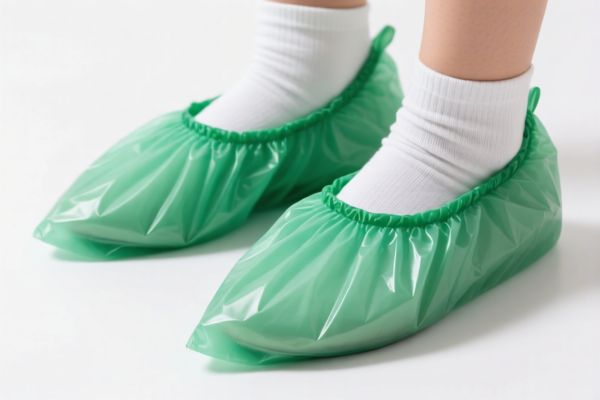
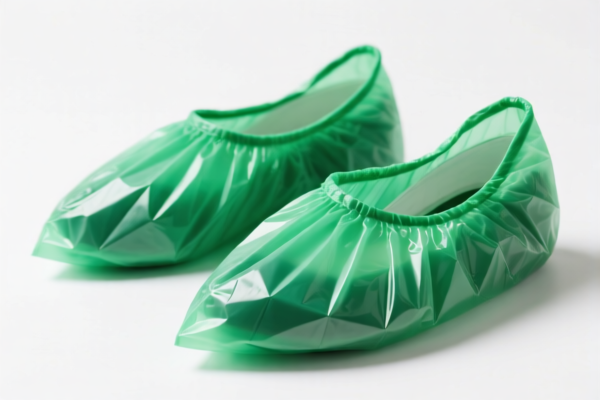
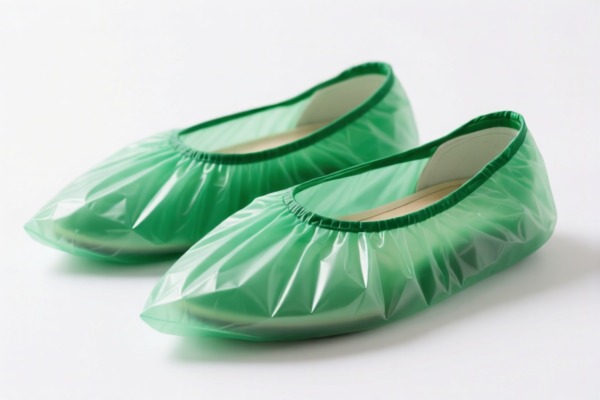
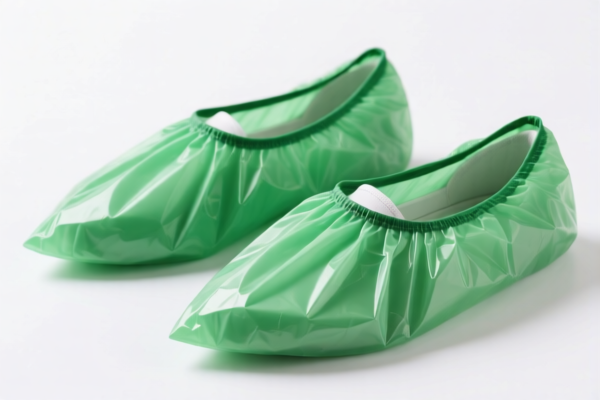
AI Analysis
🌿 Shoe Covers (Eco-Friendly Biodegradable) | The Ultimate Guide to Classification & Duty Mitigation
🌐 HS Code Reference & Customs Clearance Guide | 2026 Latest Tariff Analysis | Professional Clearance Strategy
📌 I. Product Definition & Classification: Are You Classifying "Footwear" or "Paper/Plastic Goods"?
"Shoe Covers" (Booties) are protective garments worn over shoes to prevent contamination, mud, or damage to floors. However, in international trade, material composition determines the HS Code, not just the function.
For Eco-Friendly Biodegradable shoe covers, the classification hinges on two primary materials: 1. Paper/Celulose-based: Regarded as "Articles of Paper" (Chapter 48). 2. Plastic/Polymer-based: Regarded as "Articles of Plastics" (Chapter 39).
⚠️ Critical Distinction:
- If the shoe cover is disposable, designed for one-time use, and made of rubber/leather/plastic suitable for footwear -> Chapter 64 (Footwear).
- If it is a protective sleeve/cover (not a standalone shoe) made of paper -> Chapter 48 (Paper).
- If it is a protective sleeve/cover made of plastic -> Chapter 39 (Plastics).
📦 II. HS Code Classification Details (2026 Latest Tariff Authority Match)
Based on the provided data, here are the 6 precise HS Codes applicable to Shoe Covers and related items. Note that Tax Rates vary drastically depending on the material and specific type.
| HS Code | Product Description | Material/Type | Applicable Tax (China Origin to US) | Key Characteristic |
|---|---|---|---|---|
6405.90.20.00 |
Other footwear: Other: Disposable footwear, designed for one-time use | Rubber/Plastic | 0.0% | Classified as Footwear. Must be a "shoe" shape, not just a sleeve. |
6405.90.90.60 |
Other footwear: Other: Other Other | Rubber/Plastic | 0.0% | Classified as Footwear. Non-disposable or general other footwear. |
4823.90.86.20 |
Other paper articles: Other: Other: Other: Other Shoe covers (booties) | Paper/Celulose | 25.0% | Specifically named "Shoe covers". High tariff due to Section 301. |
4823.90.86.80 |
Other paper articles: Other: Other: Other: Other: Other Other | Paper/Celulose | 25.0% | Generic paper articles. If not explicitly "shoe covers," use this. |
3926.20.40.10 |
Articles of apparel/accessories: Gloves/Mitts: Other: Other Disposable | Plastic | 6.5% | Classified as Disposable Gloves/Mitts (often used for plastic shoe covers). |
3926.20.10.50 |
Articles of apparel/accessories: Gloves/Mitts: Seamless Other: Other | Plastic | 0.0% | Non-disposable plastic gloves. Rarely used for shoe covers. |
🔍 Key Insight:
- Paper Shoe Covers (4823.90.86.20): Explicitly listed in the description but carry a 25% tariff.
- Plastic Shoe Covers: Often misclassified. If they resemble disposable gloves in structure (thin, seamless, disposable), they may fall under3926.20.40.10(6.5%) or6405.90.20.00(0%) if designed as footwear.
- Footwear vs. Cover: If the item is shaped like a shoe and worn like a shoe (6405.90.20.00), it enjoys 0% tax. If it is a loose sleeve (4823...), it faces 25% tax.
💰 III. 2026 Latest Tariff Rate Breakdown (Detailed Tax Clauses)
✅ Applicable Country: United States (US)
✅ Origin: China (CN)
✅ Effective Time: Current Rates (Section 301 & IEEPA apply)
🎯 1. 6405.90.20.00 & 6405.90.90.60 — The Zero-Tariff Advantage (Footwear Category)
| Item | Detail |
|---|---|
| Base Tariff | 0.0% |
| Added Tariff (Section 301) | 0.0% |
| Total Tax | 0.0% |
| Tax Detail | "Base Tariff: 0.0%, Added Tariff: 0.0%" |
📌 Interpretation:
- These codes fall under Chapter 64 (Footwear).
- Why 0%? Disposable footwear designed for one-time use is currently exempt from Section 301 tariffs.
- Strategy: If your "eco-friendly" shoe cover can be technically described as a disposable footwear item (e.g., has a sole, is shaped like a shoe, is worn as footwear), classify here to save 25%.
- Risk: Customs may reject this if the item lacks a sole or is clearly a "sleeve" rather than a "shoe."
🎯 2. 4823.90.86.20 — Paper Shoe Covers (Explicit Listing)
| Item | Detail |
|---|---|
| Base Tariff | 0.0% |
| Added Tariff (Section 301) | 25.0% |
| Total Tax | 25.0% |
| Tax Detail | "Base Tariff: 0.0%, Added Tariff: 25.0%" |
| Legal Path | Chapter 48 -> 4823 -> 4823.90 -> 4823.90.86 -> 4823.90.86.20 |
📌 Interpretation:
- This is the most accurate code for paper-based shoe covers.
- The description explicitly says "Shoe covers (booties)".
- Why 25%? It is subject to Section 301 tariffs on Chinese paper products.
- Warning: Do not assume "eco-friendly" grants tax exemption. It does not.
🎯 3. 4823.90.86.80 — Generic Paper Articles
| Item | Detail |
|---|---|
| Base Tariff | 0.0% |
| Added Tariff (Section 301) | 25.0% |
| Total Tax | 25.0% |
| Tax Detail | "Base Tariff: 0.0%, Added Tariff: 25.0%" |
📌 Interpretation:
- Use only if the product is made of paper but cannot be definitively classified as "shoe covers" under4823.90.86.20.
- Same high tariff rate as above.
🎯 4. 3926.20.40.10 — Disposable Plastic Covers (Glove Category)
| Item | Detail |
|---|---|
| Base Tariff | 6.5% |
| Added Tariff (Section 301) | 0.0% |
| Total Tax | 6.5% |
| Tax Detail | "Base Tariff: 6.5%, Added Tariff: 0.0%" |
📌 Interpretation:
- If the shoe cover is made of plastic and resembles a glove/mitten (e.g., pull-over style, no separate sole), it may be classified under Plastic Gloves/Mitts.
- Advantage: 6.5% is significantly lower than the 25% for paper covers.
- Condition: Must be Disposable and fit the description of "Gloves, mittens and mitts... Other Disposable."
🎯 5. 3926.20.10.50 — Non-Disposable Plastic Gloves
| Item | Detail |
|---|---|
| Base Tariff | 0.0% |
| Added Tariff (Section 301) | 0.0% |
| Total Tax | 0.0% |
| Tax Detail | "Base Tariff: 0.0%, Added Tariff: 0.0%" |
📌 Interpretation:
- For Seamless Non-Disposable plastic gloves.
- Rarely applicable to disposable shoe covers.
- Strategy: Only use if your "eco-friendly" cover is reusable, seamless, and designed as a garment accessory, not footwear.
🛠️ IV. Customs Clearance Practical Advice (Avoid Pitfalls)
✅ 1. Material Declaration is Key
| Material | Recommended HS Code | Tax Rate | Clearance Tip |
|---|---|---|---|
| Paper/Biodegradable Cellulose | 4823.90.86.20 |
25% | Clearly state "Paper-based Shoe Covers." Provide material breakdown. |
| Plastic (Disposable) | 3926.20.40.10 |
6.5% | Describe as "Disposable Plastic Overshoes/Gloves." Highlight disposable nature. |
| Rubber/Plastic (Footwear Shape) | 6405.90.20.00 |
0% | Describe as "Disposable Footwear." Ensure product has a sole-like structure. |
✅ 2. Documentation Checklist
| Document | Required? | Purpose |
|---|---|---|
| ✅ Product Specification Sheet | ✔️ | Detail material composition (e.g., "50% Biodegradable PLA," "100% Paper"). |
| ✅ Photos (Front/Side/Inside) | ✔️ | Show if it has a sole (footwear) or is a sleeve (cover). |
| ✅ Commercial Invoice | ✔️ | Use precise English descriptions matching HS Code definitions. |
| ✅ Bill of Lading | ✔️ | Ensure packaging type matches declared goods. |
✅ 3. Strategic Classification Advice
🔥 "Shape Defines Code, Material Defines Tax!"
| Scenario | Best HS Code | Reason |
|---|---|---|
| Paper Booties (Loose sleeve) | 4823.90.86.20 |
Explicitly listed as "Shoe covers." |
| Plastic Pull-Over Covers | 3926.20.40.10 |
Often classified as disposable gloves to reduce tax to 6.5%. |
| Shoe-Shaped Disposable Covers | 6405.90.20.00 |
If it looks/acts like a shoe, it may qualify as footwear (0% tax). |
| Biodegradable Plastic | 3926.20.40.10 |
"Biodegradable" does not change HS code, but may help if classified as plastic. |
✅ 4. Common Mistakes to Avoid
❌ Mistake 1: Classifying Paper Shoe Covers as Footwear (6405...) to avoid 25% tax.
👉 Consequence: Customs will reject if the item has no sole or is clearly a paper sleeve. Back taxes + Penalties!
❌ Mistake 2: Using Generic "Shoe Covers" in description.
👉 Consequence: Ambiguity leads to delays. Specify Material: "Paper," "Plastic," "Biodegradable."
❌ Mistake 3: Ignoring Biodegradable Claims.
👉 Advice: While "eco-friendly" is good for marketing, it does not reduce US Tariffs. Do not expect tax breaks based on sustainability alone.
🌍 V. Global Market Comparison (2026)
| Market | Recommended HS Code | Tax Rate (China) | Notes |
|---|---|---|---|
| 🇺🇸 USA | 4823.90.86.20 (Paper) |
25.0% | High tariff. Consider plastic alternative (3926.20.40.10 at 6.5%) if material allows. |
| 🇺🇸 USA | 6405.90.20.00 (Footwear) |
0.0% | If product can be argued as "footwear," this is the cheapest option. |
| 🇪🇺 EU | Varies | Varies | EU often has lower tariffs on paper/plastic goods. Check local duty rates. |
| 🇨🇳 China | Varies | Varies | Import taxes may differ. Focus on US export compliance. |
📌 Conclusion:
- USA is the most challenging market for paper shoe covers due to the 25% Section 301 tariff.
- Plastic disposable covers (3926.20.40.10) offer a 6.5% alternative.
- Footwear-style covers (6405.90.20.00) offer 0% but require strict product design compliance.
📌 VI. Final Recommendation & Action Plan
🎯 For "Eco-Friendly Biodegradable Shoe Covers":
-
Analyze Product Structure:
- Does it have a sole? → Try
6405.90.20.00(0%). - Is it a loose paper sleeve? → Must use
4823.90.86.20(25%). - Is it a plastic pull-over? → Try
3926.20.40.10(6.5%).
- Does it have a sole? → Try
-
Document Precisely:
> "Disposable Biodegradable Paper Shoe Covers, No Sole, For One-Time Use, Material: 100% Cellulose" -
Apply for Pre-Ruling (If High Value):
- If uncertain, submit a Binding Tariff Information (BTI) request or US CBP Pre-Ruling to confirm if your "eco-friendly" cover can be classified as footwear or plastic gloves to save up to 25% in duties.
-
Consider Material Shift:
- If 25% tariff is prohibitive, consider switching to biodegradable plastic classified under
3926.20.40.10(6.5%) or redesigning as footwear (0%) to remain competitive.
- If 25% tariff is prohibitive, consider switching to biodegradable plastic classified under
📣 Immediate Action:
📞 Consult a licensed customs broker to review your product samples.
📄 Prepare material composition reports and clear product images.
🚀 Optimize your HS Code to save thousands in duties!
✨ Smart Classification = Higher Margins
💼 Don't let 25% tariffs eat your profits. Classify wisely!
Customer Reviews
About HS Code Classification
The Harmonized System (HS) is an internationally standardized nomenclature developed by the World Customs Organization (WCO) to classify traded products. Over 200 countries use the HS system as the basis for customs tariffs, trade statistics, and import/export regulations.
Each HS code follows a hierarchical structure:
- Chapter (2 digits) — Broad category of goods (e.g., Chapter 84: Machinery and Mechanical Appliances)
- Heading (4 digits) — More specific grouping within the chapter
- Subheading (6 digits) — Internationally standardized breakdown, used by all WCO member countries
- National subdivisions (8-10 digits) — Country-specific extensions for further classification, such as US HTSUS 10-digit codes
Correct HS code classification is essential for smooth customs clearance, accurate duty payment, and compliance with trade regulations. Misclassification can lead to customs delays, overpayment of duties, or penalties.
When importing from CN to US, the applicable tariff rates may include:
- Most-Favored-Nation (MFN) rate — The standard duty rate applied to WTO members
- General rate — Applied to countries without trade agreements
- Trade remedy duties — Additional tariffs such as Section 301 (anti-dumping), Section 232 (national security), or countervailing duties
The information provided on this page is for reference purposes only. For official classification, please consult with your local customs authority or a licensed customs broker.