Shoe Covers (Non woven Thickened)
CN → US| HS Code | Tariff Rate | Origin | Destination | Doc |
|---|---|---|---|---|
| 6405902000 | 21.3% | CN | US | Official Doc |
| 6307909884 | 24.5% | CN | US | Official Doc |
| 6307909891 | 24.5% | CN | US | Official Doc |
Product Images
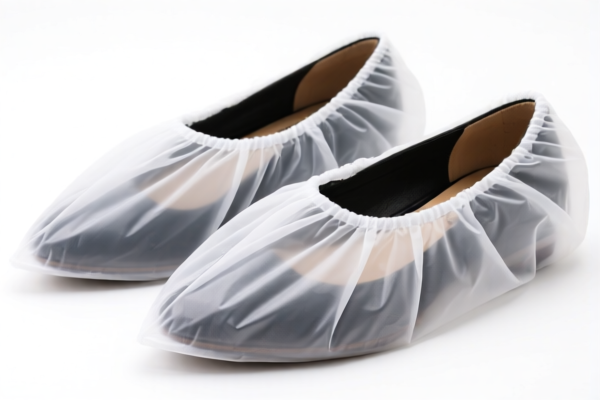
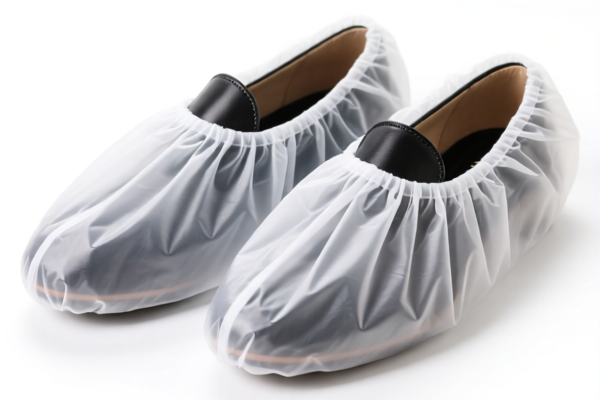
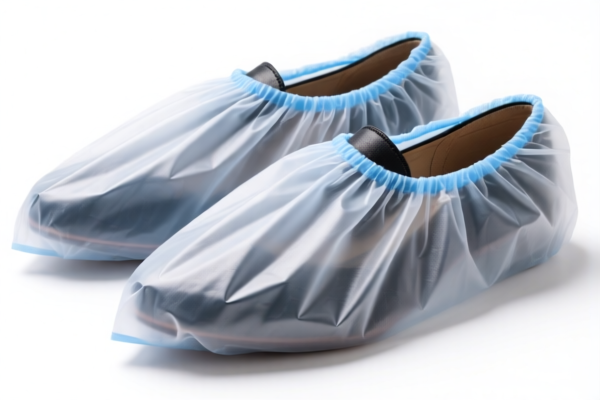
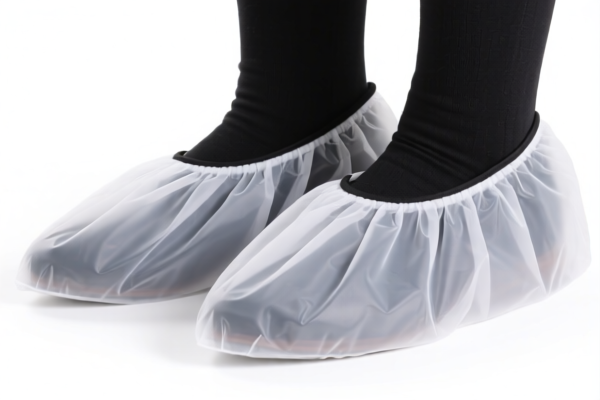
AI Analysis
👟 Shoe Covers (Non-woven Thickened)
🌐 HS Code Reference & Customs Clearance Guide | 2026 Latest Tariff Analysis | Professional Compliance Strategy
📌 I. Product Definition & Classification: Do You Really Understand "Shoe Covers"?
Non-woven Thickened Shoe Covers are protective coverings designed to be worn over shoes to prevent contamination, protect floors, or provide temporary hygiene barriers. They are typically made from polypropylene (PP) non-woven fabric.
In international trade, they are often confused with "Disposable Footwear" or "Textile House Slippers." The key distinction lies in their material composition, durability, and intended use:
1. Disposable Footwear (Plastic/Non-woven for one-time use)
- Designed strictly for one-time use.
- Often made from non-woven materials that are thin, but if classified as "footwear" under Chapter 64, specific subheadings apply.
- Key Indicator: If it is strictly a cover that does not mimic a shoe's structure (sole, heel, distinct upper/lower separation like a slipper), it may fall under general textile or other articles. However, many customs authorities classify simple non-woven shoe covers as "Other footwear: Disposable footwear" if they are structured enough to be considered footwear accessories.
2. Textile House Slippers
- If the product has a distinct sole, upper, and resembles a slipper, even if lightweight, it may be classified as Textile House Slippers.
- Key Indicator: Presence of a separate sole material and structure resembling a slipper.
3. General Textile/Other Articles
- If the product is merely a sleeve-like cover without sole structure, it might fall under 6307 (Other made up articles) or 6405 (Other footwear) depending on strict national interpretations.
⚠️ Critical Distinction:
- If it is a simple sleeve covering the shoe, often with elastic or tape, and no distinct sole, customs often look to 6405.90.20.00 (Disposable Footwear) if deemed "footwear," OR 6307.90.98.xxxx if deemed a "made-up article."
- Note: The provided DATA includes specific codes for "Disposable Footwear" (6405.90.20.00) and "Other House Slippers" (6405.20.90.15). We must determine which fits "Non-woven Thickened Shoe Covers" best. Typically, simple non-woven covers without a proper sole are often classified as 6405.90.20.00 (Disposable Footwear) in many trade contexts because they are worn on feet. However, if they are purely textile sleeves, 6307 is possible.
- Based on the provided DATA, we will analyze the two most relevant HS Codes from the list:
1. 6405.90.20.00: Other footwear: Other: Disposable footwear
2. 6405.20.90.15: Other footwear: With uppers of textile materials: Other House slippers
3. 6307.90.98.84/91: Other made up articles (Less likely if considered footwear, but possible if interpreted as textile accessories).
Let's stick to the most common classification for Non-woven Shoe Covers: They are often treated as Disposable Footwear (6405.90.20.00) if they have any foot-enclosing structure, or House Slippers (6405.20.90.15) if they resemble slippers. Given "Shoe Covers" are often thin and disposable, 6405.90.20.00 is a strong candidate. However, if they are purely textile with no sole, 6307 is an alternative.
Let's analyze the provided DATA specifically:
📦 II. HS Code Classification Details (2026 Latest Tariff Authority Cross-Reference)
| HS Code | Product Description | Applicability | Material/Structure | Tax Rate |
|---|---|---|---|---|
6405.90.20.00 |
Disposable Footwear (Other footwear) | Simple non-woven shoe covers, plastic booties, designed for one-time use. | Non-woven, plastic, or similar disposable materials. No durable sole. | 11.3% |
6405.20.90.15 |
Other House Slippers (Textile upper) | Non-woven shoe covers that resemble slippers with a textile upper and possibly a simple sole. | Textile materials (non-woven), structured like a slipper. | 0.0% |
6307.90.98.84 |
Other Made-up Articles (Towels of man-made fibers) | Unlikely. Usually for towels. Listed in data but not typical for shoe covers. | Man-made fibers. | 14.5% |
6307.90.98.91 |
Other Made-up Articles (Other) | Alternative. If customs reject "footwear" classification and view it as a general textile accessory. | Any textile/material. | 14.5% |
3926.20.40.10 |
Disposable Gloves (Plastic) | Incorrect. For gloves, not footwear. | Plastic. | 6.5% |
3926.20.10.50 |
Seamless Gloves (Plastic) | Incorrect. For gloves. | Plastic. | 0.0% |
🔍 Key Insight:
-6405.90.20.00is the most likely classification for standard non-woven shoe covers because they are "footwear" designed for "one-time use."
-6405.20.90.15applies if the cover has a slipper-like structure (distinct upper and sole).
-6307.90.98.84/91is a fallback if deemed a "textile accessory" rather than footwear, but carries a higher tax (14.5%).
-3926.20.xxxxis incorrect for shoe covers (it is for gloves).
💰 III. 2026 Latest Tariff Rate Breakdown (Including Surcharges, Policy Add-ons)
✅ Applicable Country: United States (US)
✅ Origin: China (CN)
✅ Effective Date: From November 10, 2025 (including subsequent imports)
🎯 1. 6405.90.20.00 —— Disposable Footwear (Most Likely for Standard Shoe Covers)
| Item | Content |
|---|---|
| Base Tariff | 3.8% (ad valorem) |
| USITC Surtax (Section 301) | +7.5% (Standard surtax for Chapter 64 items under certain conditions) |
| IEEPA Surtax | 0.0% (Note: Data shows 0% for this specific code in the provided list, unlike electronics) |
| Total Tariff Rate | 11.3% |
| Tax Calculation | CIF Value × 11.3% |
| De Minimis Eligibility | ❌ No (Deny de minimis for China-origin goods under Section 301 if value > $800, but note: Section 321 de minimis is suspended for Chinese goods from certain origins or under specific conditions. Check current enforcement: Often, shoe covers may still face scrutiny.) |
| Legal Basis Path | USITC:6405.90.20.00 → FOOTNOTE:301 → IEEPA:9903.01.24 |
📌 Explanation:
- Base Rate 3.8%: Standard MFN rate for "Other footwear."
- Surtax 7.5%: Added under USTR Section 301 list for specific Chinese goods.
- Total 11.3%: This is a moderate tariff. Lower than electronics (45%) but higher than some agricultural products.
- Note on De Minimis: While many low-value items enjoy $800 de minimis, Chinese-origin goods are increasingly subject to stricter enforcement or exclusions. Assume full duty applies for safety.
🎯 2. 6405.20.90.15 —— Other House Slippers (Textile Upper)
| Item | Content |
|---|---|
| Base Tariff | 0.0% |
| USITC Surtax | 0.0% |
| IEEPA Surtax | 0.0% |
| Total Tariff Rate | 0.0% |
| Tax Calculation | $0 |
| De Minimis Eligibility | ✅ Yes (Likely eligible due to 0% duty, but verify current enforcement on Chinese textiles) |
| Legal Basis Path | USITC:6405.20.90.15 |
📌 Explanation:
- If your "thickened non-woven" covers are structured like slippers (with a sole and upper), they qualify for 0% duty.
- This is the most cost-effective classification if applicable.
- Key Condition: Must resemble a house slipper (textile upper, flexible sole).
🎯 3. 6307.90.98.84/91 —— Other Made-up Articles (Fallback)
| Item | Content |
|---|---|
| Base Tariff | 7.0% |
| USITC Surtax | 7.5% |
| IEEPA Surtax | 0.0% |
| Total Tariff Rate | 14.5% |
| Tax Calculation | CIF Value × 14.5% |
| De Minimis Eligibility | ❌ No (Due to surtax) |
| Legal Basis Path | USITC:6307.90.98.84 → FOOTNOTE:301 |
📌 Explanation:
- If customs reject the "footwear" classification and view shoe covers as general textile articles, this higher rate applies.
- Avoid this classification if6405is applicable.
🛠️ IV. Customs Clearance Practical Advice (Combat Pitfalls Guide)
✅ 1. Required Document Checklist (Must-Haves)
| Document | Required | Explanation |
|---|---|---|
| ✅ Product Specification Sheet | ✔️ | Detail material (Non-woven PP), thickness, type (disposable vs. reusable), dimensions. |
| ✅ Product Photos | ✔️ | Show the cover on a foot, elastic/tape closure, and sole (if any). Prove it's a foot covering. |
| ✅ Commercial Invoice | ✔️ | Clearly state: "Non-woven Disposable Shoe Covers" or "Textile House Slippers (Non-woven)". Avoid vague terms like "Protective Gear." |
| ✅ Certificate of Origin (CO) | ✔️ | Required for origin determination. |
| ✅ Packing List | ✔️ | Number of pairs/carton. |
| ✅ Structure Diagram | ✔️ | If claiming 6405.20.90.15, show slipper-like structure. If 6405.90.20.00, show disposable sleeve-like structure. |
✅ 2. Declaration Strategy (Key Mantra)
🔥 "Structure Determines Code: Slipper = 0%, Disposable = 11.3%, General Article = 14.5%!"
| Scenario | Correct Declaration | Wrong Declaration | Result |
|---|---|---|---|
| Simple Elastic Band Cover | 6405.90.20.00 |
"Shoe Cover" (Vague) | 11.3% Duty |
| Slipper-style Non-woven | 6405.20.90.15 |
"Shoe Cover" | 0.0% Duty (If structure proven) |
| Generic Textile Sleeve | 6307.90.98.91 |
"Shoe Cover" | 14.5% Duty |
| Plastic Booties | 6405.90.20.00 |
"Plastic Gloves" (3926) |
6.5% (But misclassified!) |
📌 Critical Tip:
- If you declare as6405.20.90.15(0%), ensure the product has a distinct sole and upper. Simple non-woven sleeves with no sole are not slippers.
- If you declare as6405.90.20.00(11.3%), it is safer for most disposable non-woven covers.
- Do NOT use3926(Gloves) as it is incorrect and may raise red flags for misclassification.
✅ 3. Special Case Handling
| Situation | Handling Advice |
|---|---|
| "Thickened" Non-woven | If thickened but still disposable, stick with 6405.90.20.00. If it becomes a reusable slipper, consider 6405.20.90.15 or even 6402 (Rubber/Plastic) if sole is different. |
| Packaged in Boxes | Declare as "Pairs of Shoe Covers." Do not declare as "Rolls" unless they are uncut rolls. |
| Mixed Materials | If sole is plastic and upper is non-woven, still likely 6405.90.20.00 (Disposable). |
| Medical Use | If for hospital use, still 6405.90.20.00. No special exemption unless specifically certified as medical device (rare for shoe covers). |
🌍 V. Global Market Comparison (2026 Latest)
| Country/Region | Recommended HS Code | Tariff | Certification | Notes |
|---|---|---|---|---|
| 🇺🇸 USA | 6405.90.20.00 |
11.3% | None specific | Most common for disposable covers. |
| 🇺🇸 USA | 6405.20.90.15 |
0.0% | None | Only if slipper-structured. |
| 🇨🇳 China | 6405.90.20.00 |
5-10% | None | Import duty may differ. |
| 🇪🇺 EU | 6405.90.20.00 |
5-10% | CE (if medical) | VAT applies separately. |
| 🇬🇧 UK | 6405.90.20.00 |
5-10% | UKCA | Post-Brexit rules apply. |
📌 Conclusion:
- USA is the primary market with significant tariffs (11.3% vs 0% or 14.5%).
- Optimize Classification: If your "thickened" covers can be structurally defined as slippers (with a sole), aim for6405.20.90.15(0%) to save 11.3%.
- If not,6405.90.20.00(11.3%) is the safe, standard classification.
- Avoid6307(14.5%) unless explicitly required by customs, as it is higher.
📌 VI. Common Errors & Pitfalls (Blood & Tears Lessons)
❌ Error 1: Declaring as "Plastic Gloves" (3926)
👉 Consequence: Misclassification. Even if tax is lower (6.5%), customs may penalize for wrong HS Code. Shoe covers are footwear, not handwear.
❌ Error 2: Declaring as "House Slippers" (6405.20.90.15) for simple sleeve covers
👉 Consequence: Customs will reject the 0% rate because it lacks slipper structure. You will face back taxes + penalties for the difference (11.3%).
❌ Error 3: Using vague terms like "Protective Gear" or "Cleaning Accessories"
👉 Consequence: Customs will assign a default code (often 6307 or 6405.90.80), potentially leading to 14.5% or higher duties.
❌ Error 4: Ignoring "Disposable" Nature
👉 Consequence: If not marked "Disposable," customs may classify as "Reusable Footwear," which has different, often higher, rates.
✅ Correct Declaration Example:
"Non-woven Polypropylene Disposable Shoe Covers, Elastic Closure, For One-Time Use, White, 100 Pairs/Box"
HS Code:6405.90.20.00
Origin: China
🎯 VII. Conclusion: Professional Declaration Saves Money!
🎯 Remember the Mantra:
🔹 "Slipper Structure = 0%, Disposable Sleeve = 11.3%, Textile Accessory = 14.5%!"
🔹 "HS Code Saves Cash, Misclassification Costs Time and Money!"
📌 Tips:
- If your product has a distinct sole and upper, push for 6405.20.90.15 (0%).
- If it is a simple sleeve, accept 6405.90.20.00 (11.3%) as the standard.
- Request a Binding Tariff Information (BTI) or Advance Ruling from US CBP if unsure, especially for large shipments.
📣 Immediate Action:
📞 Consult Customs Broker + Provide Product Photos + Confirm Structure (Sole vs. Sleeve)
🚀 Let Your Shoe Covers Clear Smoothly, Maximize Profit, and Avoid Delays!
✨ Professional Clearance Starts with Accurate Classification!
💼 Every Percent Counts in Tariffs!
Customer Reviews
About HS Code Classification
The Harmonized System (HS) is an internationally standardized nomenclature developed by the World Customs Organization (WCO) to classify traded products. Over 200 countries use the HS system as the basis for customs tariffs, trade statistics, and import/export regulations.
Each HS code follows a hierarchical structure:
- Chapter (2 digits) — Broad category of goods (e.g., Chapter 84: Machinery and Mechanical Appliances)
- Heading (4 digits) — More specific grouping within the chapter
- Subheading (6 digits) — Internationally standardized breakdown, used by all WCO member countries
- National subdivisions (8-10 digits) — Country-specific extensions for further classification, such as US HTSUS 10-digit codes
Correct HS code classification is essential for smooth customs clearance, accurate duty payment, and compliance with trade regulations. Misclassification can lead to customs delays, overpayment of duties, or penalties.
When importing from CN to US, the applicable tariff rates may include:
- Most-Favored-Nation (MFN) rate — The standard duty rate applied to WTO members
- General rate — Applied to countries without trade agreements
- Trade remedy duties — Additional tariffs such as Section 301 (anti-dumping), Section 232 (national security), or countervailing duties
The information provided on this page is for reference purposes only. For official classification, please consult with your local customs authority or a licensed customs broker.