Silk Fabric Handbags (Eco friendly)
CN → US| HS Code | Tariff Rate | Origin | Destination | Doc |
|---|---|---|---|---|
| 5007906090 | 38.9% | CN | US | Official Doc |
| 4202227000 | 42.0% | CN | US | Official Doc |
| 4202224010 | 42.4% | CN | US | Official Doc |
| 4202227000 | 42.0% | CN | US | Official Doc |
Product Images
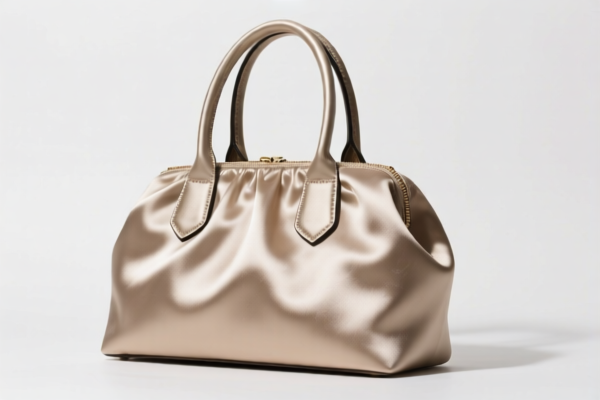
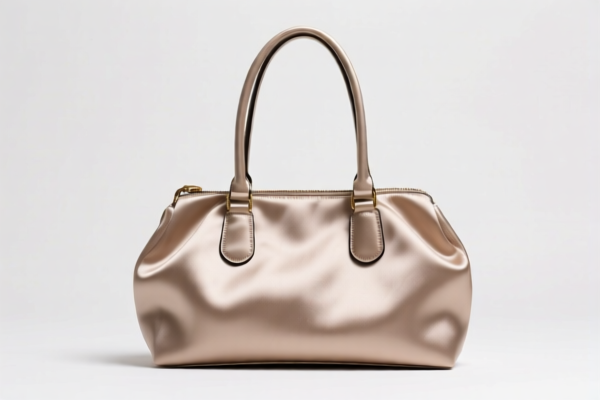
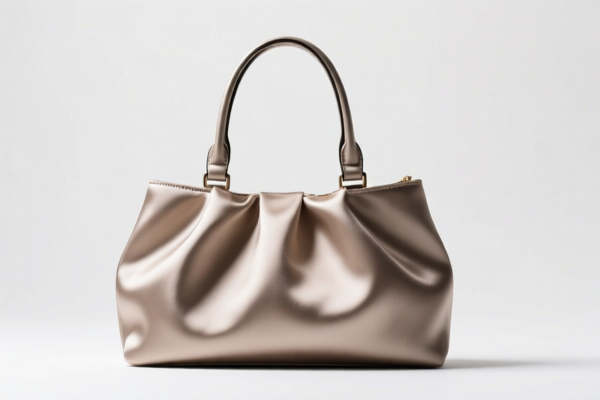
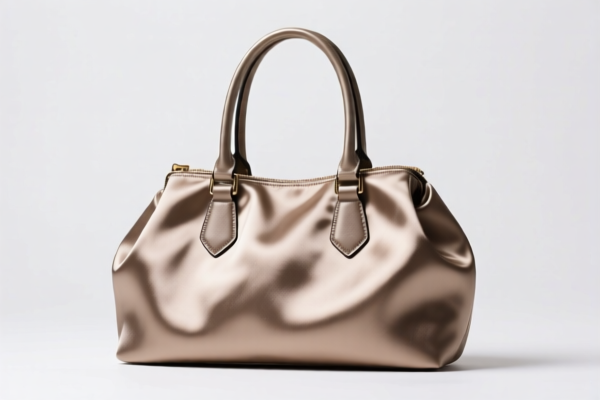
AI Analysis
👜 Silk Fabric Handbags (Eco-Friendly)
🌐 HS Code Reference & Customs Clearance Guide | 2026 Latest Tariff Analysis | Professional Entry Strategy 📌 1. Product Definition & Classification: Do You Really Understand "Silk Handbags"?
Silk fabric handbags are luxury accessories made primarily from silk textiles. In international trade, classification hinges on two core attributes: * Form Factor: Handbags (purses, shoulder bags, clutches). * Material Composition: The upper surface or main body is made of textile materials, specifically containing silk.
⚠️ Key Distinction: * If the bag is considered a "textile article" rather than a leather/compounding material item → Classify under Chapter 42 (Articles of leather; articles of travel goods). * If the classification focuses strictly on the "fabric" nature for specific duty exemptions → Potential reference to Chapter 50 (Silk), though 4202 is the standard for finished handbags. * Note: US Customs typically classifies finished handbags under Heading 4202, not as raw fabric (5007). However, some analysts may argue based on material substance (5007) if the "bag" is essentially a pouch without structured form.
📦 2. HS Code Classification Details (2026 Latest Tariff Authority Comparison)
| HS Code | Product Description | Applicability Scenario | Material/Form Match |
|---|---|---|---|
5007.90.60.90 |
Woven fabrics of silk... other woven fabrics (interpreted here as "Matching Material Silk") | Rarely used for finished bags; used if classified as "textile material" due to silk content | ✅ Silk Material ❌ Form: Fabric (Not typical for bags) |
4202.22.70.00 |
Handbags with outer surface of textile materials, containing >85% silk | Standard classification for high-silk content handbags | ✅ Handbag Form ✅ >85% Silk |
4202.22.40.10 |
Handbags with outer surface of textile materials, containing silk components | Classification for handbags where silk is a component but may not meet >85% threshold or specific sub-heading | ✅ Handbag Form ✅ Silk Component |
4202.22.70.00 |
Handbags with outer surface of textile materials, silk characteristics | General silk handbag classification | ✅ Handbag Form ✅ Silk Features |
4202.22.40.10 |
Handbags, textile material, silk component requirement fully met | High-compliance classification for silk-textile bags | ✅ Handbag Form ✅ Full Silk/Textile Match |
🔍 Critical Reminder: * Chapter 42 (Handbags) is the standard for finished goods. Chapter 50 is typically for raw/woven fabrics. Using
5007for a finished bag is risky and may be rejected unless the bag lacks structural form (e.g., a simple drawstring pouch). * Silk Threshold: Subheadings4202.22.70and4202.22.40depend on the exact percentage and definition of "silk" in the outer surface.70often implies higher purity or specific textile standards, while40is broader.
💰 3. 2026 Latest Tariff Rate Breakdown (Including Surtaxes & Policy Add-ons)
✅ Applicable Country: USA (US)
✅ Origin: China (CN)
✅ Effective Date: 2025-11-10 onwards (including subsequent imports)
🎯 1. 5007.90.60.90 —— Woven Silk Fabrics (Interpretation: Material-Based Classification)
| Item | Content |
|---|---|
| Base Tariff | 3.9% (ad valorem) |
| USITC Surtax | +25.0% (Section 301) |
| 122 Clause Tariff | +10.0% (Specific Trade Measure) |
| Total Tax Rate | 38.9% |
| Tax Calculation | CIF Value × 38.9% |
| De Minimis Eligibility | ❌ No (deny_de_minimis) |
| Legal Basis Path | USITC:5007.90.60.90 → Section 301: 25% → Clause 122: 10% |
📌 Explanation:
This rate applies if customs accepts the item as a "silk fabric" rather than a handbag. * Risk:* If classified as5007, it implies the item is not a "handbag" in the legal sense, which may contradict the physical reality. Use only if the bag is essentially a fabric pouch.
🎯 2. 4202.22.70.00 —— Handbags, Textile Surface, >85% Silk
| Item | Content |
|---|---|
| Base Tariff | 7.0% (ad valorem) |
| USITC Surtax | +25.0% (Section 301) |
| 122 Clause Tariff | +10.0% (Specific Trade Measure) |
| Total Tax Rate | 42.0% |
| Tax Calculation | CIF Value × 42.0% |
| De Minimis Eligibility | ❌ No (deny_de_minimis) |
| Legal Basis Path | USITC:4202.22.70.00 → Section 301: 25% → Clause 122: 10% |
📌 Note:
This is a common classification for high-end silk handbags. * The base rate (7.0%) is higher than fabric, but the form factor is correctly identified. * Total 42%* is a significant cost driver.
🎯 3. 4202.22.40.10 —— Handbags, Textile Material, Silk Component
| Item | Content |
|---|---|
| Base Tariff | 7.4% (ad valorem) |
| USITC Surtax | +25.0% (Section 301) |
| 122 Clause Tariff | +10.0% (Specific Trade Measure) |
| Total Tax Rate | 42.4% |
| Tax Calculation | CIF Value × 42.4% |
| De Minimis Eligibility | ❌ No (deny_de_minimis) |
| Legal Basis Path | USITC:4202.22.40.10 → Section 301: 25% → Clause 122: 10% |
📌 Note:
* Slightly higher base rate (7.4%) than4202.22.70. * Use this if the silk content is below the >85% threshold required for4202.22.70or if the specific subheading definition for40fits better.
🛠️ 4. Customs Clearance Practical Advice (Real-World Pitfall Guide)
✅ 1. Documentation Checklist (Mandatory)
| Document | Required | Description |
|---|---|---|
| ✅ Product Spec Sheet | ✔️ | Must detail: Outer material (100% Silk? Blend?), Lining, Hardware, Dimensions |
| ✅ Composition Certificate | ✔️ | Third-party lab report confirming % of Silk vs. other materials |
| ✅ High-Res Photos | ✔️ | Front, back, interior, hardware, label, and care tag |
| ✅ Commercial Invoice | ✔️ | Clearly state: "Silk Handbag, Textile Surface, Chinese Origin" |
| ✅ Packing List | ✔️ | Net/Gross weight, quantity |
| ✅ Eco-Friendly Claims | ⚠️ Careful | If claiming "Eco-Friendly," ensure no false advertising. Does not change HS Code. |
✅ 2. Declaration Tips (Key Mantra)
🔥 "Form First, Material Second, Silk Percent is Key, Avoid 5007 Trap!"
| Scenario | Correct Declaration | Wrong Practice |
|---|---|---|
| Structured Handbag | 4202.22.70.00 or 4202.22.40.10 |
Misdeclare as 5007.90.60.90 (Fabric) → Risk of rejection |
| Silk Content >85% | 4202.22.70.00 |
Declare as 4202.22.40.10 → Pay 0.4% more unnecessarily |
| Silk Content <85% | 4202.22.40.10 |
Declare as 4202.22.70.00 → Risk of penalty for false declaration |
| Pouch/Drawstring Bag | Evaluate if 5007 applies |
Always use 4202 if it has handles/structure |
✅ 3. Special Case Handling
| Situation | Handling Advice |
|---|---|
| "Eco-Friendly" Labeling | Ensure no "biodegradable" claims unless certified. Does not affect HS Code, but affects marketing compliance. |
| Mixed Materials | If silk is <85%, use 4202.22.40.10. If >85%, use 4202.22.70.00. Be precise. |
| Hardware (Metal/Plastic) | Handbags are classified by the outer surface material. Hardware does not change the chapter to 71 or 39. |
| Gift Sets | If handbag + scarf, declare separately or as a set with the predominant character (usually the bag). |
🌍 5. Global Market Customs Comparison (2026 Latest)
| Country/Region | Recommended HS Code | Tariff (China Origin) | Certification | Notes |
|---|---|---|---|---|
| 🇺🇸 USA | 4202.22.70.00 |
42.0% (Base 7% + 25% + 10%) | None specific | High surtax. 5007 at 38.9% is risky. |
| 🇨🇳 China | 4202.22.70.00 |
~10-15% | N/A | Lower duty, but export focus. |
| 🇪🇺 EU | 4202.22.00 |
12% | CE (if plastic parts) | No Section 301 equivalent. |
| 🇬🇧 UK | 4202.22.00 |
12% | UKCA | Post-Brexit rules apply. |
| 🇯🇵 Japan | 4202.22.00 |
10% | PSE (if electronic, not applicable) | Stable tariff. |
📌 Conclusion:
USA is the most expensive market due to 25% Section 301 + 10% Clause 122. * Base tariff difference (7.0% vs 7.4%) is minor compared to the 35% in surtaxes. * Accuracy is paramount:* Misclassification between4202.22.70and4202.22.40can lead to delays.
📌 6. Common Errors & Pitfall Guide (Lessons Learned)
❌ Error 1: Classifying a structured handbag as 5007.90.60.90 (Fabric)
👉 Consequence: Customs may reject it as "not a fabric" or demand additional proof, leading to demurrage charges.
❌ Error 2: Ignoring silk percentage when choosing between 4202.22.70 and 4202.22.40
👉 Consequence: If declared as 70 but silk is <85%, you face penalties for false declaration.
❌ Error 3: Not declaring "Chinese Origin" explicitly on invoice
👉 Consequence: Automatic application of highest tariff rates (up to 42.4% or more) without claiming potential exemptions (though few exist for silk).
❌ Error 4: Vague description: "Silk Bag"
👉 Consequence: Customs requests additional info → 3-7 day delay.
✅ Correct Practice:
"Women's Silk Handbag, Outer Surface: 100% Silk, Lining: Polyester, Model XYZ, HS Code 4202.22.70.00, Origin: China"
🎯 7. Conclusion: Professional Classification, Cost Optimization!
🎯 Remember the Mantra:
🔹 "Form is 4202, Material is Silk, >85% is 70, Less is 40, 5007 is for Fabric only!"
🔹 "Total Tax = Base + 25% + 10% = ~42%, De Minimis is DENIED!"
📌 Pro Tip:
If your silk handbags contain <85% silk (e.g., blended with cotton or polyester), always use 4202.22.40.10.
For 100% or >85% silk, use 4202.22.70.00.
Consider applying for an Advance Ruling from US Customs if you have large volume shipments to ensure consistent classification and avoid post-audit liabilities.
📣 Immediate Action:
📞 Consult a licensed customs broker + Provide material composition report + Verify HS Code pre-import
🚀 Ensure accurate classification, avoid penalties, and streamline clearance!
✨ Professional Clearance Starts with Precise Classification!
💼 Every cent of duty counts!
Customer Reviews
About HS Code Classification
The Harmonized System (HS) is an internationally standardized nomenclature developed by the World Customs Organization (WCO) to classify traded products. Over 200 countries use the HS system as the basis for customs tariffs, trade statistics, and import/export regulations.
Each HS code follows a hierarchical structure:
- Chapter (2 digits) — Broad category of goods (e.g., Chapter 84: Machinery and Mechanical Appliances)
- Heading (4 digits) — More specific grouping within the chapter
- Subheading (6 digits) — Internationally standardized breakdown, used by all WCO member countries
- National subdivisions (8-10 digits) — Country-specific extensions for further classification, such as US HTSUS 10-digit codes
Correct HS code classification is essential for smooth customs clearance, accurate duty payment, and compliance with trade regulations. Misclassification can lead to customs delays, overpayment of duties, or penalties.
When importing from CN to US, the applicable tariff rates may include:
- Most-Favored-Nation (MFN) rate — The standard duty rate applied to WTO members
- General rate — Applied to countries without trade agreements
- Trade remedy duties — Additional tariffs such as Section 301 (anti-dumping), Section 232 (national security), or countervailing duties
The information provided on this page is for reference purposes only. For official classification, please consult with your local customs authority or a licensed customs broker.