Silk Handbag (Embroidered)
CN → US| HS Code | Tariff Rate | Origin | Destination | Doc |
|---|---|---|---|---|
| 4202227000 | 42.0% | CN | US | Official Doc |
| 4202224010 | 42.4% | CN | US | Official Doc |
| 5007906090 | 38.9% | CN | US | Official Doc |
| 6307909891 | 24.5% | CN | US | Official Doc |
| 4202227000 | 42.0% | CN | US | Official Doc |
Product Images
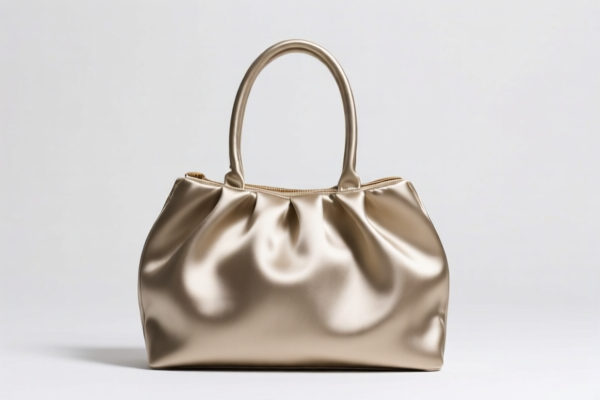
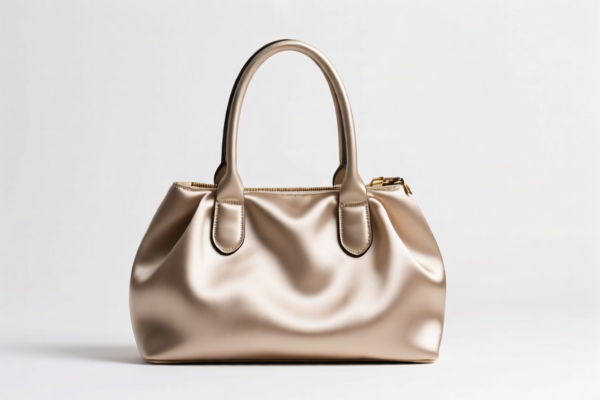
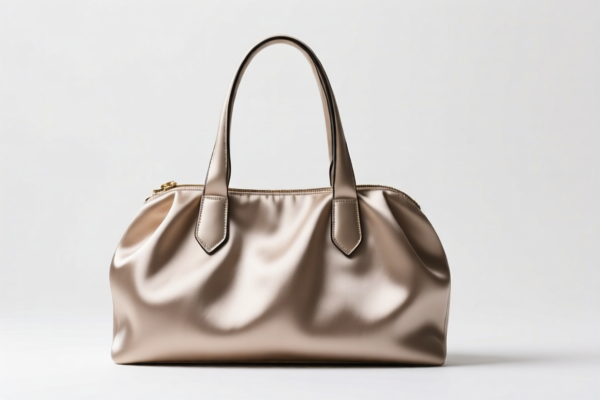
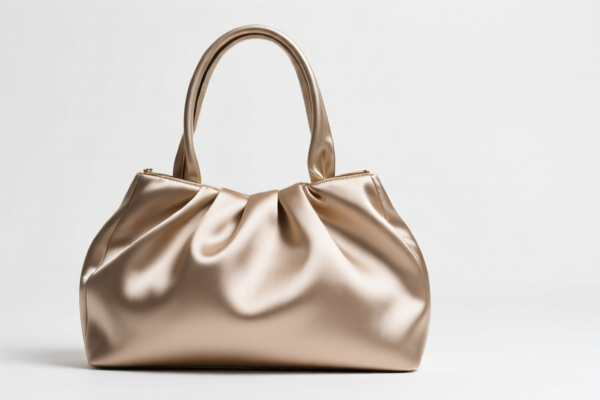
AI Analysis
👜 Silk Handbag (Embroidered) – HS Code & Tax Analysis
🌐 HS Code Reference & Customs Clearance Guide | 2026 Latest Tariff Analysis | Professional Strategy for Silk Accessories
📌 I. Product Definition & Classification: What Defines a "Silk Handbag"?
A Silk Handbag (Embroidered) is a luxury accessory primarily classified based on its outer surface material and functional purpose. In international trade, the key distinction lies between:
- Handbags of textile materials: Where the outer surface is predominantly silk (or contains silk), regardless of embroidery.
- Textile Articles: Finished silk fabrics or semi-finished products, if they do not meet the structural definition of a "handbag" (e.g., no handles, no closure, or purely decorative).
⚠️ Key Distinction Point:
- If the item has handles, a main compartment, and closure (zipper/button) → It is a Handbag (Chapter 42).
- If it is merely a piece of embroidered silk fabric without bag structure → It is a Textile Article (Chapter 50 or 63).
📦 II. HS Code Classification Details (2026 Latest Tariff Authoritative Comparison)
Based on the provided data, here are the specific HS Codes and their rationales for Silk Handbags:
| HS Code | Product Description | Classification Rationale | Tax Rate (Total) |
|---|---|---|---|
4202.22.70.00 |
Silk Handbag | Primary Classification: Outer surface is silk, fits the textile handbag category. This is the most standard classification for finished silk bags. | 42.0% |
4202.22.40.10 |
Silk Handbag | Strict Compliance: Material is silk, fully meets the requirement for textile materials containing silk content. | 42.4% |
5007.90.60.90 |
Silk Fabric Product | Material Attribute Only: Core material is silk. Classified as a finished textile product rather than a handbag structure, potentially due to lack of specific bag features in description. | 38.9% |
6307.90.98.91 |
Silk Finished Product Handbag | Other Finished Goods: Classified under "Other Made-up Articles" for silk, assuming no direct material/shape conflict with Chapter 42. Often used if specific silk handbag codes are disputed. | 24.5% |
🔍 Important Reminder:
- Chapter 42 (Handbags) is generally the correct chapter for structured bags.
- Chapter 50 applies if the item is considered a "textile fabric product" rather than a bag.
- Chapter 63 applies if the item is a "made-up article" not specified elsewhere.
- The lowest tax rate currently available for this product type is 24.5% under6307.90.98.91.
💰 III. 2026 Latest Tariff Rate Breakdown (Including Additional Taxes & Policy Surcharges)
✅ Applicable Country: USA (US)
✅ Origin: China (CN)
✅ Effective Date: Post-November 2025 (Current Policy)
🎯 1. 4202.22.70.00 – Silk Handbag (Standard)
| Item | Content |
|---|---|
| Base Tariff | 7.0% |
| Section 301 Surcharge | 25.0% |
| Section 122 Surcharge | 10.0% |
| Total Rate | 42.0% |
| Calculation | CIF Value × 42.0% |
| De Minimis Exemption | ❌ Not Available |
| Legal Basis | Base: 4202 → Sec 301: 25% → Sec 122: 10% |
📌 Explanation:
- This is the standard classification for silk handbags.
- The 25% Section 301 tax is a significant cost driver.
- The 10% Section 122 tax is an additional surcharge on certain textile/apparel imports.
🎯 2. 4202.22.40.10 – Silk Handbag (High-Compliance Silk Content)
| Item | Content |
|---|---|
| Base Tariff | 7.4% |
| Section 301 Surcharge | 25.0% |
| Section 122 Surcharge | 10.0% |
| Total Rate | 42.4% |
| Calculation | CIF Value × 42.4% |
| De Minimis Exemption | ❌ Not Available |
| Legal Basis | Base: 4202.40 → Sec 301: 25% → Sec 122: 10% |
📌 Note:
- Slightly higher base tariff (7.4% vs 7.0%) due to stricter silk content verification.
- Same surcharges apply.
🎯 3. 5007.90.60.90 – Silk Fabric Product
| Item | Content |
|---|---|
| Base Tariff | 3.9% |
| Section 301 Surcharge | 25.0% |
| Section 122 Surcharge | 10.0% |
| Total Rate | 38.9% |
| Calculation | CIF Value × 38.9% |
| De Minimis Exemption | ❌ Not Available |
| Legal Basis | Base: 5007 → Sec 301: 25% → Sec 122: 10% |
📌 Warning:
- Misclassification Risk: If the item is clearly a handbag, classifying it as a "fabric product" may lead to customs detention, fines, or forced reclassification to Chapter 42.
- Only use if the product lacks handbag structure (e.g., scarf-like bag).
🎯 4. 6307.90.98.91 – Other Made-Up Silk Articles (Lowest Tax)
| Item | Content |
|---|---|
| Base Tariff | 7.0% |
| Section 301 Surcharge | 7.5% |
| Section 122 Surcharge | 10.0% |
| Total Rate | 24.5% |
| Calculation | CIF Value × 24.5% |
| De Minimis Exemption | ❌ Not Available |
| Legal Basis | Base: 6307 → Sec 301: 7.5% → Sec 122: 10% |
📌 Strategic Insight:
- Lowest Total Tax (24.5%).
- Risk: This classification assumes the item is an "other made-up article" rather than a handbag.
- Recommendation: Use only if the product design is ambiguous (e.g., a soft pouch without rigid structure) and can be justified as a general textile article.
- Section 301 is only 7.5% here, compared to 25% in Chapter 42.
🛠️ IV. Customs Clearance Practical Advice (Battle-Tested Pitfall Guide)
✅ 1. Documentation Checklist (Non-Negotiable)
| Document | Required | Purpose |
|---|---|---|
| ✅ Product Specification Sheet | ✔️ | Details material composition (silk %), lining, hardware, dimensions. |
| ✅ Photos (Front, Back, Inside, Hardware) | ✔️ | Proves it is a handbag or just a textile item. |
| ✅ Commercial Invoice | ✔️ | Must clearly state "Silk Handbag" or "Silk Made-Up Article" as per HS Code chosen. |
| ✅ Packing List | ✔️ | Confirm quantity, weight, and packaging. |
| ✅ Bill of Lading/Air Waybill | ✔️ | Standard shipping document. |
| ✅ Customs Ruling (Optional but Recommended) | ✔️ | Pre-classification ruling from CBP for high-value shipments. |
✅ 2. Declaration Strategy (Key Mantras)
🔥 “Match Structure to Chapter, Justify Material to Rate!”
| Scenario | Recommended HS Code | Reasoning |
|---|---|---|
| Standard Structured Handbag | 4202.22.70.00 |
Clear handbag structure, standard silk. Safe, but higher tax (42%). |
| High-Silk Content Handbag | 4202.22.40.10 |
If silk content is very high (>50%) and verified. Slightly higher tax (42.4%). |
| Unstructured Pouch/Clutch | 6307.90.98.91 |
If it lacks handles/rigid structure, classify as "made-up article" for lower tax (24.5%). |
| Silk Scarf Used as Bag | 5007.90.60.90 |
If it's essentially a fabric product, not a bag. Tax 38.9%. |
✅ 3. Special Cases Handling
| Situation | Handling Advice |
|---|---|
| Embroidery Adds Value | Embroidery is considered part of the manufacturing process. Do not separate it unless it's removable. |
| Mixed Materials (Silk + Leather) | If silk is outer surface → Chapter 42. If leather is outer surface → Chapter 42 but different subheading. |
| Customs Audit | Be prepared to show the inner lining and closure mechanism. If it has no closure, it may not be a "bag." |
| Section 122 Applicability | Ensure the product is indeed subject to Section 122 (textiles/apparel). Most silk bags are. |
🌍 V. Global Market Comparison (2026 Latest)
| Country/Region | Recommended HS Code | Total Tax Rate (China Origin) | Certification Requirements | Notes |
|---|---|---|---|---|
| 🇺🇸 USA | 4202.22.70.00 |
42.0% | None | High tax due to Sec 301 & 122. Consider 6307.90.98.91 for 24.5% if structurally valid. |
| 🇪🇺 EU | 4202.22.70.00 |
~10-12% | CE (if applicable) | No Section 301/122 equivalent. Much lower tax than US. |
| 🇨🇳 China | 4202.22.70.00 |
~10-12% | None | Domestic consumption tax may apply. |
| 🇬🇧 UK | 4202.22.70.00 |
~5-10% | None | Post-Brexit tariffs may vary. |
📌 Conclusion:
- USA is the highest-tax market for silk handbags.
- EU/UK offer significantly lower duties, making them more attractive for high-value silk goods.
📌 VI. Common Errors & Pitfalls (Lessons Learned)
❌ Error 1: Classifying a structured handbag as 5007.90.60.90 (Fabric Product)
👉 Consequence: Customs may reject the declaration, demanding reclassification to Chapter 42 with back taxes and penalties.
✅ Correct: Only use 5007 if the item is clearly a fabric product, not a bag.
❌ Error 2: Ignoring Section 122 Surcharge
👉 Consequence: Underpayment by 10%.
✅ Correct: Always include Section 122 in tax calculations for textile/apparel imports from China to US.
❌ Error 3: Overlooking Embroidery in Material Composition
👉 Consequence: If embroidery uses different materials (e.g., metallic thread), it may affect classification.
✅ Correct: Declare silk content accurately. Embroidery is generally considered part of the silk fabric if it doesn't change the fundamental nature.
✅ Best Practice:
“Silk Embroidered Handbag, Outer Surface: 100% Silk, Lining: Polyester, Closure: Zipper, Model: XYZ, Made in China.”
🎯 VII. Conclusion: Professional Declaration for Cost Efficiency
🎯 Key Takeaway:
🔹 “Structure Determines Chapter, Material Determines Subheading, Policy Determines Tax!”
🔹 USA Tax Risk: 42% vs 24.5%. Choose wisely based on product design.
📌 Pro Tip:
If your silk handbag is unstructured (e.g., a soft pouch, drawstring bag), consider classifying under
6307.90.98.91to benefit from the 24.5% total tax rate instead of 42%. Ensure the design does not clearly resemble a traditional handbag to avoid customs disputes.
📣 Immediate Action:
📞 Consult a Customs Broker to confirm if your specific handbag design qualifies for
6307.90.98.91or must be4202.22.70.00.
🚀 Optimize for 24.5% if possible, but ensure compliance to avoid penalties.
✨ Professional Clearance Starts with Accurate Classification!
💼 Every Percentage Point Matters in Global Trade!
Customer Reviews
About HS Code Classification
The Harmonized System (HS) is an internationally standardized nomenclature developed by the World Customs Organization (WCO) to classify traded products. Over 200 countries use the HS system as the basis for customs tariffs, trade statistics, and import/export regulations.
Each HS code follows a hierarchical structure:
- Chapter (2 digits) — Broad category of goods (e.g., Chapter 84: Machinery and Mechanical Appliances)
- Heading (4 digits) — More specific grouping within the chapter
- Subheading (6 digits) — Internationally standardized breakdown, used by all WCO member countries
- National subdivisions (8-10 digits) — Country-specific extensions for further classification, such as US HTSUS 10-digit codes
Correct HS code classification is essential for smooth customs clearance, accurate duty payment, and compliance with trade regulations. Misclassification can lead to customs delays, overpayment of duties, or penalties.
When importing from CN to US, the applicable tariff rates may include:
- Most-Favored-Nation (MFN) rate — The standard duty rate applied to WTO members
- General rate — Applied to countries without trade agreements
- Trade remedy duties — Additional tariffs such as Section 301 (anti-dumping), Section 232 (national security), or countervailing duties
The information provided on this page is for reference purposes only. For official classification, please consult with your local customs authority or a licensed customs broker.