Sodium Alginate Mask Raw Material
CN → US| HS Code | Tariff Rate | Origin | Destination | Doc |
|---|---|---|---|---|
| 1302390090 | 20.7% | CN | US | Official Doc |
| 3913100000 | 21.7% | CN | US | Official Doc |
| 3913902090 | 40.8% | CN | US | Official Doc |
| 3304995000 | 35.0% | CN | US | Official Doc |
| 3304910050 | 35.0% | CN | US | Official Doc |
Product Images
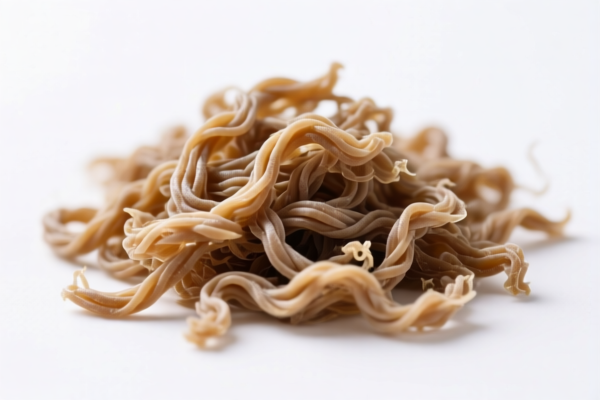
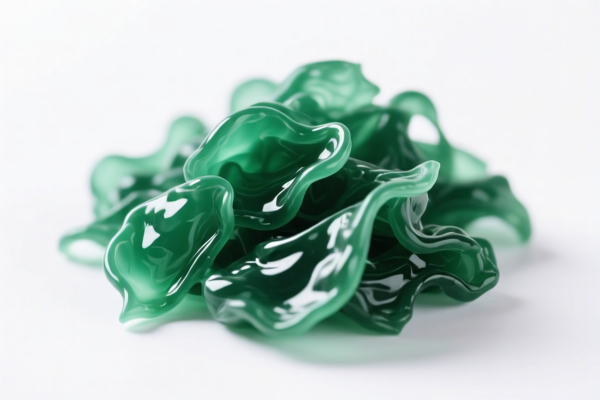
AI Analysis
🧪 Sodium Alginate Mask Raw Material: HS Code Classification & Customs Clearance Guide
🌐 HS Code Reference & Customs Guide | 2026 Latest Tariff Analysis | Professional Clearance Strategy
📌 I. Product Definition & Classification: What is "Sodium Alginate Mask Raw Material"?
Sodium Alginate is a natural polymer derived from brown algae (seaweed). In the context of "Mask Raw Material," it serves as a thickening agent, gelling agent, or primary film-forming ingredient for cosmetic masks (sheet masks, wash-off masks, etc.).
Key Classification Distinction:
The classification depends heavily on chemical state and intended use:
1. As a Natural Polymer/Thickener: If imported primarily as a raw chemical substance for industrial or cosmetic formulation without being a "preparation" of a kind used in cosmetics, it may fall under Chapter 13 or 39.
2. As a Cosmetic Ingredient: If specifically prepared for use in skin care, it might be argued for Chapter 33 (Essential Oils and Resinoids; Cosmetic or Toilet Preparations).
⚠️ Critical Note:
- Chapter 13 (1302.39): Covers "Vegetable saps and extracts; vegetable mucilages and thickeners." This is often the most accurate for raw, unmodified or slightly modified alginate.
- Chapter 39 (3913.10 / 3913.90): Covers "Unmodified natural polymers (e.g., alginic acid, its salts) or chemically modified natural polymers."
- Chapter 33 (3304.99 / 3304.91): Covers "Make-up preparations and preparations for the care of the skin (other than medicament)." If the alginate is already part of a "preparation" or specifically marketed as a cosmetic raw material, customs may lean here, but raw powders are frequently rejected from Chapter 33 unless specified as "preparations."
📦 II. HS Code Classification Details (2026 Latest Tariff Mapping)
Based on the provided data, here are the five potential HS Codes with their specific reasoning:
| HS Code | Product Description | Classification Logic | Application Scenario |
|---|---|---|---|
1302.39.00.90 |
Vegetable mucilages and thickeners; other | Alginate is a plant-derived mucilage/thickener. As a raw material, it fits "other" vegetable mucilages. | ✅ Best Fit for Raw Thickener |
3913.10.00.00 |
Alginic acid and its salts; unmodified natural polymers | Alginate is a salt of alginic acid. It is a natural polymer in its primary form. | ✅ Best Fit for Chemical/Polymer Definition |
3913.90.20.90 |
Other chemically modified natural polymers | If the alginate is chemically modified (e.g., cross-linked) beyond simple salt formation. | ⚠️ Higher Risk/Rate |
3304.99.50.00 |
Other make-up and skin care preparations (not medicament) | If declared as a cosmetic raw material specifically for masks, some may interpret it as a "preparation." | ⚠️ Debatable for Raw Powder |
3304.91.00.50 |
Powders, whether or not compressed, for make-up or skin care | If specifically prepared and sold as a cosmetic ingredient powder. | ⚠️ Debatable for Raw Powder |
🔍 Key Insight:
-1302.39.00.90and3913.10.00.00are the most technically accurate for raw Sodium Alginate.
-3304.99and3304.91are risky because Chapter 33 typically applies to "preparations" (mixtures/formulations) rather than single chemical entities like raw alginate powder. However, some importers attempt this for cosmetic marketing reasons, leading to potential disputes.
💰 III. 2026 Latest Tariff Rate Breakdown (Detailed)
✅ Applicable Country: United States (US)
✅ Origin: China (CN)
✅ Effective Date: From 2025-11-10 onwards
🎯 1. 1302.39.00.90 – Vegetable Mucilages and Thickeners
| Item | Detail |
|---|---|
| Base Tariff | 3.2% |
| Section 301 (Trade War) Tariff | 7.5% |
| Section 122 Tariff | 10% |
| Total Tariff Rate | 20.7% |
| Calculation Basis | CIF Value × 20.7% |
| De Minimis Exemption | ❌ Not Eligible |
| Legal Path | HTSUS:1302.39.00.90 + Section 301: 7.5% + Section 122: 10% |
📌 Explanation:
- This is the lowest total tariff among the options.
- Section 122 refers to recent emergency tariffs (often related to national security or specific supply chain issues).
- Advantage: Lower cost, technically sound for "vegetable mucilage."
🎯 2. 3913.10.00.00 – Alginic Acid and Its Salts
| Item | Detail |
|---|---|
| Base Tariff | 4.2% |
| Section 301 (Trade War) Tariff | 7.5% |
| Section 122 Tariff | 10% |
| Total Tariff Rate | 21.7% |
| Calculation Basis | CIF Value × 21.7% |
| De Minimis Exemption | ❌ Not Eligible |
| Legal Path | HTSUS:3913.10.00.00 + Section 301: 7.5% + Section 122: 10% |
📌 Explanation:
- Slightly higher base tariff (4.2% vs 3.2%) but same additional tariffs.
- Technically accurate for "salts of alginic acid."
- Advantage: Very close to 1302.39, often accepted by customs as a polymer.
🎯 3. 3913.90.20.90 – Other Chemically Modified Natural Polymers
| Item | Detail |
|---|---|
| Base Tariff | 5.8% |
| Section 301 (Trade War) Tariff | 25.0% |
| Section 122 Tariff | 10% |
| Total Tariff Rate | 40.8% |
| Calculation Basis | CIF Value × 40.8% |
| De Minimis Exemption | ❌ Not Eligible |
| Legal Path | HTSUS:3913.90.20.90 + Section 301: 25% + Section 122: 10% |
📌 Warning:
- Avoid this code unless necessary. The Section 301 tariff jumps to 25% for "other" polymers.
- Only use if the alginate is significantly chemically modified and does not fit 3913.10.
🎯 4. 3304.99.50.00 – Other Skin Care Preparations
| Item | Detail |
|---|---|
| Base Tariff | 0.0% |
| Section 301 (Trade War) Tariff | 25.0% |
| Section 122 Tariff | 10% |
| Total Tariff Rate | 35.0% |
| Calculation Basis | CIF Value × 35.0% |
| De Minimis Exemption | ❌ Not Eligible |
| Legal Path | HTSUS:3304.99.50.00 + Section 301: 25% + Section 122: 10% |
📌 Risk:
- Although base tariff is 0%, the Section 301 tariff is 25%.
- Customs may challenge this classification, arguing raw alginate is not a "preparation." Risk of audit and reassessment to Chapter 13/39.
🎯 5. 3304.91.00.50 – Powders for Skin Care
| Item | Detail |
|---|---|
| Base Tariff | 0.0% |
| Section 301 (Trade War) Tariff | 25.0% |
| Section 122 Tariff | 10% |
| Total Tariff Rate | 35.0% |
| Calculation Basis | CIF Value × 35.0% |
| De Minimis Exemption | ❌ Not Eligible |
| Legal Path | HTSUS:3304.91.00.50 + Section 301: 25% + Section 122: 10% |
📌 Risk:
- Same as above. High risk of misclassification. Only use if the product is a finished cosmetic formulation, not raw alginate.
🛠️ IV. Customs Clearance Practical Advice (Avoid Pitfalls)
✅ 1. Documentation Checklist (Must-Have)
| Document | Requirement | Notes |
|---|---|---|
| Product Specification Sheet | ✔️ | Must list chemical composition, CAS number (9005-38-3 for Sodium Alginate), and form (powder). |
| Certificate of Origin (CO) | ✔️ | Essential for determining country of origin for Section 122/301 tariffs. |
| Ingredient Declaration | ✔️ | Clarify if it’s 100% Sodium Alginate or a blend. |
| Safety Data Sheet (SDS) | ✔️ | Required for chemical imports. |
| Commercial Invoice | ✔️ | Clearly state "Sodium Alginate Raw Material" or "Vegetable Mucilage," not "Cosmetic Mask." |
| Usage Statement | ✔️ | "For use as a thickening agent in cosmetic formulation," not "Ready-to-use mask." |
✅ 2. Classification Strategy (Key Tips)
🔥 "Raw Material vs. Preparation: Know the Difference!"
| Scenario | Recommended HS Code | Why? |
|---|---|---|
| 100% Sodium Alginate Powder | 1302.39.00.90 or 3913.10.00.00 |
These are raw chemical/natural substances. Lowest risk, lowest tariff (20.7%/21.7%). |
| Alginate Mixed with Other Cosmetic Ingredients | 3304.99.50.00 |
If it’s a pre-mixed cosmetic ingredient, Chapter 33 may apply, but higher tariff (35%). |
| Pre-mixed Mask Powder for End Consumer | 3304.99.50.00 |
If sold as a "kit" for consumers to make a mask, it’s a preparation. |
📌 Critical Warning:
- Do NOT declare raw alginate as a cosmetic preparation (3304) just to avoid Section 301 tariffs. Customs has specific rules for chemical raw materials. Misclassification can lead to penalties, back-duties, and shipment delays.
- Prefer1302.39.00.90for the best balance of compliance and cost (20.7% total).
✅ 3. Special Considerations
| Situation | Advice |
|---|---|
| Small Sample Shipments | Still subject to tariffs. De minimis does not apply to Section 122/301 goods from China. |
| Bulk Industrial Import | Ensure SDS and TDS are ready for CBP (Customs and Border Protection) review. |
| Origin Transshipment | If shipped via Vietnam/Malaysia, ensure no substantial transformation occurred. Otherwise, still subject to China-origin tariffs. |
🌍 V. Global Market Comparison (2026)
| Country | Recommended HS Code | Total Tariff (Est.) | Notes |
|---|---|---|---|
| 🇺🇸 USA | 1302.39.00.90 |
20.7% | Includes Section 122 (10%) + Section 301 (7.5%). |
| 🇨🇳 China | 1302.39.00.90 |
~5-10% | Import tariffs vary; no Section 122/301. |
| 🇪🇺 EU | 1302.39.90 |
~6.5% | Standard EU common customs tariff. No US-style added tariffs. |
| 🇬🇧 UK | 1302.39.90 |
~6.5% | Similar to EU post-Brexit. |
| 🇦🇺 Australia | 1302.39.90 |
~5% | Low base tariff, no major added tariffs. |
📌 Conclusion:
- The USA is the most challenging market due to Section 122 and Section 301 tariffs.
- EU/UK/Australia offer significantly lower duties for the same product.
📌 VI. Common Mistakes & Pitfalls
❌ Mistake 1: Declaring raw alginate as "Cosmetic Mask"
👉 Consequence: HS Code misclassification (Chapter 33 vs 13/39). High risk of audit.
❌ Mistake 2: Ignoring Section 122 Tariff
👉 Consequence: Underpayment of 10%. Customs will demand back-payment + interest.
❌ Mistake 3: Using Chapter 39.13 for simple salts
👉 Consequence: While 3913.10 is valid, 1302.39 is often more common for "mucilages." Both are acceptable, but 1302 has a lower base rate.
✅ Correct Approach:
"Sodium Alginate (CAS 9005-38-3), Powder, for use as a thickening agent in cosmetic formulation."
HS Code:1302.39.00.90
Total Duty: 20.7%
🎯 VII. Conclusion: Smart Classification for Cost Efficiency
🎯 Key Takeaway:
🔹 For Raw Sodium Alginate: Use
1302.39.00.90or3913.10.00.00.
🔹 Avoid Chapter 33 for raw materials unless it’s a formulated mixture.
🔹 Budget for 20.7% in the USA (not 35%+).
🔹 Always include CAS Number and SDS in documentation.
📌 Pro Tip:
If your volume is high, consider applying for a Binding Ruling (Ruling Letter) from US CBP to confirm the HS Code (1302.39.00.90) before shipment. This provides legal certainty and avoids future disputes.
📣 Immediate Action Required:
📞 Verify with your freight forwarder if they are aware of Section 122 tariffs.
📄 Prepare SDS and CAS Number documentation now.
🚀 Optimize supply chain to mitigate 20.7% duty impact.
✨ Accurate Classification = Lower Costs + Smooth Clearance!
💼 Don’t let customs errors eat your profit margin.
Customer Reviews
About HS Code Classification
The Harmonized System (HS) is an internationally standardized nomenclature developed by the World Customs Organization (WCO) to classify traded products. Over 200 countries use the HS system as the basis for customs tariffs, trade statistics, and import/export regulations.
Each HS code follows a hierarchical structure:
- Chapter (2 digits) — Broad category of goods (e.g., Chapter 84: Machinery and Mechanical Appliances)
- Heading (4 digits) — More specific grouping within the chapter
- Subheading (6 digits) — Internationally standardized breakdown, used by all WCO member countries
- National subdivisions (8-10 digits) — Country-specific extensions for further classification, such as US HTSUS 10-digit codes
Correct HS code classification is essential for smooth customs clearance, accurate duty payment, and compliance with trade regulations. Misclassification can lead to customs delays, overpayment of duties, or penalties.
When importing from CN to US, the applicable tariff rates may include:
- Most-Favored-Nation (MFN) rate — The standard duty rate applied to WTO members
- General rate — Applied to countries without trade agreements
- Trade remedy duties — Additional tariffs such as Section 301 (anti-dumping), Section 232 (national security), or countervailing duties
The information provided on this page is for reference purposes only. For official classification, please consult with your local customs authority or a licensed customs broker.