Solid Rubber Tire (High Precision)
CN → US| HS Code | Tariff Rate | Origin | Destination | Doc |
|---|---|---|---|---|
| 8708995500 | 37.5% | CN | US | Official Doc |
| 8431499090 | 85.0% | CN | US | Official Doc |
| 4012907000 | 35.0% | CN | US | Official Doc |
| 4012901000 | 35.0% | CN | US | Official Doc |
| 8708704560 | 37.5% | CN | US | Official Doc |
| 8431499038 | 85.0% | CN | US | Official Doc |
Product Images
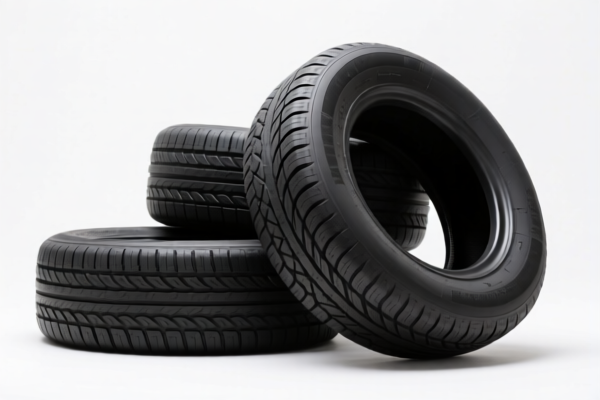
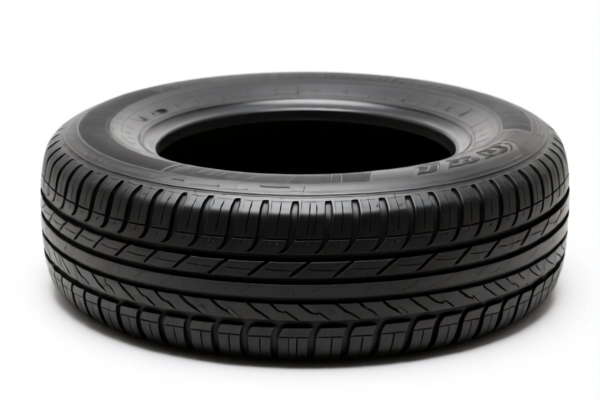
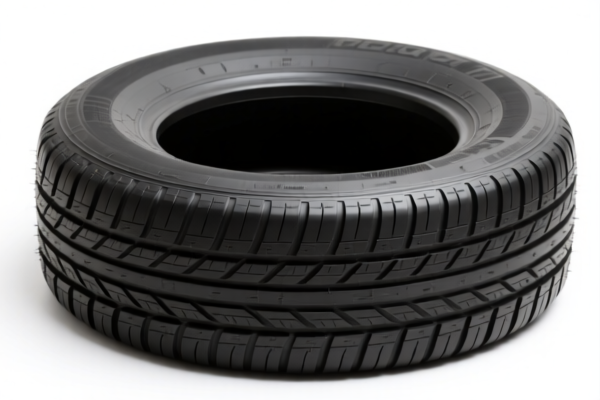
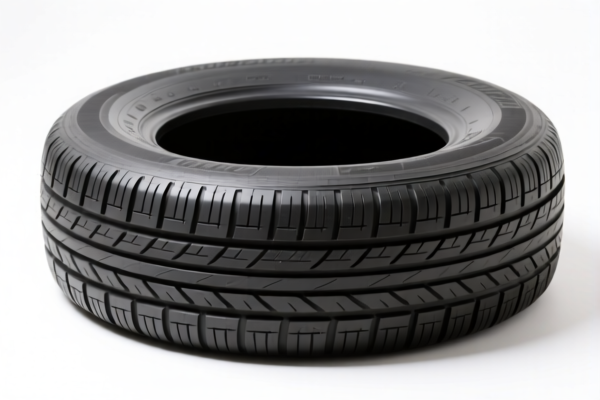
AI Analysis
🛞 Solid Rubber Tires & Heavy Machinery Assemblies (High Precision)
🌐 HS Code Reference & Customs Clearance Guide | 2026 Latest Tariff Analysis | Professional Entry Strategy
📌 I. Product Definition & Classification: What Exactly is a "Solid Rubber Tire"?
Solid rubber tires are non-pneumatic, solid elastic rings used primarily on industrial vehicles (forklifts, pallet jacks), agricultural machinery, and construction equipment. Unlike pneumatic tires, they offer puncture resistance and load-bearing stability.
In international trade, they are classified into two main categories: 1. Standalone Solid/Cushion Tires: Sold as individual rubber components (often for replacement or OEM fitting). 2. Wheel & Tire Assemblies: Pre-mounted assemblies where the rubber tire is fixed to a metal rim, often categorized under "parts of machinery" if associated with specific heavy equipment (e.g., backhoes, excavators).
⚠️ Key Distinction:
- If the product is just the rubber tire (no rim, no assembly) → It falls under Chapter 40 (Articles of Rubber).
- If the product is a complete wheel assembly (rubber + metal rim + axle components) specifically for machinery (Headings 8425-8430) → It falls under Chapter 84 (Machinery Parts).
- High Precision does not change the material classification but may affect duty assessments if declared as a precision instrument (rare for tires); however, for customs, it remains a rubber article or machine part based on structure.
📦 II. HS Code Classification Details (2026 Latest Tariff Authority对照)
| HS Code | Product Description | Application Scenario | Classification Logic |
|---|---|---|---|
4012.90.10.00 |
Solid or cushion tires (Other: Solid or cushion tires) | Standalone solid tires for forklifts, pallet jacks, industrial carts | ❌ Rubber Product (No rim/machinery integration) |
4012.90.70.00 |
Other: Bicycle rim strips | Not Applicable for Solid Tires | ⚠️ Exclude: This is for bicycle rim strips, not solid vehicle tires. |
8431.49.90.38 |
Parts of machinery (Backhoes, Shovels, Clamshells, Draglines): Wheel and tire assemblies | Complete wheel/tire assemblies for heavy earth-moving machinery (e.g., backhoes) | ✅ Machinery Part (Integrated with specific heavy equipment) |
8431.49.90.90 |
Parts of machinery (Other): Wheel and tire assemblies | Complete wheel/tire assemblies for other machinery (e.g., excavators, loaders not in 8426/8429/8430 specifics) | ✅ Machinery Part (Integrated with general machinery) |
8708.70.45.60 |
Parts of motor vehicles (8701-8705): Road wheels: Other: Other | Road wheels for motor vehicles (trucks, buses, industrial tractors) | ✅ Vehicle Part (For road-going motor vehicles) |
8708.99.55.00 |
Other parts and accessories of motor vehicles: Vibration control goods containing rubber | Rubber components for vibration damping in motor vehicles (not primary tires) | ⚠️ Exclude: Unless the "tire" is specifically a vibration isolator, not a rolling tire. |
🔍 Critical Reminder:
- Standalone Solid Tires → Must use 4012.90.10.00. Do not misdeclare as machine parts to avoid higher scrutiny if they are not mounted.
- Assemblies → If the tire is pre-mounted on a rim and sold as a unit for a specific machine (like a backhoe), use 8431.49.90.38/90.
- Vehicle Wheels → If it’s a road wheel for a truck/bus, use 8708.70.45.60.
- "High Precision" is not a customs classification term. Declare accurately as "Solid Rubber Tire" or "Wheel Assembly."
💰 III. 2026 Latest Tariff Rate Detailed Breakdown (Including Add-on Taxes & Policies)
✅ Applicable Country: United States (US)
✅ Origin: China (CN)
✅ Effective Time: 2025/2026 (Current Trade Policy)
🎯 1. 4012.90.10.00 —— Solid or Cushion Tires (Standalone)
| Item | Content |
|---|---|
| Base Tariff | 0% (ad valorem) |
| USITC Add-on Tariff | +25% (Section 301 Duties) |
| Total Tax Rate | 25.0% |
| Tax Calculation | CIF Value × 25% |
| De Minimis Eligibility | ❌ Not Eligible (Section 301 goods excluded from de minimis if value > $800, but generally high scrutiny) |
| Legal Basis | USITC:4012.90.10.00 → SECTION 301: 25% |
📌 Explanation:
- Base Rate: 0% because raw rubber articles often have low base duties.
- Add-on: +25% is the standard Section 301 tariff for most Chinese rubber products.
- Total: 25%. This is a moderate-to-high tariff. No steel/aluminum surcharge applies here.
🎯 2. 4012.90.70.00 —— Bicycle Rim Strips (Excluded)
| Item | Content |
|---|---|
| Total Tax Rate | 25.0% |
| Note | ❌ Do Not Use for solid tires. Misclassification can lead to penalties. |
🎯 3. 8431.49.90.38 & 8431.49.90.90 —— Wheel & Tire Assemblies for Machinery
| Item | Content |
|---|---|
| Base Tariff | 0% (ad valorem) |
| USITC Add-on Tariff | +25% (Section 301) |
| Steel/Aluminum Surcharge | +50% (Section 232 Duties if parts contain steel/aluminum rims) |
| Total Tax Rate | 75.0% |
| Tax Calculation | CIF Value × 75% |
| De Minimis Eligibility | ❌ Not Eligible |
| Legal Basis | USITC:8431.49.90.38 → SECTION 301: 25% + SECTION 232: 50% (Steel/Aluminum) |
📌 CRITICAL WARNING:
- If the "Solid Tire" is sold as a Wheel Assembly (rubber + steel/aluminum rim), it triggers the Section 232 Steel/Aluminum Tariff.
- Total Rate: 75%! This is extremely high.
- Strategy: If you can ship standalone rubber tires (without rims) and mount them locally in the US, you pay only 25% instead of 75%.
- High Precision rims do not exempt you from Section 232.
🎯 4. 8708.70.45.60 —— Road Wheels for Motor Vehicles
| Item | Content |
|---|---|
| Base Tariff | 2.5% |
| USITC Add-on Tariff | +25% (Section 301) |
| Total Tax Rate | 27.5% |
| Tax Calculation | CIF Value × 27.5% |
| De Minimis Eligibility | ❌ Not Eligible |
| Legal Basis | USITC:8708.70.45.60 → SECTION 301: 25% |
📌 Explanation:
- For vehicle parts (trucks, buses), the base tariff is 2.5%, plus 25% Section 301.
- Total: 27.5%.
- No Section 232 steel surcharge applies to general vehicle parts unless specifically listed as steel articles under different rules.
🎯 5. 8708.99.55.00 —— Vibration Control Goods (Excluded for Tires)
| Item | Content |
|---|---|
| Total Tax Rate | 27.5% |
| Note | ❌ Do Not Use for solid tires. This is for bushings/mounts, not rolling tires. |
🛠️ IV. Customs Clearance Practical Advice (Battle-Tested Pitfall Avoidance)
✅ 1. Preparation Checklist (Must-Haves)
| Material | Required | Description |
|---|---|---|
| ✅ Product Specifications | ✔️ | Material (Solid Rubber Type: SBR, NBR, etc.), Dimensions, Load Capacity, Hardness (Shore A). |
| ✅ Photos (Clear & Detailed) | ✔️ | Show if the item is a standalone tire or a pre-mounted wheel assembly. This is critical for HS Code selection. |
| ✅ Bill of Lading/Invoice | ✔️ | Clearly state "Solid Rubber Tire" or "Wheel Assembly." Avoid vague terms like "High Precision Rubber Part." |
| ✅ Material Declaration | ✔️ | Specify if rims are included. If yes, declare Steel/Aluminum content to anticipate 75% tariff. |
| ✅ Origin Certificate | ✔️ | Confirm CN origin to apply correct Section 301 rates. |
✅ 2. Declaration Tactics (Key Mantra)
🔥 "No Rim = 25%; Rim = 75% (Steel) or 27.5% (Vehicle); Be Specific!"
| Scenario | Correct Declaration | Incorrect Practice |
|---|---|---|
| Standalone Solid Tire (Rubber only) | HS: 4012.90.10.00Description: "Solid Rubber Tire, No Rim" |
Declaring as "Wheel Assembly" → 75% tariff |
| Pre-mounted Wheel Assembly (for Backhoe/Excavator) | HS: 8431.49.90.38Description: "Wheel and Tire Assembly for Excavator, Steel Rim" |
Declaring as "Solid Tire" → 25% tariff (but customs may audit steel content) |
| Road Wheel for Truck | HS: 8708.70.45.60Description: "Road Wheel Assembly for Truck" |
Declaring as "Machine Part" → 75% tariff (if misclassified) |
| "High Precision" Claim | Use only in marketing. Customs cares about structure. | Adding "High Precision" to HS description may raise red flags for misclassification. |
✅ 3. Special Circumstances Handling
| Situation | Handling Advice |
|---|---|
| OEM Custom Tires | Provide engineering drawings. If rubber-only, insist on 4012.90.10.00. |
| Mixed Containers | If shipping both tires and rims, ship separately if possible. Combine only if final assembly is needed. |
| Steel/Aluminum Rim Inclusion | If the assembly includes a steel rim, expect 75% total tariff. Consider sourcing rims from non-CN countries to avoid Section 232. |
| Vibration Isolators | Ensure these are not declared as tires. They belong to 8708.99.55.00 or 4016.99. |
🌍 V. Global Market Clearance Comparison (2026 Latest)
| Country/Region | Recommended HS Code | Tariff Rate (China Origin) | Certification | Notes |
|---|---|---|---|---|
| 🇺🇸 USA | 4012.90.10.00 (Stand-alone)8431.49.90.38 (Assembly) |
25% (Stand-alone) 75% (Assembly w/ Steel Rim) |
DOT, OSHA (if industrial) | 75% for assemblies is a major cost driver. |
| 🇨🇳 China | 4012.90.10.00 |
0-5% | GB Standards | Low tariff, no add-ons. |
| 🇪🇺 EU | 4012.90 |
0-3% | CE (if applicable) | No Section 301/232 equivalents. |
| 🇬🇧 UK | 4012.90 |
0-3% | UKCA | Post-Brexit rules apply. |
| 🇦🇺 Australia | 4012.90 |
5% | SAA Standards | No major add-on tariffs. |
📌 Conclusion:
- The US is the only market with punitive tariffs (25%-75%) for Chinese rubber parts and machinery components.
- Strategy for US Market: If your product is a solid tire, export it as a standalone rubber item (4012.90.10.00) to pay 25%. Avoid exporting pre-mounted steel-rim assemblies (8431.49.90.38) which incur 75%.
- If the product is for road vehicles, use8708.70.45.60for 27.5%.
📌 VI. Common Errors & Pitfalls (Blood Lessons)
❌ Error 1: Declaring a pre-mounted steel-rim wheel as a "Solid Rubber Tire"
👉 Consequence: Customs detects steel rim → Re-classifies to 8431.49.90.38 → Back-tariff 50% (Section 232) + Penalties!
❌ Error 2: Using "High Precision" to justify a different HS Code
👉 Consequence: HS Codes are based on function and material, not precision. No benefit. Only causes delay.
❌ Error 3: Splitting a single wheel assembly into "Rubber Tire" + "Steel Rim" in separate shipments to avoid 75%
👉 Consequence: Customs may view this as circumvention. If used together, they may assess as an assembly. Risky.
✅ Correct Approach:
"Solid Rubber Tire, Industrial Grade, Shore A 90, No Rim, Model XYZ" → HS: 4012.90.10.00, Tariff: 25%.
🎯 VII. Conclusion: Precision in Classification Saves Money
🎯 Remember the Mantra:
🔹 "Rubber Only = 25%; Steel Rim Assembly = 75%; Vehicle Wheel = 27.5%."
🔹 "Don't let 'High Precision' mislead you. Let 'Structure' define your HS Code."
🔹 "Save 50% by shipping tires without rims!"
📌 Pro Tip:
If you are shipping to the US, negotiate with customers to mount the tires locally in the US to keep the import value under the 25% bracket (4012.90.10.00) rather than the 75% bracket (8431.49.90.38).
Consider pre-ruling from US Customs (CBP) if the structure is ambiguous.
📣 Immediate Action:
📞 Verify if your product includes a rim.
📦 If yes, calculate the 75% cost. If no, aim for 25%.
🚀 Correct Classification = Lower Duty = Higher Profit!
✨ Professional Clearance Starts with Accurate Classification!
💼 Every percentage point of tariff is a percentage point of your margin.
Customer Reviews
About HS Code Classification
The Harmonized System (HS) is an internationally standardized nomenclature developed by the World Customs Organization (WCO) to classify traded products. Over 200 countries use the HS system as the basis for customs tariffs, trade statistics, and import/export regulations.
Each HS code follows a hierarchical structure:
- Chapter (2 digits) — Broad category of goods (e.g., Chapter 84: Machinery and Mechanical Appliances)
- Heading (4 digits) — More specific grouping within the chapter
- Subheading (6 digits) — Internationally standardized breakdown, used by all WCO member countries
- National subdivisions (8-10 digits) — Country-specific extensions for further classification, such as US HTSUS 10-digit codes
Correct HS code classification is essential for smooth customs clearance, accurate duty payment, and compliance with trade regulations. Misclassification can lead to customs delays, overpayment of duties, or penalties.
When importing from CN to US, the applicable tariff rates may include:
- Most-Favored-Nation (MFN) rate — The standard duty rate applied to WTO members
- General rate — Applied to countries without trade agreements
- Trade remedy duties — Additional tariffs such as Section 301 (anti-dumping), Section 232 (national security), or countervailing duties
The information provided on this page is for reference purposes only. For official classification, please consult with your local customs authority or a licensed customs broker.