Solution Polymerized Styrene Butadiene Rubber (SBR) Bundle
CN → US| HS Code | Tariff Rate | Origin | Destination | Doc |
|---|---|---|---|---|
| 4005200000 | 35.0% | CN | US | Official Doc |
| 3913901000 | 35.0% | CN | US | Official Doc |
| 4005990000 | 35.0% | CN | US | Official Doc |
| 4002190016 | 35.0% | CN | US | Official Doc |
| 4002190016 | 35.0% | CN | US | Official Doc |
Product Images
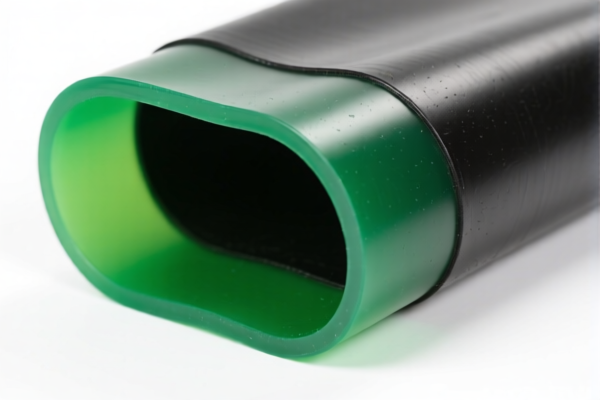
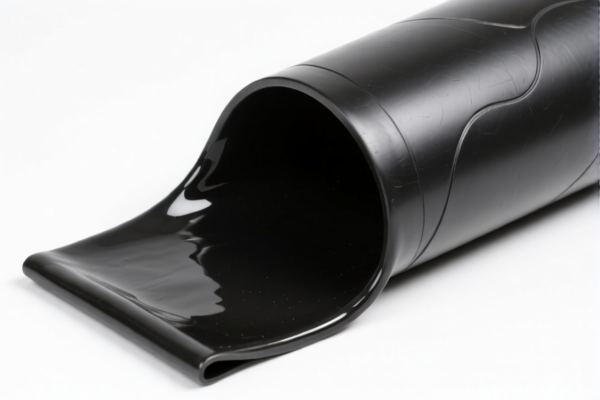
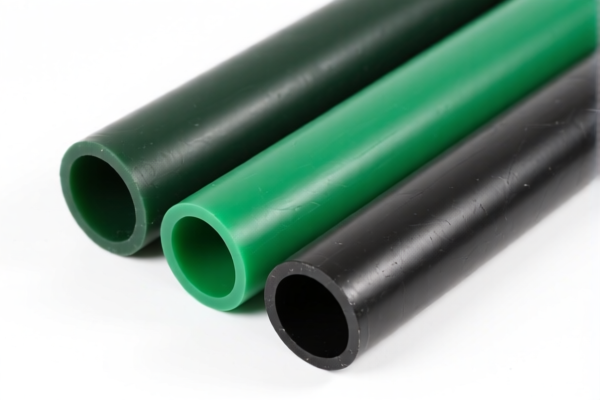
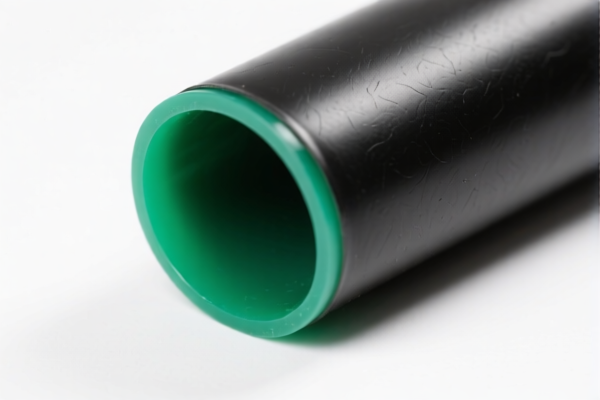
AI Analysis
🧪 Solution Polymerized Styrene Butadiene Rubber (SBR) Bundle
🌐 HS Code Reference & Customs Clearance Guide | 2026 Latest Tariff Analysis | Professional Clearance Strategy
📌 Part 1: Product Definition & Classification – What is "SBR Bundle"?
Solution Polymerized Styrene Butadiene Rubber (S-SBR), commonly referred to as SBR, is a synthetic rubber produced via solution polymerization. In international trade, the physical form ("Bundle") is the critical determinant for classification.
"Bundle" in this context refers to the raw, unvulcanized rubber material in its primary shape (typically baled, bundled, or block form), consistent with the legal definition of "primary shapes" under HS Chapter 40.
⚠️ Key Distinction:
- If the product is unvulcanized rubber in primary shapes (blocks, bundles, powders, etc.) → Classified under Chapter 40 (Rubber and Articles Thereof). - If the product is vulcanized or finished goods (tires, hoses, belts) → Classified elsewhere (e.g., Ch. 40, 87, etc.). - Crucial Point: Despite the name "Styrene Butadiene," if it is a synthetic rubber polymer in primary form, it generally falls under Heading 4002, NOT Heading 39 (Plastics/Polymers), unless specifically defined as a derivative in Heading 3913 (which is rare for standard SBR bundles).
📦 Part 2: HS Code Classification Details (2026 Latest Tariff Authority对照)
Based on the provided data, there are multiple potential HS codes depending on the precise chemical definition and administrative interpretation. Below is the authoritative breakdown:
| HS Code | Product Description | Key Classification Logic |
|---|---|---|
4005.20.00.00 |
Solution Polymerized SBR, Material: Rubber, Form: Bundle. Fits the characteristics of unvulcanized compounded rubber in primary shape. | Primary Logic: Unvulcanized compounded rubber. |
3913.90.10.00 |
Solution Polymerized SBR (S-SBR). Classified as synthetic rubber, fitting the material attribute of chemical derivatives of natural rubber, in primary polymer form. | Alternative Logic: Some jurisdictions may classify synthetic polymers under Ch. 39 if viewed strictly as polymers, though Ch. 40 is more common for rubber. |
4005.99.00.00 |
Styrene-Butadiene Rubber (SBR). Falls under the category of unvulcanized synthetic rubber. Form "Bundle" aligns with the logic of original/primary shape. | Broad Category: Other unvulcanized synthetic rubbers. |
4002.19.00.16 (Appears twice in data) |
Solution Polymerized SBR (S-SBR). "Bundle" corresponds to bundled/block form, fully matching the key elements of the classification explanation. | Specific Subheading: Specifically targets solution-polymerized SBR in bundled form. |
4002.19.00.16 (English Description) |
"Solution polymerized styrene butadiene rubber s sbr bundle". Fully consistent with the material, process, and physical form characteristics in the classification explanation. | Confirmation: Reinforces the 4002.19.00.16 classification for English-sourced data. |
🔍 Important Note:
- The data shows multiple HS codes (4005.20,3913.90,4005.99,4002.19) for the same product. This often indicates different interpretations by customs brokers, specific sub-country regulations, or data inconsistencies.
- Recommendation:4002.19.00.16is the most specific match for "Solution Polymerized SBR Bundle" in many US customs contexts, but4005.20is also cited for "unvulcanized compounded rubber." Pre-clearance ruling is essential.
💰 Part 3: 2026 Latest Tariff Rate Detailed Explanation (Including Additional Duties & Policy Add-ons)
✅ Applicable Country: United States (US)
✅ Country of Origin: China (CN)
✅ Effective Date: 2025 November 10 onwards (including subsequent imports)
All listed HS codes in the provided data share the exact same tariff structure.
🎯 1. All Listed HS Codes (4005.20, 3913.90, 4005.99, 4002.19)
| Item | Content |
|---|---|
| Base Tariff | 0.0% (Ad Valorem) |
| Section 301 Additional Tariff | +25.0% (From USITC Footnote regarding China-origin goods) |
| Section 122 Tariff | +10.0% (Specific additional duty for China-origin goods) |
| Total Tariff Rate | 35.0% |
| Tax Calculation | CIF Value × 35% |
| De Minimis Exemption Eligible? | ❌ NO (Deny De Minimis) |
| Legal Basis Path | USITC:301 → USITC:122 → HS Code → Total 35% |
📌 Explanation:
- "Base Tariff 0%": The standard Most Favored Nation (MFN) duty for rubber products is often 0%, but this is overridden by trade war tariffs.
- "Section 301 (25%)": Imposed under the U.S. Trade Act of 1974, Section 301, targeting unfair Chinese trade practices.
- "Section 122 (10%)": Often refers to specific executive orders or temporary trade actions (note: Section 122 of the Trade Act of 1962 allows for short-term relief; in recent contexts, this may refer to specific bilateral agreements or emergency powers).
- Total 35%: This is a very high tariff. It significantly impacts the cost structure. Do not assume de minimis (Section 321) exemption applies. Small package exemptions do NOT apply to goods subject to Section 301/122 tariffs.
🛠️ Part 4: Customs Clearance Operational Advice (Practical Pitfall Avoidance Guide)
✅ 1. Required Documentation Checklist (None Can Be Skipped)
| Document | Mandatory? | Description |
|---|---|---|
| ✅ Product Spec Sheet | ✔️ | Must specify: "Solution Polymerized," "Styrene Butadiene Rubber," "Unvulcanized," "Form: Bundle/Baled." |
| ✅ Chemical Composition Report | ✔️ | To distinguish from other rubbers (e.g., NBR, BR). Crucial for 4002 vs 4005 vs 3913 classification. |
| ✅ Photos of Bundles | ✔️ | Clear images showing the "Bundle" packaging, labels, and raw rubber texture. |
| ✅ Commercial Invoice | ✔️ | Must explicitly state: "Solution Polymerized SBR, Unvulcanized, Primary Shape, HS Code: [Insert]. Country of Origin: China." |
| ✅ Packing List | ✔️ | Detail weight, number of bundles, and packaging type. |
| ✅ Certificate of Origin (CO) | ✔️ | To prove origin. If not China, tariffs change drastically. |
| ✅ Letter of Guarantee | ✔️ | For Section 301/122 duties, ensure compliance statements are included. |
✅ 2. Declaration Tips (Key Mantra)
🔥 "Unvulcanized is Key, Bundle is Form, Origin is China, Tariff is 35%!"
| Scenario | Correct Declaration | Wrong Practice |
|---|---|---|
| SBR in Bundle Form | Use 4002.19.00.16 or 4005.20.00.00 as per pre-ruling. |
Declare as "Plastic Pellets" → 3913.90 (Still 35%, but misclassification risk). |
| Vulcanized SBR Parts | Classify as finished goods (e.g., tires, mats). | Declare as raw SBR → Severe Penalty for Misdeclaration. |
| Non-Chinese Origin | Declare correct origin (e.g., Vietnam, US). | Declare "China" falsely → Fraud Penalty. Tariffs may be 0%. |
| De Minimis Shipment | Do NOT use Section 321. File formally with full documentation. | Attempt de minimis entry → Seizure/Return. |
✅ 3. Special Cases Handling
| Situation | Handling Advice |
|---|---|
| Mixed Shipments (SBR + Other Chemicals) | Separate declarations. SBR goes to Ch. 40; additives may go elsewhere. Do not lump-sum. |
| Pre-ruling Request | HIGHLY RECOMMENDED. Submit an Application for Advance Ruling to CBP with samples/photos to confirm 4002.19.00.16 vs 4005.20.00.00. |
| Tariff Engineering | If feasible, explore if specific formulations (e.g., compounded with specific oils) change the heading. Complex; consult expert. |
| Transshipment | If routed through Vietnam/Malaysia, ensure substantial transformation occurs. Otherwise, "Made in China" still applies, and 35% tariff remains. |
🌍 Part 5: Global Market Comparison (2026 Latest)
| Country/Region | Recommended HS Code | Tariff (China Origin) | Certification/Remarks |
|---|---|---|---|
| 🇺🇸 USA | 4002.19.00.16 |
35% (0% Base + 25% Sec 301 + 10% Sec 122) | Strict on "Bundle" form. No de minimis. |
| 🇨🇳 China | 4002.19.00.00 |
~5-10% (Import Tariff) | Standard HS classification. |
| 🇪🇺 EU | 4002.19.00 |
0% (Most Favored Nation) | No Section 301 equivalent. Re-import duty relief may apply. |
| 🇦🇺 Australia | 4002.19.00 |
5% | FTA benefits may apply depending on origin. |
| 🇯🇵 Japan | 4002.19.00 |
0-5% | EPA benefits may apply. |
📌 Conclusion:
- USA is the only major market with the 35% burden due to Section 301 and Section 122 tariffs.
- EU, Japan, Australia offer significantly lower or zero tariffs, making them more cost-effective if supply chain can be adjusted.
- For US Importers: The 35% tariff is non-negotiable for China-origin SBR. Factor this into pricing.
📌 Part 6: Common Errors & Pitfall Guide (Blood-Lessons)
❌ Error 1: Misclassifying SBR as "Plastic" (3902/3903)
👉 Consequence: If classified under Ch. 39, it might still face 25% tariff, but misdeclaration leads to audits, fines, and shipment delays.
👉 Fix: SBR is Rubber (Ch. 40), not Plastic (Ch. 39), even if synthesized.
❌ Error 2: Ignoring the "Bundle" Form
👉 Consequence: If declared as "Granules" when it is "Bales," customs may suspect misclassification.
👉 Fix: Ensure photos and specs match "Bundle/Baled" description.
❌ Error 3: Assuming De Minimis Applies
👉 Consequence: Attempting to ship small SBR bundles under Section 321 (under $800) → Shipment Seized.
👉 Fix: Always declare formally for SBR from China.
❌ Error 4: Vague Description ("Rubber Material")
👉 Consequence: Customs holds shipment for more info → Storage Fees & Delays.
👉 Fix: Use precise description: "Solution Polymerized Styrene Butadiene Rubber (S-SBR), Unvulcanized, Primary Shape, Bundle."
✅ Correct Practice:
"Solution Polymerized Styrene Butadiene Rubber (S-SBR), Unvulcanized, in Bundle Form, HS Code: 4002.19.00.16, Country of Origin: China, Total Duty: 35% (incl. Sec 301 & 122)."
🎯 Part 7: Conclusion – Professional Declaration, Cost Control, Efficiency!
🎯 Remember the Mantra:
🔹 "Unvulcanized SBR, Ch. 40 is King. Bundle Form is Key. China Origin = 35% Duty. No De Minimis, No Excuses!"
🔹 "HS Code Decision, Tariff 35%, Declaration Precision Saves Thousands!"
📌 Pro Tip:
If your SBR is sourced from Vietnam, Malaysia, or Indonesia, tariffs drop to 0-5%. Consider supply chain diversification to avoid the 35% US burden.
Apply for a CBP Pre-Ruling before your first shipment to lock in the correct HS code and avoid disputes.
📣 Immediate Action:
📞 Contact a Licensed Customs Broker + Provide Product Photos + Request HS Code Pre-Ruling
🚀 Let your SBR shipments Clear Smoothly, Avoid Seizures, and Maximize Profit Margins!
✨ Professional Clearance Starts with Accurate Classification!
💼 Every Percentage Point of Tariff Matters!
Customer Reviews
About HS Code Classification
The Harmonized System (HS) is an internationally standardized nomenclature developed by the World Customs Organization (WCO) to classify traded products. Over 200 countries use the HS system as the basis for customs tariffs, trade statistics, and import/export regulations.
Each HS code follows a hierarchical structure:
- Chapter (2 digits) — Broad category of goods (e.g., Chapter 84: Machinery and Mechanical Appliances)
- Heading (4 digits) — More specific grouping within the chapter
- Subheading (6 digits) — Internationally standardized breakdown, used by all WCO member countries
- National subdivisions (8-10 digits) — Country-specific extensions for further classification, such as US HTSUS 10-digit codes
Correct HS code classification is essential for smooth customs clearance, accurate duty payment, and compliance with trade regulations. Misclassification can lead to customs delays, overpayment of duties, or penalties.
When importing from CN to US, the applicable tariff rates may include:
- Most-Favored-Nation (MFN) rate — The standard duty rate applied to WTO members
- General rate — Applied to countries without trade agreements
- Trade remedy duties — Additional tariffs such as Section 301 (anti-dumping), Section 232 (national security), or countervailing duties
The information provided on this page is for reference purposes only. For official classification, please consult with your local customs authority or a licensed customs broker.