Spun Yarn
CN → US| HS Code | Tariff Rate | Origin | Destination | Doc |
|---|---|---|---|---|
| 5205210020 | 40.8% | CN | US | Official Doc |
| 5205440021 | 44.9% | CN | US | Official Doc |
| 5005000090 | 35.0% | CN | US | Official Doc |
| 5005000010 | 35.0% | CN | US | Official Doc |
Product Images
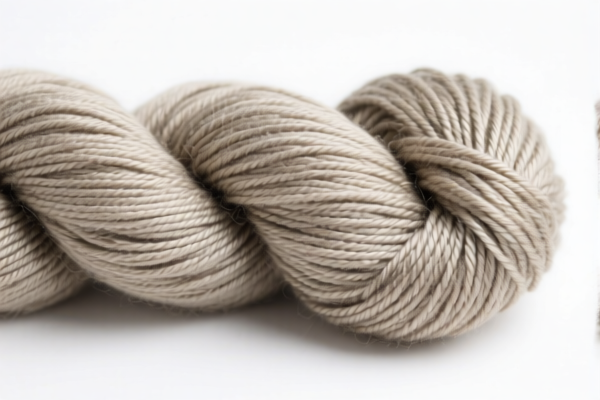
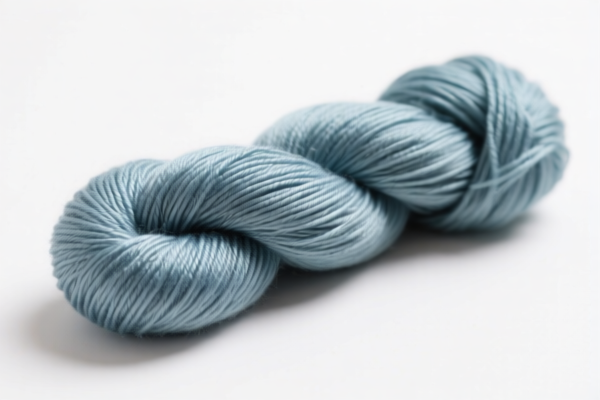
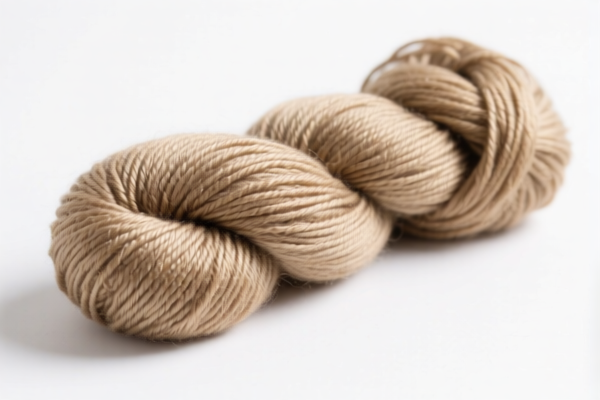
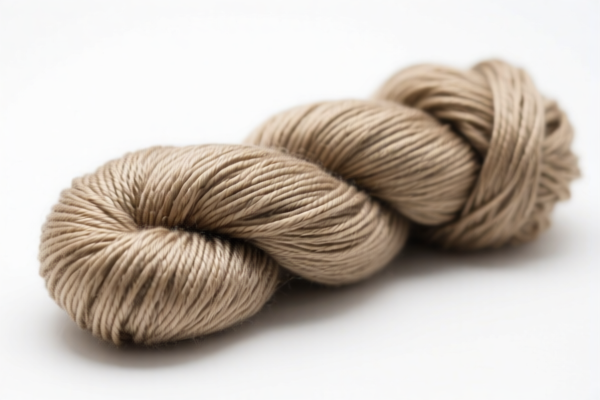
AI Analysis
🧵 Spun Yarn: Silk Waste vs. Cotton (High-Content) – HS Code Classification & 2026 Clearance Strategy
🌐 HS Code Reference & Clearance Guide | 2026 Latest Tariff Analysis | Professional Customs Strategy
📌 I. Product Definition & Classification: Do You Really Understand "Spun Yarn"?
"Spun Yarn" is a broad term in international trade, but for customs purposes, the distinction between Silk Waste and High-Content Cotton is critical. Misclassification can lead to severe tariff penalties or shipment delays.
In the provided dataset, two distinct categories emerge: 1. Silk Waste Yarn (Chapter 50): Yarn spun from waste materials, not for retail sale. 2. Cotton Yarn (Chapter 52): High-count (≥85% cotton) yarn, not for retail sale, further细分 by fiber combing and count (Nm).
⚠️ Key Distinction Point:
- Silk Waste: Focuses on the source material (waste) and retail status (not put up for retail).
- Cotton: Focuses on fiber preparation (combed), yarn type (single/multiple), and linear density (Nm).
- Retail Status: Both datasets specify "not put up for retail sale." If packaged for retail (e.g., small balls of thread), these codes do not apply!
📦 II. HS Code Classification Details (2026 Latest Tariff Authority Comparison)
| HS Code | Product Description | Application Scenario | Tax Status (China to US) |
|---|---|---|---|
5005.00.00.90 |
Silk waste yarn, not for retail: Other (e.g., <85% silk content or non-silk waste blends) | General silk waste yarns not meeting the 85% threshold | 25.0% (0% Base + 25% Additional) |
5005.00.00.10 |
Silk waste yarn, not for retail: Containing ≥85% silk or silk waste | High-purity silk waste yarns | 25.0% (0% Base + 25% Additional) |
5205.21.00.20 |
Cotton yarn ≥85% cotton, not for retail: Single yarn, combed, ≤14 Nm, Ring spun | Fine, high-count single cotton yarns | 0.0% (0% Base + 0% Additional) |
5205.44.00.21 |
Cotton yarn ≥85% cotton, not for retail: Multiple/Cabled, combed, 52-80 Nm per single, Compact spun | Medium-count multiple/cabled cotton yarns | 0.0% (0% Base + 0% Additional) |
🔍 Important Reminder:
- Silk Waste Codes (5005.00.00): Both sub-headings carry a 25% total tax. The distinction between.10and.90is purely descriptive (content percentage) but does not affect the tax rate in this dataset. - Cotton Codes (5205.xxxx): These enjoy 0% total tax (No Base, No Additional). However, strict compliance with "combed," "ring/compact spun," and "Nm ranges" is required.
💰 III. 2026 Latest Tariff Rate Breakdown (Including Additional Taxes & Policy Surcharges)
✅ Applicable Country: United States (US)
✅ Country of Origin: China (CN)
✅ Effective Date: 2025-11-10 onwards (including subsequent imports)
🎯 1. 5005.00.00.10 & 5005.00.00.90 — Silk Waste Yarn
| Item | Content |
|---|---|
| Base Tariff Rate | 0% (ad valorem) |
| Section 301 Additional Tariff | +25% (USITC Footnote 9903.88.01 applies to textile waste yarns) |
| IEEPA Additional Tariff | +0% (Not listed in the provided data for these specific codes, assume 0% based on "25.0%" total) |
| Total Tax Rate | 25.0% |
| Tax Calculation | CIF Value × 25% |
| De Minimis Exemption | ❌ Not Applicable (Textiles generally excluded from de minimis) |
| Legal Basis Path | USITC:5005.00.00.10/.90 → FOOTNOTE:301_Tariffs |
📌 Explanation:
- Both silk waste yarn codes have a 0% base tariff.
- However, they are subject to a 25% additional tariff (likely under Section 301 for Chinese textiles).
- Total Cost Impact: A $10,000 shipment will incur $2,500 in taxes.
- Compliance Note: Ensure the description clearly states "Silk Waste" and "Not Put Up for Retail" to avoid misclassification into higher-tariff retail thread codes (e.g., 5006 or 5402).
🎯 2. 5205.21.00.20 — Cotton Yarn (Single, Combed, ≤14 Nm, Ring Spun)
| Item | Content |
|---|---|
| Base Tariff Rate | 0% (ad valorem) |
| Section 301 Additional Tariff | 0% (Not listed in the provided data for this specific high-compliance code) |
| IEEPA Additional Tariff | 0% |
| Total Tax Rate | 0.0% |
| Tax Calculation | CIF Value × 0% |
| De Minimis Exemption | ❌ Not Applicable (General rule for textiles) |
| Legal Basis Path | USITC:5205.21.00.20 |
📌 Explanation:
- This code represents a highly specific cotton yarn (≥85% cotton, combed, single, ≤14 Nm, ring spun).
- It enjoys 0% total tax in the provided dataset.
- Compliance Note: Must provide technical specs proving it is "combed" and "ring spun." If it is "open-end spun" or "not combed," it may fall under a different, potentially taxed, sub-category.
🎯 3. 5205.44.00.21 — Cotton Yarn (Multiple, Combed, 52-80 Nm, Compact Spun)
| Item | Content |
|---|---|
| Base Tariff Rate | 0% (ad valorem) |
| Section 301 Additional Tariff | 0% (Not listed in the provided data for this specific high-compliance code) |
| IEEPA Additional Tariff | 0% |
| Total Tax Rate | 0.0% |
| Tax Calculation | CIF Value × 0% |
| De Minimis Exemption | ❌ Not Applicable |
| Legal Basis Path | USITC:5205.44.00.21 |
📌 Explanation:
- This code is for multiple (folded/cabled) yarns with a single yarn count between 52 Nm and 80 Nm.
- It must be "combed" and "compact spun."
- Total Cost Impact: $0 in taxes for compliant shipments.
- Compliance Note: "Compact spun" is a specific spinning technology. If the yarn is "regular ring spun," it may not qualify for this exact sub-code and could be misclassified.
🛠️ IV. Customs Clearance Practical Advice (Real-World Pitfall Avoidance)
✅ 1. Documentation Checklist (Non-Negotiable)
| Document | Mandatory? | Explanation |
|---|---|---|
| ✅ Product Specification Sheet | ✔️ | Must detail fiber content (%), spinning method (ring/compact/open-end), yarn count (Nm), and twist direction. |
| ✅ Commercial Invoice | ✔️ | Must explicitly state "Not Put Up for Retail Sale" for all 4 codes. |
| ✅ Packing List | ✔️ | Show bulk packaging (e.g., cones, cakes) to prove non-retail status. |
| ✅ Origin Certificate (CO) | ✔️ | Proves Chinese origin for tax calculation. |
| ✅ Lab Test Report | ✔️ | Recommended for cotton codes to prove "combed" and ">=85% cotton" content. |
✅ 2. Declaration Strategy (Key Mnemonic)
🔥 "Silk Waste 25%, Cotton Combed Free, Retail Pack Means Error!"
| Scenario | Correct HS Code | Error |
|---|---|---|
| Silk waste yarn, bulk cones | 5005.00.00.10 or .90 |
Misclassify as retail thread → Higher tax/delay |
| Cotton yarn, ≤14 Nm, ring spun | 5205.21.00.20 |
Misclassify as non-combed → Higher tax/delay |
| Cotton yarn, 52-80 Nm, compact spun | 5205.44.00.21 |
Misclassify as regular spun → Potential duty |
| Any yarn, small retail balls | None of the above | Must use Chapter 50/52 retail codes (e.g., 5006, 5204) |
✅ 3. Special Case Handling
| Situation | Handling Advice |
|---|---|
| Mixed Fiber Yarn | If silk/cotton blend, determine main fiber. If silk waste, use 5005. If cotton >85%, use 5205. |
| "Not Put Up for Retail" | Define clearly: Bulk cones (>1kg), hanks, or skeins for industrial use. Small balls <1kg are retail. |
| Cotton Count (Nm) Dispute | Nm = Meters per Gram. 14 Nm is coarse, 80 Nm is fine. Provide lab test if disputed. |
| Spinning Method | "Compact" is a specific high-efficiency ring spinning. Regular ring spun ≠ Compact. |
🌍 V. Global Market Clearance Comparison (2026 Latest)
| Country/Region | Recommended HS Code | Tariff (China Origin) | Certification | Notes |
|---|---|---|---|---|
| 🇺🇸 USA | 5005.00.00.10/.90 |
25% | None required | High tariff on silk waste |
| 🇺🇸 USA | 5205.21.00.20/.44.00.21 |
0% | None required | Preferential for high-compliance cotton |
| 🇨🇳 China | 5005 / 5205 |
~5-7% | None | Lower base rates than US |
| 🇪🇺 EU | 5005 / 5205 |
0-4% | CE (if final product) | GSP not applicable for China |
| 🇦🇺 Australia | 5005 / 5205 |
0-5% | None | FTAA may apply |
📌 Conclusion:
- USA is the most critical market: Silk waste yarns face a 25% tariff, while specific cotton yarns are 0%.
- Accuracy is Paramount: For cotton, ensure "combed" and "spinning type" match exactly to enjoy 0% duty.
- Retail vs. Non-Retail: This is the most common error. Always declare "Not Put Up for Retail" for the codes listed.
📌 VI. Common Mistakes & Pitfalls (Lessons Learned)
❌ Mistake 1: Declaring "Cotton Yarn" without specifying "Combed" or "Spinning Type"
👉 Consequence: Customs may reclassify to a default higher-tariff code or request additional info → Delays.
❌ Mistake 2: Using 5005 codes for Retail silk thread (small balls)
👉 Consequence: Misdeclaration → Penalties + Rejection.
❌ Mistake 3: Ignoring the 85% Cotton Content requirement for 5205 codes
👉 Consequence: If cotton is <85%, it falls under Chapter 55 (Synthetic/Affinity) or 5207 (Retail), with different tariffs.
❌ Mistake 4: Assuming all silk yarns are taxed at 25%
👉 Consequence: Correct, but ensure you distinguish between .10 (≥85% silk waste) and .90 (Other) for accurate description, even if tax is same.
✅ Correct Practice:
"Silk Waste Yarn, Not Put Up for Retail, 100% Silk Waste, Bulk Cones, HS 5005.00.00.10"
"Cotton Yarn, ≥85% Cotton, Combed, Single, ≤14 Nm, Ring Spun, Not for Retail, HS 5205.21.00.20"
🎯 VII. Conclusion: Professional Classification Saves Money!
🎯 Remember:
🔹 "Silk Waste = 25% Tax in US"
🔹 "Combed Cotton = 0% Tax in US (if specific specs met)"
🔹 "Retail Pack = Wrong Code for All Listed"
📌 Pro Tip:
If your cotton yarn does not meet the "combed" or "compact/spun" criteria, do not force-fit it into
5205.21.00.20or5205.44.00.21. Consult a customs broker for the correct alternative code to avoid compliance risks.
📣 Immediate Action:
📞 Verify Product Specs: Confirm fiber content, spinning method, and package type.
🚀 Clearance Ready: Use the exact descriptions above to ensure smooth customs clearance and optimal tax rates.
✨ Professional Clearance Starts with Precise Classification!
💼 Your Every Cent of Tax Is Worth Calculating!
Customer Reviews
About HS Code Classification
The Harmonized System (HS) is an internationally standardized nomenclature developed by the World Customs Organization (WCO) to classify traded products. Over 200 countries use the HS system as the basis for customs tariffs, trade statistics, and import/export regulations.
Each HS code follows a hierarchical structure:
- Chapter (2 digits) — Broad category of goods (e.g., Chapter 84: Machinery and Mechanical Appliances)
- Heading (4 digits) — More specific grouping within the chapter
- Subheading (6 digits) — Internationally standardized breakdown, used by all WCO member countries
- National subdivisions (8-10 digits) — Country-specific extensions for further classification, such as US HTSUS 10-digit codes
Correct HS code classification is essential for smooth customs clearance, accurate duty payment, and compliance with trade regulations. Misclassification can lead to customs delays, overpayment of duties, or penalties.
When importing from CN to US, the applicable tariff rates may include:
- Most-Favored-Nation (MFN) rate — The standard duty rate applied to WTO members
- General rate — Applied to countries without trade agreements
- Trade remedy duties — Additional tariffs such as Section 301 (anti-dumping), Section 232 (national security), or countervailing duties
The information provided on this page is for reference purposes only. For official classification, please consult with your local customs authority or a licensed customs broker.