Stained Non Coniferous Wood
CN → US| HS Code | Tariff Rate | Origin | Destination | Doc |
|---|---|---|---|---|
| 4421999880 | 38.3% | CN | US | Official Doc |
| 4421999870 | 38.3% | CN | US | Official Doc |
| 4407990295 | 35.0% | CN | US | Official Doc |
| 4407290296 | 35.0% | CN | US | Official Doc |
| 4409219000 | 35.0% | CN | US | Official Doc |
| 4409290665 | 38.2% | CN | US | Official Doc |
Product Images
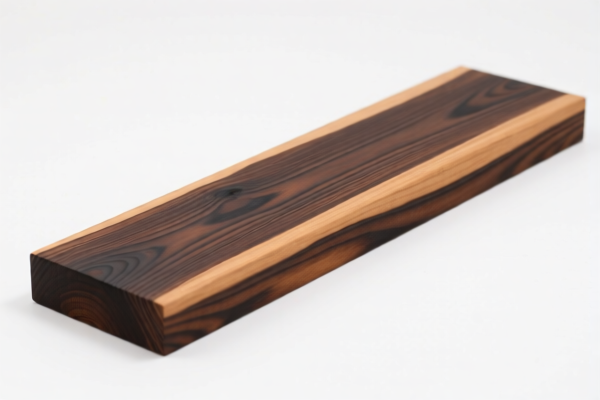
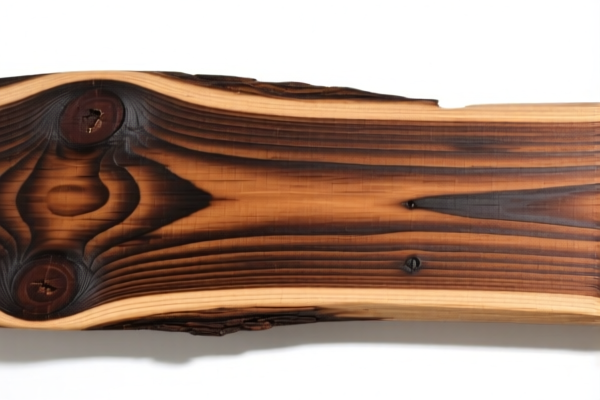
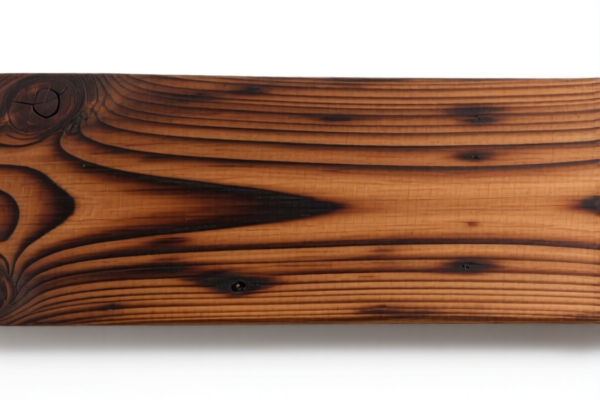
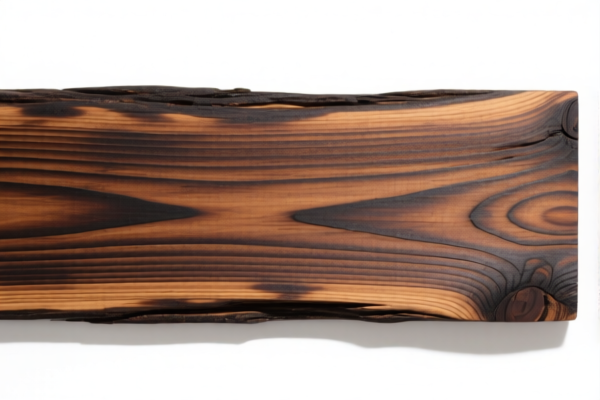
AI Analysis
🪵 Stained Non-Coniferous Wood (Sawn/Sliced/Chipped)
🌐 HS Code Reference & Customs Clearance Guide | 2026 Latest Tariff Analysis | Professional Clearance Strategy
📌 I. Product Definition & Classification: What is "Stained Non-Coniferous Wood"?
Stained Non-Coniferous Wood refers to processed timber derived from hardwoods (non-coniferous species), which has undergone surface treatment (staining/dyeing) for aesthetic purposes. In international trade, the classification depends heavily on the degree of processing (sawn, sliced, chipped) and thickness.
⚠️ Key Classification Distinction:
- If the wood is merely sawn, chipped, sliced, or peeled with thickness > 6mm, and potentially planed/sanded/end-joined (but not further shaped into specific articles), it falls under Chapter 44, Heading 4407.
- If it is continuously shaped (tongued, grooved, molded, etc.) along edges/ends, it may fall under Heading 4409.
- If it is used for specific articles (like gates, furniture parts not specified elsewhere), it falls under Heading 4421.
- "Staining" is generally considered a surface treatment that does not change the fundamental character of the wood as a semi-finished product, unless it penetrates deeply to alter chemical properties significantly (which is rare for standard decorative stains).
📦 II. HS Code Classification Details (2026 Latest Tariff Authority)
Based on the provided <DATA>, here are the specific HS Codes for Stained Non-Coniferous Wood products:
| HS Code | Product Description | Processing Status | Tax Rate (Total) |
|---|---|---|---|
| 4407.99.02.95 | Wood sawn or chipped lengthwise, sliced or peeled... thickness > 6mm. Other: Other Other nonconiferous. | Basic processing (Sawn/Sliced/Chipped/Peeling) | 25.0% |
| 4409.21.90.00 | Wood continuously shaped (tongued, grooved, etc.) along edges/ends. Nonconiferous: Of Bamboo: Other. | Shaped/Profiled (Bamboo specifically) | 25.0% |
| 4409.29.06.65 | Wood continuously shaped along any end... other nonconiferous. | Shaped/Profiled (Non-Bamboo Nonconiferous) | 28.2% |
| 4421.99.98.80 | Other articles of wood. Other: Other: Other: Other Other. | Finished/Semi-finished Articles (General) | 28.3% |
🔍 Critical Note:
- The<DATA>does not include specific entries for "Stained" wood in Heading 4407 with a different code than plain nonconiferous wood. Therefore, stained nonconiferous wood generally falls under 4407.99.02.95 if it is simply sawn/sliced/chipped (>6mm thick).
- If the wood is bamboo, it is classified separately under 4409.21.90.00.
- If the wood is shaped into profiles (tongue/groove), use 4409 codes.
- If it is made into specific articles (e.g., window frames, doors not specified elsewhere), use 4421.99.98.80.
💰 III. 2026 Latest Tariff Rate Breakdown (Including Surtaxes)
✅ Applicable Country: United States (US)
✅ Origin: China (CN) (Assumed based on typical surtax context)
✅ Effective Date: Ongoing (Post-2025 adjustments)
🎯 1. 4407.99.02.95 – Sawn/Sliced Nonconiferous Wood (Thickness > 6mm)
| Item | Detail |
|---|---|
| Base Tariff | 0.0% (ad valorem) |
| Section 301 Surtax | +25.0% |
| Total Tax Rate | 25.0% |
| Tax Calculation | CIF Value × 25% |
| De Minimis Exemption | ❌ Not Eligible (Deny de minimis for Section 301 goods) |
| Legal Basis | USITC:4407.99.02.95 → Section 301: Footnote 9903.88.01 |
📌 Explanation:
- Nonconiferous wood (hardwood) sawn or sliced is subject to 25% surtax under Section 301.
- Base duty is 0%, but the 25% additional duty is mandatory for Chinese-origin goods.
- Staining does not exempt the product from this surtax.
🎯 2. 4409.21.90.00 – Shaped Bamboo Wood
| Item | Detail |
|---|---|
| Base Tariff | 0.0% |
| Section 301 Surtax | +25.0% |
| Total Tax Rate | 25.0% |
| Tax Calculation | CIF Value × 25% |
| Legal Basis | USITC:4409.21.90.00 → Section 301: Footnote 9903.88.01 |
📌 Note:
- Bamboo is treated separately from other nonconiferous woods in HS 4409.
- Still subject to 25% surtax.
🎯 3. 4409.29.06.65 – Shaped Non-Bamboo Nonconiferous Wood
| Item | Detail |
|---|---|
| Base Tariff | 3.2% |
| Section 301 Surtax | +25.0% |
| Total Tax Rate | 28.2% |
| Tax Calculation | CIF Value × 28.2% |
| Legal Basis | USITC:4409.29.06.65 → Section 301: Footnote 9903.88.01 |
📌 Note:
- Shaped wood (tongued/grooved) has a higher base duty (3.2%) compared to plain sawn wood (0%).
- Total effective rate is 28.2%.
🎯 4. 4421.99.98.80 – Other Wooden Articles (General)
| Item | Detail |
|---|---|
| Base Tariff | 3.3% |
| Section 301 Surtax | +25.0% |
| Total Tax Rate | 28.3% |
| Tax Calculation | CIF Value × 28.3% |
| Legal Basis | USITC:4421.99.98.80 → Section 301: Footnote 9903.88.01 |
📌 Note:
- This code is a "basket" for other wooden articles not specifically listed elsewhere (e.g., window frames, door frames, skirting boards if not classified under 4409).
- Highest total rate in this set: 28.3%.
🛠️ IV. Customs Clearance Practical Advice (Real-World Pitfall Guide)
✅ 1. Documentation Checklist (Non-Negotiable)
| Document | Required? | Description |
|---|---|---|
| ✅ Commercial Invoice | ✔️ | Must clearly state "Stained Nonconiferous Wood" and HS Code. |
| ✅ Packing List | ✔️ | Detail dimensions, thickness, and volume. |
| ✅ Bill of Lading/Air Waybill | ✔️ | Standard shipping document. |
| ✅ Certificate of Origin | ✔️ | Proof of Chinese origin (triggers surtax). |
| ✅ ISF (Importer Security Filing) | ✔️ | For ocean freight, file 24 hours before loading. |
| ✅ Phytosanitary Certificate | ✔️ | CRITICAL: Wood products require phytosanitary certification to prove freedom from pests (e.g., oak wilt, emerald ash borer). |
| ✅ Fumigation Certificate | ✔️ | If wood is not heat-treated or chemically fumigated, customs will reject entry. |
| ✅ Product Specifications | ✔️ | Include thickness, species (if possible), stain type, and dimensions. |
✅ 2. Declaration Tips (Key Mantras)
🔥 "Accurate HS Code, Phytosanitary Cert, No Pests, Smooth Entry!"
| Scenario | Correct Declaration | Incorrect Declaration |
|---|---|---|
| Sawn/Sliced Wood >6mm | 4407.99.02.95 – "Sawn Nonconiferous Wood, Thickness 12mm, Stained" |
Misdeclare as "Wood Furniture" (4421) → Higher duty + inspection |
| Shaped/Tongued Wood | 4409.29.06.65 – "Shaped Nonconiferous Wood Strip" |
Misdeclare as 4407 → Under-declaration of processing |
| Bamboo Wood | 4409.21.90.00 – "Shaped Bamboo Wood" |
Misdeclare as "Other Nonconiferous" → Classification error |
| Pallets/Crates | If used for shipping, declare separately (may have different rules) | Mixing with product wood → Confusion in value allocation |
✅ 3. Special Handling Cases
| Case | Handling Advice |
|---|---|
| Fumigation Required | Wood must be fumigated or heat-treated (ISPM 15 standard) if it is raw or minimally processed. Staining does not replace fumigation. |
| Species Identification | If the wood species is sensitive (e.g., Oak, Walnut, Teak), ensure it is not listed in CITES Appendix I/II. Most common nonconiferous woods are fine, but always verify. |
| Stain Composition | If the stain contains hazardous chemicals (e.g., heavy metals, high VOCs), additional EPA/REACH compliance may be needed for the finished article (if declared as such). |
| Value Allocation | If wood and stain are imported together, ensure the value of the wood is clearly stated for duty calculation. The stain value is usually negligible but must be allocated correctly. |
🌍 V. Global Market Comparison (2026 Latest)
| Country/Region | Recommended HS Code | Tariff Rate (China Origin) | Certification Requirements | Remarks |
|---|---|---|---|---|
| 🇺🇸 USA | 4407.99.02.95 |
25.0% | Phytosanitary + Fumigation | High surtax under Section 301. |
| 🇨🇳 China | 4407.99.02.95 |
5% - 10% | N/A | No surtax. Domestic consumption. |
| 🇪🇺 EU | 4407.99.99 |
0% - 5% | FLEGT / EUTR Compliance | Must prove legal timber origin. |
| 🇬🇧 UK | 4407.99.99 |
0% - 5% | UKCA / Timber Regulation | Post-Brexit rules apply. |
| 🇯🇵 Japan | 4407.99.90 |
0% - 5% | Phytosanitary | Low base duty. |
📌 Conclusion:
- USA has the highest barrier due to the 25% Section 301 surtax.
- EU and UK focus on legal sourcing (FLEGT/EUTR) rather than high tariffs.
- China has moderate tariffs but no surtax.
📌 VI. Common Errors & Pitfalls (Blood Lessons)
❌ Error 1: Forgetting the Phytosanitary Certificate
👉 Consequence: Goods held at customs, fumigated at importer’s expense, or returned/destroyed.
👉 Solution: Obtain a phytosanitary certificate from the exporting country’s agricultural authority.
❌ Error 2: Misclassifying Shaped Wood as Plain Sawed Wood
👉 Consequence: Underpayment of duty (e.g., declaring 4407 instead of 4409).
👉 Penalty: Customs audit, back taxes, fines, and potential seizure.
❌ Error 3: Ignoring CITES Restrictions
👉 Consequence: If the wood species is protected (e.g., certain Rosewoods, Mahoganies), import is illegal without CITES permits.
👉 Solution: Verify species against CITES Appendices before shipment.
❌ Error 4: Not Declaring "Stained" Properly
👉 Consequence: If the stain contains hazardous materials, customs may flag the shipment for chemical compliance issues.
👉 Solution: Provide SDS (Safety Data Sheet) for the stain if required by the finished product’s destination regulations.
✅ Correct Practice:
"Nonconiferous Wood, Sawn, 12mm Thick, Stained with Water-Based Dye, Fumigated per ISPM 15, No CITES Species"
🎯 VII. Conclusion: Professional Declaration, Cost Efficiency!
🎯 Remember the Mantra:
🔹 "Fumigate First, Declare Second, HS Code Third, Surtax Pays!"
🔹 "25% Surtax for US, Phytosanitary for All, Species Check is Key!"
📌 Pro Tip:
If your stained wood is not from China (e.g., from Brazil, Vietnam, or Europe), you avoid the 25% Section 301 surtax.
- Brazilian Hardwood: Base duty 0%, No Surtax → 0% Total (but high base duty may apply in other markets).
- Vietnamese Bamboo: May have different duty rates under trade agreements.
- EU Timber: 0% base duty, but must comply with EUTR.
📞 Immediate Action:
- Contact your customs broker.
- Provide Phytosanitary Certificate and Fumigation Certificate.
- Apply for Advance Ruling if uncertain about HS Code.
📣 Final Note:
🚀 Clear Customs, Save Costs, Avoid Delays!
📊 Your Tariff Cost: 25% (US) | 0-5% (Other Markets)
✨ Professional Customs Clearance Starts with Accurate Classification!
💼 Every Percent Saved is Pure Profit!
Customer Reviews
About HS Code Classification
The Harmonized System (HS) is an internationally standardized nomenclature developed by the World Customs Organization (WCO) to classify traded products. Over 200 countries use the HS system as the basis for customs tariffs, trade statistics, and import/export regulations.
Each HS code follows a hierarchical structure:
- Chapter (2 digits) — Broad category of goods (e.g., Chapter 84: Machinery and Mechanical Appliances)
- Heading (4 digits) — More specific grouping within the chapter
- Subheading (6 digits) — Internationally standardized breakdown, used by all WCO member countries
- National subdivisions (8-10 digits) — Country-specific extensions for further classification, such as US HTSUS 10-digit codes
Correct HS code classification is essential for smooth customs clearance, accurate duty payment, and compliance with trade regulations. Misclassification can lead to customs delays, overpayment of duties, or penalties.
When importing from CN to US, the applicable tariff rates may include:
- Most-Favored-Nation (MFN) rate — The standard duty rate applied to WTO members
- General rate — Applied to countries without trade agreements
- Trade remedy duties — Additional tariffs such as Section 301 (anti-dumping), Section 232 (national security), or countervailing duties
The information provided on this page is for reference purposes only. For official classification, please consult with your local customs authority or a licensed customs broker.