Stainless Steel Bolt
CN → US| HS Code | Tariff Rate | Origin | Destination | Doc |
|---|---|---|---|---|
| 7318152061 | 85.0% | CN | US | Official Doc |
| 7326908688 | 87.9% | CN | US | Official Doc |
| 7318152091 | 85.0% | CN | US | Official Doc |
| 7326190080 | 87.9% | CN | US | Official Doc |
| 8205595510 | 40.3% | CN | US | Official Doc |
Product Images
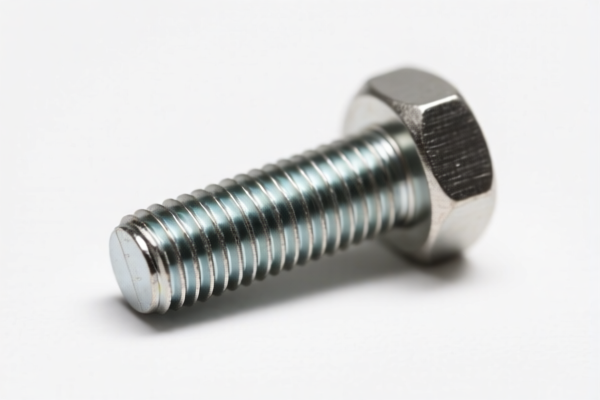
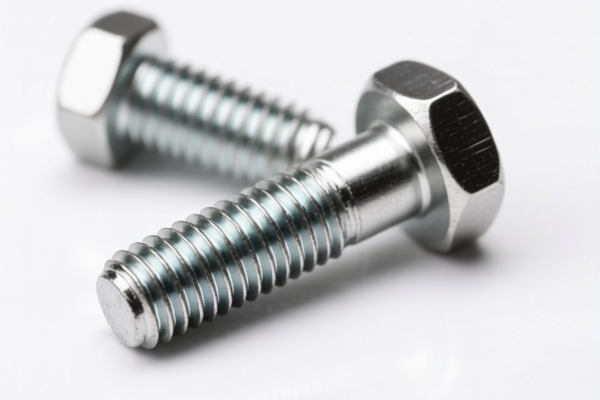
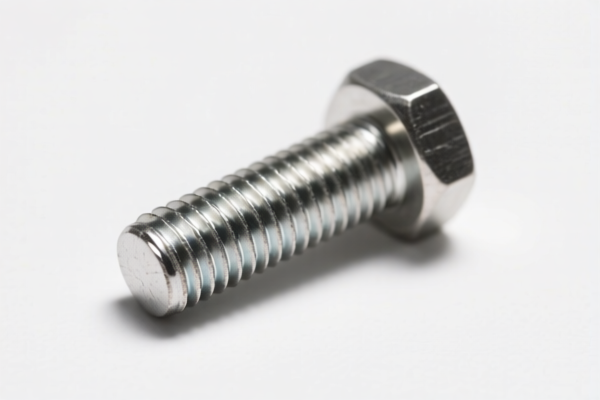
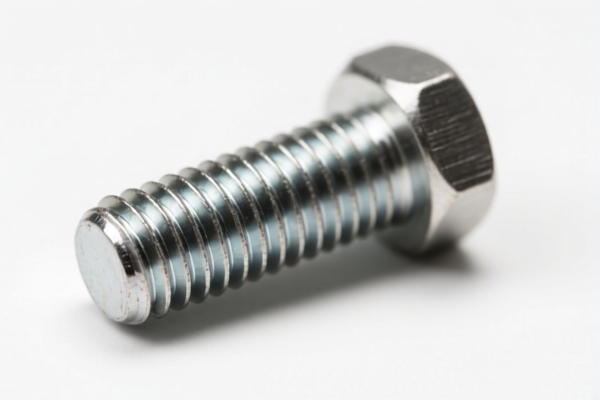
AI Analysis
🔩 Stainless Steel Bolts (The Hidden Tariff Trap)
🌐 HS Code Reference & Customs Clearance Guide | 2026 Latest Tariff Analysis | Professional Clearance Strategy
📌 I. Product Definition & Classification: Do You Really Know "Stainless Steel Bolts"?
Stainless steel bolts are critical fasteners used in construction, machinery, automotive, and marine industries. In international trade, their classification hinges on two main factors:
1. Material: Stainless Steel (classified under Iron/Steel chapters in HS Code 73).
2. Form/Function: Nuts, washers, screws, bolts, and similar articles.
⚠️ Key Distinction Point:
- If classified as specific fasteners (Bolts/Nuts) → Chapter 7318 (Lower Base Duty).
- If classified as other iron/steel articles → Chapter 7326 (Higher Base Duty).
- Tooling vs. Product: If the item is a tool for processing bolts (e.g., de-rusting), it falls under Chapter 82 (Tools), not Chapter 73.
📦 II. HS Code Classification Details (2026 Latest Tariff Authority Comparison)
| HS Code | Product Description | Applicable Scenario | Base Duty | Total Tax Rate* |
|---|---|---|---|---|
7318.15.20.61 |
Stainless Steel Bolts (Specific Classification) | Standard stainless steel bolts, strictly matching material/form | 0.0% | 85.0% |
7318.15.20.91 |
Stainless Steel Bolts (Other) | Stainless steel bolts, general category for "other" fasteners | 0.0% | 85.0% |
7326.90.86.88 |
Other Iron/Steel Articles (Bolts) | Bolts classified under "Other articles of iron/steel" (Less specific) | 2.9% | 87.9% |
7326.19.00.80 |
Other Articles of Iron/Steel (Bolts) | Broad category for steel products not elsewhere specified | 2.9% | 87.9% |
8205.59.55.10 |
Bolt De-rusting Tools | Tools for processing bolts (Metal hand tools), NOT the bolt itself | 5.3% | 40.3% |
🔍 Key Reminder:
- 7318.15.20.xx is the preferred classification for standard stainless steel bolts. It has a 0% base duty, making it more favorable than 7326.
- 7326.90.86.88 / 7326.19.00.80 carry a 2.9% base duty. While the total tax is higher (87.9%), this might be used if the bolt does not meet the specific definition of 7318.
- 8205.59.55.10 is for tools (e.g., rust removers). Do not misclassify bolts as tools!
💰 III. 2026 Latest Tariff Rate Breakdown (Including Surcharges & Policy Add-ons)
✅ Applicable Country: United States (US)
✅ Origin: China (CN)
✅ Effective Date: 2025 onwards (See specific footnote dates)
🎯 1. 7318.15.20.61 & 7318.15.20.91 —— Stainless Steel Bolts (Best Case for Base Duty)
| Item | Details |
|---|---|
| Base Tariff | 0.0% (Ad Valorem) |
| Section 301 Surcharge | +25.0% (USITC Footnote 9903.88.01) |
| Section 122 Tariff | +10.0% (Steel, Aluminum, Copper Products Surcharge) |
| 232 Tariff | +50.0% (Steel, Aluminum, Copper Products Surcharge) |
| Total Tariff Rate | 85.0% |
| Tax Calculation | CIF Value × 85.0% |
| De Minimis Eligibility | ❌ No (Denied De Minimis) |
| Legal Basis Path | USITC:7318.15.20.61 → FOOTNOTE:9903.88.01 → Section 122/232 |
📌 Explanation:
- Base Duty 0%: These codes benefit from zero base duty for stainless steel fasteners.
- Total 85%: Driven by 25% (Section 301) + 10% (Section 122) + 50% (Section 232).
- High Cost Alert: Despite low base duty, the total tariff is extremely high due to multiple overlapping surcharges.
🎯 2. 7326.90.86.88 & 7326.19.00.80 —— Other Iron/Steel Articles (Higher Base)
| Item | Details |
|---|---|
| Base Tariff | 2.9% (Ad Valorem) |
| Section 301 Surcharge | +25.0% |
| Section 122 Tariff | +10.0% |
| 232 Tariff | +50.0% |
| Total Tariff Rate | 87.9% |
| Tax Calculation | CIF Value × 87.9% |
| De Minimis Eligibility | ❌ No |
| Legal Basis Path | USITC:7326.90.86.88 → FOOTNOTE:9903.88.01 → Section 122/232 |
📌 Note:
- Higher Total Cost: The 2.9% base duty adds to the already high surcharges.
- Use Case: Only use if the bolt does not fit the specific definition of 7318 (e.g., unusual shape or non-standard material certification).
🎯 3. 8205.59.55.10 —— Bolt De-rusting Tools (Tooling, Not Product)
| Item | Details |
|---|---|
| Base Tariff | 5.3% (Ad Valorem) |
| Section 301 Surcharge | +25.0% |
| Section 122 Tariff | +10.0% |
| Total Tariff Rate | 40.3% |
| Tax Calculation | CIF Value × 40.3% |
| De Minimis Eligibility | ❌ No |
| Legal Basis Path | USITC:8205.59.55.10 → Section 301/122 |
📌 Important:
- Lower Total Duty: At 40.3%, this is significantly cheaper than bolting itself (85%+).
- Clarification: This HS Code is for tools (e.g., wire brushes, rust removers), NOT the bolts. Misclassification here can lead to severe penalties.
🛠️ IV. Customs Clearance Practical Advice (Real-World Pitfall Guide)
✅ 1. Required Documents Checklist (Mandatory)
| Document | Must Provide | Description |
|---|---|---|
| ✅ Product Specification Sheet | ✔️ | Material composition (e.g., 304/316 Stainless Steel), dimensions, thread pitch. |
| ✅ Commercial Invoice | ✔️ | Clearly state "Stainless Steel Bolts" or "De-rusting Tools" depending on actual item. |
| ✅ Packing List | ✔️ | Detail weights, quantities, and packaging. |
| ✅ Material Certificate | ✔️ | Proof of stainless steel composition (critical for 7318 vs. 7326). |
| ✅ Third-Party Test Report | ✔️ | Corrosion resistance test, tensile strength. |
| ✅ Origin Certificate | ✔️ | If applicable for other markets, but for US, origin doesn't reduce Section 301/232/122. |
✅ 2. Declaration Tips (Critical Mantra)
🔥 "Exact Material, Precise Name, No Tool Confusion!"
| Scenario | Correct Declaration | Wrong Practice |
|---|---|---|
| Standard Stainless Bolts | 7318.15.20.61 "Stainless Steel Bolts" |
Misclassify as 7326 → Higher base duty. |
| Unusual Steel Fasteners | 7326.90.86.88 "Other Steel Articles" |
Force fit into 7318 → Rejection/Amendment. |
| De-rusting Tools (Brushes, etc.) | 8205.59.55.10 "Bolt De-rusting Tools" |
Declare as "Bolts" → Tariff Jump from 40.3% to 85%+! |
✅ 3. Special Case Handling
| Scenario | Handling Advice |
|---|---|
| Mixed Shipments (Bolts + Tools) | Must Separate Declaration! Do not combine. Bolts under 7318, Tools under 8205. Mixing leads to confusion and potential penalty. |
| Non-Standard Bolts | If the bolt has a unique shape not covered by 7318, use 7326. Provide detailed drawings to justify. |
| Origin Labeling | Even if assembled in Vietnam/Mexico, if the stainless steel material is from China, Section 301/232/122 may still apply. Verify rules of origin. |
| De Minimis (Section 321) | ❌ Not Applicable. Items under 7318, 7326, 8205 are explicitly denied de minimis threshold. All shipments, no matter how small, are subject to full duties. |
🌍 V. Global Market Clearance Comparison (2026 Latest)
| Country/Region | Recommended HS Code | Base Duty | Total Tariff (CN Origin) | Notes |
|---|---|---|---|---|
| 🇺🇸 USA | 7318.15.20.61 |
0.0% | 85.0% | High surcharges (301, 122, 232). |
| 🇪🇺 EU | 7318.15.00 |
6.5% | 6.5% | No Section 301/232/122. Much cheaper. |
| 🇨🇳 China | 7318.15.20 |
6.0% | 6.0% | No surcharges for export. |
| 🇯🇵 Japan | 7318.15.000 |
3.9% | 3.9% | Low duty, no surcharges. |
| 🇲🇽 Mexico | 7318.15.01 |
0.0% | 0.0% (If USMCA qualified) | Check rules of origin. |
📌 Conclusion:
- USA is the most expensive market for stainless steel bolts due to overlapping tariffs.
- EU, Japan, China have significantly lower tariffs. Consider supply chain adjustments if exporting to the US.
- Tools (8205) are cheaper to import into the US (40.3%) than bolts (85.0%), but must be genuine tools.
📌 VI. Common Errors & Pitfall Guide (Lessons Learned)
❌ Error 1: Declaring "Stainless Steel Bolts" as "Other Steel Articles" (7326)
👉 Consequence: Higher base duty (2.9% vs 0%), leading to higher total tax (87.9% vs 85.0%).
❌ Error 2: Declaring "De-rusting Tools" as "Bolts"
👉 Consequence: Overpaying tariffs. Tools are 40.3%, Bolts are 85.0%. Loss of profit!
❌ Error 3: Assuming De Minimis ($800) applies
👉 Consequence: Customs will seize the shipment or demand full payment. All duties apply.
❌ Error 4: Vague Description "Steel Fasteners"
👉 Consequence: Customs may assign the highest possible duty or require additional documentation, causing delays.
✅ Correct Approach:
"Stainless Steel Hex Bolts, Grade 304, UNC Thread, ASTM A193, HS Code 7318.15.20.61"
OR
"Wire Brush for Bolt De-rusting, Metal Hand Tool, HS Code 8205.59.55.10"
🎯 VII. Conclusion: Precision Classification Saves Money!
🎯 Remember the Mantra:
🔹 "Bolts: 0% Base, 85% Total. Tools: 5.3% Base, 40.3% Total."
🔹 "No De Minimis, Full Duties Apply."
🔹 "Separate Bolts from Tools!"
📌 Pro Tip:
If your products are stainless steel but the fastener mechanism is unique, consider pre-ruling with CBP.
For high-volume shipments, evaluate Section 301 Exclusions (if still available) or supply chain diversification to non-China origins to mitigate tariff risks.
📣 Immediate Action:
📞 Consult a Customs Broker + Provide Product Specs + Apply for CBP Ruling if needed.
🚀 Ensure accurate HS codes to avoid 85%+ tariffs on your stainless steel bolts!
✨ Professional Clearance Starts with Accurate Classification!
💼 Every Dollar of Duty Saved is Pure Profit!
Customer Reviews
About HS Code Classification
The Harmonized System (HS) is an internationally standardized nomenclature developed by the World Customs Organization (WCO) to classify traded products. Over 200 countries use the HS system as the basis for customs tariffs, trade statistics, and import/export regulations.
Each HS code follows a hierarchical structure:
- Chapter (2 digits) — Broad category of goods (e.g., Chapter 84: Machinery and Mechanical Appliances)
- Heading (4 digits) — More specific grouping within the chapter
- Subheading (6 digits) — Internationally standardized breakdown, used by all WCO member countries
- National subdivisions (8-10 digits) — Country-specific extensions for further classification, such as US HTSUS 10-digit codes
Correct HS code classification is essential for smooth customs clearance, accurate duty payment, and compliance with trade regulations. Misclassification can lead to customs delays, overpayment of duties, or penalties.
When importing from CN to US, the applicable tariff rates may include:
- Most-Favored-Nation (MFN) rate — The standard duty rate applied to WTO members
- General rate — Applied to countries without trade agreements
- Trade remedy duties — Additional tariffs such as Section 301 (anti-dumping), Section 232 (national security), or countervailing duties
The information provided on this page is for reference purposes only. For official classification, please consult with your local customs authority or a licensed customs broker.