Stainless Steel Thermos Bottle
CN → US| HS Code | Tariff Rate | Origin | Destination | Doc |
|---|---|---|---|---|
| 9617001000 | 17.2% | CN | US | Official Doc |
| 9617003000 | 16.9% | CN | US | Official Doc |
| 7323930060 | 62.0% | CN | US | Official Doc |
| 7323999030 | 88.4% | CN | US | Official Doc |
| 7418100051 | 70.5% | CN | US | Official Doc |
Product Images
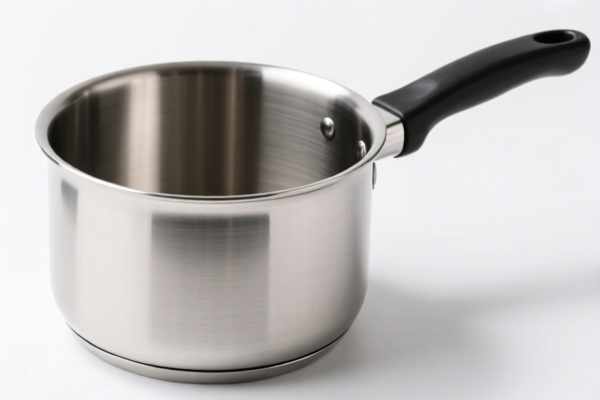
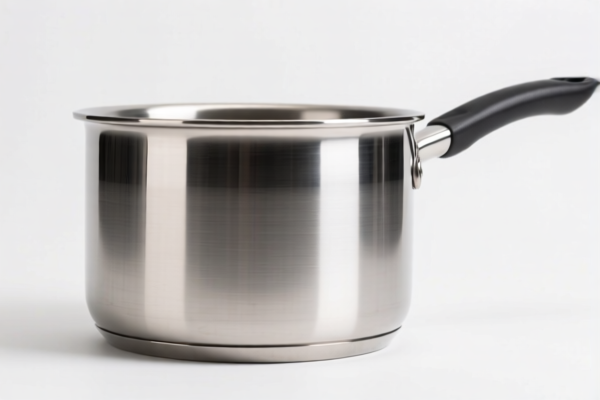
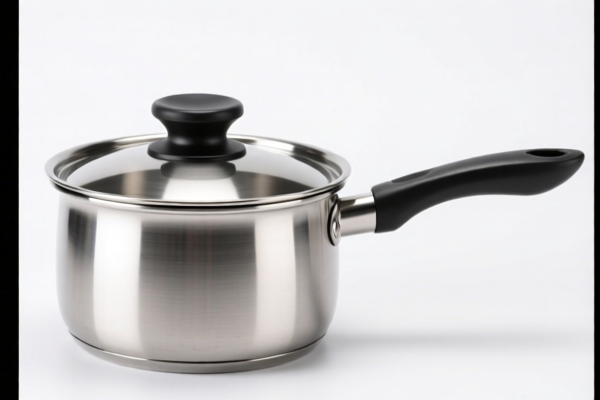
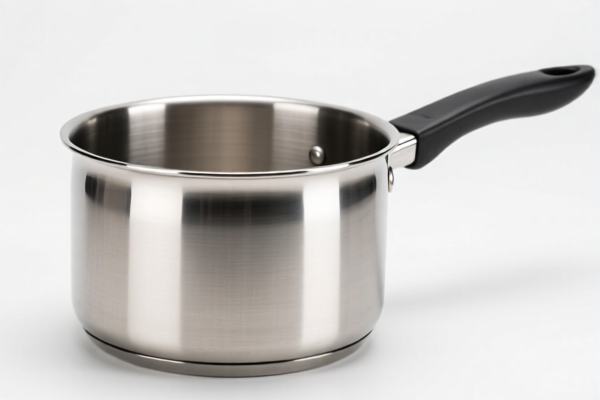
AI Analysis
🌟 Stainless Steel Thermos Bottle (Vacuum-Insulated Container) – 2026 HS Code & Tariff Guide
🌐 HS Code Classification & Duty Breakdown | U.S. Customs 2026 Tariff Rules | Expert Clearance Strategy
📌 One Product, Multiple Classifications – Know the Right HS Code to Avoid 80%+ Tariffs!
📦 I. Product Definition & Classification: Why Is a Thermos Bottle So Confusing?
A stainless steel thermos bottle is more than just a drink container — it’s a vacuum-insulated, reusable, portable beverage vessel designed to maintain temperature for hours. In U.S. customs classification, it can fall into five different HS codes, depending on its material, structure, and intended use.
⚠️ Key Insight:
- If it's vacuum-sealed and insulated, it’s a container → HS 9617.00.10 / 9617.00.30
- If it's made of stainless steel and used for kitchen/tables → HS 7323.93.00 / 7323.99.90
- If it’s non-electric, household drinking equipment → HS 7418.10.00🔍 Critical Distinction:
- Vacuum-insulated thermos → Lower tax (16.9%–17.2%)
- Stainless steel kitchenware → Extremely high tax (62%–88.4%)
- Wrong HS code = 50%+ extra duty + penalties!
📊 II. HS Code Classification Breakdown (2026 U.S. Tariff Authority)
| HS Code | Product Description | Classification Basis | Key Features |
|---|---|---|---|
9617.00.10.00 |
Vacuum-insulated thermos bottle, for personal use | Vacuum container, not electrical, for liquids | ✅ Insulated, sealed, reusable |
9617.00.30.00 |
Thermos bottle, part of vacuum container category | Functional container, not a kitchen tool | ✅ Holds hot/cold drinks |
7323.93.00.60 |
Stainless steel kitchen and household utensils | Material-based: stainless steel, non-electric | ❌ Not vacuum-insulated? → Higher tax |
7323.99.90.30 |
Other kitchen or tableware, household use | General category: non-specific, household | ❌ Broad classification → high risk |
7418.10.00.51 |
Household non-electric heating or cooling devices | Functional use: drinking vessel, no power | ❌ If not insulated, may fall here |
📌 Pro Tip:
- If your thermos has a vacuum layer, always use 9617 codes — they are 10–50% lower than steel-based codes. - If it’s just a stainless steel bottle without vacuum insulation, then 7323 codes apply → Danger Zone!
💰 III. 2026 U.S. Tariff Breakdown (With Full Legal & Policy Details)
✅ Applicable Country: United States (U.S.)
✅ Origin: China (CN)
✅ Effective Date: November 10, 2025 (updated under IEEPA & USITC)
🎯 1. 9617.00.10.00 – Vacuum-Insulated Thermos Bottle (Best Case)
| Item | Detail |
|---|---|
| Base Duty | 7.2% (ad valorem) |
| Additional Tariff (Section 301) | 0% |
| Section 122 Tariff (IEEPA) | +10% (applies to Chinese-origin goods) |
| Steel/Aluminum/Non-Ferrous Metal Add-on | 0% (not applicable — not a metal structure) |
| Total Effective Duty | 17.2% |
| Tax Calculation | CIF Value × 17.2% |
| De Minimis Threshold | ✅ Yes (under $800 per shipment) |
| Legal Basis Path | IEEPA:9903.01.25 → Section 122:9903.01.24 → HS:9617.00.10.00 |
📌 Why This Is the Best Option:
- Vacuum insulation qualifies it as a "container", not a "kitchen utensil". - No 50% metal surcharge — only 10% IEEPA tariff. - De minimis applies → no duty if under $800.
🎯 2. 9617.00.30.00 – Thermos as Vacuum Container (Slightly Higher Tax)
| Item | Detail |
|---|---|
| Base Duty | 6.9% |
| Section 301 Add-on | 0% |
| Section 122 (IEEPA) | +10% |
| Steel/Aluminum Surcharge | 0% |
| Total Duty | 16.9% |
| Tax Calculation | CIF × 16.9% |
| De Minimis | ✅ Yes |
| Legal Path | IEEPA:9903.01.25 → Section 122:9903.01.24 → HS:9617.00.30.00 |
📌 Note:
- Slightly lower base duty than 9617.00.10.00, but same total due to 10% IEEPA. - Still much better than steel-based codes.
🎯 3. 7323.93.00.60 – Stainless Steel Kitchenware (High-Risk!)
| Item | Detail |
|---|---|
| Base Duty | 2.0% |
| Section 301 Add-on | 0% |
| Section 122 (IEEPA) | +10% |
| Steel/Aluminum/Non-Ferrous Metal Surcharge | +50% (applies to steel, aluminum, copper products) |
| Total Duty | 62.0% |
| Tax Calculation | CIF × 62.0% |
| De Minimis | ❌ No (over $800 threshold) |
| Legal Path | IEEPA:9903.01.25 → Section 122:9903.01.24 → USITC:7323.93.00.60 → FOOTNOTE:9903.88.01 |
📌 Warning:
- 50% metal surcharge is the killer here. - Even if it’s a thermos, if it’s classified as "kitchenware", you pay 62%. - No de minimis → even small shipments get full duty.
🎯 4. 7323.99.90.30 – Other Household Tableware (Danger Zone!)
| Item | Detail |
|---|---|
| Base Duty | 3.4% |
| Section 301 Add-on | +25% (from USITC Footnote 9903.88.01) |
| Section 122 (IEEPA) | +10% |
| Steel/Aluminum Surcharge | +50% |
| Total Duty | 88.4% |
| Tax Calculation | CIF × 88.4% |
| De Minimis | ❌ No |
| Legal Basis | USITC:9903.88.01 → IEEPA:9903.01.24 → HS:7323.99.90.30 |
📌 Extreme Risk:
- 88.4% duty is unacceptable for most businesses. - USITC 25% + 10% IEEPA + 50% metal surcharge = 85%+. - Only applies if the thermos is misclassified as "general tableware".
🎯 5. 7418.10.00.51 – Household Non-Electric Drinking Vessel
| Item | Detail |
|---|---|
| Base Duty | 3.0% |
| Section 301 Add-on | +7.5% |
| Section 122 (IEEPA) | +10% |
| Steel/Aluminum Surcharge | +50% |
| Total Duty | 70.5% |
| Tax Calculation | CIF × 70.5% |
| De Minimis | ❌ No |
| Legal Path | IEEPA:9903.01.24 → USITC:7418.10.00.51 → FOOTNOTE:9903.88.01 |
📌 Why It’s Bad:
- 70.5% is still extremely high. - Applies if the thermos is not vacuum-insulated and not a container. - Avoid at all costs.
🛠️ IV. Clearance Best Practices (Pro Tips to Save 50%+ in Duty)
✅ 1. Must-Have Documentation (No Exceptions!)
| Document | Required? | Why It Matters |
|---|---|---|
| ✅ Product Specifications | ✔️ | Prove vacuum insulation, material, capacity |
| ✅ Technical Diagrams | ✔️ | Show internal vacuum layer |
| ✅ High-Res Product Photos | ✔️ | Show lid, sealing, insulation |
| ✅ Third-Party Test Report | ✔️ | Thermal retention, safety (FDA, LFGB) |
| ✅ Commercial Invoice | ✔️ | Clearly state: “Vacuum-insulated stainless steel thermos bottle” |
| ✅ Certificate of Origin (CO) | ✔️ | If from Vietnam/Mexico, can avoid IEEPA |
| ✅ Packing List | ✔️ | Show no disassembly |
✅ 2.申报技巧(Golden Rules)
🔥 “Vacuum = 9617.00.10/30 — Never Use 7323!”
| Scenario | Correct HS Code | Wrong Code | Risk |
|---|---|---|---|
| Vacuum-insulated thermos | 9617.00.10.00 or 9617.00.30.00 |
7323.93.00.60 |
+45% duty |
| Stainless steel bottle (no vacuum) | 7418.10.00.51 |
7323.99.90.30 |
+17.9% extra |
| Thermos with logo/brand | 9617.00.10.00 |
7323.99.90.30 |
88.4% vs 17.2% = 5x cost! |
✅ 3. Special Cases & Solutions
| Situation | Solution |
|---|---|
| Thermos from Vietnam/Mexico | Apply for IEEPA exemption → 0% tariff |
| OEM/Custom Design | Provide design specs → prove it’s a container, not kitchenware |
| Bulk Shipment (Over $800) | Use 9617.00.10.00 → 17.2% vs 7323.99.90.30 → 88.4% |
| Recycled or Eco-Friendly | Still taxed the same — no green discount |
🌍 V. Global Market Tariff Comparison (2026)
| Country | Recommended HS Code | Duty | Certification | Notes |
|---|---|---|---|---|
| 🇺🇸 USA | 9617.00.10.00 |
17.2% | FCC, RoHS, FDA | Avoid 7323 codes |
| 🇨🇳 China | 9617.00.10.00 |
5% | CCC | No IEEPA |
| 🇪🇺 EU | 9617.00.10.00 |
0% (if CE) | CE | No metal surcharge |
| 🇦🇺 Australia | 9617.00.10.00 |
5% | RCM | No IEEPA |
| 🇯🇵 Japan | 9617.00.10.00 |
0% | PSE | No extra tariffs |
📌 Insight:
- Only the U.S. applies 10% IEEPA + 50% metal surcharge. - China, EU, Australia, Japan are much friendlier.
📌 VI. Common Mistakes & How to Avoid Them (Real Cases)
❌ Mistake 1: Calling it a “stainless steel water bottle” → classified as 7323.99.90.30
👉 Result: 88.4% duty → $884 per $1,000 shipment
✅ Fix: Say “Vacuum-insulated thermos bottle” → use 9617.00.10.00
❌ Mistake 2: Not proving vacuum layer → customs assumes it’s just a steel cup
👉 Result: 62% duty instead of 17.2%
✅ Fix: Attach thermal test report or diagram showing vacuum seal
❌ Mistake 3: Using “kitchenware” in invoice description
👉 Result: Automatic assignment to 7323 codes → 50%+ extra tax
✅ Fix: Use precise product name + HS code in invoice
🎯 VII. Final Verdict: Choose Wisely, Save Thousands!
🔥 Golden Rule:
"If it’s vacuum-insulated, it’s a container — not kitchenware!"📌 Best HS Code:
9617.00.10.00or9617.00.30.00→ 16.9%–17.2%
📌 Worst HS Code:7323.99.90.30→ 88.4% (10x higher!)💡 Pro Tip:
- Apply for Advance Ruling (Pre-Approval) before shipment. - Use a U.S.-based customs broker with experience in 9617.00.10.00. - Avoid disassembling thermos into "lid", "bottle", "cap" — each part may be taxed at 89.5%.
📣 Act Now: Protect Your Profit Margin!
📞 Contact a U.S. Customs Broker + Submit:
- Product photos
- Vacuum test report
- Technical drawings
- Request HS Code Pre-Approval (Advance Ruling)🚀 Your thermos should be a profit center — not a tax trap!
✨ Professional Clearance Starts with Accurate Classification!
💼 One wrong code = 50%+ extra cost. One right code = 50%+ savings.
🎯 Remember:
"Vacuum = 9617.00.10.00 — That’s the golden ticket!"
Customer Reviews
About HS Code Classification
The Harmonized System (HS) is an internationally standardized nomenclature developed by the World Customs Organization (WCO) to classify traded products. Over 200 countries use the HS system as the basis for customs tariffs, trade statistics, and import/export regulations.
Each HS code follows a hierarchical structure:
- Chapter (2 digits) — Broad category of goods (e.g., Chapter 84: Machinery and Mechanical Appliances)
- Heading (4 digits) — More specific grouping within the chapter
- Subheading (6 digits) — Internationally standardized breakdown, used by all WCO member countries
- National subdivisions (8-10 digits) — Country-specific extensions for further classification, such as US HTSUS 10-digit codes
Correct HS code classification is essential for smooth customs clearance, accurate duty payment, and compliance with trade regulations. Misclassification can lead to customs delays, overpayment of duties, or penalties.
When importing from CN to US, the applicable tariff rates may include:
- Most-Favored-Nation (MFN) rate — The standard duty rate applied to WTO members
- General rate — Applied to countries without trade agreements
- Trade remedy duties — Additional tariffs such as Section 301 (anti-dumping), Section 232 (national security), or countervailing duties
The information provided on this page is for reference purposes only. For official classification, please consult with your local customs authority or a licensed customs broker.