Steel Nuts
CN → US| HS Code | Tariff Rate | Origin | Destination | Doc |
|---|---|---|---|---|
| 7318160060 | 67.5% | CN | US | Official Doc |
| 7318150000 | 0.0% | CN | US | Official Doc |
Product Images
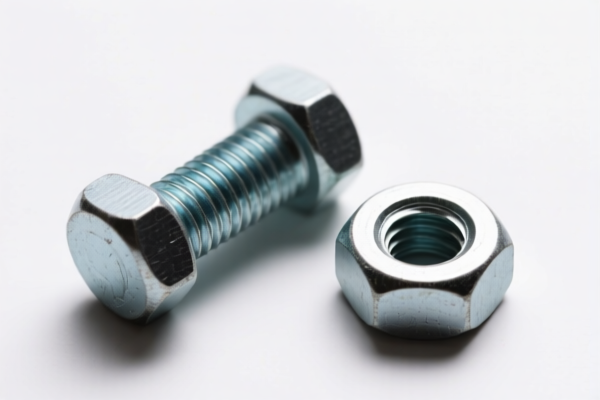
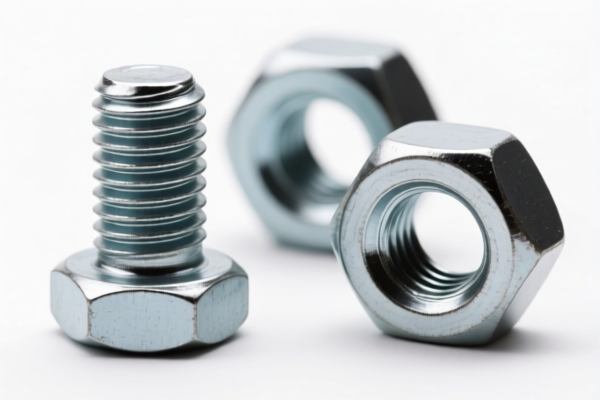

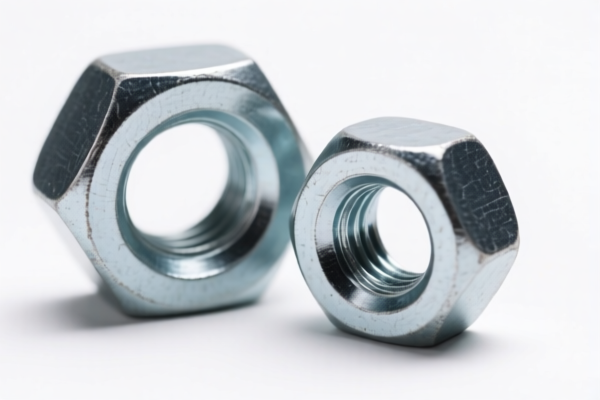
AI Analysis
🔩 Steel Nuts (Screws, Bolts, Nuts, etc.)
🌐 HS Code Reference & Customs Clearance Guide | 2026 Latest Tariff Analysis | Professional Compliance Strategy
📌 I. Product Definition & Classification: Do You Understand "Steel Nuts"?
Steel nuts, as a critical component in mechanical fastening systems, are classified under Heading 7318 in the Harmonized System. Specifically, they fall under "Threaded articles: Nuts." However, the tariff rate and HS code precision depend heavily on the material type (e.g., Stainless Steel vs. Other Iron/Steel) and specific sub-category.
⚠️ Key Distinction:
- Stainless Steel Nuts: Subject to specific additional duties due to trade policies; classified under 7318.16.00.60.
- Other Iron/Steel Nuts (e.g., Carbon Steel): Classified under 7318.15.00.00, but tax information is currently unavailable/restricted in the dataset.
📦 II. HS Code Classification Details (2026 Latest Tariff Authority Comparison)
| HS Code | Product Description | Applicable Scenario | Material Type |
|---|---|---|---|
7318.16.00.60 |
Nuts, Other, Of Stainless Steel | Stainless steel fasteners for corrosion-resistant applications | ✅ Stainless Steel |
7318.15.00.00 |
Nuts (General) | Carbon steel or other iron/steel nuts | ❓ Tax Info: Error |
🔍 Key Reminder:
- Stainless steel nuts are specifically listed under 7318.16.00.60 with detailed tax implications.
- Other steel nuts (e.g., standard carbon steel) fall under 7318.15.00.00, but tax details are marked as "Error", indicating missing or restricted data.
💰 III. 2026 Latest Tariff Rate Details (Including Surtaxes & Policy Additions)
✅ Applicable Country: United States (US)
✅ Origin: China (CN)
✅ Effective Date: 2025 onwards (subject to ongoing trade policies)
🎯 1. 7318.16.00.60 —— Nuts, Other, Of Stainless Steel
| Item | Content |
|---|---|
| Base Tariff | 0.0% (ad valorem) |
| Surtax on Steel, Aluminum, Copper Products | +50% |
| Additional Surtax | +7.5% |
| Total Tariff Rate | 57.5% |
| Tax Calculation | CIF Value × 57.5% |
| De Minimis Exemption | ❌ Not Applicable (High tax threshold) |
| Legal Basis Path | 7318.16.00.60 → Surtax: Steel, Al, Cu → Additional 7.5% |
📌 Explanation:
- The 50% surtax is applied under the "Surtax on Steel, Aluminum, Copper Products" policy, targeting imported steel goods from China.
- An additional 7.5% is added, likely under Section 301 or similar trade remedies.
- Total rate: 57.5%, making this a high-cost import. Early planning is essential.
🎯 2. 7318.15.00.00 —— Nuts (Other Iron/Steel)
| Item | Content |
|---|---|
| Base Tariff | Information Unavailable |
| Surtax | Information Unavailable |
| Total Tariff Rate | Error |
| De Minimis Exemption | ❌ Unknown |
| Legal Basis Path | 7318.15.00.00 → Tax Retrieval Failed |
📌 Note:
- Tax information for this HS code is marked as "Error", meaning current data is unavailable or restricted.
- Importers should consult customs brokers for the most up-to-date rates, as this category may still be subject to general steel surtaxes or Section 301 duties.
🛠️ IV. Customs Clearance Practical Suggestions (Real-World Pitfall Avoidance Guide)
✅ 1. Required Documentation Checklist (All Essential)
| Document | Required | Description |
|---|---|---|
| ✅ Product Specification Sheet | ✔️ | Material type (e.g., 304/316 stainless), dimensions, thread size |
| ✅ Material Certificate | ✔️ | Proof of stainless steel composition (for 7318.16.00.60) |
| ✅ Commercial Invoice | ✔️ | Clearly state "Steel Nuts, Stainless Steel, HS 7318.16.00.60" |
| ✅ Packing List | ✔️ | Quantity, weight, packaging details |
| ✅ Bill of Lading/Air Waybill | ✔️ | Freight documents |
| ✅ Origin Certificate | ✔️ | If eligible for preferential treatment |
✅ 2. Declaration Tips (Critical Rules)
🔥 "Material Matters, Code Precision Saves Money!"
| Scenario | Correct Declaration | Wrong Practice |
|---|---|---|
| Stainless Steel Nuts | 7318.16.00.60 |
Misdeclare as carbon steel → 57.5% instead of potential lower rate |
| Carbon Steel Nuts | 7318.15.00.00 |
Declare as stainless steel → Audit risk + penalties |
| Mixed Shipments | Separate by material | Mixed declaration → Customs delay + reclassification fees |
✅ 3. Special Cases Handling
| Scenario | Handling Suggestion |
|---|---|
| Mixed Materials | Separate stainless and carbon steel nuts in shipment; declare separately |
| Custom-Designed Nuts | Provide engineering drawings to prove material and design |
| High-Value Shipments | Consider pre-arrival customs ruling to confirm HS code and tax rate |
| Supply Chain Diversification | Explore sourcing from countries with lower surtax rates (e.g., Vietnam, Mexico) |
🌍 V. Global Market Comparison (2026 Latest)
| Country/Region | Recommended HS Code | Tariff Rate | Certification | Remarks |
|---|---|---|---|---|
| 🇺🇸 USA | 7318.16.00.60 |
57.5% (Stainless) | N/A | High surtax on steel |
| 🇨🇳 China | 7318.16.00.60 |
0% (Import) | N/A | No additional surtax |
| 🇪🇺 EU | 7318.16.00.60 |
Varies (0-15%) | CE/RoHS | No US-style surtax |
| 🇯🇵 Japan | 7318.16.00.60 |
Varies (0-10%) | JIS | No major surtax |
📌 Conclusion:
- The US imposes the highest tariffs on steel products, including nuts, due to surtaxes.
- Stainless steel nuts are explicitly targeted at 57.5%, making US imports from China significantly more expensive.
- Consider supply chain adjustments or third-country sourcing to mitigate costs.
📌 VI. Common Mistakes & Pitfall Avoidance (Lessons Learned)
❌ Mistake 1: Misdeclaring stainless steel nuts as carbon steel
👉 Consequence: 57.5% tax instead of potential lower rate; audit risk.
❌ Mistake 2: Failing to provide material certificates
👉 Consequence: Customs may reclassify or delay shipment; additional fees.
❌ Mistake 3: Ignoring surtax policies
👉 Consequence: Unexpected 50%+ surtax leading to profit erosion.
❌ Mistake 4: Mixing materials in one declaration
👉 Consequence: Customs scrutiny; potential penalties for incorrect classification.
✅ Best Practice:
"Stainless Steel Nuts, 304 Grade, M10x1.5, HS 7318.16.00.60, Origin: China"
🎯 VII. Conclusion: Precision Classification, Cost Efficiency
🎯 Key Takeaways:
🔹 "Material Determines Code, Code Determines Cost!"
🔹 "Stainless Steel Nuts: 57.5% in the US – Plan Ahead!"
🔹 "Carbon Steel Nuts: Tax Info Unavailable – Consult Experts!"
📌 Tips:
- If your steel nuts originate from Vietnam, Mexico, or other non-China sources, you may avoid the 50% surtax, reducing the effective tariff.
- Consider pre-clearance rulings to confirm HS code and tax rates.
- For large shipments, consult customs brokers to optimize declaration strategies.
📣 Immediate Action:
📞 Contact a licensed customs broker + Provide material certificates + Apply for pre-ruling if needed
🚀 Ensure smooth customs clearance, cost control, and supply chain resilience!
✨ Professional customs clearance starts with precise classification!
💼 Every dollar saved is a dollar earned!
Customer Reviews
About HS Code Classification
The Harmonized System (HS) is an internationally standardized nomenclature developed by the World Customs Organization (WCO) to classify traded products. Over 200 countries use the HS system as the basis for customs tariffs, trade statistics, and import/export regulations.
Each HS code follows a hierarchical structure:
- Chapter (2 digits) — Broad category of goods (e.g., Chapter 84: Machinery and Mechanical Appliances)
- Heading (4 digits) — More specific grouping within the chapter
- Subheading (6 digits) — Internationally standardized breakdown, used by all WCO member countries
- National subdivisions (8-10 digits) — Country-specific extensions for further classification, such as US HTSUS 10-digit codes
Correct HS code classification is essential for smooth customs clearance, accurate duty payment, and compliance with trade regulations. Misclassification can lead to customs delays, overpayment of duties, or penalties.
When importing from CN to US, the applicable tariff rates may include:
- Most-Favored-Nation (MFN) rate — The standard duty rate applied to WTO members
- General rate — Applied to countries without trade agreements
- Trade remedy duties — Additional tariffs such as Section 301 (anti-dumping), Section 232 (national security), or countervailing duties
The information provided on this page is for reference purposes only. For official classification, please consult with your local customs authority or a licensed customs broker.