Steel Pet Gate
CN → US| HS Code | Tariff Rate | Origin | Destination | Doc |
|---|---|---|---|---|
| 9403200017 | 85.0% | CN | US | Official Doc |
| 9403200086 | 85.0% | CN | US | Official Doc |
| 7326908688 | 87.9% | CN | US | Official Doc |
| 8302416045 | 88.9% | CN | US | Official Doc |
| 8301406060 | 23.2% | CN | US | Official Doc |
Product Images
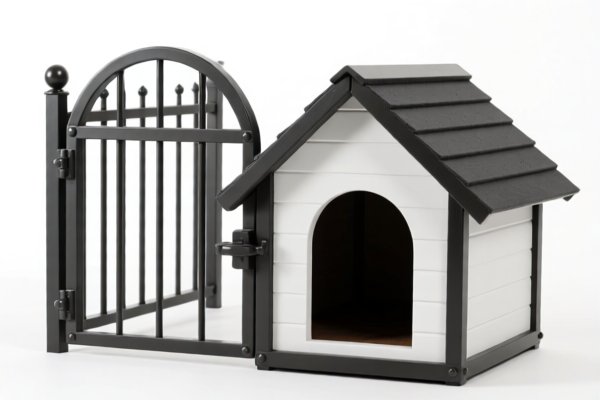
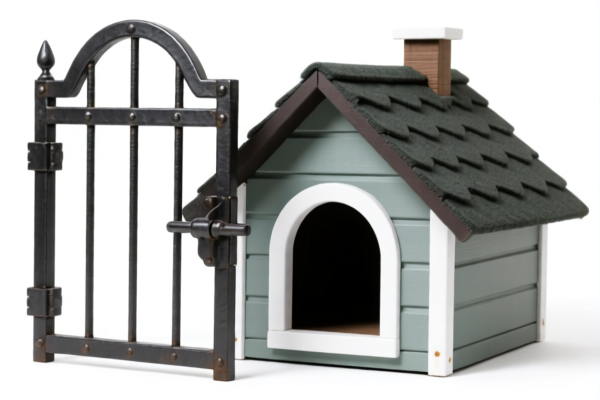
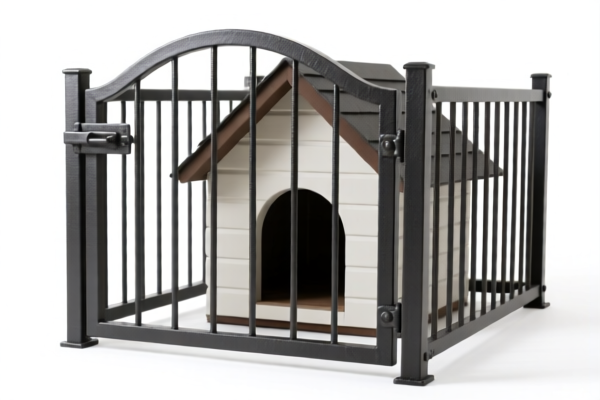
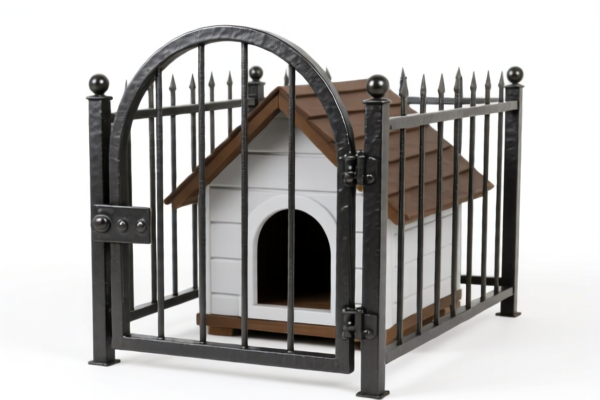
AI Analysis
🐾 Steel Pet Gate (Pet Enclosure/Door)
🌐 HS Code Reference & Customs Clearance Guide | 2026 Latest Tariff Analysis | Professional Clearance Strategy
📌 Part 1: Product Definition & Classification: Do You Really Understand the "Steel Pet Gate"?
A Steel Pet Gate is typically a security device made of metal (usually steel) used to restrict the movement of pets within a home or commercial space. It can function as a standalone barrier (fence/pen) or as an accessory attached to an existing door frame.
In international trade, the classification depends heavily on its primary function and structural form: 1. As Furniture (Enclosure/Pen): If it stands independently or acts as a permanent fixture for pet containment, it is often classified under "Metal Furniture." 2. As an Accessory: If it is a simple attachment kit for an existing human door, it may be classified under "Fittings/Accessories." 3. As a General Metal Article: If it doesn't fit standard furniture definitions or has a complex structure not covered elsewhere, it falls under general steel制品.
⚠️ Key Distinction Points:
- If it is a standalone barrier (like a gate or pen) →归类 to Metal Furniture (9403) or Steel Articles (7326).
- If it is a lock/mechanism component (e.g., specifically a locking pet door insert) →归类 to Locks (8301).
- If it is a door fitting (hinges, handles, frames) →归类 to Fittings (8302).
📦 Part 2: HS Code Classification Details (2026 Latest Tariff Authority Comparison)
| HS Code | Product Description | Application Scenario | Classification Logic |
|---|---|---|---|
9403.20.00.17 |
Steel Pet Gate, Material: Steel, Form: Door, Purpose: Restriction Fence, Classified as Metal Furniture | Standalone pet pens, heavy-duty steel barriers | ✅ Furniture (Metal) |
9403.20.00.86 |
Steel Pet Gate, Material: Steel, Form: Door/Device, Classified as Other Metal Furniture Components | Partial furniture items, non-standard metal enclosures | ✅ Furniture Components |
7326.90.86.88 |
Steel Pet Gate, Material: Steel, Form: Article, Classified as Other Articles of Iron or Steel | General steel制品, simple bars, non-furniture specific structures | ✅ General Steel Article |
8302.41.60.45 |
Steel Pet Gate, Material: Steel, Purpose: Building Door Accessory, Classified as Door Fittings | Attached gates, door-mounted restrictors, frames/hinges | ✅ Door Accessories/Fittings |
8301.40.60.60 |
Stainless Steel Pet Gate, Material: Stainless Steel, Purpose: Lock Application, Classified as Other Locks | Pet gates with integrated locking mechanisms, latch systems | ✅ Locks (Special Case) |
🔍 Key Reminder:
- Furniture vs. Fitting: If the gate is a standalone unit (even if it looks like a door), US Customs often leans toward 9403 (Metal Furniture) because it serves as a "fixture" for the home environment.
- Material Matters: Standard carbon steel gates fall under 9403 or 7326. Stainless steel units with specific locking functions might be argued as locks (8301), but this is rare and risky.
- "Pet Gate" is not a specific HS heading: You must describe it by its function (Furniture/Fitting) and material (Steel).
💰 Part 3: 2026 Latest Tariff Rate Details (Including Surtaxes & Policy Add-ons)
✅ Applicable Country: USA (US)
✅ Origin: China (CN)
✅ Effective Date: Ongoing (Includes Section 301 & 122 measures)
🎯 1. 9403.20.00.17 & 9403.20.00.86 —— Metal Furniture Category
| Item | Content |
|---|---|
| Base Rate | 0.0% (Ad Valorem) |
| Section 301 Surcharge | +25.0% (USITC Footnote 9903.88.01) |
| Section 122 Surcharge | +10.0% (Specific to Steel/Aluminum/Copper products under certain conditions) |
| Section 232 (Steel/Aluminum/Copper) Surcharge | +50.0% (For steel products subject to Section 232) |
| Total Effective Tax Rate | 85.0% |
| Tax Calculation | CIF Value × 85.0% |
| De Minimis Exemption | ❌ Not Eligible (Deny De Minimis) |
| Legal Basis Path | USITC:9403.20.00.17 → Section 301: 25% → Section 122: 10% → Section 232: 50% |
📌 Explanation:
- This is the most common classification for standalone steel pet gates.
- The 50% Section 232 tariff applies because it is a steel product.
- The 25% Section 301 tariff applies to all Chinese goods.
- The 10% Section 122 tariff may apply if deemed a "steel article" under specific trade acts.
- Total Burden: 85% is extremely high. Profit margins will be severely impacted unless priced accordingly.
🎯 2. 7326.90.86.88 —— Other Articles of Iron or Steel
| Item | Content |
|---|---|
| Base Rate | 2.9% (Ad Valorem) |
| Section 301 Surcharge | +25.0% |
| Section 122 Surcharge | +10.0% |
| Section 232 (Steel) Surcharge | +50.0% |
| Total Effective Tax Rate | 87.9% |
| Tax Calculation | CIF Value × 87.9% |
| De Minimis Exemption | ❌ Not Eligible |
| Legal Basis Path | USITC:7326.90.86.88 → Section 301: 25% → Section 122: 10% → Section 232: 50% |
📌 Note:
- Slightly higher total rate (87.9%) than furniture classification.
- Often used if the gate is deemed "not furniture" (e.g., simple wire mesh without structural furniture characteristics).
- Still carries the full weight of Section 232 (50%) and Section 301 (25%).
🎯 3. 8302.41.60.45 —— Door Fittings/Accessories
| Item | Content |
|---|---|
| Base Rate | 3.9% (Ad Valorem) |
| Section 301 Surcharge | +25.0% |
| Section 122 Surcharge | +10.0% |
| Section 232 (Steel) Surcharge | +50.0% |
| Total Effective Tax Rate | 88.9% |
| Tax Calculation | CIF Value × 88.9% |
| De Minimis Exemption | ❌ Not Eligible |
| Legal Basis Path | USITC:8302.41.60.45 → Section 301: 25% → Section 122: 10% → Section 232: 50% |
📌 Note:
- This classification assumes the pet gate is an accessory to a human door (e.g., a sliding pet door frame).
- Highest base rate (3.9%) among the options.
- High Risk: Customs may reject this if the item is a standalone gate.
🎯 4. 8301.40.60.60 —— Other Locks (Stainless Steel Specific)
| Item | Content |
|---|---|
| Base Rate | 5.7% (Ad Valorem) |
| Section 301 Surcharge | +7.5% (Reduced Section 301 rate for some lock categories? Note: Data shows 7.5%) |
| Section 122 Surcharge | +10.0% |
| Section 232 (Steel) Surcharge | 0.0% (Likely excluded or not applicable for this specific subheading in this dataset) |
| Total Effective Tax Rate | 23.2% |
| Tax Calculation | CIF Value × 23.2% |
| De Minimis Exemption | ❌ Not Eligible |
| Legal Basis Path | USITC:8301.40.60.60 → Section 301: 7.5% → Section 122: 10% |
📌 Critical Alert:
- This is the LOWEST tax rate (23.2%) in the dataset.
- Why so low? It excludes the 50% Section 232 tariff and has a lower Section 301 rate.
- RISK: This only applies if the product is Strictly a Lock (e.g., a stainless steel locking mechanism) and not a "gate."
- Strategy: If your product is a locking pet door insert (not a full fence), argue for this classification. Do not use this for a full steel gate, or face penalties for misclassification.
🛠️ Part 4: Customs Clearance Practical Advice (Real-World Pitfall Avoidance)
✅ 1. Documentation Checklist (Non-Negotiable)
| Document | Must Provide | Notes |
|---|---|---|
| ✅ Product Specification Sheet | ✔️ | Dimensions, material (Carbon Steel vs. Stainless Steel), weight, load capacity. |
| ✅ Technical Diagrams | ✔️ | Show if it is a standalone unit (Furniture) or an attachment (Fitting). |
| ✅ Clear Product Photos | ✔️ | Include front, back, locking mechanism, and any brand/model labels. |
| ✅ Commercial Invoice | ✔️ | Description must be precise: e.g., "Stainless Steel Pet Locking Mechanism" vs. "Steel Pet Enclosure Fence." |
| ✅ Certificate of Origin (CO) | ✔️ | Essential for proving origin to apply correct tariffs. |
| ✅ Packing List | ✔️ | Detail contents to avoid "accessory split" issues. |
✅ 2. Classification Strategy & Keywords
🔥 "Describe by Function, Not Just Name!"
| Scenario | Recommended HS Code | Key Description for Customs | Expected Rate |
|---|---|---|---|
| Standalone Pet Fence/Pen | 9403.20.00.17 |
"Steel Metal Furniture Pet Enclosure" | 85.0% |
| Simple Steel Bars/Article | 7326.90.86.88 |
"Steel Article for Pet Containment" | 87.9% |
| Door-Mounted Pet Door Frame | 8302.41.60.45 |
"Steel Door Fitting for Pets" | 88.9% |
| Stainless Steel Locking Mechanism | 8301.40.60.60 |
"Stainless Steel Lock for Pet Door" | 23.2% (Best Case) |
⚠️ Warning:
- Never just say "Pet Gate." It is too vague.
- If it is a full gate, using8301.40.60.60(Locks) will likely be rejected because a gate is not a lock.
- If it is a locking insert, using9403.20.00.17(Furniture) is overly broad and may incur higher base rates or scrutiny.
✅ 3. Special Handling Tips
| Situation | Recommendation |
|---|---|
| Mixed Materials | If the gate has plastic components, ensure the steel content dominates. If plastic is >50%, it may fall under Chapter 39 (Plastics), but steel pet gates are usually >90% steel. |
| OEM/Custom Designs | Provide design drawings to prove if it is "furniture" (stable, standalone) or "fitting" (mounts to door). |
| Stainless Steel Claim | Only claim 8301.40.60.60 if the primary function is locking/security and the material is stainless steel. Even then, risk of reclassification to 9403 exists. |
| Section 232 Exclusions | Check if your specific steel product type is excluded from Section 232 (50% tariff). Most standard structural steel items are NOT excluded. |
🌍 Part 5: Global Market Comparison (2026 Outlook)
| Region | Recommended HS Code | Est. Total Tax (China Origin) | Notes |
|---|---|---|---|
| 🇺🇸 USA | 9403.20.00.17 |
85.0% | High burden due to Section 232 + 301. |
| 🇺🇸 USA (Lock Claim) | 8301.40.60.60 |
23.2% | Only for stainless steel locking inserts. High audit risk. |
| 🇨🇳 China (Import) | 7326.90.89.90 |
~5-10% | Lower import duties, but focus on domestic sales. |
| 🇪🇺 EU | 7326.90.98 |
~4-6% | No Section 232/301. Standard EU duties apply. |
| 🇬🇧 UK | 7326.90.98 |
~4-6% | Post-Brexit tariffs similar to EU for this category. |
📌 Conclusion:
- USA is the most challenging market due to cumulative tariffs (232 + 301 + 122).
- Cost Optimization: If possible, design the product as a locking mechanism (if feasible) to attempt8301classification, but only if legally accurate.
- Alternative: Consider sourcing from non-China countries (e.g., Vietnam, India) to avoid Section 301 and potentially Section 232 duties, reducing total tax to ~0-10%.
📌 Part 6: Common Errors & Pitfalls (Blood & Tears Lessons)
❌ Error 1: Calling a standalone fence a "Door Fitting" (8302)
👉 Consequence: Customs rejects it, reclassifies as Furniture (9403), delays shipment, and charges higher base rate.
❌ Error 2: Calling a steel gate a "Lock" (8301) to get 23.2% tax
👉 Consequence: High-risk audit. If found to be a gate, you will pay back taxes + penalties + interest. The 25%+50% difference is significant, but the fraud risk is higher.
❌ Error 3: Ignoring Section 232 (50% Steel Tariff)
👉 Consequence: Unexpected 50% tariff added to the bill. Must ensure HTSUS code confirms steel product status.
❌ Error 4: Vague Description "Pet Gate"
👉 Consequence: Customs uses "Best Available Information" to classify, often picking the highest duty code.
✅ Correct Approach:
"Steel Metal Pet Enclosure, Standalone, Model XYZ, 100% Carbon Steel, For Indoor Use."
→ Classify as 9403.20.00.17 (Predictable 85% tax).
OR
"Stainless Steel Locking Latch for Pet Door, Model ABC."
→ Classify as 8301.40.60.60 (23.2% tax, with proof it is a lock).
🎯 Part 7: Conclusion: Professional Declaration, Cost Control
🎯 Key Takeaway:
🔹 "Steel Gate = Furniture = 85% Tax (USA)"
🔹 "Lock Only = 23% Tax (USA)" (But only if it IS a lock!)
🔹 "Misclassification = Penalties + Delays"
📌 Pro Tip:
If your business volume is high, apply for a Customs Ruling (Pre-Ruling) with US CBP. Submit technical specs and ask for a binding classification. This provides legal certainty for the 85% vs. 23% decision.
📣 Immediate Action:
📞 Consult a Customs Broker before shipping.
📄 Prepare Technical Datasheets proving material and function.
🚀 Evaluate Supply Chain: Can you source from a non-China origin to avoid 301/232 tariffs?
✨ Clear Customs, Maximize Profit!
💼 Precision in HS Code is your best defense against high tariffs.
Customer Reviews
About HS Code Classification
The Harmonized System (HS) is an internationally standardized nomenclature developed by the World Customs Organization (WCO) to classify traded products. Over 200 countries use the HS system as the basis for customs tariffs, trade statistics, and import/export regulations.
Each HS code follows a hierarchical structure:
- Chapter (2 digits) — Broad category of goods (e.g., Chapter 84: Machinery and Mechanical Appliances)
- Heading (4 digits) — More specific grouping within the chapter
- Subheading (6 digits) — Internationally standardized breakdown, used by all WCO member countries
- National subdivisions (8-10 digits) — Country-specific extensions for further classification, such as US HTSUS 10-digit codes
Correct HS code classification is essential for smooth customs clearance, accurate duty payment, and compliance with trade regulations. Misclassification can lead to customs delays, overpayment of duties, or penalties.
When importing from CN to US, the applicable tariff rates may include:
- Most-Favored-Nation (MFN) rate — The standard duty rate applied to WTO members
- General rate — Applied to countries without trade agreements
- Trade remedy duties — Additional tariffs such as Section 301 (anti-dumping), Section 232 (national security), or countervailing duties
The information provided on this page is for reference purposes only. For official classification, please consult with your local customs authority or a licensed customs broker.